.png)
.svg)
.png)

Why Teeth May Still Move After Invisalign?
.png)
.png)
Teeth may still move after Invisalign because of a biological process called orthodontic relapse, where teeth naturally drift back toward their original positions once the aligners are removed. This happens to some degree in the majority of orthodontic patients and does not mean your treatment failed. What determines how much movement occurs, and whether it becomes a real problem, almost always comes down to one thing: whether you wear your retainer consistently after treatment ends. This article explains exactly why movement happens, all the factors that make it worse, and what you can do to keep your results for life.
Why Do My Teeth Still Move After Invisalign?
Your teeth still move after Invisalign because they are not permanently anchored in your jaw the way a screw is anchored in a wall. They sit inside the jawbone in a flexible network of tissue called the periodontal ligament. That ligament stretches and compresses to allow controlled movement during your treatment, but it retains a biological memory of where your teeth used to sit. A review published in the journal WJARR found that relapse occurs in approximately 70 to 90 percent of orthodontic cases, making it one of the most persistent challenges in the entire field of orthodontics.
When your last Invisalign tray comes out, the bone around your teeth is still in the process of rebuilding and hardening in its new position. Research published in Orthodontic Practice US found that the collagenous fibers of the periodontal ligament typically take 4 to 6 months to fully remodel, while elastic-like oxytalan fibers can take up to 6 years to completely reorganize. During that long window of tissue remodeling, your teeth are especially vulnerable to shifting if nothing is holding them in place. That is precisely why retainers exist and why they are not optional.
The good news is that the fix is simple. A well-fitting retainer worn as directed is the single most effective tool for preventing relapse. Everything else, including the other causes we cover in this article, is a secondary factor compared to consistent retainer use.
What Are the Signs of Retainer Failure?
The signs of retainer failure are a retainer that feels tighter than usual, visible gaps or crowding that were not there before, a bite that feels slightly different, or a retainer that no longer fits over your teeth completely. Any of these signals means your teeth have already begun to move. The most telling sign is when your retainer fits tightly or uncomfortably after a few days of not wearing it. That tightness is not the retainer shrinking; it is your teeth shifting toward their old positions.
Other signs include noticing that a previously closed gap is beginning to reopen, or that a front tooth is starting to look slightly rotated or crooked in photos. Some patients notice changes in how their upper and lower teeth meet when they bite down. If you catch these changes early, they are almost always easier to correct. Waiting and hoping they resolve on their own is not a good strategy.
A study published in the American Journal of Orthodontics and Dentofacial Orthopedics found that in the first three months after finishing orthodontic treatment, 4 percent of patients had already stopped wearing their retainers. By the end of two years, nearly 20 percent had stopped. That group faces the highest risk of noticeable relapse. Scheduling a dental exam the moment you notice any of these signs gives you the best chance of a simple fix rather than a longer correction.
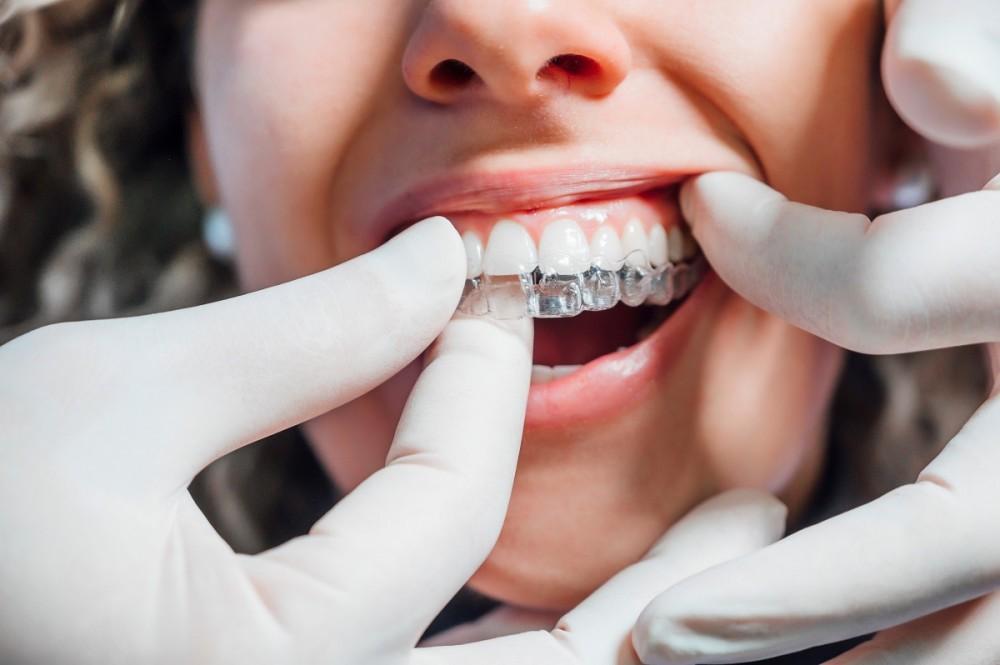
Why Don't Dentists Recommend Invisalign as a Permanent Fix Without Retention?
Dentists do not recommend Invisalign as a permanent fix without retention because the biology of teeth makes lifelong movement unavoidable without ongoing support. A review published in Seminars in Orthodontics summarized the scientific consensus clearly: orthodontists cannot predict which patients will relapse and which will remain stable. Because of this unpredictability, the standard of care is to treat every patient as having a high potential for relapse and prescribe long-term retainer use accordingly.
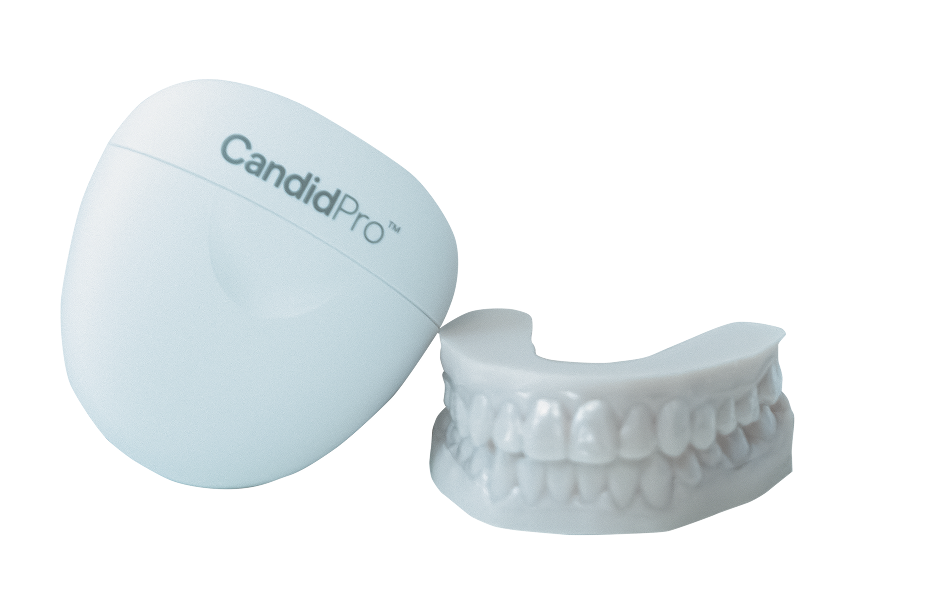
This is not a flaw in Invisalign specifically. The same principle applies to every form of orthodontic treatment. Traditional braces, lingual braces, and Candid invisible aligners all require post-treatment retention. The aligners straighten your teeth; the retainer is what keeps them there.
A publication in PubMed reviewing 10 years of post-treatment outcomes found that only 30 to 50 percent of orthodontic patients effectively retained satisfactory alignment at the 10-year mark, and that number dropped to roughly 10 percent after 20 years. Those numbers are not a failure of modern orthodontics; they reflect what happens when retainer use gradually decreases over the years. Patients who wear their retainers consistently over the long term maintain their results far better than those who wear them inconsistently or stop entirely.
How Long Does Bone Remodeling Take After Invisalign?
Bone remodeling after Invisalign takes anywhere from several months to a few years to fully stabilize. Research published in the National Library of Medicine (NIH/PMC) found that periodontal ligament reorganization occurs in roughly 3 to 4 months, but gingival fibers need about 6 months to reorganize. Alveolar bone maturation, the actual hardening of the jaw around the new tooth positions, takes considerably longer, with some research suggesting the full process spans months to years. The elastic oxytalan fibers specifically can take up to 6 years to reorganize, which is why orthodontists emphasize retainer use well beyond the first year after treatment.
The Biggest Cause: Not Wearing Your Retainer as Prescribed
The biggest cause of teeth moving after Invisalign is not wearing your retainer as prescribed. This is the most common, most controllable, and most preventable reason for orthodontic relapse. Research from Sharp Orthodontics indicates that patients who neglect retainers in the first year after treatment are up to five times more likely to experience significant relapse compared to patients who wear them consistently.
Most providers recommend full-time retainer wear (20 to 22 hours per day) for the first 6 months after treatment, followed by a transition to nighttime-only wear. After that initial period, many orthodontists advise wearing a retainer every night indefinitely. This sounds like a big commitment, but nighttime-only wear is simple to maintain once it becomes a habit, and it is far easier than going through orthodontic treatment a second time.
The first 6 months after Invisalign are the most critical window. Teeth are at their highest risk of relapse during this period because the bone around them is still hardening and the periodontal ligament is still remodeling. Consistent retainer wear during these months has the biggest impact on long-term stability.
Discomfort and forgetfulness are the two most commonly reported reasons patients stop wearing their retainers, according to compliance research published in PMC. Small strategies help: keeping the retainer case on your nightstand, tying retainer insertion to an existing habit like brushing your teeth before bed, and setting a phone reminder for the first few weeks until the routine sticks. Retainer apps are also available to help track wear time and send reminders. If your retainer becomes uncomfortable or no longer fits properly, replace it. A worn-down retainer that no longer sits correctly is not protecting your results.
How Many Trays Is 2 Years of Invisalign?
Two years of Invisalign typically involves anywhere from 26 to 50 or more trays, depending on the complexity of the case and the tray change schedule, which is usually every 1 to 2 weeks. Most Invisalign treatment protocols fall between 6 months and 22 months, with longer cases involving more significant tooth movement requiring more trays. Cases that run close to two years are generally in the moderate to complex category, involving significant bite correction, closing large gaps, or addressing substantial crowding.
Longer treatment times often involve more complex tooth movements, and those teeth tend to have stronger "orthodontic memory" pulling them back. This makes retainer compliance especially important for patients who completed longer courses of treatment. The more work your teeth had to do to get to their final position, the more motivated they are to drift back without retention. If you want to read more about what affects treatment length, our post on how long Invisalign takes to straighten teeth covers this in detail.
Other Causes of Teeth Moving After Invisalign
Beyond retainer non-compliance, several other factors contribute to teeth shifting after Invisalign. Understanding them helps you take the right protective steps beyond just wearing your retainer.
Natural Aging and Lifelong Tooth Movement
Natural aging causes slow but constant changes in the mouth that affect tooth alignment, even in patients who have never had orthodontic treatment. As we age, the lower jaw narrows slightly, bone density changes, gum tissue shifts, and the cumulative pressure of years of chewing gradually compresses the dental arch. A study published in PubMed found that roughly 25 percent of tooth displacements observed 12 years after orthodontic treatment were not relapse at all but rather normal age-related growth changes. This means some level of movement over decades is simply unavoidable, and the right retainer schedule is how you stay ahead of it.
The lower front teeth are the most prone to age-related crowding, and this is true for people who have never had braces too. Nighttime retainer use is the most practical long-term tool for keeping this natural drift in check.
Teeth Grinding and Jaw Clenching
Teeth grinding (bruxism) and jaw clenching create powerful, repeated pressure on teeth that works directly against the alignment your treatment achieved. Research published in PMC found that high mechanical stress from bruxism can even cause fixed orthodontic retainers to fail at their bonding points, creating gaps where teeth can start to drift. For removable retainers, severe grinding wears the plastic down faster, reducing the retainer's effectiveness and lifespan.
A PMC study on bruxism and clear aligners found that 33 percent of patients reported more clenching and grinding during the first 3 months of aligner treatment, with that number decreasing to 19 percent by 6 months. After treatment ends and aligners are no longer worn around the clock, grinding pressure is no longer cushioned by the trays. A custom night guard is the best solution for patients who grind. If you suspect you grind at night, mention it at your next teeth cleaning appointment so your provider can assess wear patterns and recommend a protective appliance.
Keeping up with preventive dental care is one of the best things you can do to support long-term alignment stability.
For a broader look at how Invisalign compares to other options, the post on braces vs clear aligners covers the key differences in how each approach handles post-treatment retention.
Wisdom Teeth Eruption
Wisdom teeth that erupt after Invisalign treatment can push against the neighboring molars, creating a domino effect of pressure through the entire arch. Not all wisdom teeth cause this problem; some erupt with enough room and cause no disruption. But when there is not enough space in the jaw, wisdom teeth eruption is a genuine driver of post-treatment crowding, particularly in the lower front teeth. If your wisdom teeth have not yet come in, ask your provider during a check-up whether they are likely to affect your alignment and whether extraction might be advisable to protect your results.
Gum Disease and Bone Loss
Gum disease causes the bone and connective tissue supporting the teeth to break down. As that support erodes, teeth lose their structural anchor and become more susceptible to movement under everyday forces like chewing and speaking. According to data cited in the NIH, about 47 percent of adults aged 30 and older in the United States have some form of periodontal disease. This is a significant population of Invisalign patients who carry an elevated risk of post-treatment movement if gum disease is not treated and managed. Good oral hygiene habits, regular cleanings, and prompt treatment of any gum problems are essential to protecting your results long term. Fluoride treatments also help reinforce enamel and support the overall health of supporting tooth structures during and after orthodontic treatment.
Oral Habits and External Pressures
Habits like nail biting, chewing on pens, using your teeth to open packaging, and tongue thrusting all apply repeated pressure to teeth from angles they were not designed to handle. Over months and years, these pressures can nudge teeth out of their aligned positions. Tongue thrusting specifically pushes the front teeth forward during swallowing and speaking, and it is a common contributor to front teeth spacing reopening after orthodontic treatment. If any of these habits apply to you, addressing them after treatment is just as important as wearing your retainer.
Comparing Retainer Types and Their Effectiveness Against Relapse
Retainer TypeHow It WorksRelapse Prevention StrengthKey ConsiderationClear Vacuum-Formed Retainer (Essix/Vivera)Custom clear plastic tray worn over teethHigh (with consistent wear)Most common after Invisalign; needs replacement every 1-3 yearsHawley RetainerWire and acrylic plate; wire spans front teethHigh (with consistent wear)Durable; slightly more visible; allows minor settlingFixed/Bonded Lingual RetainerThin wire bonded to back of teeth permanentlyVery High (requires no patient compliance)Best long-term stability; needs monitoring for bond failureNo RetainerN/ANoneRelapse can begin within days to weeks
Sources: PMC (Orthodontic Relapse and Retention Review, 2023); Seminars in Orthodontics (2025); American Journal of Orthodontics and Dentofacial Orthopedics; PubMed (Retention and Relapse in Clinical Practice)
Does Anyone Ever Finish Invisalign Early?
Yes, some patients do finish Invisalign early when their teeth move faster than the original treatment plan projected. This can happen because individual biology varies significantly; some patients have more responsive bone and tissue that remodels quickly. Simple cases with minor gaps or mild crowding sometimes resolve ahead of schedule. When this happens, the provider may reduce the total number of trays needed or complete treatment without additional refinement aligners.
Finishing early does not reduce the importance of post-treatment retention. In fact, teeth that responded quickly to aligner pressure often have highly responsive tissue, meaning they can also move back more readily without retention. Whatever the treatment length, the retention phase is just as critical. At our practice in Hialeah, we find that patients who come in for their post-treatment follow-up appointments are better equipped to catch any early signs of movement and address them before they become a larger issue. A simple check-in with your provider is the easiest and most effective prevention tool available.
Can Invisalign Fix TMJ Issues?
Invisalign can sometimes help TMJ issues when the jaw pain or discomfort stems from a misaligned bite, because correcting the bite reduces the uneven forces placed on the temporomandibular joint. However, Invisalign is not a TMJ treatment, and it does not directly address jaw joint problems. If your TMJ symptoms are caused by structural joint damage, muscle tension, or bruxism rather than bite misalignment, Invisalign alone will not resolve them. A proper TMJ evaluation is needed before assuming that orthodontic treatment will provide relief. If you have jaw discomfort alongside bite concerns, mention it during your consultation so your provider can assess whether alignment correction is likely to help or whether you need a separate treatment path.
Can Invisalign Realign the Jaw?
Invisalign can realign the jaw in a functional sense by correcting bite relationships like overbite, underbite, and crossbite, which changes how the upper and lower jaws fit together when you close your mouth. These bite corrections can alter the profile of the lower face in noticeable ways for some patients. What Invisalign cannot do is reposition the jaw joint itself or change skeletal bone structure the way surgical orthodontic procedures can. For patients with moderate bite misalignment, Invisalign produces real jaw realignment results. For patients with severe skeletal discrepancies, a combination of orthodontics and surgical intervention may be the appropriate path. Your provider will clarify which category applies to your specific bite during a consultation for clear aligners.
What Is the Hardest Tooth to Move with Invisalign?
The hardest tooth to move with Invisalign is the upper canine, particularly when it needs significant bodily movement or rotation. Canines have long, single roots that anchor deeply into the jawbone, making them resistant to controlled tipping and rotation forces. Upper lateral incisors with unusual root shapes can also be challenging. Teeth that need complex three-dimensional movements, large rotations, or significant vertical adjustments are where clear aligner limitations are most likely to require attachments (small tooth-colored ridges bonded to specific teeth) to provide additional leverage and control. Your Invisalign ClinCheck treatment plan will specify which movements are planned for which teeth and whether attachments are included.
What to Do If Your Teeth Have Already Moved After Invisalign
If your teeth have already moved after Invisalign, start by putting your retainer back in immediately, as long as it still fits. If it feels tight but slides over your teeth, wear it consistently and the mild pressure may help guide teeth back toward their aligned position. Do not force a retainer onto teeth if it no longer fits at all; forcing an ill-fitting retainer can cause damage. Contact your provider instead.
For minor relapse caught within a few months of stopping retainer wear, consistent retainer use often resolves the issue without any additional treatment. For more significant shifts, a short course of refinement aligners is typically sufficient to restore alignment. A 2024 retrospective study published in the American Journal of Orthodontics and Dentofacial Orthopedics found that 72 percent of Invisalign patients required additional refinement aligners during their initial treatment; a similar principle applies to retreatment for relapse cases, where targeted correction is usually shorter and simpler than the original treatment course.
For patients whose relapse has progressed to significant misalignment over years without retention, a new full course of adult orthodontics may be needed. The positive side is that teeth that have been straightened before tend to respond to orthodontic forces faster the second time because the supporting structures retain some memory of the corrected position. The worst outcome is waiting too long and allowing movement to compound into a more complex correction. Act early, and the solution stays simple.
How Painful Is Invisalign on a Scale of 1 to 10?
Invisalign is typically a 2 to 4 out of 10 on a pain scale for most patients. The most discomfort occurs in the first few days after switching to a new tray, as controlled pressure begins pushing teeth into the next planned position. This pressure is usually described as soreness or tightness rather than sharp pain. It generally eases within two to three days as teeth settle into the new aligner. Some patients rate their experience closer to 1 to 2 throughout treatment, while others with more complex corrections or sensitive teeth may reach a 4 to 5 during tray transitions. Traditional braces tend to produce more continuous discomfort from wires and brackets than Invisalign does from smooth plastic trays.
Frequently Asked Questions
Why Do My Teeth Still Move After Invisalign Even With a Retainer?
Teeth may still move after Invisalign even with a retainer if the retainer is not fitting correctly, has worn down, or is not being worn long enough each day. Very slight changes over years are also part of the normal aging process and can occur even in diligent retainer users. If you notice visible movement despite consistent retainer wear, have your retainer checked for fit and consider whether replacement is due. Most clear retainers need to be replaced every one to three years as the plastic degrades.
What Is the Biggest Complaint About Invisalign?
The biggest complaint about Invisalign is the discipline required to wear the trays consistently for 20 to 22 hours per day and to follow a careful post-meal hygiene routine. Many patients also find the first few days with a new tray uncomfortable as pressure builds on teeth. Others are frustrated when refinement aligners extend the expected treatment timeline. Data shows that patient satisfaction with Invisalign still averages 8.7 out of 10, meaning the vast majority find the inconveniences worth the result.
What Is the Failure Rate of Invisalign?
The failure rate of Invisalign as a standalone treatment is roughly 10 to 20 percent, meaning that proportion of patients either do not complete treatment as planned or require a switch to traditional braces to finish complex corrections. A 2023 study published in the American Journal of Orthodontics and Dentofacial Orthopedics found that 17.2 percent of Invisalign patients transitioned to braces during treatment. Separately, 72 percent required additional refinement aligners. These numbers do not mean Invisalign fails; they reflect the complexity of orthodontic movement and the natural adjustments made during treatment to achieve the best possible result.
How Many Hours a Day Do Most People Wear Invisalign?
Most Invisalign patients are instructed to wear their aligners 20 to 22 hours per day during active treatment, with the remaining 2 to 4 hours used for eating, drinking anything other than water, and oral hygiene. The clinical standard set by Align Technology specifies a minimum of 20 to 22 hours to maintain the planned tooth movement sequence. Consistently falling below 20 hours per day slows treatment progress and increases the likelihood of needing additional refinements or extended treatment time.
What Is the Hardest Week of Invisalign?
The hardest week of Invisalign is typically the first week of treatment, when your mouth is adjusting to having trays in for most of the day for the first time. Speech can feel slightly different, saliva production increases temporarily, and the pressure of the first tray is new and unfamiliar. Some patients also find the final few tray sets harder as more complex movements are completed. After the first week, most patients report that wearing aligners becomes second nature and stops feeling like a major disruption to daily life.
Does Anyone Finish Invisalign Early?
Yes, some patients finish Invisalign early when their teeth respond faster than the ClinCheck treatment plan predicted. Simpler cases involving minor spacing or crowding are most likely to complete ahead of schedule. Finishing early is a positive outcome, but it does not reduce the importance of the retention phase. Post-treatment retainer use is required regardless of whether treatment finished ahead of, on, or behind schedule.
Can Invisalign Fix TMJ Issues?
Invisalign can help TMJ issues in some cases where the root cause is a misaligned bite that places uneven strain on the temporomandibular joint. Correcting the bite through Invisalign can reduce that strain and ease related jaw discomfort. However, Invisalign is not a direct treatment for TMJ disorders. If jaw pain is caused by joint damage, muscle dysfunction, or bruxism, a separate evaluation and treatment plan is needed. Discuss any jaw symptoms with your provider before starting treatment so the right approach can be identified.
Putting It All Together
Teeth moving after Invisalign is not a mystery and it is not a failure. It is a predictable biological response to the removal of orthodontic pressure, driven primarily by the periodontal ligament's memory of where your teeth used to be. Studies confirm that 70 to 90 percent of orthodontic cases show some degree of relapse tendency, and after 10 years only 30 to 50 percent of patients maintain fully satisfactory alignment without long-term retention. The solution is simple: wear your retainer every night, get your teeth cleaned and examined regularly, address bruxism with a night guard if needed, and reach out to your provider the moment you notice any signs of shifting.
If you are ready to start Invisalign or want to have your current alignment checked after a period without consistent retention, we are here to help. At Castellanos Dental, we guide every patient through the full journey, from the first scan to the long-term retention plan that keeps your results lasting.
.png)
.png)

.png)


.png)

.png)
.png)
.png)
.png)

.png)
.png)
.svg)


