.png)
.svg)
.png)

Why Some Teeth Don't Respond to Whitening
.png)
.png)
Some teeth don't respond to whitening because the discoloration is intrinsic, meaning it lives inside the tooth structure rather than on the enamel surface. Intrinsic stains caused by medications like tetracycline, excess fluoride during childhood, dental trauma, thin enamel, or aging cannot be reached effectively by standard peroxide-based bleaching agents. Dental restorations like crowns, fillings, and veneers also do not change color with whitening products.
This guide explains every reason why whitening may not work on certain teeth, how to tell the difference between extrinsic and intrinsic stains, what alternatives exist for teeth that resist bleaching, and what you can do to get a brighter smile even when traditional whitening falls short.
Why Does Teeth Whitening Not Work for Some People?
Teeth whitening does not work for some people because their discoloration is caused by factors that bleaching agents cannot reach. Standard whitening products use hydrogen peroxide or carbamide peroxide to break down stain molecules on and within the enamel. But when the stain originates deep inside the dentin layer, beneath the enamel, these products have little to no effect.
According to the National Institutes of Health, intrinsic staining can be attributed to genetics, aging, antibiotics like tetracycline, high levels of fluoride exposure, and developmental disorders. These stains form during tooth development or after trauma, and they become part of the tooth's internal structure. A study published in Dentistry Today confirmed that whitening tetracycline-stained teeth and teeth with fluorosis has historically been nearly impossible with conventional whitening procedures.
The global teeth whitening market was valued at roughly $7.7 billion in 2025, according to Mordor Intelligence. With that many people whitening their teeth, a significant number discover that their particular type of staining does not respond. A dental exam before any whitening treatment is the best way to identify the type of stain and set realistic expectations.
Extrinsic vs. Intrinsic Stains: Why It Matters for Whitening
The difference between extrinsic and intrinsic stains is the single most important factor in whether whitening will work. Extrinsic stains sit on the outer enamel surface and are caused by coffee, tea, red wine, tobacco, berries, and dark sauces. These stains respond well to both professional and over-the-counter whitening because the bleaching agent can reach and break down the color molecules on the surface.
Intrinsic stains are embedded inside the tooth, within the dentin layer beneath the enamel. According to the American Dental Association, the removal of intrinsic stains within the dentin is considered near impossible using external whitening treatments. These stains are caused by tetracycline antibiotics taken during childhood, excessive fluoride exposure during tooth development, trauma to a tooth, or natural aging that darkens the dentin over time.
According to Cleveland Clinic, tooth discoloration is classified as either extrinsic, intrinsic, or a combination of both. Knowing which type you have determines whether whitening will work, whether you need a longer and more intensive whitening protocol, or whether a cosmetic alternative like veneers or bonding is the better solution.
Why Are My Teeth Still Yellow After Whitening?
Your teeth are still yellow after whitening because the discoloration may be intrinsic rather than extrinsic, meaning the stain is inside the tooth and not on the surface where bleaching agents work. Other reasons include thin enamel that allows the naturally yellow dentin to show through, dental restorations that do not change color, or not using a strong enough whitening product for the type of staining you have.
As enamel wears thinner with age, the yellowish dentin underneath becomes more visible. No amount of surface whitening will change the color of the dentin itself. According to the NIH, age-related yellowing is one of the most common forms of intrinsic staining and happens to virtually everyone over time. A Delta Dental 2024 survey found that 52% of adults rate tooth brightness as a top oral health priority, which means many people are whitening teeth that may need a different approach altogether.
If your teeth are still yellow after several whitening attempts, the best next step is a professional evaluation. A dentist can determine whether the yellow tone is coming from surface stains that need a stronger professional treatment or from the dentin layer, which would require a cosmetic solution like porcelain veneers or bonding to cover the discoloration.
Teeth That Resist Whitening Due to Medications
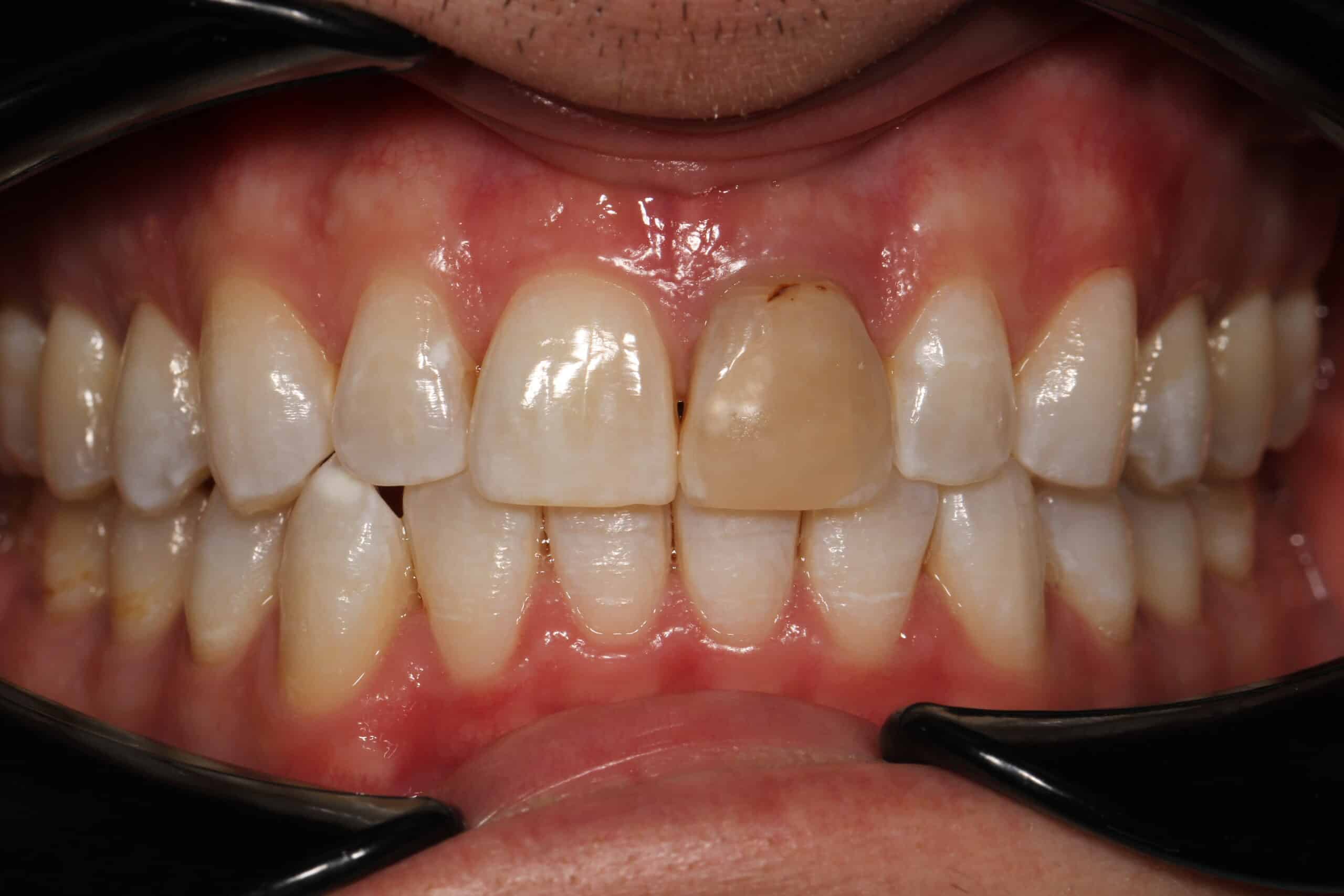
Teeth stained by medications, particularly tetracycline antibiotics, are among the hardest to whiten. Tetracycline binds with calcium during tooth development, creating a chemical complex that becomes permanently embedded in the dentin. According to Cleveland Clinic, tetracycline staining does not fade on its own and does not respond to typical whitening products or quick bleaching protocols.
The staining can range from mild yellow to dark gray or blue, depending on the dosage, the duration of exposure, and the stage of tooth development when the medication was taken. According to Healthline, a person using an overnight bleaching tray for normal discoloration might see results within six weeks, but someone with tetracycline-stained teeth might need 12 months of treatment, and the teeth still might not appear white.
Other medications that can cause intrinsic discoloration include certain antihistamines, antidepressants, and blood pressure drugs. If you suspect medication-related staining, a cosmetic consultation can help you explore options. For severe cases, dental bonding or veneers cover the discoloration completely rather than trying to bleach through it.
How Fluorosis Affects Whitening Results
Fluorosis affects whitening results because it changes the structure and appearance of the enamel itself. Fluorosis occurs when a person is exposed to too much fluoride during tooth development, which can leave white spots, brown patches, or a mottled appearance on the teeth. These marks are part of the enamel structure and do not respond to standard bleaching the way normal surface stains do.
According to the CDC, approximately 23% of Americans aged 6 to 49 have some form of dental fluorosis, though most cases are mild. Mild fluorosis may appear as faint white streaks that become more noticeable after whitening because the surrounding enamel lightens while the fluorosis spots stay the same shade. This can actually make the teeth look worse after treatment, not better.
A dentist experienced with fluorosis can recommend the right approach, which might include microabrasion (removing a thin layer of enamel to reduce the appearance of white spots), a combination of whitening and bonding, or veneers for more severe cases. A cosmetic dentistry evaluation is the first step to finding the right solution.
Can Yellow Teeth Actually Be Whitened?
Yes, yellow teeth can actually be whitened in most cases, especially when the yellowing is caused by surface stains from coffee, tea, wine, tobacco, or food pigments. These extrinsic stains respond very well to professional whitening treatments. According to the ADA, hydrogen peroxide and carbamide peroxide break stain molecules into smaller pieces, making the color less concentrated and your teeth brighter. In-office treatments can lighten teeth by up to eight shades in a single session.
Yellow teeth caused by aging are also treatable, though the results may be less dramatic. As enamel thins with age, the yellow dentin shows through more, and whitening can only do so much to counteract this natural process. However, professional whitening combined with take-home touch-up trays can still produce a noticeable improvement for most patients.
The yellow teeth that are hardest to whiten are those stained by medications or those with very thin enamel. In these cases, professional teeth whitening may still lighten the shade somewhat, but cosmetic alternatives like veneers or bonding deliver more predictable and complete results.
Why Dental Restorations Do Not Respond to Whitening
Dental restorations do not respond to whitening because materials like porcelain, composite resin, and metal are not porous like natural enamel. Crowns, veneers, fillings, bridges, and bonding material stay the same color they were when they were placed, regardless of how much bleaching gel is applied.
According to the ADA MouthHealthy resource, whitening will not work on caps, veneers, crowns, or fillings. If you have restorations on your front teeth and whiten your natural teeth, the color difference between the whitened natural teeth and the unchanged restorations can become very noticeable. This is one of the most common reasons patients are surprised after whitening.
The solution is to whiten your natural teeth first to reach your desired shade, and then have your restorations replaced to match the new color. A smile design approach coordinates whitening with any necessary cosmetic updates so your final result looks natural and even across your entire smile.
How Thin Enamel Limits Whitening Effectiveness
Thin enamel limits whitening effectiveness because the enamel is the layer that reflects light and gives teeth their white appearance. When enamel is worn down by acid erosion, grinding, aggressive brushing, or simply aging, the darker dentin underneath shows through more prominently. Whitening agents work on the enamel surface, so there is less material for the bleaching agent to lighten.
A 2014 study published in the journal Operative Dentistry found that cracked or micro-abraded enamel allows more peroxide to reach the dentin layer, which can cause sensitivity and pain rather than effective whitening. This is why patients with thin enamel need careful evaluation before any bleaching procedure.
Strengthening the enamel with fluoride treatments before whitening can help, and using a lower-concentration gel with shorter application times reduces the risk of irritation. If enamel loss is significant, veneers or bonding provide a more predictable cosmetic outcome than trying to bleach thin enamel.
What Cancels Out Yellow Teeth?
What cancels out yellow teeth depends on the cause of the yellowing. For surface stains from food, drinks, and tobacco, professional whitening with hydrogen peroxide or carbamide peroxide cancels out the discoloration by breaking down stain molecules and making the color less concentrated. For deeper yellowing caused by aging, medications, or thin enamel, cosmetic treatments like veneers, bonding, or crowns cover the discoloration and create a bright, even shade.
Good oral hygiene also plays a role. According to a 2020 systematic review cited by the ADA, whitening toothpastes use mild abrasives and low levels of peroxide to help lighten surface stains over time, though they are less effective than professional treatments. A regular professional teeth cleaning removes plaque and tartar buildup that traps staining particles, which helps keep teeth looking brighter between whitening treatments.
Does Brushing 2 Times a Day Whiten Teeth?
Brushing 2 times a day does not whiten teeth in the way professional whitening does, but it does help prevent new stains from forming and removes surface discoloration before it sets in. Regular brushing with a fluoride toothpaste keeps your enamel clean and healthy, which allows your natural tooth color to show through. A whitening toothpaste can lighten teeth by about one to two shades over time, according to the NIH.
Brushing alone cannot remove intrinsic stains or reverse yellowing caused by aging, medications, or thin enamel. It is a prevention tool, not a treatment tool. For noticeable whitening results, professional treatment is far more effective. Patients in Hialeah who brush diligently but still see yellow teeth often discover during a dental visit that their discoloration is intrinsic and requires a different approach.
Extrinsic vs. Intrinsic Stains: Treatment Response Comparison
FactorExtrinsic Stains (Surface)Intrinsic Stains (Internal)LocationOuter enamel surfaceInside the dentin layer, beneath enamelCommon CausesCoffee, tea, wine, tobacco, berries, saucesTetracycline, fluorosis, trauma, aging, geneticsResponse to WhiteningResponds well to professional and OTC whiteningPoor or no response to standard whiteningTreatment Time1 session (in-office) or 2-4 weeks (at-home)Months of intensive whitening, if whitening works at allBest Treatment OptionProfessional in-office whitening or custom traysVeneers, bonding, crowns, or extended whitening protocolsCan Brushing Help?Prevents new stains; whitening toothpaste lightens 1-2 shadesNo effect on intrinsic stainsResults With OTC ProductsMild to moderate improvement over several weeksLittle to no improvement
Sources: American Dental Association, National Institutes of Health, Cleveland Clinic, Dentistry Today, Journal of Esthetic and Restorative Dentistry
How Many Days Should You Whiten Your Teeth?
You should whiten your teeth for the number of days recommended by your dentist based on the type and concentration of the whitening product. For professional in-office whitening, one session of 45 to 90 minutes is usually enough. For custom take-home trays with 10% to 22% carbamide peroxide, the typical duration is one to two weeks of daily use, 30 to 60 minutes per day. Over-the-counter strips are usually applied for 14 to 30 days.
According to a study published in the Journal of Evidence-Based Dental Practice, the best approach is to follow an in-office treatment with periodic home-based touch-ups. Over-whitening by extending treatment beyond the recommended days can weaken enamel, increase sensitivity, and give teeth a translucent or chalky look. Always follow your dentist's instructions and stop if you experience significant sensitivity.
Alternatives When Whitening Does Not Work
When whitening does not work, the most effective alternatives are porcelain veneers, dental bonding, and dental crowns. These cosmetic treatments cover or replace the discolored tooth surface rather than trying to bleach through a stain that will not respond to peroxide.
Veneers are thin porcelain shells bonded to the front of the teeth. They cover intrinsic stains completely and can be customized to any shade. According to the American Academy of Cosmetic Dentistry, veneers are one of the most popular cosmetic dental procedures for patients whose teeth resist whitening. Porcelain veneers are also stain-resistant, which means they stay bright longer than natural tooth enamel.
Cosmetic bonding uses tooth-colored composite resin to cover discolored areas. It is less expensive than veneers and works well for individual teeth or smaller stains.
For teeth with both structural damage and deep discoloration, a dental crown covers the entire visible tooth and restores both appearance and function.
How Long Should You Let Peroxide Sit on Your Teeth?
You should let peroxide sit on your teeth for the exact amount of time recommended by the product manufacturer or your dentist. For professional in-office gels with 25% to 40% hydrogen peroxide, the application time is typically 15 to 20 minutes per cycle, with two to three cycles per session. For take-home trays with 10% carbamide peroxide, the recommended time is usually 30 to 60 minutes per day or overnight, depending on the formula.
Leaving peroxide on your teeth longer than directed does not make them whiter faster. A study from the National Library of Medicine found that lower-concentration gels left on for longer periods can actually cause more enamel surface changes than higher-concentration gels used for shorter times. Over-application leads to sensitivity, enamel weakening, and gum irritation without any added whitening benefit.
Can Peroxide Fix Yellow Teeth?
Yes, peroxide can fix yellow teeth when the yellowing is caused by surface stains from food, drinks, and tobacco. Hydrogen peroxide and carbamide peroxide are the active ingredients in virtually all effective whitening products. They work by penetrating the enamel and breaking down the colored molecules that cause discoloration. According to the ADA, these bleaches make the color less concentrated and your teeth brighter.
Peroxide is less effective on yellow teeth caused by aging, thin enamel, or medications. In those cases, it may lighten the shade somewhat but will not produce the dramatic results that patients with surface staining see. Combining a whitening treatment with cosmetic options gives patients with deeper yellowing the best overall outcome.
Frequently Asked Questions
What Is the Quickest Way to Whiten Your Teeth?
The quickest way to whiten your teeth is professional in-office bleaching. This procedure uses a high-concentration hydrogen peroxide gel activated by an LED or laser light and can lighten teeth by up to eight shades in a single appointment of 45 to 90 minutes. No over-the-counter product can match the speed or intensity of professional in-office whitening.
Do I Brush My Teeth Before or After Hydrogen Peroxide?
You should brush your teeth before applying hydrogen peroxide. Brushing removes plaque and food debris, which allows the whitening gel to contact the enamel directly and work more evenly. Wait at least 30 minutes after brushing before applying the peroxide to avoid irritating freshly brushed gum tissue. After the whitening session, rinse your mouth with water and wait before brushing again.
Can Trauma to a Tooth Cause It to Resist Whitening?
Yes, trauma to a tooth can cause it to resist whitening. When a tooth is hit or injured, bleeding can occur inside the tooth, which darkens the dentin permanently. According to the NIH, this internal discoloration does not respond to external whitening treatments. A dentist may recommend internal bleaching (placing a whitening agent inside the tooth after root canal treatment) or covering the tooth with a crown or veneer.
Will Whitening Make Fluorosis Spots More Visible?
Yes, whitening can make fluorosis spots more visible in some cases. The surrounding enamel may lighten while the fluorosis marks stay the same shade, creating a more noticeable contrast. A dentist can use microabrasion, bonding, or a combination approach to address fluorosis spots without making them stand out more. According to the CDC, approximately 23% of Americans aged 6 to 49 have some form of dental fluorosis.
How Do I Know if My Stains Are Intrinsic or Extrinsic?
You can tell if your stains are intrinsic or extrinsic by looking at their location and pattern. Extrinsic stains are typically brown or yellowish and appear on the surface, often concentrated where food and drink make the most contact. Intrinsic stains tend to be gray, blue, or dark yellow and affect the entire tooth evenly. A dentist can confirm the type during an exam by looking at the stain pattern, reviewing your medical history, and checking the condition of your enamel.
Can a Dead Tooth Be Whitened?
A dead tooth, also called a non-vital tooth, can sometimes be whitened using a procedure called internal bleaching. The dentist places a whitening agent inside the tooth through the root canal access point. This method can lighten the tooth from within. According to the ADA, internal bleaching is a recognized procedure for non-vital discolored teeth. If internal bleaching does not produce enough improvement, a crown or veneer can cover the remaining discoloration.
Is It Worth Whitening Teeth That Have Dental Work?
It is worth whitening teeth that have dental work only if you plan to replace the restorations afterward to match your new shade. Whitening will lighten your natural teeth but leave crowns, fillings, veneers, and bonding the same color. If you have visible restorations on your front teeth, your dentist can coordinate whitening with new restorations so everything matches. A professional whitening consultation includes this kind of planning.
Wrapping It Up
Not every tooth responds to whitening, and that is completely normal. The key is understanding why. Extrinsic stains from food, drinks, and tobacco almost always bleach well. Intrinsic stains from medications, fluorosis, trauma, thin enamel, or aging are a different story. They live inside the tooth where peroxide cannot easily reach them. Dental restorations do not change color at all. Once you know the cause of your discoloration, you can choose the right treatment, whether that is professional whitening, veneers, bonding, crowns, or a combination approach.
Castellanos Dental Aesthetics has over 25 years of experience helping patients across South Florida achieve the smile they want, even when traditional whitening is not enough. Call (305) 820-4080 to schedule a consultation and find out which approach will work best for your teeth.
.png)
.png)

.png)


.png)

.png)
.png)
.png)

.png)
.png)
.svg)


