.png)
.svg)
.png)

Why Do Teeth Get Sensitive and How to Treat It?
.png)
.png)
Teeth get sensitive when the hard outer layer of enamel wears down or gums pull back, exposing the softer dentin underneath. This allows hot, cold, sweet, or acidic foods and drinks to reach the tiny nerve endings inside your teeth, causing a sharp, sudden pain. Treatments range from desensitizing toothpaste and fluoride applications to dental bonding and gum grafts, depending on the cause. This article covers the main reasons teeth become sensitive, how dentists treat it, home remedies that actually help, and steps you can take right now to protect your smile.
What Causes Teeth to Become Sensitive?
The main causes of teeth becoming sensitive are enamel erosion, gum recession, tooth decay, teeth grinding, cracked teeth, and recent dental work. Each of these issues exposes the dentin layer of your tooth, which contains thousands of tiny tubes (called tubules) that lead directly to the nerve. When something hot, cold, or sweet touches those exposed tubules, pain follows.
According to a meta-analysis published in the Journal of Clinical Periodontology, the average prevalence of dentin hypersensitivity across all studies is about 33.5%, meaning roughly one in three adults deals with this problem at some point. A 2023 multi-country study funded by Haleon found that over half of 3,500 adults examined had clinical signs of dentin hypersensitivity.
Residents of Hialeah, Florida who enjoy iced cafecito or cold smoothies know exactly how tooth sensitivity can interrupt daily life. The good news is that most causes are treatable, especially when caught early during a preventive dentistry visit.
Does Enamel Erosion Cause Sensitive Teeth?
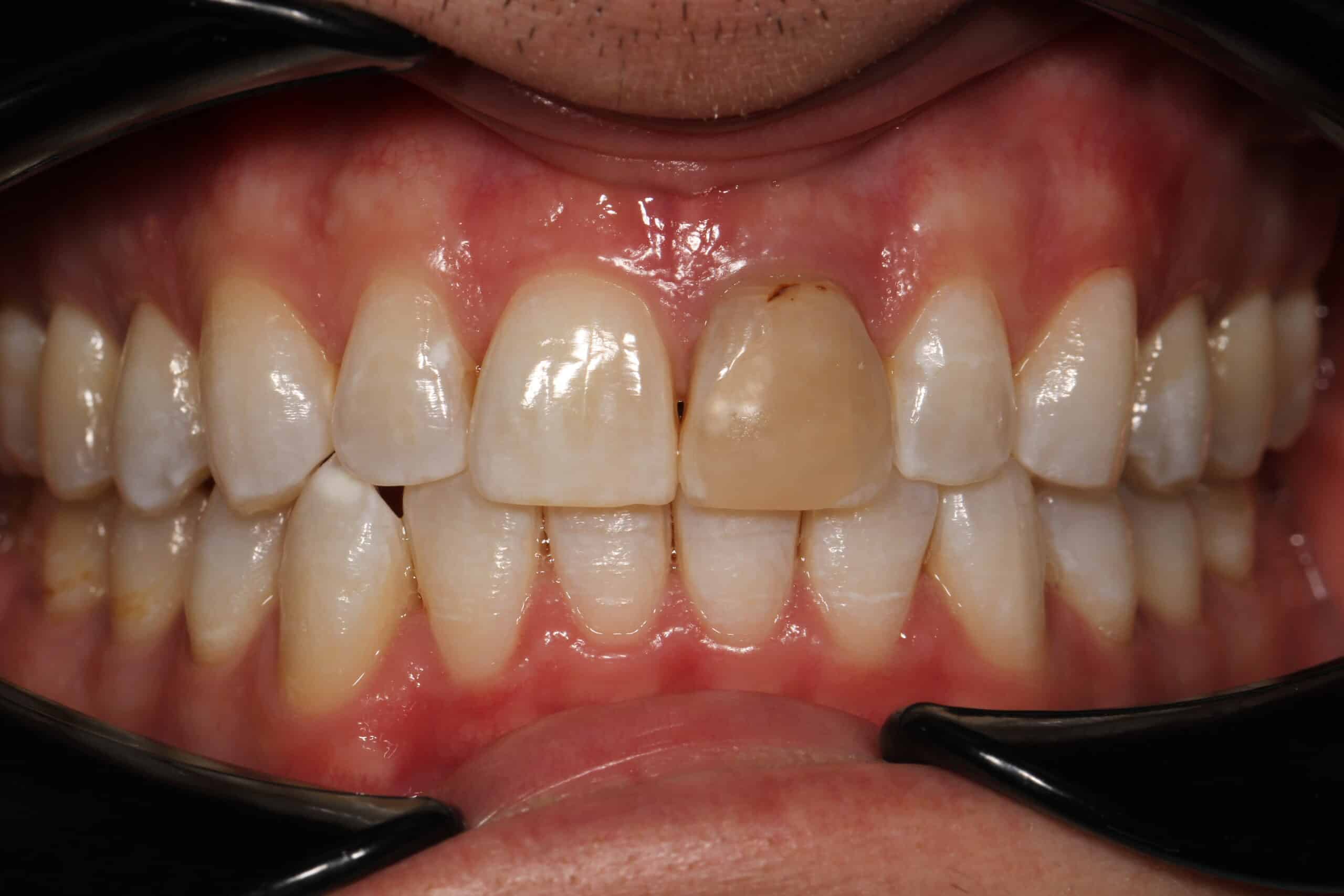
Yes, enamel erosion is one of the most common causes of sensitive teeth. Enamel is the hard, protective outer shell of every tooth. When it wears away, the softer dentin layer underneath becomes exposed, and that is where sensitivity starts.
Enamel can erode from acidic foods and drinks like citrus fruits, sodas, and sports drinks. A cross-sectional study published in BMC Oral Health found a significant link between frequent soft drink consumption and tooth sensitivity, with heavy soda drinkers facing nearly 1.7 times higher odds of sensitivity compared to non-drinkers. Aggressive brushing with a hard-bristled toothbrush is another major factor, as it physically strips enamel away over time.
Once enamel is gone, it does not grow back. That is why catching enamel loss early is so important. A dental exam can detect thinning enamel before sensitivity gets worse.
Can Gum Recession Make Your Teeth Sensitive?
Yes, gum recession can absolutely make your teeth sensitive. When gum tissue pulls back from the tooth, it exposes the root surface underneath. Tooth roots are not protected by enamel. They are covered by a much thinner layer called cementum, which wears away quickly and leaves the dentin wide open to triggers like temperature and pressure.
According to a 2024 epidemiological study published in the Journal of Dentistry, gum recession of 1 millimeter or more was found in nearly 88% of adults examined across seven European countries. That same study confirmed a strong statistical link between gum recession and dentin hypersensitivity. The American Dental Association notes that causes of gum recession include periodontal disease, aggressive brushing, tobacco use, oral piercings, and even hormonal changes during pregnancy or menopause.
Families across West Hialeah, Florida should pay attention to receding gums, especially because the warm climate encourages consumption of acidic tropical drinks that can speed up the process. Regular professional teeth cleanings help catch recession in its earliest stages.
Does Teeth Grinding Cause Tooth Sensitivity?
Yes, teeth grinding (also called bruxism) causes tooth sensitivity by wearing down enamel over time. When you clench or grind your teeth, the constant pressure chips away at the protective enamel layer and can even crack teeth, both of which expose the sensitive dentin underneath.
A 2024 systematic review and meta-analysis published in the International Journal of Environmental Research and Public Health found that the global prevalence of bruxism is about 22%, with sleep bruxism affecting roughly 21% of adults and awake bruxism affecting about 23%. According to the Sleep Foundation, people who grind their teeth during sleep can exert up to 250 pounds of force on their teeth, far more than the 70 pounds used during normal chewing.
Many people in Hialeah, FL do not even know they grind their teeth because it often happens during sleep. A dentist can spot the signs of grinding, like flattened tooth surfaces and worn enamel, during a routine exam. If grinding is an issue, a custom mouthguard can protect your teeth and reduce sensitivity over time.
Can Tooth Decay Lead to Sensitive Teeth?
Yes, tooth decay can lead to sensitive teeth because cavities create direct openings in the enamel that allow bacteria, temperature changes, and sugars to reach the dentin and the nerve inside the tooth. Even small cavities can trigger sharp pain when you eat or drink something sweet, cold, or hot.
According to data from the National Health and Nutrition Examination Survey (NHANES), about 90% of adults aged 20 and older in the United States have had at least one cavity in their lifetime. Untreated cavities do not just cause sensitivity; they can progress into infections that require more serious treatment like a root canal.
The best way to prevent decay-related sensitivity is to keep up with regular dental visits. If you are a new patient in the Hialeah area, Castellanos Dental Aesthetics makes the intake process simple so you can get ahead of problems before they start.
Why Are My Teeth Sensitive After Whitening?
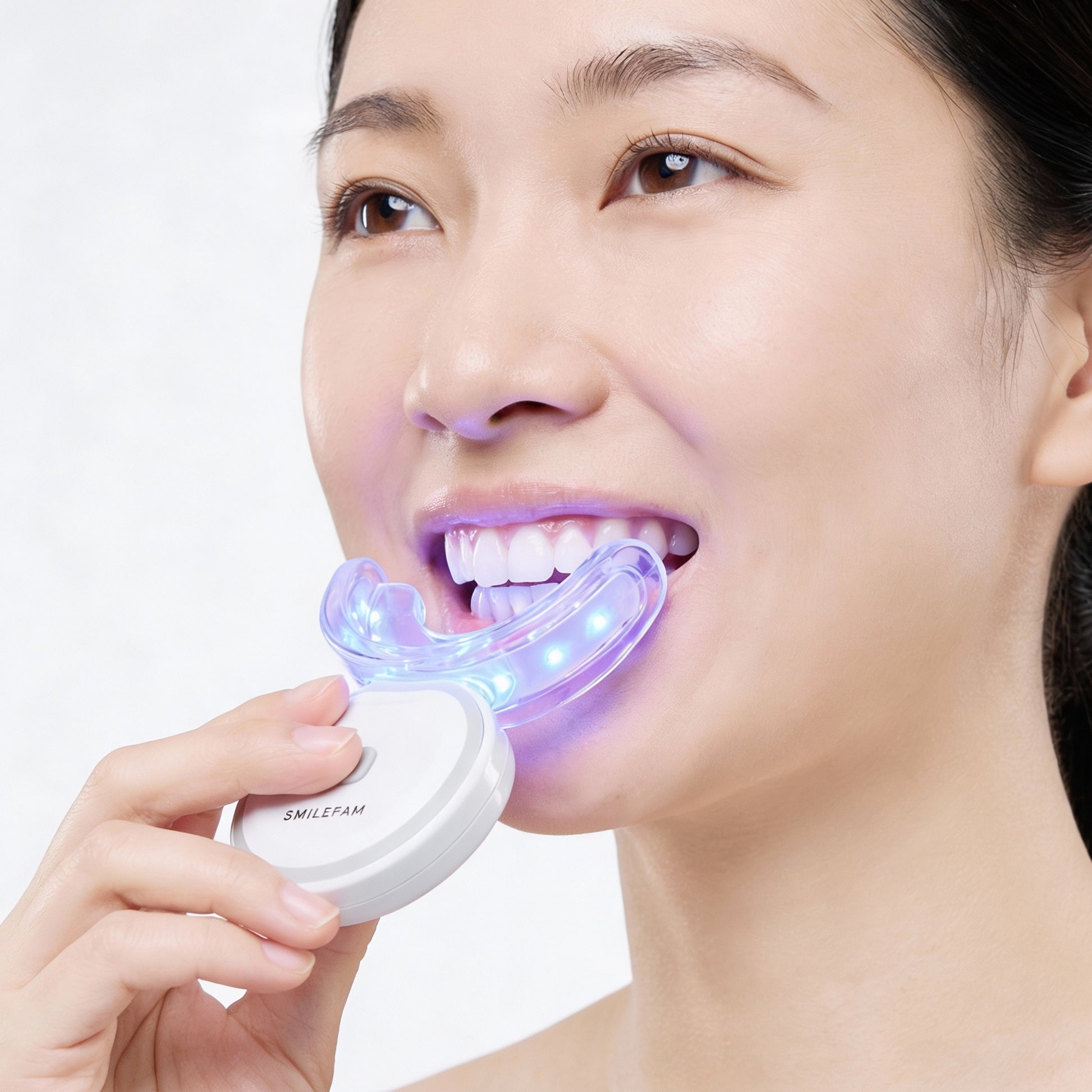
Teeth are sensitive after whitening because the bleaching agents in whitening products temporarily penetrate the enamel and irritate the nerve endings inside the dentin. This is one of the most common side effects of both in-office and at-home whitening treatments.
A 2025 study published in Clinical Oral Investigations found that adding 2% sodium fluoride to in-office bleaching gel helped reduce cold sensitivity after 90 days without affecting the whitening results. The American Dental Association also notes that whitening-related sensitivity is usually short-lived and fades within a few days to a couple of weeks.
If you are thinking about brightening your smile, professional teeth whitening done under a dentist's supervision is safer than over-the-counter products because the dentist can control the concentration and apply protective agents to reduce sensitivity.
What Are the Best Treatments for Sensitive Teeth?
The best treatments for sensitive teeth include desensitizing toothpaste, professional fluoride applications, dental bonding, sealants, gum grafts, and in severe cases, root canal therapy. The right treatment depends entirely on what is causing the sensitivity.
The Journal of the American Dental Association recommends starting with desensitizing toothpaste containing potassium nitrate or stannous fluoride, which block pain signals from the tooth surface to the nerve. For more serious cases, in-office fluoride varnishes and gels provide a stronger protective barrier. Research published in Clinical Oral Investigations confirms that stannous fluoride toothpaste reduced dentin hypersensitivity significantly after just four weeks of daily use compared to standard toothpaste.
Here is a breakdown of common treatments and how they work:
TreatmentHow It WorksBest ForDesensitizing ToothpasteBlocks nerve signals with potassium nitrate or stannous fluorideMild, general sensitivityProfessional Fluoride ApplicationStrengthens enamel and seals exposed dentin tubulesModerate sensitivity, enamel erosionDental Bonding or SealantsCovers and protects exposed root surfaces or dentinGum recession, localized sensitivityGum Graft SurgeryReplaces lost gum tissue to cover exposed rootsSignificant gum recessionCustom MouthguardPrevents enamel wear from grinding and clenchingBruxism-related sensitivityRoot Canal TherapyRemoves the damaged nerve inside the toothSevere, persistent sensitivity
Sources: Journal of the American Dental Association, Cleveland Clinic, Johns Hopkins Medicine, Clinical Oral Investigations
At Castellanos Dental Aesthetics in Hialeah, the team evaluates the root cause of your sensitivity before recommending any treatment, so you get a solution that actually works for your situation.
Does Desensitizing Toothpaste Really Work?
Yes, desensitizing toothpaste really works for many people with mild to moderate tooth sensitivity. It works by using active ingredients like potassium nitrate and stannous fluoride to block the tiny tubules in the dentin or calm the nerve signals inside the tooth.
According to Johns Hopkins Medicine, several brands of desensitizing toothpaste are available, and you may need to try different ones to find the best fit. Most people notice results after using the toothpaste consistently for two to four weeks. The key is daily, consistent use; applying it once and expecting instant results will not work.
For extra relief, the American Dental Association suggests rubbing a small amount of desensitizing toothpaste directly onto the sensitive areas before bed and leaving it on overnight. This gives the active ingredients more contact time with the tooth surface.
Can Fluoride Treatments Help Sensitive Teeth?
Yes, fluoride treatments can help sensitive teeth by strengthening weakened enamel and blocking the tiny tubules in the dentin that allow pain signals to reach the nerve. Professional fluoride treatments applied by a dentist are much stronger than what you get in regular toothpaste or mouthwash.
A review published in Clinical Oral Investigations found that fluoride varnishes and gels effectively reduce sensitivity, especially when applied regularly. Research also shows that stannous fluoride works by forming a protective layer over exposed dentin, physically sealing the tubules shut. Fluoride treatments are quick, painless, and can be done during a routine dental visit.
For patients in the Hialeah, Florida area who deal with ongoing sensitivity, professional fluoride applications two to four times per year can make a real difference in comfort and enamel strength.
What Home Remedies Help with Sensitive Teeth?
Home remedies that help with sensitive teeth include saltwater rinses, desensitizing toothpaste, switching to a soft-bristled toothbrush, avoiding acidic foods and drinks, and using a fluoride mouthwash. These are simple steps you can start today while you wait for a dental appointment.
A warm saltwater rinse (half a teaspoon of salt in a cup of warm water) is one of the simplest remedies. Salt water reduces inflammation, kills harmful bacteria, and helps restore the natural pH balance in your mouth. Swish it around for about 30 seconds, twice a day.
Switching to a soft-bristled toothbrush and using gentle, circular brushing motions prevents further enamel wear and gum damage. Brushing too hard is one of the most common habits that makes sensitivity worse, and simply changing your technique can provide noticeable relief within weeks.
Limiting acidic foods and drinks like citrus, soda, pickles, and tomato-based sauces also helps protect enamel. If you do consume something acidic, rinse your mouth with plain water afterward, but wait at least 30 minutes before brushing since enamel is more vulnerable right after acid exposure.
Is Tooth Sensitivity a Sign of a Cavity?
Yes, tooth sensitivity can be a sign of a cavity, especially if the sensitivity is focused on one specific tooth and gets worse over time. Cavities break through the enamel and create a direct pathway to the dentin, which triggers pain when exposed to hot, cold, or sweet foods.
However, sensitivity does not always mean you have a cavity. It can also be caused by gum recession, enamel erosion, grinding, or recent dental work. The only way to know for sure is to have a dentist examine the tooth. According to Cleveland Clinic, sensitivity that comes and goes can be normal, but consistent or intense sensitivity is a reason to schedule a visit right away.
If you have a sensitive tooth that has been bothering you, a tooth-colored filling can repair the cavity and stop the sensitivity for good.
Can Sensitive Teeth Be Cured Permanently?
Sensitive teeth can often be cured permanently, depending on the underlying cause. If the sensitivity comes from a cavity, a filling or crown solves the problem. If it comes from gum recession, a gum graft can cover the exposed root. If grinding is the cause, a mouthguard combined with enamel-strengthening treatments can stop further damage.
For sensitivity caused by general enamel wear, the condition can be managed very effectively with ongoing care, but complete permanent reversal is harder because enamel does not regenerate. According to the Oral Health Foundation, consistent use of desensitizing products and regular dental care can bring sensitivity down to a level where it no longer affects daily life.
The team at Castellanos Dental Aesthetics has been helping patients in West Hialeah find lasting relief from tooth sensitivity since 1998. With over 25 years of experience, Dr. Castellanos focuses on identifying the exact cause so the treatment actually addresses the problem, not just the symptom.
Do Dental Sealants Help Prevent Tooth Sensitivity?
Yes, dental sealants help prevent tooth sensitivity by creating a thin, protective barrier over the chewing surfaces of teeth. Sealants block bacteria, acids, and temperature changes from reaching the enamel and dentin underneath.
According to the Centers for Disease Control and Prevention (CDC), dental sealants reduce the risk of cavities in molars by about 80% in the first two years after application. Since cavities are a leading cause of tooth sensitivity, preventing them with sealants indirectly protects against sensitivity too.
Dental sealants are especially useful for children and teens, but adults with deep grooves in their molars can benefit as well. The application is quick, painless, and done right in the dental chair.
How Does Gum Disease Lead to Sensitive Teeth?
Gum disease leads to sensitive teeth by causing the gum tissue to pull away from the teeth, exposing the unprotected root surfaces. As the disease progresses, it can also destroy the bone that supports the teeth, making sensitivity worse and eventually threatening tooth stability.
Analysis of NHANES data reported by the American Dental Association shows that roughly 42% of adults aged 30 and older in the United States have some form of periodontal disease. As gum disease advances, pockets form between the teeth and gums, allowing bacteria to attack deeper structures. The roots exposed by this process are far more sensitive than enamel-covered surfaces because they lack that hard protective layer.
In Hialeah, FL, where many families juggle busy schedules, it is easy to skip dental visits. But catching gum disease early with regular oral health screenings can stop the chain reaction that leads to sensitivity, bone loss, and tooth loss.
Should I See a Dentist for Sensitive Teeth?
Yes, you should see a dentist for sensitive teeth, especially if the sensitivity lasts longer than a couple of weeks, is getting worse, or is concentrated in one specific tooth. While mild, occasional sensitivity can be normal, persistent pain is your body's way of telling you something deeper is going on.
A dentist can determine whether the sensitivity is caused by something simple like enamel wear or something more serious like a cracked tooth, a cavity, or gum disease. According to Cleveland Clinic, treatments range from desensitizing toothpaste for mild cases to fluoride gels, bonding, gum grafts, or even root canal therapy for severe situations.
Do not wait until the pain becomes unbearable. Early treatment is almost always simpler, faster, and more affordable than waiting. If you live in or near Hialeah, Florida, the team at Castellanos Dental Aesthetics is ready to help you figure out what is going on and get you comfortable again.
Frequently Asked Questions
Why Are My Teeth Suddenly Sensitive to Cold in Hialeah?
Teeth that are suddenly sensitive to cold in Hialeah could be caused by enamel erosion, a cracked tooth, a new cavity, gum recession, or recent dental work. The warm South Florida climate encourages cold drinks and ice cream, which are common triggers. According to Cleveland Clinic, cold sensitivity is the most frequently reported trigger for dentin hypersensitivity. If the cold sensitivity came on suddenly and does not go away within a few days, schedule a dental exam to find the cause.
Can Acidic Foods Make Teeth More Sensitive?
Yes, acidic foods can make teeth more sensitive by dissolving the protective enamel on your teeth over time. Citrus fruits, sodas, sports drinks, vinegar, and tomato sauces are common culprits. A study published in BMC Oral Health found that frequent soft drink consumption was significantly associated with higher rates of tooth sensitivity. To protect your enamel, rinse with water after acidic foods and wait at least 30 minutes before brushing.
How Long Does Sensitivity After a Dental Filling Last?
Sensitivity after a dental filling usually lasts a few days to a couple of weeks. According to Johns Hopkins Medicine, temporary sensitivity after dental procedures like fillings, cleanings, or crowns is normal as the tooth adjusts. If the sensitivity lasts longer than two to three weeks or gets worse, contact your dentist because it could signal an issue with the filling or the nerve inside the tooth.
Is Sensitive Teeth a Common Problem in Adults?
Yes, sensitive teeth is a very common problem in adults. A systematic review published in the Journal of Clinical Periodontology estimated the average prevalence at about 33.5% of the adult population, with some studies reporting rates as high as 50% or more. The condition peaks between ages 30 and 40, and women are slightly more affected than men according to research published in the European Journal of Oral Sciences. Patients across Hialeah and South Florida deal with this frequently, especially given the popularity of cold and acidic beverages in the region.
What Toothbrush Should I Use for Sensitive Teeth?
The best toothbrush for sensitive teeth is a soft-bristled toothbrush. Hard or medium bristles wear down enamel and irritate gums, which makes sensitivity worse. The American Dental Association recommends using a soft-bristled brush with gentle, circular motions rather than aggressive back-and-forth scrubbing. An electric toothbrush with a pressure sensor can also help because it alerts you when you are pressing too hard.
Does Insurance Cover Treatment for Sensitive Teeth in Hialeah?
Many dental insurance plans cover treatments for sensitive teeth, including exams, cleanings, fluoride applications, fillings, and other restorative procedures. Coverage varies by plan, so it helps to check your benefits before your visit. Castellanos Dental Aesthetics offers financing options for patients in Hialeah, FL to make dental care accessible and affordable, regardless of insurance status.
Can Children Get Sensitive Teeth?
Yes, children can get sensitive teeth. Enamel on baby teeth is thinner than on adult teeth, making them more vulnerable to erosion from sugary and acidic foods. Cavities, teeth grinding, and even new teeth coming in can all cause sensitivity in kids. According to the CDC, tooth decay is one of the most common chronic childhood diseases, affecting about 20% of children aged 5 to 11. Regular pediatric dental visits help catch and treat problems early.
Final Thoughts
Tooth sensitivity is more than just a minor annoyance. It can affect what you eat, how you drink your morning coffee, and even how you brush your teeth. The important thing to remember is that sensitivity is almost always treatable once a dentist identifies the cause, whether that is enamel erosion, gum recession, grinding, decay, or something else entirely. With the right care, you can enjoy your favorite foods and drinks in comfort again.
If you or someone in your family is dealing with sensitive teeth in Hialeah, Florida, do not wait for the problem to get worse. Call Castellanos Dental Aesthetics at 305-820-4080 or schedule an appointment online today. Dr. Castellanos and her team have been serving the West Hialeah community with trusted, patient-first dental care for over 25 years, and they are ready to help you find lasting relief.

.png)
.png)

.png)


.png)
.png)
.png)
.png)
.png)

.png)
.png)
.svg)


