.png)
.svg)
.png)

What to Eat After a Tooth Extraction?
.png)
.png)
The best foods to eat after a tooth extraction are soft, cool, and nutrient-rich options like yogurt, mashed potatoes, scrambled eggs, smoothies, and broth-based soups. These foods protect the healing site, reduce pain, and give your body the vitamins and protein it needs to recover. This guide covers what to eat during each stage of recovery, what foods to avoid, how to prevent dry socket, and when you can safely return to your normal diet after having a tooth pulled.
What Is the Safest Food to Eat After Tooth Extraction?
The safest food to eat after tooth extraction is something soft, cool, and easy to swallow without chewing. Yogurt, applesauce, mashed bananas, and lukewarm broth are some of the best choices for the first 24 hours. These foods do not put pressure on the extraction site and are gentle enough to avoid disturbing the blood clot that forms in the empty socket.
That blood clot is extremely important. It covers the exposed bone and nerves, protects the area from bacteria, and serves as the foundation for new tissue growth. According to a study published in the journal Medicina Oral, Patologia Oral y Cirugia Bucal, the prevalence of dry socket (the painful condition that occurs when this clot is lost) ranges from about 1% to 5% in routine extractions. Eating the wrong food too soon is one of the easiest ways to dislodge that clot and slow your recovery.
Families in Hialeah, Florida who have a tooth extraction scheduled should plan their meals ahead of time. Having the right soft foods ready at home makes the first couple of days much easier and more comfortable.
What Soft Foods Can I Eat After Tooth Extraction?
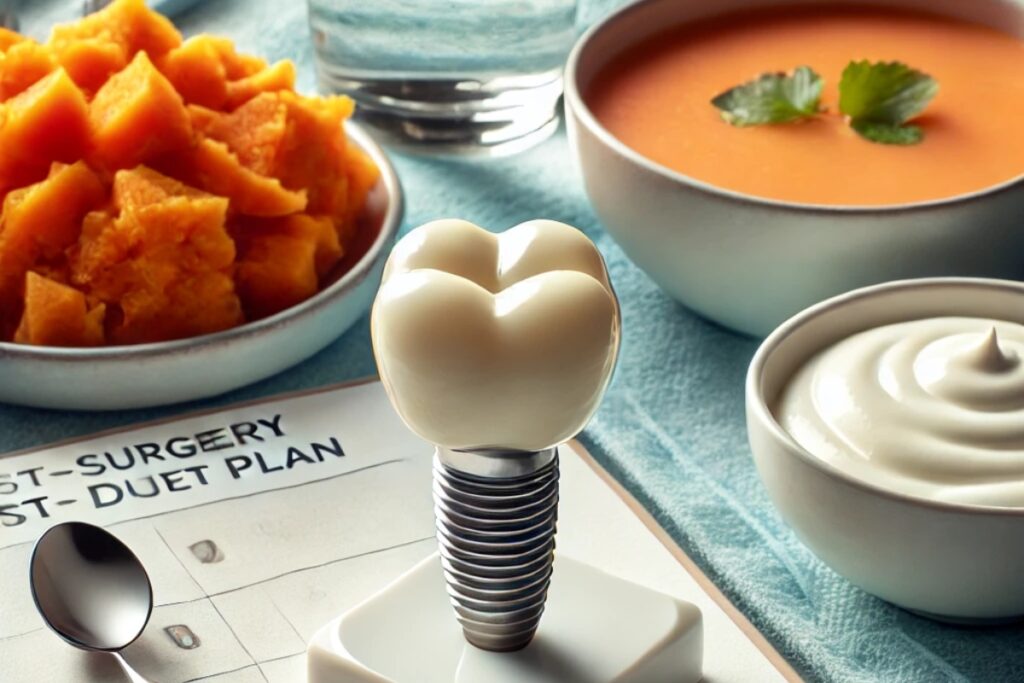
The soft foods you can eat after tooth extraction include yogurt, mashed potatoes, scrambled eggs, applesauce, oatmeal, cottage cheese, avocado, hummus, smoothies (without a straw), pudding, mashed sweet potatoes, soft-cooked pasta, and pureed soups. These are all easy to swallow and require little to no chewing.
Protein is one of the most important nutrients for healing after any surgical procedure. According to a review published in the Annals of Clinical Nutrition and Metabolism, protein provides the amino acids your body needs to build new tissue, produce enzymes, and support immune function at the wound site. Greek yogurt, cottage cheese, scrambled eggs, and protein-rich smoothies are excellent ways to get protein without irritating the extraction area.
Vitamin C also plays a key role. A randomized clinical trial published in BioMed Research International found that taking 600 mg of vitamin C daily for 10 days after tooth extraction improved wound healing and reduced postoperative pain. You can get vitamin C naturally from soft foods like mashed kiwi, mango, and strawberries (as long as you avoid any seeds that might get stuck in the socket).
The goal is variety. Eating the same thing at every meal is tempting, but mixing up your soft foods keeps your energy up and gives your body a wider range of nutrients during recovery. Residents of West Hialeah who are recovering from an extraction can stock up on these items before the procedure day to stay prepared.
What Should You Not Eat After a Tooth Extraction?
You should not eat hard, crunchy, sticky, spicy, or acidic foods after a tooth extraction. These foods can irritate the healing site, dislodge the blood clot, or cause infection. Chips, nuts, popcorn, pretzels, toast, raw vegetables, and hard candy should all be avoided for at least the first week.
Spicy foods like hot salsa and pepper-heavy dishes can cause burning and inflammation at the extraction site. Acidic foods like tomatoes, citrus fruits, and vinegar-based dressings can sting and slow healing. Sticky foods like caramel, taffy, and gummy candy can pull at the wound and get lodged in the socket.
You should also avoid very hot foods and beverages for the first 24 to 48 hours. Heat increases blood flow to the area, which can restart bleeding and interfere with clot formation. Let soups and broths cool to lukewarm before eating. According to the Dartmouth-Hitchcock Medical Center's post-operative guidelines, patients should drink only cold beverages for the full first day after extraction and avoid hot drinks entirely.
If your dentist has placed stitches or prescribed antibiotics, following these food restrictions is even more important. Proper eating habits after an extraction go hand in hand with the aftercare instructions provided by your general and family dentistry team.
Is Day 3 the Worst After Tooth Extraction?
Yes, day 3 is often the worst after tooth extraction for many patients. Swelling, soreness, and stiffness tend to peak around the second or third day. This is a normal part of the body's healing process. The inflammation you feel is your immune system sending blood and nutrients to the area to begin tissue repair.
According to a prospective study published in the journal Cureus, peak occurrences of post-extraction complications, including dry socket, are most commonly observed in the first week after surgery. Days 2 through 4 tend to be the most uncomfortable. After that, most patients start to notice steady improvement.
On day 3, stick with soft foods that are easy to manage. Mashed potatoes, scrambled eggs, and lukewarm soup are good choices. If the swelling has not started to go down by day 4 or 5, or if you notice increasing pain rather than decreasing pain, contact your dentist right away. This could be a sign of dry socket or infection that needs attention.
Patients in Hialeah who experience unusual symptoms after an extraction should not wait. A quick visit can catch problems early, prevent complications, and get your recovery back on track.
What Day Is the Biggest Risk for Dry Socket?
The biggest risk for dry socket is between days 2 and 4 after the extraction. Dry socket, also called alveolar osteitis, happens when the blood clot in the socket dissolves, falls out, or never forms properly. This leaves the bone and nerves exposed, causing intense, throbbing pain.
According to research published in the journal Oral Surgery, Oral Medicine, Oral Pathology and Oral Radiology, the incidence of dry socket ranges from about 0.5% to 5.6% in routine dental extractions, and can be as high as 30% after surgical removal of impacted wisdom teeth. Smokers are at significantly higher risk. A study from the Open Dentistry Journal found that dry socket occurred in 5.1% of extractions among smokers compared to 2.1% among non-smokers.
To lower your risk during those critical first few days, avoid using straws (the suction can pull the clot out), do not smoke or vape, skip crunchy and hard foods, and do not rinse your mouth forcefully. Gentle care and soft foods are your best protection during this window.
If you had an extraction at a dental practice in the Hialeah area, follow the aftercare instructions you were given closely. These guidelines exist specifically to get you through the highest-risk period safely.
Does Drinking a Lot of Water Help Prevent Dry Sockets?
Yes, drinking a lot of water helps prevent dry sockets by keeping the mouth clean and the body hydrated. Good hydration supports blood flow, helps flush bacteria from the mouth, and promotes overall healing. Water also prevents dry mouth, which can increase bacteria levels and raise the risk of infection at the extraction site.
According to a review published in the Annals of Clinical Nutrition and Metabolism, water is an essential but often overlooked factor in wound healing. It helps with the movement and maturation of skin cells and provides structural support to new tissue. Staying well hydrated also helps your body absorb the nutrients from the soft foods you eat during recovery.
Sip water gently throughout the day. Do not swish it around your mouth forcefully, especially in the first 24 hours, as this can disturb the blood clot. Avoid ice-cold water if it causes sensitivity at the extraction site. Room temperature or slightly cool water is the best choice.
Why Is Drinking Water Important After Extraction?
Drinking water is important after extraction because it keeps the wound area moist, helps wash away loose food particles, supports your immune system, and prevents dehydration, which can slow healing. Many patients focus only on what to eat and forget that staying hydrated is just as critical.
After an extraction, you may be taking prescribed pain medication or antibiotics. Both of these can cause dry mouth as a side effect. Dry mouth creates a perfect environment for harmful bacteria to grow. According to the Cleveland Clinic, maintaining good hydration and saliva flow is one of the key factors in preventing oral infections and supporting recovery after dental procedures.
Aim for at least 8 glasses of water a day during your recovery. Avoid alcohol, which can thin the blood and interfere with clot formation. Avoid carbonated drinks for the first few days as well, since the bubbles can irritate the socket. Preventive care habits, including proper hydration, play a big role in how fast your mouth heals.
Can I Eat Ice Cream After Extraction?
Yes, you can eat ice cream after extraction, and many dentists actually recommend it. The cold temperature helps reduce swelling and provides a soothing effect on the tender area. Ice cream is soft, requires no chewing, and is easy to eat when your mouth is sore.
There are a couple of things to keep in mind. Choose a plain, smooth flavor. Avoid ice cream with mix-ins like nuts, cookie pieces, or hard candy bits, as these can irritate or get stuck in the extraction site. Also, try not to rely on ice cream as your main food source. It is high in sugar, and the American Dental Association has long noted that excessive sugar intake promotes bacterial growth and can raise the risk of cavities and gum inflammation.
A small bowl of ice cream is a great treat during recovery. Just balance it with healthier soft foods like yogurt, mashed avocado, and scrambled eggs to make sure your body is getting the protein, vitamins, and minerals it needs to heal properly.
What to Make for Dinner After Tooth Extraction?
Good dinner options after tooth extraction include lukewarm broth-based soups, mashed potatoes with butter, soft-cooked scrambled eggs, pasta cooked until very tender, pureed vegetable soup, risotto, and macaroni and cheese made with a smooth sauce. The key is to keep everything soft, mild, and not too hot.
Broth-based soups are one of the best dinner choices. Chicken broth or bone broth provides hydration, protein, and minerals like calcium and magnesium that support healing. You can add soft-cooked vegetables like carrots or sweet potatoes and blend everything to a smooth consistency. According to Healogics, a wound care research organization, protein is essential for synthesizing new tissue, and soups are one of the easiest ways to get it during recovery.
Another great option is a baked sweet potato, mashed with a little butter. Sweet potatoes are packed with vitamin A, which research published in the journal Nutrients confirms plays an important role in cell growth and immune function during wound healing. They are naturally soft, mildly sweet, and filling enough for a satisfying dinner.
Hialeah families preparing meals for someone recovering from an extraction do not need to cook anything complicated. Simple, soft, and nutrient-rich is the way to go.
Can I Eat Spaghetti After Tooth Extraction?
Yes, you can eat spaghetti after tooth extraction, but only if it is cooked very soft and served with a smooth, mild sauce. Avoid al dente pasta, chunky meat sauces, or anything with spicy seasoning. The noodles should be easy to break apart with your tongue so you do not need to chew on the side of the extraction.
Wait until at least day 2 or 3 before trying pasta. During the first 24 hours, stick to liquids and very soft foods. If spaghetti feels comfortable to eat without causing pain, it can be a good option for adding calories and energy to your recovery diet. Toss it with butter, a mild cream sauce, or a small amount of olive oil rather than an acidic tomato sauce, which can sting the wound.
What Soup Is Good for Dental Surgery?
The best soup for dental surgery is a smooth, lukewarm broth like chicken broth, bone broth, or a pureed vegetable soup. These soups are easy to swallow, provide hydration, and deliver protein and minerals without requiring any chewing.
Avoid soups with large chunks of meat, hard vegetables, or crispy toppings like croutons. Cream-based soups like butternut squash or potato leek are also excellent because they are thick, filling, and smooth. Just let any soup cool down before eating. Hot liquids can increase blood flow to the extraction area and potentially dislodge the clot during the first 48 hours.
Making a big batch of blended soup before your extraction appointment is one of the best ways to prepare. It takes the stress out of meal planning during the first few days when your mouth is most tender. Many families in the West Hialeah community do exactly this before a scheduled procedure.
Can I Drink Milk 24 Hours After Tooth Extraction?
Yes, you can drink milk 24 hours after tooth extraction. Milk is soft, cool, and rich in calcium and protein, both of which support bone and tissue healing. It is a safe option once the initial 24-hour clotting period has passed.
Some dentists suggest waiting a few hours after the extraction before consuming dairy, especially if you are taking antibiotics. Certain antibiotics can interact with the calcium in dairy products and reduce the medication's effectiveness. If you have been prescribed antibiotics, check with your dental team about the best timing.
Milk can also be used as a base for smoothies. Blend it with a banana, some protein powder, and a spoonful of peanut butter for a filling, nutrient-packed meal that requires zero chewing. Just remember: do not use a straw. Pour your smoothie into a cup and sip it gently.
Can I Drink Coffee After Tooth Extraction?
No, you should not drink coffee right after tooth extraction. Coffee is typically served hot, and hot beverages can increase bleeding and disturb clot formation during the first 24 to 48 hours. Caffeine can also raise blood pressure, which may increase blood flow to the extraction area.
Most dentists recommend waiting at least 48 hours before drinking coffee, and when you do, let it cool to lukewarm or room temperature first. If you are a daily coffee drinker and worried about caffeine withdrawal, try switching to a cold or iced coffee (without a straw) on day 3 if you feel comfortable.
According to the post-operative guidelines from Dartmouth-Hitchcock Medical Center, patients should stick to cold drinks only for the first full day. Hot coffee falls outside that window. Being patient with your coffee habit for a couple of days is a small trade-off for a smooth recovery.
How Soon Can I Eat Bread After Tooth Extraction?
You can eat soft bread after tooth extraction around day 3 to 5, depending on how your recovery is going. Very soft bread like white sandwich bread or a soft dinner roll may be manageable once the initial swelling and tenderness begin to ease. Avoid crusty bread, toast, bagels, or anything with a hard crust, as these can scratch or poke the extraction site.
If you want to eat bread sooner, try dipping it in soup or broth to soften it. This makes it much easier to swallow without putting pressure on the wound. Stick with plain varieties and avoid breads with seeds, nuts, or hard grains that could get lodged in the healing socket.
Can I Eat Potatoes After Tooth Extraction?
Yes, you can eat potatoes after tooth extraction, and mashed potatoes are one of the most recommended recovery foods. They are soft, easy to swallow, filling, and mild in flavor. Potatoes also provide vitamin C, potassium, and fiber, all of which support healing and energy levels.
Mash them with a little butter and milk for a creamy texture. Avoid adding spices, pepper, or toppings like bacon bits or crispy onions. Baked potatoes and sweet potatoes are also great choices as long as they are mashed or scooped out and eaten without the skin. Serve everything lukewarm, not hot.
Potatoes are affordable, easy to prepare, and available at any grocery store in Hialeah. They make an ideal staple food for the first few days after an extraction and pair well with other soft foods like scrambled eggs or pureed soup.
How to Swallow to Avoid Dry Socket?
To swallow and avoid dry socket, take small bites or sips, keep food on the opposite side of your mouth from the extraction, and swallow gently without creating suction. Avoid any forceful swallowing, gulping, or sucking motions that could disturb the blood clot.
This is also why straws are off limits. The sucking motion creates negative pressure inside your mouth, which can pull the clot right out of the socket. According to the American Association of Oral and Maxillofacial Surgeons, using straws is one of the most common triggers for dry socket after an extraction.
Eat slowly. Take your time with each bite. If something feels difficult to swallow, try making it softer by mashing it further or adding a little broth. Your body is healing, and giving it gentle, careful attention makes a big difference in how fast you recover.
Best and Worst Foods After Tooth Extraction: A Quick Comparison
Time After ExtractionBest FoodsFoods to AvoidFirst 24 HoursCold yogurt, applesauce, lukewarm broth, mashed banana, pudding, ice cream (plain)Hot foods, crunchy chips, spicy dishes, toast, nuts, strawsDays 2 to 3Mashed potatoes, scrambled eggs, oatmeal, smooth soup, cottage cheese, avocadoHard bread, raw vegetables, acidic juices, sticky candy, popcornDays 4 to 7Soft pasta, risotto, steamed vegetables, soft fish, mashed sweet potatoCrunchy snacks, tough meat, spicy sauces, seeds, granolaAfter 1 WeekGradually return to normal foods; still avoid very hard or chewy items near the siteHard pretzels, whole nuts, jerky, hard candy until fully healed
Sources: Dartmouth-Hitchcock Medical Center Post-Operative Guidelines, American Dental Association, Aspen Dental Aftercare Recommendations
When Can I Eat Solid Foods After Tooth Extraction?
You can eat solid foods after tooth extraction once your dentist says the healing site looks good, which is usually about 7 to 10 days after the procedure. For simple extractions, some patients can start reintroducing firmer foods around day 4 or 5. Surgical extractions, like wisdom teeth removal, may require a soft diet for a full week or longer.
According to data published by the American Public Health Association, about 10 million wisdom teeth are extracted from roughly 5 million Americans every year. A study in Frontiers in Dental Medicine found that approximately 80% of privately insured adults have had at least one tooth extraction by age 25. These are very common procedures, and the recovery diet is a well-studied part of the healing process.
Signs that you are ready to start eating more solid foods include decreased swelling, no more bleeding, reduced pain, and the ability to open your mouth more comfortably. Start with softer solid foods like steamed vegetables, flaky fish, or soft-cooked chicken before moving on to anything crunchy or tough.
If you are unsure about when to transition, call your dentist. The team at your Hialeah dental practice can give you specific guidance based on how your extraction site is healing. Following up after the procedure, even if it is just a phone call, can help you avoid setbacks. Regular dental exams in the weeks after your extraction also help your dentist monitor your recovery.
Can I Eat McDonald's 2 Days After Tooth Extraction?
You should be cautious about eating McDonald's 2 days after tooth extraction. Some menu items, like a plain milkshake (eaten with a spoon, not a straw) or soft pancakes, may be manageable. But most fast food items, like burgers, fries, and chicken nuggets, are too hard, crunchy, or require too much chewing for the second day of recovery.
If you do go to a fast food restaurant during recovery, look for the softest items on the menu. Mashed potatoes, soft ice cream, or a plain, warm soup can work. Avoid anything deep-fried, heavily seasoned, or served at very high temperatures.
Can I Eat Fries 4 Days After Tooth Extraction?
You should avoid fries 4 days after tooth extraction if they are crispy or hard. Fries can break into sharp pieces that scratch the healing gum tissue or get stuck in the socket. If the fries are very soft and not heavily salted, you may be able to eat a few carefully on the opposite side of your mouth.
A safer alternative at the 4-day mark is a baked potato, mashed or scooped from the skin. You get a similar flavor and satisfaction without the crunch factor. By day 7 to 10, most patients can eat fries again, as long as healing is progressing normally.
What Noodles Can I Eat After Tooth Extraction?
The noodles you can eat after tooth extraction are soft-cooked varieties like egg noodles, ramen noodles (cooked until very tender), udon, and small pasta shapes like orzo or pastina. Cook them past al dente so they are easy to break apart with your tongue and require minimal chewing.
Pair noodles with a mild, smooth sauce, like butter, a light cream sauce, or just a drizzle of olive oil. Avoid tomato-based sauces during the first few days because their acidity can sting the extraction site. Noodle soup with a clear broth is also an excellent choice and provides hydration along with calories.
For Hialeah families looking for easy post-extraction meal ideas, a bowl of soft noodle soup is one of the simplest and most comforting options to prepare at home.
Frequently Asked Questions
Can I Eat Eggs After Tooth Extraction in Hialeah?
Yes, you can eat eggs after tooth extraction. Scrambled eggs are one of the best recovery foods because they are soft, high in protein, and easy to prepare. According to nutritional research from the Healogics wound care organization, protein is the most critical nutrient for building new tissue after any surgical procedure. Eggs are an affordable and protein-rich option for Hialeah families recovering from an extraction.
How Long Should I Wait to Eat After a Tooth Extraction?
You should wait until the numbness from the anesthesia wears off and the bleeding stops before eating, which usually takes about 2 to 4 hours. According to Dartmouth-Hitchcock Medical Center's post-operative guidelines, patients can eat cold, soft foods as soon as feeling returns and bleeding has stopped. Stick to liquids and very soft foods for the rest of the first day.
Is Peanut Butter Safe to Eat After a Tooth Extraction?
Peanut butter is safe to eat after a tooth extraction only if it is smooth (not chunky) and spread thin on soft bread or mixed into a smoothie. Chunky peanut butter contains hard nut pieces that can get stuck in the extraction socket. Smooth peanut butter adds protein and healthy fats to your recovery diet. Many patients in West Hialeah blend it into banana smoothies for a quick, filling meal.
Should I Take Vitamins After a Tooth Extraction?
Taking vitamins after a tooth extraction can support faster healing, especially vitamin C. A randomized clinical trial published in BioMed Research International showed that 600 mg of daily vitamin C for 10 days after extraction improved wound healing and reduced pain. Vitamin A and zinc also play roles in tissue repair and immune support. Always check with your dentist before starting any supplement, especially if you are already taking prescribed medications.
What If I Accidentally Eat Something Hard After Extraction?
If you accidentally eat something hard after extraction, do not panic. Gently rinse your mouth with lukewarm salt water (after the first 24 hours) to remove any food debris. Check the extraction site in a mirror for any visible issues. If you experience increased pain, bleeding, or a bad taste in your mouth, contact your dentist in Hialeah right away. These could be signs that the blood clot has been disturbed.
Does the Type of Extraction Affect What I Can Eat?
Yes, the type of extraction affects what you can eat and for how long. A simple extraction of a fully erupted tooth usually allows you to return to normal foods within about 5 to 7 days. Surgical extractions, like impacted wisdom teeth removal, often require a soft food diet for a full week or more. According to research published in PMC (PubMed Central), dry socket rates can reach up to 30% after surgical wisdom tooth removal, compared to 1% to 5% for routine extractions, making careful food choices even more important after surgical procedures.
Where Can I Get a Tooth Extraction in Hialeah?
You can get a tooth extraction in Hialeah at Castellanos Dental Aesthetics in West Hialeah. The practice has been serving the community since 1998, offering gentle, patient-first care for extractions and a full range of dental services. The team provides detailed aftercare instructions so you know exactly what to eat, what to avoid, and how to heal quickly. Visit the insurance and financing page to learn about payment options.
Final Thoughts
What you eat after a tooth extraction matters more than most people realize. The right soft foods protect the blood clot, reduce pain and swelling, and give your body the protein, vitamins, and hydration it needs to heal. The wrong foods can lead to complications like dry socket, infection, and delayed recovery. With over 20 million tooth extractions performed in the United States every year, according to dental industry data, post-extraction nutrition is a topic that affects millions of patients annually.
Stock up on soft foods before your procedure. Stay hydrated. Avoid straws, smoking, and crunchy snacks. Listen to your body and follow your dentist's aftercare instructions closely. If you are in the Hialeah area and need an extraction or have questions about your recovery, Castellanos Dental Aesthetics is here to help. Call 305-820-4080 or visit the contact page to schedule your appointment and get the care you deserve.

.png)
.png)

.png)


.png)

.png)
.png)
.png)

.png)
.png)
.svg)


