.png)
.svg)
.png)

What Not to Eat or Drink with Invisalign
.png)
.png)
You should not eat anything while wearing your Invisalign aligners. Remove them before every meal and snack, eat your food, brush your teeth, and put the aligners back in. The only drink you should have with your aligners in is plain water at room temperature. Hot drinks, coffee, tea, soda, juice, wine, and any other beverage should be consumed with the aligners removed. According to Align Technology, the maker of Invisalign, patients must wear their trays for 20 to 22 hours a day, which leaves two to four hours total for eating, drinking, and oral hygiene.
In this article, we break down exactly which foods and drinks to avoid, explain why each one can cause problems, and share the daily habits that keep your aligners clear, your teeth healthy, and your treatment on track.
Is There Anything You Cannot Eat With Invisalign?
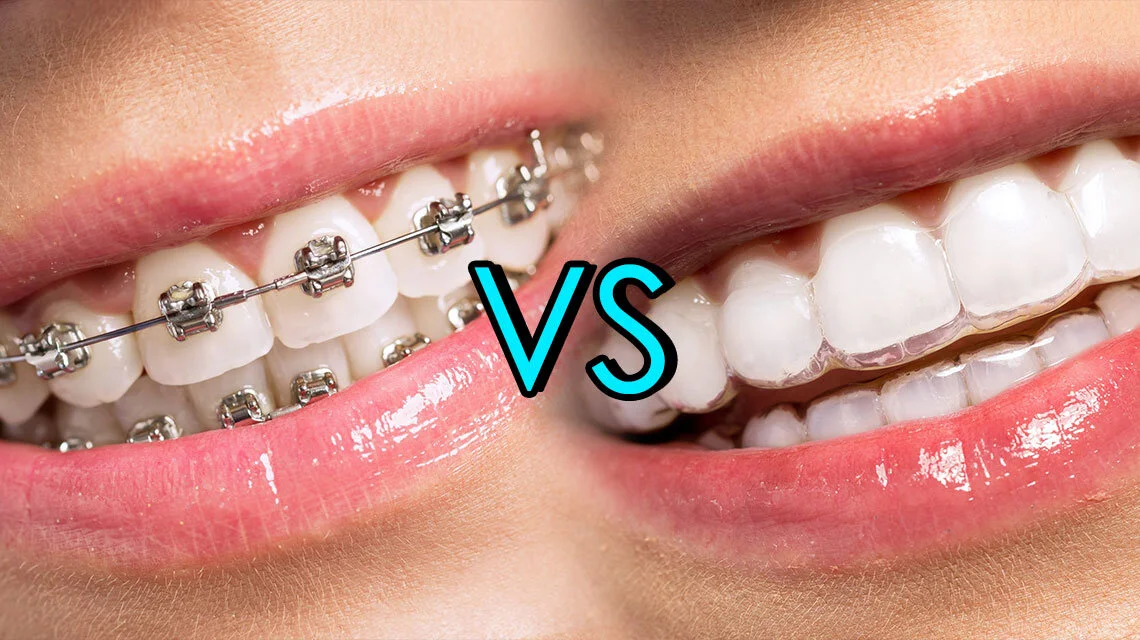
No, there is nothing you cannot eat with Invisalign, as long as you remove your aligners first. This is one of the biggest advantages of clear aligners over traditional braces. With braces, you must avoid hard, sticky, and crunchy foods because they can break brackets or bend wires. With Invisalign, you take the trays out, eat whatever you want, clean your teeth, and put the trays back in.
That said, there are smart eating habits to follow during treatment. Certain foods can cause problems if you do not clean your teeth well before reinserting your aligners. Sugary, sticky, and highly pigmented foods leave residue on your teeth. If that residue gets trapped under the aligner, it creates a breeding ground for bacteria. According to the American Dental Association (ADA), bacteria in the mouth feed on sugar and produce acids that attack tooth enamel, which leads to cavities.
So while you can technically eat anything, being mindful about cleaning up afterward makes a real difference in protecting your teeth and keeping your aligners in good shape. Good habits during orthodontic treatment lead to better results and a healthier smile at the end.
What Drinks Should You Avoid With Invisalign In?
Can You Drink Coffee or Tea With Invisalign?
You should not drink coffee or tea with your Invisalign aligners in. Both drinks are highly pigmented and will stain your aligners yellow or brown, making them visible against your teeth. That defeats the whole purpose of wearing clear trays. Coffee and tea are also often served hot, and heat is a serious problem for aligner material.
A 2025 study published in The Saudi Dental Journal tested what happens when Invisalign aligners are exposed to coffee and tea at 57 degrees Celsius (the temperature of a typical hot beverage in the mouth). The study found that exposure to hot beverages significantly decreased the hardness of the aligner material. The coffee-exposed group also showed increased rigidity, which changes how the aligner delivers force to the teeth. In short, hot drinks alter the physical properties of the plastic and can compromise your treatment.
If you want your morning coffee or afternoon tea, simply remove your aligners, enjoy the drink, rinse your mouth with water, brush your teeth, and put the trays back in. This adds a few minutes to your routine but protects your trays and your teeth.
Can You Drink Soda or Juice With Invisalign?
You should not drink soda or juice with your Invisalign aligners in. Soda is both sugary and acidic, which is the worst combination for your teeth. Fruit juice, even 100% juice with no added sugar, is also highly acidic. When these drinks seep under the tight-fitting aligner, the sugar and acid sit directly against your enamel with no way for saliva to wash them away.
According to the National Institute of Dental and Craniofacial Research (NIDCR), tooth decay happens when bacteria in the mouth produce acids from sugar. Normally, saliva helps neutralize those acids and rinse away food particles. But when an aligner covers your teeth, saliva cannot reach the surfaces effectively. Any sugary or acidic drink trapped under the tray creates a concentrated acid bath against your enamel.
The same rule applies to sports drinks, energy drinks, sweetened iced tea, lemonade, and flavored water with added sugar. Remove the aligners, drink, rinse, and put them back. Regular dental exams during treatment help catch early signs of enamel erosion or cavities before they become bigger problems.
Can You Drink Alcohol With Invisalign?
You should remove your Invisalign aligners before drinking alcohol. Beer and wine contain sugars that can promote decay when trapped under the trays. Red wine will stain your aligners almost immediately. Even clear spirits mixed with soda or tonic water introduce sugar, carbonation, and acidity. A large retrospective study of over 2,600 clear aligner patients found that only 36% of patients were fully compliant with the 22-hour daily wear requirement throughout their treatment. Social drinking is one of the biggest reasons patients fall behind on wear time.
If you are at a social event and want a drink, remove your aligners and store them in their case (never wrap them in a napkin). Enjoy your drink, then rinse with water before reinserting the trays. Planning ahead for social situations helps you stay on track without feeling restricted.
Can You Drink Sparkling Water With Invisalign?
You should not drink sparkling water with your aligners in on a regular basis. While plain sparkling water has no sugar, it is carbonated, which makes it slightly acidic. The carbonic acid in sparkling water has a pH of around 3 to 4, which is lower than the 5.5 threshold where enamel starts to erode, according to research published in the Journal of the American Dental Association. When that mildly acidic liquid is trapped under the aligner, it has prolonged contact with your enamel.
An occasional sip of unflavored sparkling water is unlikely to cause significant damage. But making it a daily habit while wearing your trays adds unnecessary acid exposure. Stick to plain still water with your aligners in, and save the sparkling water for meals when your trays are out.
Why Hot Drinks Are Especially Dangerous for Invisalign
Hot drinks are especially dangerous for Invisalign because the aligners are made from a thermoplastic material called SmartTrack. Thermoplastic means the material softens and becomes pliable when exposed to heat. Research published in PMC found that the glass transition temperature for PETG aligner materials is 76 to 77 degrees Celsius, but oral cavity temperature after consuming a hot drink can reach up to 57 degrees Celsius. Studies also show that absorbed water acts as a plasticizer, lowering the glass transition temperature and reducing the material's elastic modulus by 11 to 15% in simulated oral conditions.
A warped aligner does not fit your teeth properly. When the fit is off, the aligner cannot deliver the right amount of pressure in the right direction. This can slow your treatment, require a replacement tray, or cause your teeth to move in unintended ways. Avoiding hot drinks while your trays are in is one of the simplest ways to protect your investment in clear aligner treatment.
Foods to Be Careful With During Invisalign Treatment
Even though you remove your aligners to eat, some foods deserve extra caution during Invisalign treatment. The goal is to avoid anything that could damage your teeth while they are in the process of moving, leave heavy residue that is hard to clean before reinserting trays, or stain the attachments bonded to your teeth.
Hard and Crunchy Foods
Hard foods like whole nuts, hard candy, ice, popcorn kernels, and crusty bread can chip or crack teeth that are already under orthodontic pressure. Your teeth are being actively moved by the aligners, which means the bone around them is in a state of remodeling. A study published in the Journal of Clinical Medicine confirms that during orthodontic treatment, the periodontal ligament is inflamed and the bone is actively breaking down and rebuilding. Biting down on something very hard during this process increases the risk of damage. Cut hard foods into small pieces and chew carefully.
Sticky and Chewy Foods
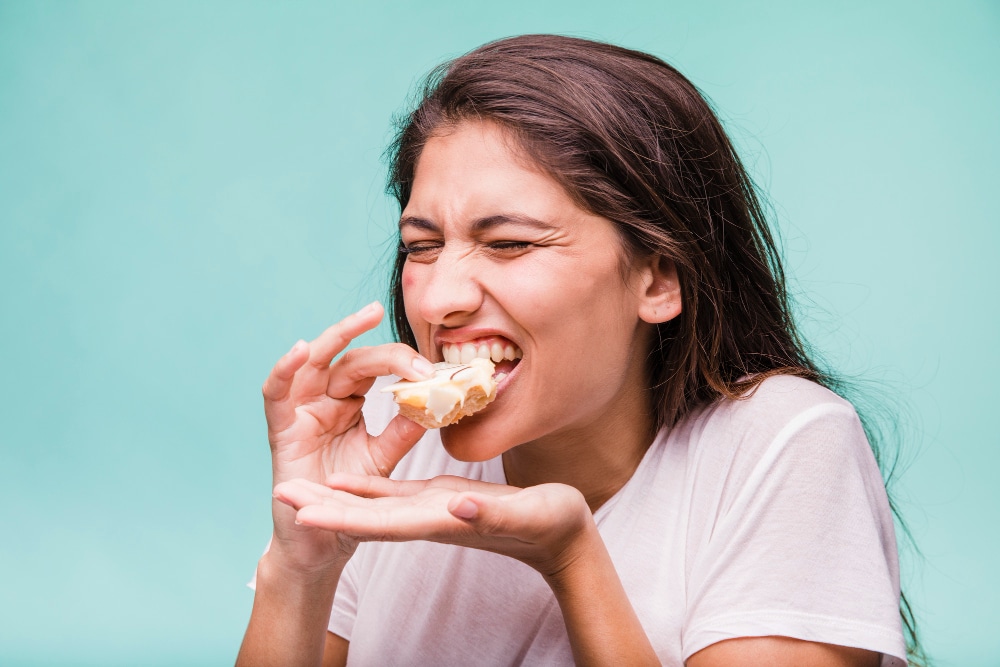
Sticky foods like caramel, taffy, gummy candy, and dried fruit cling to your teeth and are difficult to brush away completely. If any residue is left behind when you put your aligners back in, it gets trapped against the enamel for hours. This is exactly the environment where cavities form. If a cavity does develop, a tooth-colored filling can repair the tooth without disrupting your aligner schedule. Sticky residue can also cling to the tooth-colored attachments bonded to your teeth, making them harder to clean and more visible.
Heavily Pigmented Foods
Foods with strong colors, like tomato sauce, beets, turmeric, soy sauce, and berries, can stain the small attachments on your teeth. The attachments are made of composite resin, which can absorb pigment over time. While a single meal will not ruin them, repeated exposure without thorough brushing can leave them looking yellow or discolored. Brushing right after eating these foods helps prevent staining. Patients who want to keep their smile looking its best during treatment sometimes combine aligners with teeth whitening after treatment is complete.
What Is the 30 Minute Rule With Invisalign?
The 30 minute rule with Invisalign means you should limit each meal or snack to about 30 minutes so your aligners spend as little time out of your mouth as possible. You have a total of two to four hours per day for eating, drinking, and oral hygiene. If every meal stretches to 45 minutes or an hour, you quickly eat into your required 20 to 22 hours of daily wear time.
Unlike traditional braces, where you must avoid popcorn, hard candy, caramel, nuts, and other risky foods for the entire treatment, clear aligners give you total food freedom. The tradeoff is that you need to be disciplined about removing, cleaning, and reinserting your trays around every meal.
How Do I Survive the First Week of Invisalign?
The first week of Invisalign is the hardest because your teeth are adjusting to aligner pressure for the very first time. Surviving the first week comes down to eating soft foods, using cold compresses, taking acetaminophen when needed, switching trays at night, and wearing the aligners consistently.
Stick to soft foods like yogurt, scrambled eggs, mashed potatoes, soup, oatmeal, smoothies, and soft pasta for the first few days. Your teeth will be sore and sensitive to biting pressure. According to a study published in Progress in Orthodontics, orthodontic pain peaks at 24 hours and drops back to near-baseline levels within five to seven days. By the end of the first week, most patients feel comfortable.
Cold water can soothe sore teeth, and sucking on ice cubes (without chewing them) provides some relief. A warm salt water rinse can reduce gum inflammation. A study published in Clinical Oral Investigations found that salt water rinses are as effective as chlorhexidine mouthwash at reducing oral inflammation.
The full Invisalign timeline varies by case, but knowing what to expect at each stage helps you prepare for the tougher days.
Beverages and Invisalign: What Is Safe and What Is Not
BeverageSafe With Aligners In?WhyPlain water (room temp or cold)YesNo sugar, no acid, no pigment, no heatHot waterNoHeat can warp the thermoplastic materialCoffee (hot or iced)NoStains aligners; hot coffee warps them; sugar/cream promotes decayTea (hot or iced)NoStains aligners; hot tea warps them; tannins cause discolorationSodaNoSugar feeds bacteria; acid erodes enamel; carbonation is acidicFruit juiceNoHigh in sugar and acid; stains aligners with dark pigmentsRed wineNoStains aligners instantly; contains sugar and acidWhite wine / Clear spiritsNoAcidic; mixed drinks often contain sugarBeerNoContains sugars; can stain and promote plaque buildupSparkling water (unflavored)Occasional onlySlightly acidic due to carbonation; no sugar, but prolonged acid contact under tray is not idealSports / Energy drinksNoHigh sugar, high acid, strong pigmentsMilkNoContains lactose (a sugar); remove aligners first
Sources: Align Technology guidelines, The Saudi Dental Journal (2025), Journal of the American Dental Association, NIDCR, PMC aligner material studies.
What Happens if You Eat With Invisalign In?
If you eat with Invisalign in, several things can go wrong. The chewing force can crack or damage the aligner, which means you need a replacement tray and your treatment could be delayed. Food particles get trapped between the aligner and your teeth, creating an environment where bacteria thrive. The ADA confirms that trapped food plus bacteria leads to plaque buildup, acid production, and eventually cavities.
Eating with your trays in can also push food into the small gaps between the aligner edge and your gum line, leading to gum irritation and inflammation. A study by Buschang et al. found that white spot lesions developed in only 1.2% of aligner patients compared to 26% of patients with traditional braces. But that low number depends on patients removing their trays before eating and keeping their teeth clean. If you skip those steps, your risk goes up dramatically.
If you accidentally chew something with your trays in, remove them right away. Check the aligner for cracks or damage. Rinse both your teeth and the aligner with water. If the aligner is damaged, contact your dentist. Keeping up with regular teeth cleanings during treatment also helps catch any issues early.
Daily Eating and Drinking Routine for Invisalign Patients
A consistent daily routine makes Invisalign much easier to manage. Here is a simple framework that works for most patients.
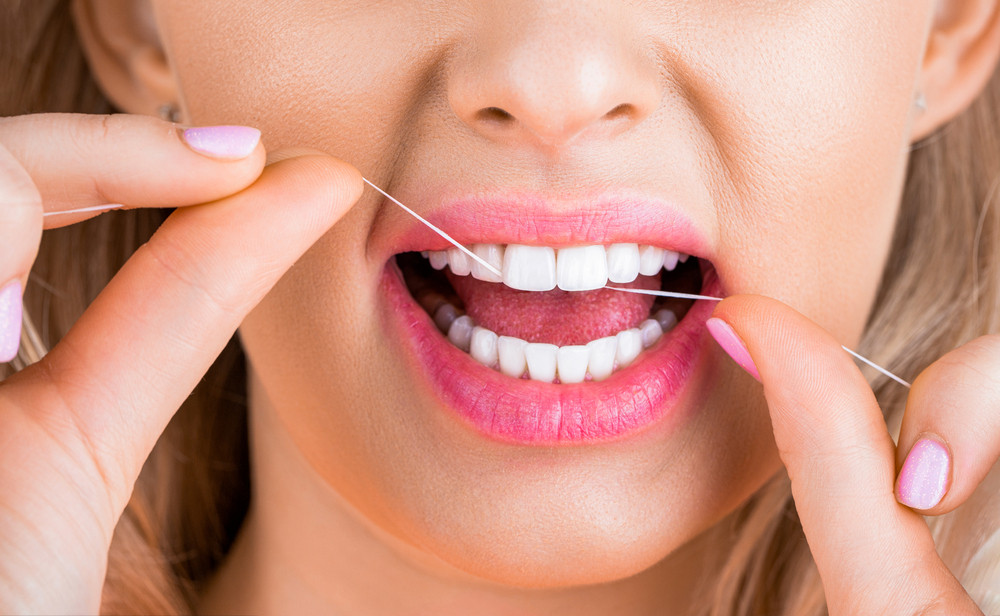
When it is time to eat, remove your aligners and store them in their case. Never set them on a napkin, table, or counter where they can get lost or thrown away. Eat your meal within about 30 minutes. After eating, brush your teeth and floss. If you are away from home and cannot brush, rinse your mouth thoroughly with water. Then put your aligners back in.
Keep a small travel kit with you at all times. Include a toothbrush, travel-sized toothpaste, floss, and your aligner case. This makes it easy to eat at restaurants, at work, or on the go without missing wear time. Drinking plenty of water throughout the day keeps your mouth hydrated, washes away bacteria, and reduces the risk of bad breath. Staying committed to preventive care during treatment gives you the best chance of finishing with healthy teeth and gums.
What I Wish I Knew Before Invisalign
The thing most patients wish they knew before Invisalign is how much their daily eating and drinking habits would change. You do not lose the ability to eat your favorite foods, but you do lose the ability to snack and sip freely throughout the day. Every time you want to eat or drink something other than water, you need to remove your trays, eat, brush, and reinsert. This takes planning and discipline.
Many patients also wish they knew how important it is to carry a cleaning kit everywhere. Being caught at a restaurant or office without a toothbrush means either reinserting dirty trays (which promotes cavities) or leaving the trays out too long (which slows treatment). A small travel kit solves this problem completely.
On the positive side, many patients say they eat healthier during Invisalign because the routine discourages mindless snacking. Some patients even report weight loss during treatment. The discipline required by Invisalign often leads to better overall eating habits that last long after the trays come off. Patients who finish treatment with straight, healthy teeth sometimes explore additional cosmetic dentistry options to complete their smile transformation.
What Don't They Tell You About Invisalign?
The things they do not tell you about Invisalign include how much time you spend brushing your teeth each day, how strict the 22-hour wear requirement really is, and how social situations around food and drink require a bit more planning than you expect.
You will brush your teeth more during Invisalign than you ever have before, sometimes four or five times a day. Every meal and snack is followed by brushing and flossing before the trays go back in. This is great for your oral health, but it is a significant time commitment that most patients do not fully anticipate.
The 22-hour wear rule leaves very little room for error. If you eat three meals a day and each one takes 30 minutes (including brushing time), that is 1.5 hours. Add another 30 minutes for a snack and 30 minutes for your morning and evening oral hygiene routine, and you are right at the 2.5-hour mark. There is almost no margin for lingering over a meal or sipping coffee slowly throughout the morning. Patients in Hialeah, Florida are often surprised by how quickly the new routine becomes second nature.
Adult orthodontics patients who start with realistic expectations about these daily habits tend to have the smoothest experience overall.
Frequently Asked Questions
How Painful Is Invisalign on a Scale of 1 to 10?
Invisalign pain on a scale of 1 to 10 is typically a 4 to 6 during the first day of a new tray and drops to a 1 to 2 by day three. A study published in PubMed found that 54% of Invisalign patients reported only mild pain, and 35% reported no pain at all. The discomfort feels like pressure, not sharp pain, and it fades quickly as your teeth adjust.
What Percentage of People Quit Invisalign?
The exact quit rate is not widely published, but a 2023 study in the American Journal of Orthodontics and Dentofacial Orthopedics found that 17.2% of Invisalign patients switched to braces to finish treatment. This is not the same as quitting. Most patients who struggle with compliance cite the daily wear commitment as the main challenge, not the food or drink restrictions.
What Is the Failure Rate of Invisalign?
The failure rate of Invisalign is about 10 to 12% for mild to moderate cases, based on clinical data showing an 88% success rate. A study published in PMC found that the Invisalign relapse rate was 12% compared to 10% for traditional braces. The difference was not statistically significant. Proper case selection and patient compliance are the biggest factors in success.
What Stage of Invisalign Hurts the Most?
The stage of Invisalign that hurts the most is the very first week, when your teeth experience aligner pressure for the first time. After that, each new tray brings a mild return of soreness for one to three days, but it is almost always less intense than week one. A study in Progress in Orthodontics confirmed that pain peaks at 24 hours and fades by day five.
Can You Tongue Kiss With Invisalign?
Yes, you can tongue kiss with Invisalign. The aligners are thin, smooth, and fit closely against your teeth. Most partners cannot feel them during a kiss. Many of the over 22 million patients treated with Invisalign worldwide have had no issues with kissing during treatment.
What's the Worst Teeth Invisalign Can Fix?
The worst teeth Invisalign can fix are moderate crowding, moderate spacing, and mild to moderate bite issues including overbite, underbite, crossbite, and open bite. It is not the best option for severe jaw misalignment, large tooth rotations, or significant vertical movements. A consultation with your dentist will determine if your case falls within Invisalign's capabilities.
The Bottom Line
The rules for eating and drinking with Invisalign are simple. Remove your aligners before eating anything. Only drink plain water with your trays in. Brush your teeth before putting the trays back. Keep meals to about 30 minutes. And wear your aligners for 20 to 22 hours every day. Hot drinks warp the plastic. Sugary drinks cause cavities. Pigmented drinks stain the trays. Following these rules keeps your aligners invisible, your teeth healthy, and your treatment on schedule.
The daily routine takes some getting used to, but most patients adapt within the first week or two. The short-term adjustments are well worth the long-term result of a straighter, healthier smile. We help patients in West Hialeah and surrounding areas get through their Invisalign treatment with confidence every day.
If you have questions about Invisalign or want to find out if it is right for you, we are here to help at Castellanos Dental.
Call us at 305-820-4080 to schedule your consultation.
.png)
.png)

.png)


.png)
.png)
.png)
.png)

.png)
.png)
.svg)


