.png)
.svg)
.png)

What Is the Difference Between a Crown and a Veneer?
.png)
.png)
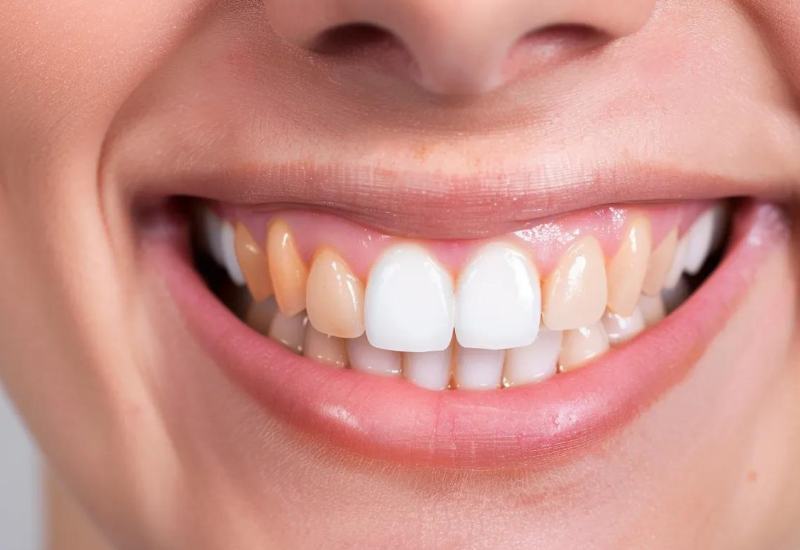
The difference between a crown and a veneer is coverage. A dental crown covers the entire tooth like a cap, while a veneer only covers the front surface. Crowns are about 2 millimeters thick and are used to restore teeth that are badly damaged, decayed, or weakened. Veneers are about 1 millimeter thick and are used mainly for cosmetic improvements like fixing discoloration, minor chips, or uneven spacing. Both are custom-made, color-matched to your natural teeth, and can last for many years with proper care. This guide breaks down every major difference between crowns and veneers so you can make the right choice for your smile.
Which Is Better, a Crown or a Veneer?
A crown is better when the tooth is structurally damaged, and a veneer is better when the tooth is healthy but needs a cosmetic fix. Neither one is better across the board. The right choice depends on the condition of your tooth, how much natural tooth structure is left, and what you want to achieve.
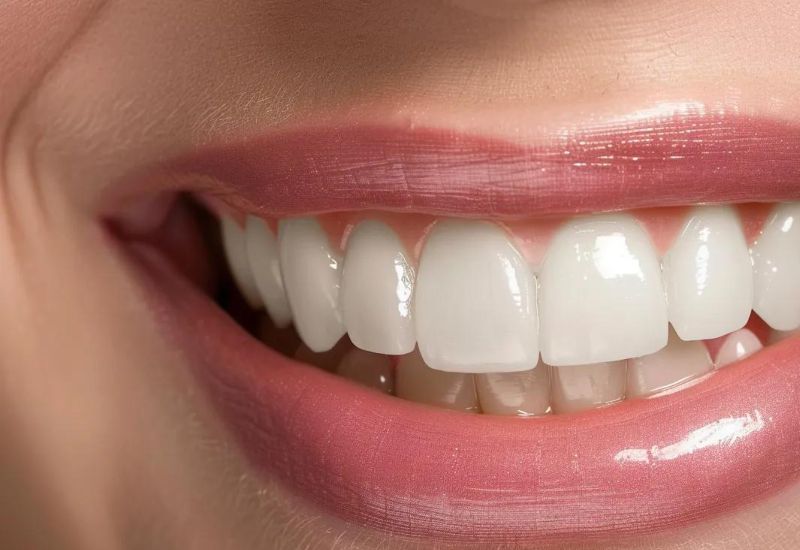
A crown wraps around all sides of the tooth, protecting it from further cracking, breaking, or decay. It is the standard treatment after a root canal, for a tooth with a large filling, or for a tooth that has been cracked or fractured. A veneer, on the other hand, bonds only to the front face of a healthy tooth. It is ideal for correcting stains, small chips, gaps, or slightly crooked teeth.
According to the American Academy of Cosmetic Dentistry (AACD), 99.7% of Americans believe a smile is an important social asset, and 74% feel an unattractive smile could hurt career success. That demand is driving more people in Hialeah and across South Florida to explore both crowns and veneers. The U.S. cosmetic dentistry market reached an estimated $4.25 billion in 2024, according to Precedence Research, and it continues to grow.
Patients in West Hialeah who are weighing these two options can talk with an experienced team at a trusted cosmetic dentistry practice to find the best fit for their smile goals and dental health.
What Lasts Longer, a Crown or a Veneer?
A crown generally lasts longer than a veneer. Dental crowns last an average of 10 to 15 years, with many lasting 20 years or more depending on the material. Porcelain veneers typically last 10 to 15 years. Composite veneers last a shorter 5 to 7 years on average.
A summary review published in PubMed found that 95% of dental crowns remain functional for at least five years, with long-term survival rates of 50% to 80% at 15 to 20 years. A 2015 literature review reported that gold crowns have a 95% survival rate over 10 years. For veneers, a systematic review published in the Journal of Clinical Medicine in 2021 found a 10-year cumulative survival rate of 95.5% for porcelain laminate veneers. A separate study from Innsbruck Medical University tracked veneers for up to 20 years and reported a survival rate of 93.5% at 10 years and 82.93% at 20 years.
The bottom line is that both restorations hold up well over time. Crowns have a slight edge in durability because they cover and reinforce the entire tooth. Veneers perform best on healthy teeth that do not face heavy biting forces.
Why Do Dentists Advise Against Veneers?
Dentists advise against veneers when the tooth is too damaged, too decayed, or does not have enough enamel for the veneer to bond to. Veneers need a solid foundation of healthy enamel. If the tooth has a large filling, a deep crack, or severe decay, a veneer will not provide the protection the tooth needs. A crown is the better choice in those cases.
Dentists may also advise against veneers for patients who grind or clench their teeth heavily. The clinical study from Innsbruck Medical University found that bruxism was a significant risk factor for veneer failure. Patients who grind without wearing a night guard put their veneers at much higher risk of fracture.
Another reason is that veneers are not reversible. The dentist removes about 0.3 to 1.2 millimeters of enamel from the front of the tooth to make room for the veneer. Once that enamel is gone, it does not grow back. A good dentist in Hialeah, FL will always make sure you fully understand this before moving forward.
Families exploring cosmetic options for their front teeth can learn more about how porcelain veneers work and whether they are the right match for their specific situation.
Why Do Dentists Push for Crowns?
Dentists push for crowns because crowns protect the entire tooth and prevent further damage. When a tooth is weakened by decay, a fracture, a large filling, or a root canal, it is at serious risk of breaking apart under normal chewing forces. A crown holds everything together and distributes pressure evenly.
The American Dental Association (ADA) recommends dental crowns for teeth with large fillings that do not have enough remaining structure, for cracked or broken teeth, for teeth that have had root canal therapy, and for teeth that need to anchor a dental bridge. These are medical, not cosmetic, reasons. A crown is often the only way to save a tooth that would otherwise need to be pulled.
Research from the Journal of Dentistry shows that the 10-year survival rate for single dental crowns ranges from 85% to 90%. That is a strong track record. Dentists recommend crowns because they work reliably and can extend the life of a damaged tooth by many years.
Hialeah residents who have been told they need a crown should know that dental crowns are one of the most common and dependable treatments in all of dentistry.
What Happens to Natural Teeth Under Crowns?
Natural teeth under crowns remain alive and vulnerable to decay if bacteria reach them. The crown protects the visible part of the tooth above the gum line, but the root and the base of the natural tooth stay intact underneath. Over time, small gaps can form at the margin where the crown meets the tooth. If plaque builds up in those gaps, bacteria can slip underneath and cause decay.
Gum recession is another concern. When gums pull back, they expose the root surface below the crown. Root surfaces are softer than enamel and more prone to decay. Grinding and clenching can also weaken the seal between the crown and the tooth over time.
The good news is that proper care prevents most of these problems. Brushing twice a day, flossing daily, and visiting the dentist every six months for professional teeth cleanings keeps the area around a crown clean and healthy. X-rays taken at regular checkups can spot hidden decay early, before it becomes a serious issue.
What Happens After 20 Years With Veneers?
After 20 years with veneers, many patients still have functional, good-looking restorations, but some veneers will need replacement. The long-term study from Innsbruck Medical University reported an estimated survival rate of 82.93% at 20 years. A separate study by Layton and Walton, which followed porcelain veneers for up to 21 years, reported survival rates above 90% at the 15-year mark. Fracture of the porcelain was the most common reason for failure, followed by cracking and debonding.
Over two decades, the gum line may shift, the color of surrounding natural teeth may change, or the edges of the veneer may start to show minor wear. None of these are emergencies. A skilled cosmetic dentist can replace individual veneers without affecting the others.
The key to making veneers last 20 years or longer is excellent oral hygiene, regular dental visits, and wearing a night guard if you grind your teeth. Patients in Hialeah who invest in veneers can protect that investment with consistent care at a dental practice that knows cosmetic restorations inside and out.
What Is the 4 8 10 Rule for Veneers?
The 4 8 10 rule for veneers is a guideline some dentists use to describe the number of veneers typically placed depending on the patient's smile goals. Four veneers cover the four front teeth that show the most when you smile. Eight veneers extend the treatment to cover the teeth that are visible in a full, wide smile. Ten veneers go slightly further to include the premolars for a complete smile makeover.
Not everyone needs all ten. The right number depends on how wide your smile is, how many teeth show when you talk and laugh, and what cosmetic changes you want. Some patients only need two veneers to fix a specific problem. Others go with a full set of eight or ten for a dramatic transformation.
A personalized smile design package from an experienced cosmetic dentist in West Hialeah takes all of these factors into account. The goal is always a natural, balanced result that looks like your own teeth, only better.
Does Anyone Regret Veneers?
Yes, some people regret veneers, but it is uncommon when the procedure is done by an experienced dentist after thorough planning. The most common reasons for regret include veneers that look too bulky, too white, or unnatural, sensitivity after the procedure, and the realization that the process is not reversible.
Most regret comes from poor planning or choosing an inexperienced provider. When veneers are designed with care, matched to the patient's face shape and skin tone, and placed with precision, satisfaction rates are very high. The Journal of Esthetic and Restorative Dentistry published data showing approximately a 95% survival rate for porcelain veneers at 10 years, and patient satisfaction studies consistently report high levels of contentment with the results.
The best way to avoid regret is to choose a dentist who specializes in cosmetic work, ask to see before-and-after photos of real patients, and have a detailed conversation about your expectations before any enamel is removed. Hialeah residents can view real patient results at a smile gallery to see what quality veneer work looks like.
What I Wish I Knew Before Veneers
The most important thing to know before veneers is that the process removes a thin layer of enamel and cannot be undone. Once you commit, you will always need some form of restoration on those teeth. Patients also wish they had known that veneers are not indestructible. Biting into hard objects, chewing ice, or grinding your teeth can chip or crack them just like natural enamel.
Sensitivity after placement is normal for many patients. It usually fades within a few days to a few weeks. Some patients also do not realize that composite veneers stain over time and may need touch-ups, while porcelain veneers resist staining but cost more upfront.
Finally, many patients wish they had understood the importance of choosing the right provider. The skill of the dentist and the quality of the dental lab that fabricates the veneers make a massive difference in the final result. According to the American College of Prosthodontists, the average lifespan of a veneer is 5 to 10 years, but high-quality porcelain veneers placed by an experienced cosmetic dentist regularly exceed that range.
How to Avoid Getting a Dental Crown
The best way to avoid getting a dental crown is to prevent the damage that makes one necessary. That means practicing strong daily oral hygiene, seeing your dentist for regular checkups, and catching problems early before they grow.
Data from the CDC shows that about 25.9% of adults aged 20 to 44 have untreated dental caries. Untreated cavities get bigger over time. A small cavity can often be fixed with a simple filling. But if that cavity is ignored, it eats away more tooth structure until a filling alone cannot hold the tooth together. That is when a crown becomes necessary.
Wearing a night guard is another powerful preventive step. Teeth grinding (bruxism) is one of the leading causes of cracked teeth. The ADA Health Policy Institute reported in 2021 that 71% of dentists saw increased grinding and clenching in their patients during the pandemic. A custom night guard absorbs that force so your teeth do not have to.
Regular preventive dentistry visits, including exams, cleanings, and X-rays, catch weak spots, worn enamel, and early decay before they turn into bigger problems that require a crown.
What Can You Do Instead of Getting a Crown?
Instead of getting a crown, you may be able to get a large filling, an onlay (partial crown), dental bonding, or a veneer, depending on how much tooth structure is damaged. These alternatives work best when the damage is moderate and the tooth still has enough healthy structure to support a less invasive restoration.
An onlay covers just the damaged portion of the tooth rather than the entire surface. It is sometimes called a partial crown. Dental bonding uses composite resin to rebuild a small area and is quick and affordable. A veneer can restore the appearance of a front tooth that is chipped or stained but still structurally sound.
However, these alternatives are not always safe substitutes. If the tooth is severely cracked, has had a root canal, or has lost a large amount of structure, a crown is the only option that provides full protection. Skipping a crown when one is truly needed puts the tooth at risk of breaking completely, which could mean extraction and a much more expensive replacement.
Hialeah families can explore all their options through a thorough exam at a restorative dentistry practice that puts patient-first care above everything else.
Why Do They Shave Teeth Down for Crowns?
Dentists shave teeth down for crowns to create enough space for the crown to fit over the tooth without feeling bulky or interfering with your bite. A crown needs about 1.5 to 2 millimeters of clearance on all sides. The dentist removes enamel and some dentin so the crown can sit flush with the surrounding teeth and gum line.
Without this preparation, the crown would sit on top of the full-sized tooth and stick out. It would feel too big, create bite problems, and trap food along the edges. Proper shaving (called tooth preparation) allows the crown to blend in seamlessly and function just like a natural tooth.
The amount of tooth that is removed depends on the type of crown material being used. All-metal crowns need less removal because metal can be made thinner. All-porcelain and zirconia crowns need slightly more room to achieve a natural look and enough strength. Your dentist will always aim to preserve as much healthy tooth as possible while still creating a stable foundation for the crown.
What Not to Do When You Get a Crown
When you get a crown, do not chew on hard or sticky foods, do not use your teeth as tools, and do not skip your dental appointments. These rules apply especially during the first few weeks while you are wearing a temporary crown, but they also help protect your permanent crown for the long haul.
Avoid chewing ice, hard candy, popcorn kernels, and sticky caramels. These can crack, loosen, or pull off a crown. Do not bite your nails or use your teeth to open packages. If you grind your teeth at night, ask your dentist about a custom night guard right away. Grinding is one of the fastest ways to wear out or fracture a crown.
Keep up with brushing and flossing, especially along the gum line where the crown meets the tooth. This area is the most vulnerable to plaque buildup and decay. Regular dental exams let your dentist check the crown's fit, look for signs of wear, and take X-rays to make sure the tooth underneath is staying healthy.
Can I Bite an Apple With Veneers?
Yes, you can bite an apple with veneers, but you should cut it into slices first instead of biting into it whole. Biting directly into hard foods like whole apples, corn on the cob, or crusty bread puts strong forward pressure on your front teeth. Over time, this can chip or crack a veneer.
Porcelain is strong but brittle, similar to glass. It handles downward biting forces well but is more vulnerable to sharp, lateral forces. Cutting hard fruits and vegetables into smaller pieces before eating protects both your veneers and your natural teeth.
This same rule applies to other hard foods. Avoid biting into hard candies, ice, raw carrots, or anything that requires your front teeth to do heavy work. With a little common sense, veneers handle everyday eating without any problems.
What Is the Downside of Veneers?
The downside of veneers is that the process is not reversible, they can chip or crack, composite veneers stain over time, and they are not suitable for teeth with significant damage or decay. Porcelain veneers also come with a higher upfront cost compared to other cosmetic treatments like bonding or whitening.
Because the dentist removes a layer of enamel during preparation, the tooth will always need a veneer or another restoration going forward. According to the Cleveland Clinic, veneers can also cause temporary sensitivity to hot and cold after placement. This usually goes away on its own within a few weeks.
The fracture rate is another factor. A systematic review in the Journal of Clinical Medicine found that fracture was the most common complication of porcelain veneers, followed by debonding. Both complications were most likely in the first few years after placement. Patients who grind their teeth are at higher risk.
Despite these downsides, veneers remain one of the most popular and reliable cosmetic dental treatments available. When placed by an experienced dentist and cared for properly, the benefits far outweigh the risks for most patients.
How Many Teeth Typically Need Veneers?
The number of teeth that typically need veneers ranges from 2 to 10, depending on the patient's goals. Many patients start with just 2 to 4 veneers on the most visible front teeth. A wider smile makeover may involve 6 to 8 veneers. A full set of 10 covers nearly every tooth visible when you smile.
There is no single right number. The decision depends on the width of your smile, the symmetry of your teeth, the amount of correction needed, and your budget. A good cosmetic dentist in Hialeah will help you decide by analyzing your facial structure, your smile line, and how your teeth look when you talk and laugh.
Patients who want to explore the full range of cosmetic improvements can start with a smile makeover consultation to see what combination of treatments will get the best result.
What Is the Most Feared Dental Procedure?
The most feared dental procedure is the root canal, according to surveys of dental patients. However, modern root canal treatments are far less painful than most people expect. With today's anesthetics and techniques, the procedure itself usually feels no different from getting a filling.
Crown and veneer placements are also sources of anxiety for some patients, mainly because of the tooth preparation step. Knowing what to expect ahead of time goes a long way in easing those fears. Both procedures involve numbing the area and shaping the tooth gradually. Most patients report only mild pressure, not pain.
Dental anxiety is extremely common. Data shows that fear prevents millions of Americans from seeking the dental care they need. If anxiety is holding you back, look for a practice that prioritizes comfort and takes the time to explain every step. In Hialeah, FL, choosing a dentist who combines expertise with a patient-first approach can make even the most feared procedures feel manageable. Patients can learn more about what to expect with root canal therapy before their appointment.
Crowns vs. Veneers Compared
Here is a side-by-side comparison of the most important differences between dental crowns and veneers.
FeatureDental CrownDental VeneerCoverageEntire tooth (all surfaces)Front surface onlyThicknessAbout 2 mmAbout 0.3 to 1.2 mmPrimary PurposeRestore damaged or weakened teethImprove the cosmetic appearance of healthy teethAverage Lifespan10 to 15+ years (up to 30+ for metal/zirconia)10 to 15 years (porcelain); 5 to 7 years (composite)5-Year Survival Rate95% or higher95% to 98% (porcelain)10-Year Survival Rate85% to 90%93% to 96% (porcelain)Tooth PreparationMore tooth structure removed (all sides)Less tooth structure removed (front only)Common MaterialsPorcelain, zirconia, PFM, metal, ceramicPorcelain, composite resinInsurance CoverageOften partially covered (considered restorative)Rarely covered (considered cosmetic)Best ForCracked, decayed, root-canal-treated, or weak teethStained, chipped, gapped, or slightly misaligned healthy teeth
Sources: PubMed summary review on single crowns, Journal of Clinical Medicine (2021 systematic review on PLVs), Innsbruck Medical University veneer study, Cleveland Clinic, American Dental Association, Healthline.
Patients in Hialeah, Florida who are comparing these options should schedule a consultation so a dentist can evaluate their teeth and recommend the treatment that makes the most sense for their situation.
Frequently Asked Questions
Do Most Celebrities Have Crowns or Veneers?
Most celebrities have veneers, not crowns. Porcelain veneers are the go-to choice in Hollywood because they can completely transform the shape, color, and alignment of the front teeth with minimal tooth removal. Veneers give the bright, symmetrical look that many public figures want. Crowns are less common for purely cosmetic purposes because they require more tooth reduction. However, some celebrities do have crowns on teeth that were damaged or needed structural repair.
Are Crowns or Veneers Better for Front Teeth in Hialeah?
Veneers are usually better for front teeth when the teeth are healthy and the goal is cosmetic improvement. Porcelain veneers provide a natural look with minimal enamel removal, and they show less gum margin than crowns. However, if a front tooth is cracked, has had a root canal, or has significant decay, a crown is the safer option because it provides full structural support. Your Hialeah dentist will help you decide based on the condition of your teeth.
Can You Switch From a Veneer to a Crown Later?
Yes, you can switch from a veneer to a crown later if the tooth develops new damage or decay. Because a crown covers the entire tooth, it can be placed over a tooth that previously had a veneer. You cannot go in the other direction, though. A tooth that has been prepared for a full crown usually does not have enough remaining enamel on the front surface to support a veneer.
How Long Do Crowns and Veneers Last in the Hialeah Climate?
Climate does not directly affect how long crowns and veneers last. The lifespan depends on materials, oral hygiene, and habits like grinding. In Hialeah, Florida, the warm climate does not harm dental restorations. However, staying hydrated is important because dry mouth can increase the risk of decay around the edges of a crown. With good care, crowns last 10 to 15 years or more, and porcelain veneers last 10 to 15 years on average.
Does Dental Insurance Cover Crowns or Veneers in Florida?
Dental insurance in Florida often covers a portion of the cost of a dental crown because crowns are classified as restorative. Many plans cover 50% to 80% of the crown cost after a deductible. Veneers are usually not covered because they are considered cosmetic. Coverage varies by plan, so it is always a good idea to check with your provider. Patients in Hialeah who need help with costs can explore insurance and financing options for flexible payment solutions.
Can You Get Veneers and Crowns at the Same Time?
Yes, you can get veneers and crowns at the same time. Many patients combine both treatments in a single smile makeover. For example, a patient may get veneers on healthy front teeth and crowns on damaged back teeth. A skilled cosmetic dentist in Hialeah, FL will color-match both restorations so they blend together seamlessly. This combination approach is common and gives patients the best of both treatments.
What Is the Best Age to Get Veneers?
The best age to get veneers is after the teeth and jaws have fully developed, which is typically around age 18 or older. There is no upper age limit. Many patients in their 30s, 40s, 50s, and beyond get veneers with excellent results. Patients in the Hialeah area who are considering veneers at any stage of life can read about how long smile makeover results last to help set expectations.
Final Thoughts
Crowns and veneers are both excellent dental restorations, but they serve different purposes. A crown is a full-coverage cap that restores and protects a damaged tooth. A veneer is a thin cosmetic shell that improves the look of a healthy tooth. The choice between them comes down to how much damage is present, how much tooth structure remains, and whether your goal is structural repair or a cosmetic upgrade. Both options have strong success rates backed by decades of clinical research, and both can give you a beautiful, lasting smile.
If you are in Hialeah, Florida and trying to decide between a crown and a veneer, Castellanos Dental Aesthetics can help. With over 25 years of experience serving the West Hialeah community, the team combines artistry, precision, and personalized attention to deliver results that look and feel natural. Whether you need a single dental crown or a full set of veneers, you are in expert hands. Call 305-820-4080 or visit the contact page to schedule your consultation today.

.png)
.png)

.png)


.png)

.png)
.png)
.png)
.png)

.png)
.png)
.svg)


