.png)
.svg)
.png)

What Is Fluoride Treatment and Is It Necessary?
.png)
.png)
Yes, fluoride treatment is a quick, painless dental procedure that strengthens tooth enamel and helps prevent cavities. It is necessary for most children and many adults, especially those at higher risk of tooth decay. According to the Cleveland Clinic, fluoride treatments reduce the risk of cavities by about 25%. For families in Hialeah, Florida, professional fluoride treatments are now more important than ever since Miami-Dade County stopped adding fluoride to the public water supply in May 2025. This article covers how fluoride treatment works, who needs it, what the pros and cons are, how often you should get it, and what to do after your appointment.
What Is Fluoride Treatment and How Does It Work?
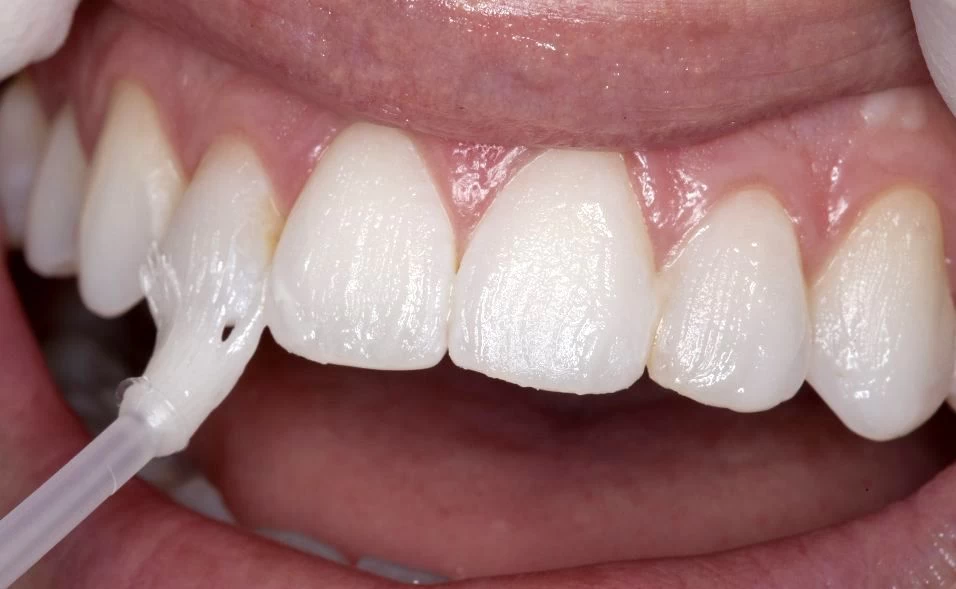
Fluoride treatment is a dental procedure where a dentist or hygienist applies a concentrated form of fluoride directly to the teeth. The fluoride comes as a gel, foam, or varnish. According to the American Dental Association (ADA), your dentist may paint it on with a brush or swab, or place it in a tray that fits over your teeth for a few minutes. The whole process takes less than five minutes.
Fluoride is a natural mineral found in water, soil, and many foods. It works by replacing lost minerals in the tooth enamel through a process called remineralization. According to the Centers for Disease Control and Prevention (CDC), fluoride also slows the production of acid by harmful bacteria in the mouth, making it harder for those bacteria to stick to the teeth. This three-part action helps stop early tooth decay before it becomes a cavity.
Families in Hialeah who want to keep their teeth strong can add fluoride treatments to their regular dental visits for extra protection against decay.
Is Fluoride Treatment at the Dentist Worth It?
Yes, fluoride treatment at the dentist is worth it for most people. Professional fluoride contains a much higher concentration of the mineral than what you find in toothpaste or mouth rinse. That stronger dose gives your teeth an extra layer of defense against decay.
A large study cited by Healthline found that children and teens who received fluoride treatments for one year were 43% less likely to have tooth decay and cavities. According to the CDC, fluoridated water alone prevents at least 25% of tooth decay in children and adults. A professional treatment adds even more protection on top of daily brushing.
Data from the National Institute of Dental and Craniofacial Research (NIDCR) shows that about 52% of children ages 6 to 8 have already had dental caries in their primary teeth. The CDC's 2024 Oral Health Surveillance Report found that nearly 21% of adults ages 20 to 64 have at least one permanent tooth with untreated decay. These numbers show that tooth decay is still very common, which is why professional fluoride treatments remain a smart investment in your oral health.
Can Fluoride Reverse Tooth Decay?
Fluoride can reverse tooth decay in its very early stages, but it cannot fix a cavity that has already formed. When bacteria and acid begin to wear away the minerals in tooth enamel, fluoride steps in and helps put those minerals back. According to the ADA, this remineralization process can repair microscopic areas of damage before they turn into full cavities.
A review published by the National Library of Medicine (StatPearls) confirmed that fluoride works through three main actions: it slows demineralization, speeds up remineralization, and reduces acid production by plaque bacteria. Once decay breaks through the enamel and reaches the softer inner layer of the tooth, fluoride alone cannot repair the damage. At that point, restorative work like tooth-colored fillings or other treatments become necessary.
Who Needs Fluoride Treatment the Most?
Fluoride treatment benefits people of all ages, but some groups need it more than others. According to Cleveland Clinic and WebMD, people at higher risk of cavities get the most benefit. These include individuals with dry mouth caused by medications or conditions like Sjögren's syndrome, people with a history of frequent cavities, anyone with gum disease, and those who wear crowns, bridges, or braces.
The ADA recommends fluoride varnish for children starting when their first tooth appears. According to the U.S. Preventive Services Task Force, fluoride varnish should be applied to the primary teeth of all infants and young children to prevent early cavities. For adults, the ADA recommends 2.26% fluoride varnish at least every three to six months for those at elevated risk of decay.
In Hialeah, Florida, where many families rely on the public water supply, professional fluoride treatments at the dentist are especially valuable now that fluoride is no longer being added to community water. Residents who drink mostly bottled water or use reverse osmosis filters at home may also benefit from more frequent treatments.
Do 70-Year-Olds Need Fluoride Treatments?
Yes, 70-year-olds and other older adults do need fluoride treatments. According to the CDC, 1 in 5 adults ages 65 and older have untreated tooth decay. Aging brings many changes that increase the risk of cavities, including receding gums, dry mouth from medications, and worn enamel.
Research published in the Journal of Dental Research found that professionally applied fluoride varnish and gel treatments significantly reduced the need for future cavity-related fillings and extractions in high-risk adults. The study also showed a dose-response benefit, meaning two or more treatments per year offered greater protection than just one.
Older adults in the Hialeah area who take multiple medications or have a history of dental work should talk to their dentist about adding fluoride treatments to their preventive care routine.
At What Age Do You Stop Getting Fluoride Treatments at the Dentist?
There is no set age to stop getting fluoride treatments at the dentist. The ADA recommends professional fluoride for people of all ages who are at risk of cavities. Children, teens, adults, and seniors can all benefit.
A common myth is that fluoride is only for kids. In reality, data from Colgate Professional shows that 9 in 10 American adults ages 20 to 64 are affected by dental caries. According to the ADA's clinical guidelines, adults with root caries should receive fluoride varnish every three to six months. The decision to continue or stop fluoride treatments depends on each person's cavity risk, not their age.
How Often Do Dentists Do Fluoride Treatments?
Dentists typically do fluoride treatments every three, six, or twelve months. The exact schedule depends on how high your risk of cavities is. According to the Journal of the American Dental Association (JADA), the frequency is based on your overall oral health, history of decay, and other risk factors.
For most children and adults with average risk, fluoride is applied during their regular cleaning appointments every six months. For people with higher cavity risk, the ADA suggests treatments as often as every three months. Your dentist in Hialeah can evaluate your teeth and recommend the right schedule during your next dental exam.
What Are the Cons of Fluoride Treatment?
The cons of fluoride treatment are few and mostly related to overuse, not the treatment itself. The most discussed side effect is dental fluorosis, which causes faint white spots or streaks on the tooth enamel. According to Cleveland Clinic, fluorosis typically happens in children under 6 who swallow too much fluoride during the years their permanent teeth are still forming.
A review published by the National Center for Biotechnology Information (NCBI) states that more than 80% of fluoride toxicity cases occur in children under 6, usually from accidentally swallowing toothpaste or mouthwash. For adults whose teeth are already fully developed, topical fluoride treatments do not carry a risk of fluorosis.
Some patients report mild nausea if they accidentally swallow fluoride during a treatment. That is why dental professionals use only small amounts of fluoride varnish and apply it carefully. When used as directed by a trained professional, fluoride treatments are considered safe and effective by the ADA, the CDC, and the World Health Organization.
Why Do People Not Like Fluoride Treatments?
People do not like fluoride treatments for a few common reasons. Some dislike the taste of the fluoride gel or varnish. Others feel uncomfortable not eating or drinking for 30 minutes after the treatment. And some have concerns about fluoride safety that stem from online misinformation.
While debates about water fluoridation exist, professional fluoride treatments at the dentist are a different matter. The concentration is controlled, the amount is small, and it is applied topically rather than swallowed. According to the ADA, the benefits of fluoride for people at risk of cavities outweigh the potential for harm across all age groups. If you are unsure about fluoride, talking with your dentist during a family dentistry visit is the best way to make an informed choice.
What Not To Do After Getting Fluoride Treatment?
After getting fluoride treatment, do not eat, drink, or rinse your mouth for at least 30 minutes. This waiting period allows your teeth to fully absorb the fluoride. According to Colgate, eating or drinking too soon can wash away the fluoride before it has time to repair microscopic areas of decay.
According to UMass Memorial Health, you should also avoid hot foods and drinks for a few hours after the application and skip brushing or flossing for at least four to six hours. Stick to soft, lukewarm foods when you do eat. These steps help you get the full benefit of the treatment.
What Is the 2 2 2 Rule in Dentistry?
The 2 2 2 rule in dentistry is a simple guideline for daily oral care. It means you should brush your teeth 2 times a day, for 2 minutes each time, and visit the dentist at least 2 times a year. This rule helps keep your teeth and gums healthy between professional cleanings.
Following the 2 2 2 rule with fluoride toothpaste is one of the easiest ways to protect your teeth every day. According to the CDC, brushing twice daily with fluoride toothpaste and drinking fluoridated water together offer more cavity protection than either one alone. For Hialeah residents who no longer have fluoridated tap water, sticking to fluoride toothpaste and regular dental checkups is more important than ever. Pairing good home care with professional teeth cleaning gives your smile the best chance to stay healthy.
What Happens If I Stop Using Fluoride?
If you stop using fluoride, your teeth lose a layer of protection against acid and bacteria. Over time, this makes the enamel weaker and more likely to develop cavities.
Real-world data supports this. According to the ADA, after Juneau, Alaska stopped adding fluoride to its water supply in 2007, dental procedures and treatment costs for children from low-income families went up. A 2018 report from the Windsor-Essex County Health Unit in Canada showed that the percentage of children with decay or urgent dental needs increased by 51% after water fluoridation was removed in 2013. Calgary, Canada also saw more tooth decay in children after it stopped fluoridation in 2011.
With Florida's statewide ban on water fluoridation now in effect as of July 2025, Hialeah families should consider increasing their use of fluoride toothpaste, fluoride mouth rinse, and professional fluoride treatments to fill the gap left by the removal of fluoride from the public water supply.
Does Bottled Water Contain Fluoride?
Most bottled water does not contain enough fluoride to help prevent cavities. According to the ADA, the majority of bottled water brands do not have the optimal level of 0.7 milligrams per liter that is recommended for cavity prevention. Some brands add fluoride, but many do not.
If your family in Hialeah relies on bottled water or filtered water from a reverse osmosis system, you may not be getting enough fluoride from your drinking water alone. WebMD notes that reverse osmosis systems remove between 65% and 95% of fluoride. Standard carbon or charcoal filters generally do not remove fluoride, but they also do not add it. Checking the label on your bottled water or contacting the manufacturer can help you find out how much fluoride your water contains.
What Are the Alternatives to Fluoride?
The main alternatives to fluoride for cavity prevention include hydroxyapatite toothpaste, xylitol-based products, and dental sealants. Hydroxyapatite is a mineral that makes up most of your tooth enamel. Some toothpaste brands use it as a fluoride-free option to help remineralize teeth. Xylitol is a natural sweetener that reduces the growth of cavity-causing bacteria.
Dental sealants are thin, protective coatings applied to the chewing surfaces of back teeth. According to the CDC, sealants can prevent about 80% of cavities in back teeth for the first two years after application. While these alternatives can be helpful, the ADA still considers fluoride the gold standard for cavity prevention because it has the most research backing its effectiveness.
Fluoride Treatment at a Glance: Key Facts Comparison
FactorProfessional Fluoride TreatmentFluoride ToothpasteFluoridated WaterFluoride Concentration12,300 to 22,600 ppm1,000 to 1,500 ppm0.7 ppm (mg/L)Application MethodVarnish, gel, or foam applied by a dentistSelf-applied during brushingConsumed through drinking waterFrequencyEvery 3 to 12 monthsTwice dailyOngoing with each glass of waterCavity ReductionUp to 43% in children and teensAbout 25% when used consistentlyAbout 25% across all agesWho Benefits MostHigh-risk children and adultsEveryoneEntire community, especially underserved groupsRisk of FluorosisVery low when applied by a professionalLow, if children spit out toothpasteLow at recommended levels
Sources: American Dental Association, Centers for Disease Control and Prevention, Cleveland Clinic, Healthline
Frequently Asked Questions
Is Fluoride Treatment Safe for Kids in Hialeah?
Yes, fluoride treatment is safe for kids in Hialeah when applied by a trained dental professional. The ADA recommends fluoride varnish starting when a child's first tooth appears. Only a small amount of varnish is used, and very little fluoride is swallowed. According to Stanford Children's Health, the fluoride applied during a dental visit is safe and helps prevent tooth decay in children.
How Long Does a Fluoride Treatment Last?
A fluoride treatment lasts several months in terms of its protective effect on your teeth. The actual appointment takes less than five minutes. According to the ADA, varnishes must be reapplied at regular intervals, with at least two applications per year needed for lasting benefit. Your dentist at Castellanos Dental Aesthetics can recommend the right reapplication schedule for you.
Do Adults in Hialeah Need Fluoride Treatments?
Yes, adults in Hialeah need fluoride treatments, especially now that Miami-Dade County has stopped adding fluoride to the public water supply. According to the ADA, adults at risk of cavities benefit from professional fluoride applications. Risk factors include dry mouth, gum disease, a history of frequent cavities, and having dental crowns or braces.
Can Fluoride Treatment Help With Sensitive Teeth?
Yes, fluoride treatment can help with sensitive teeth. Fluoride strengthens weakened enamel and reduces the exposure of nerve endings that cause sensitivity. According to Dental Economics, fluoride varnish is commonly used in adults for dentin desensitization as well as cavity prevention. Patients with receding gums or worn enamel in the Hialeah area often notice a difference after treatment.
Is Fluoride Treatment Covered by Dental Insurance?
Fluoride treatment is covered by many dental insurance plans, especially for children under 18. Coverage for adults varies by plan. According to the ADA, professional fluoride is considered a preventive service, and most insurers cover preventive treatments. To learn about your options, you can visit the insurance and financing page for more details.
Why Is Fluoride in Water Being Removed in Florida?
Fluoride is being removed from water in Florida because of a statewide law (Senate Bill 700) that prevents water providers from adding fluoride to public water supplies. The law went into effect on July 1, 2025. Miami-Dade County had already stopped adding fluoride on May 29, 2025, following a decision by the Board of County Commissioners. The ADA, CDC, and World Health Organization continue to support water fluoridation at recommended levels as safe and effective.
Where Can I Get Fluoride Treatment in Hialeah, Florida?
You can get fluoride treatment in Hialeah, Florida at a trusted dental office that offers preventive dentistry services. During a routine cleaning or dental exam, your dentist can apply fluoride varnish, gel, or foam in just a few minutes. It is a simple and painless step that makes a big difference in protecting your teeth.
Final Thoughts
Fluoride treatment is one of the simplest and most effective ways to protect your teeth from cavities. It works for children and adults alike. It is quick, painless, and backed by decades of research from leading health organizations. With Florida's recent changes to water fluoridation, getting fluoride through professional dental treatments and fluoride toothpaste is now the primary way Hialeah families can keep their teeth strong.
If you are ready to protect your smile, contact Castellanos Dental Aesthetics in West Hialeah to schedule your next appointment. Whether you need a fluoride treatment, a cleaning, or a full dental exam, the team is here to help you and your family stay healthy. Call 305-820-4080 today to get started.
.png)
.png)

.png)


.png)
.png)
.png)
.png)
.png)

.png)
.png)
.svg)


