.png)
.svg)
.png)

What Is Dental Bonding and How Long Does It Last?
.png)
.png)
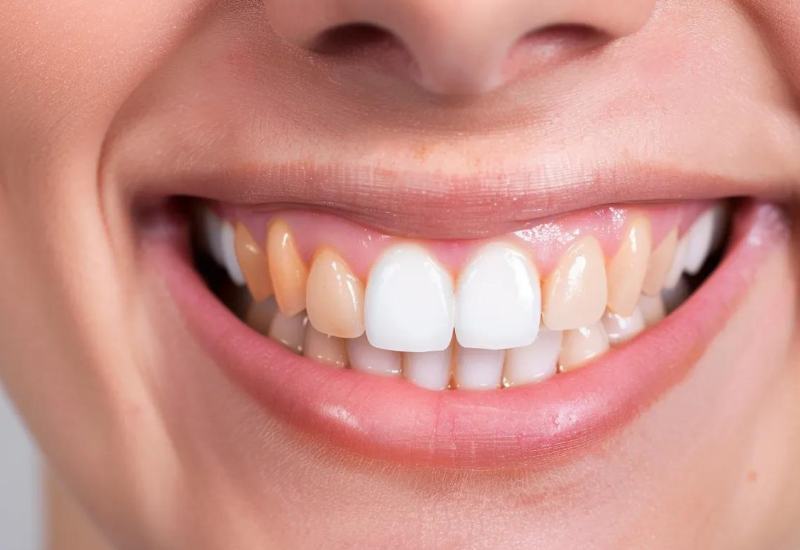
Dental bonding is a cosmetic dental procedure where a tooth-colored composite resin is applied to your teeth to fix chips, cracks, gaps, or discoloration. It typically lasts between 3 and 10 years, depending on your oral habits and the location of the bonding. It is one of the fastest, most affordable, and least invasive ways to improve your smile in a single visit. Below, this article covers everything you need to know about dental bonding, from how the procedure works and what affects its lifespan to how it compares to veneers and crowns.
What Is Dental Bonding and How Does It Work?
Dental bonding is a cosmetic procedure that uses a tooth-colored composite resin material to change the shape, size, or color of your teeth. According to the Cleveland Clinic, a dentist applies the resin directly to the tooth, sculpts it into the right shape, and hardens it with a special curing light. The entire process bonds the material to your natural tooth, which is where the name comes from.
This procedure is one of the most popular options in cosmetic dentistry today. Data from a cosmetic dentistry industry report shows that bonding accounts for about 54% of all aesthetic dental treatments performed in the United States. Its lower price point and quick turnaround make it a go-to choice for patients in Hialeah, Florida and across South Florida who want fast smile improvements.
A survey by the American Academy of Cosmetic Dentistry (AACD) found that 99.7% of Americans believe a smile is an important social asset. Another AACD study revealed that 96% of adults think an attractive smile makes a person more appealing, and 74% feel an unattractive smile can hurt career success. Dental bonding is one of the easiest ways to address the small flaws that hold people back from smiling with confidence.
What Does the Dental Bonding Procedure Look Like Step by Step?
The dental bonding procedure follows a simple, step-by-step process that is usually finished in one office visit. According to the Cleveland Clinic, the typical appointment takes about 30 to 60 minutes per tooth. Here is what to expect:
First, your dentist selects a composite resin shade that closely matches the color of your natural teeth using a shade guide. Next, the surface of your tooth is lightly roughened, and a conditioning liquid is applied. This helps the bonding material stick to the tooth. The putty-like resin is then applied, molded, and smoothed into the right shape. A special curing light hardens the material in seconds. Finally, the dentist trims, shapes, and polishes the bonded area so it blends naturally with the rest of your smile.
Anesthesia is usually not needed unless the bonding is filling a cavity or the chip is near the nerve. Most patients in the West Hialeah area find the process completely painless. There is zero downtime, and you can resume normal activities right after leaving the office.
How Long Does Dental Bonding Last?
Dental bonding lasts between 3 and 10 years on average, according to the Cleveland Clinic. Some patients enjoy their bonding for even longer with excellent care. The actual lifespan depends on several factors, including your oral hygiene, the location of the bonding on the tooth, and your daily habits.
Bonding on front teeth tends to last longer because those teeth experience less biting force than back molars. Habits like chewing ice, biting fingernails, or using teeth to open packages can shorten the life of bonding. Data published by Premier Dental Ohio notes that dentists have seen bonding that is more than 20 years old when patients commit to great care and maintenance.
If you live in Hialeah or anywhere in South Florida, the warm climate means you may enjoy more cold drinks and ice, so being mindful of those habits is especially important to protect your bonded teeth.
What Factors Affect How Long Dental Bonding Lasts?
The factors that affect how long dental bonding lasts include material quality, oral hygiene, diet, tooth location, and habits like teeth grinding. Each one plays a real role in whether your bonding lasts 3 years or 10 years or more.
Oral hygiene is the biggest factor. Brushing twice a day, flossing daily, and keeping up with regular professional teeth cleanings all help extend the life of bonding. Plaque buildup at the edges of the bonding can cause new cavities, which breaks the bond between the resin and the tooth.
Teeth grinding (bruxism) puts extra stress on bonded areas and can cause chipping or cracking. According to the Shelburne Village Dentistry blog, a misaligned bite can change how pressure is spread across your teeth, wearing bonding down faster. A custom nightguard can help protect your bonding if you grind or clench at night.
Diet choices matter too. Foods and drinks that stain, like coffee, tea, red wine, and tobacco, can discolor the composite resin over time. Hard and sticky foods can chip the bonding material. Cutting hard fruits and vegetables into smaller pieces instead of biting directly into them is a simple way to protect your investment.
Is Dental Bonding a Good Option for Front Teeth?
Yes, dental bonding is a great option for front teeth. Front teeth are actually one of the best locations for bonding because they experience less biting pressure than back teeth. According to San Rafael Dentistry, bonding on front teeth tends to last longer because of this reduced force.
Many families in Hialeah and across South Florida choose bonding for front teeth to fix small chips, close minor gaps, or cover discoloration that teeth whitening alone cannot address. The composite resin is color-matched to your natural teeth, so the repair is nearly invisible. Patients at Castellanos Dental can see the improvement right away, often leaving the office with a brand-new smile in under an hour.
Can Dental Bonding Fix Chipped or Cracked Teeth?
Yes, dental bonding can fix chipped or cracked teeth, as long as the damage is minor and does not affect the overall structure of the tooth. According to the Cleveland Clinic, bonding can hide chips, cracks, and other small imperfections by rebuilding the missing tooth structure with composite resin.
For small to moderate chips, bonding is one of the most common and effective repairs available. The resin is shaped to match the natural contours of the tooth, and the result looks and feels very close to the original. However, if the chip is large or the tooth is severely damaged, a dental crown or veneer may be a better choice because those options offer more strength and protection.
Does Dental Bonding Stain Over Time?
Yes, dental bonding can stain over time. The composite resin used in bonding is somewhat stain-resistant, but it does not resist stains as well as porcelain veneers or crowns. The Cleveland Clinic confirms that bonding material is more prone to discoloration, especially from coffee, tea, red wine, and tobacco.
The first 48 hours after the bonding procedure are the most important for avoiding stains. During this window, patients should stay away from dark-colored foods and beverages. Over the long term, limiting stain-causing substances and keeping up with regular dental cleanings can help the bonding stay looking fresh. If staining does happen, a dentist can often polish out surface stains. Deep stains may require replacing the bonding with new material.
What Is the Difference Between Dental Bonding and Veneers?
The main difference between dental bonding and veneers is that bonding adds composite resin directly to the tooth in one visit, while veneers are custom-made thin shells (usually porcelain) that cover the front surface of the tooth and typically require two or more visits.
According to Aspen Dental, bonding works best for minor cosmetic fixes like small chips, slight gaps, and minor discoloration. Porcelain veneers can correct more significant issues, including deep staining, larger chips, and mild misalignment. Veneers are also more stain-resistant and longer-lasting.
The table below shows how bonding and veneers compare across key categories:
FeatureDental BondingPorcelain VeneersAverage Lifespan3 to 10 years10 to 15+ yearsVisits Required1 visit (30-60 min per tooth)2 to 3 visitsEnamel RemovalLittle to noneThin layer removed (irreversible)Stain ResistanceModerate (can stain over time)High (porcelain resists stains)ReversibilityYes (fully reversible)No (permanent change to tooth)Best ForMinor chips, small gaps, light discolorationFull smile makeovers, deep staining, reshaping
Sources: Cleveland Clinic, Aspen Dental, CNS Dental, Long Lake Family Dentistry
Patients in Hialeah who are unsure which option fits their needs can explore both through a smile design consultation. The right choice depends on your goals, budget, and how much correction you need.
Is Dental Bonding Reversible?
Yes, dental bonding is reversible. Unlike veneers or crowns, bonding typically does not require the removal of natural tooth enamel. The Cleveland Clinic notes that because no enamel is taken away during the bonding process, the procedure can be undone or changed at any time. This makes it one of the most conservative cosmetic treatments available.
This reversibility is a big advantage for patients who want to improve their smile but are not ready for a permanent change. If your needs change later, the bonding can be removed and replaced with veneers, crowns, or a different treatment with no lasting effect on the tooth underneath.
Who Is a Good Candidate for Dental Bonding?
A good candidate for dental bonding is someone with minor cosmetic issues, healthy teeth and gums, and good overall oral health. Bonding works best for people dealing with small chips, minor cracks, slight gaps, stubborn discoloration, or teeth that are a little too short.
According to WebMD, composite resin is the material used in about 72% of dental restorations, showing just how widely trusted this material is across the dental industry. Bonding is not the best choice for patients with severe decay, large areas of damage, or gum disease. Those patients may need restorative dentistry options like crowns, bridges, or implants first.
Patients who grind their teeth heavily may also want to consider whether bonding is durable enough for their situation, or if a stronger option is needed. A dentist in the West Hialeah area can evaluate your teeth and recommend the right path forward.
How Do You Take Care of Dental Bonding?
You take care of dental bonding the same way you take care of your natural teeth, with a few extra precautions. Brush at least twice a day with a soft-bristled toothbrush and fluoride toothpaste. Floss once a day. Use an alcohol-free mouthwash, as alcohol-based formulas can weaken the bonding material over time.
Avoid biting down on hard objects like ice, pens, hard candy, and fingernails. Do not use your teeth to open packages or bottles. If you clench or grind your teeth at night, ask your dentist about a custom nightguard to protect the bonding while you sleep.
Keeping up with regular dental exams is also important. Your dentist can catch early signs of wear, chipping, or staining and take care of small issues before they become big ones. The Colgate Oral Care Center recommends scheduling checkups every six months to keep bonded teeth in the best shape possible.
Can You Whiten Teeth That Have Dental Bonding?
No, you cannot whiten dental bonding material. Composite resin does not respond to teeth whitening treatments the way natural enamel does. If you whiten your natural teeth after getting bonding, the bonded areas may look darker or mismatched compared to the rest of your smile.
This is why dentists recommend professional teeth whitening before getting bonding done. That way, the dentist can match the resin color to your newly whitened teeth. If you already have bonding and want a whiter smile, the bonding may need to be replaced with a lighter shade of resin after the whitening treatment. Patients in Hialeah who are thinking about both whitening and bonding should discuss the right order of treatment with their dentist.
How Do You Know When Dental Bonding Needs to Be Replaced?
You know dental bonding needs to be replaced when you notice chipping, cracking, rough edges, discoloration, or looseness. According to San Rafael Dentistry, these are the most common signs that the bonding has reached the end of its lifespan or has been damaged.
If the bonded area feels sharp or uneven when you run your tongue over it, that is a sign the material may have chipped. Visible yellowing or browning that cannot be polished away means the stain has absorbed below the surface. If the bonding feels loose or shifts when you bite, you should schedule a dental visit right away to prevent further damage to the natural tooth underneath.
Catching these signs early helps avoid bigger problems down the road. Preventive dentistry habits and regular checkups make it much easier to stay ahead of any issues with bonding.
Does Insurance Cover Dental Bonding?
Insurance coverage for dental bonding depends on the reason for the procedure. If bonding is done purely for cosmetic reasons, most dental insurance plans do not cover it. However, if the bonding is medically necessary, like filling a cavity or repairing a cracked tooth, insurance may cover part of the cost.
The American Dental Association notes that coverage varies widely by plan. It is always a good idea to check with your insurance provider before scheduling the procedure. For patients in Hialeah and throughout South Florida, flexible financing options can help make bonding more affordable even without full insurance coverage.
Frequently Asked Questions
Is Dental Bonding Painful?
No, dental bonding is not painful. The procedure rarely requires anesthesia unless the bonding is filling a cavity or the damage is close to the nerve. Most patients in the Hialeah, Florida area describe the process as completely comfortable, with no downtime afterward.
How Long Does a Dental Bonding Appointment Take?
A dental bonding appointment takes about 30 to 60 minutes per tooth, according to the Cleveland Clinic. If only one or two teeth need bonding, you can be in and out of the office in under an hour. Patients who need multiple teeth bonded may need a slightly longer visit.
Can Kids Get Dental Bonding?
Yes, kids can get dental bonding. It is a popular option for children who chip or crack a tooth during play or sports. The process is quick, painless, and does not require removing any tooth structure. Families in West Hialeah looking for family dentistry solutions often find bonding to be a great fit for younger patients.
Does Dental Bonding Look Natural?
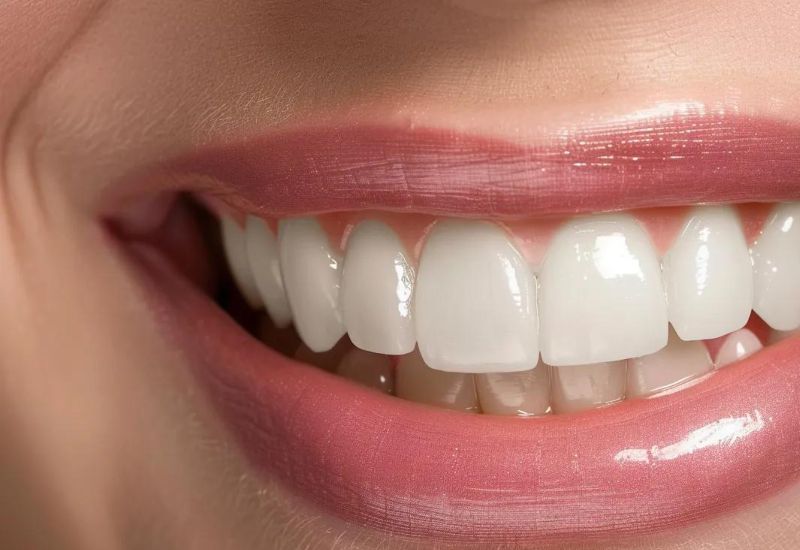
Yes, dental bonding looks natural when done by a skilled cosmetic dentist. The composite resin is carefully color-matched to your existing teeth using a shade guide. Once shaped and polished, the bonded area blends in so well that most people cannot tell the difference between the bonding and the natural tooth.
Can Dental Bonding Close Gaps Between Teeth?
Yes, dental bonding can close small gaps between teeth. The composite resin is applied to the sides of the teeth on either side of the gap and sculpted to fill the space. For larger gaps, orthodontic treatments like clear aligners may be a better long-term solution.
How Often Should You Visit the Dentist After Getting Dental Bonding?
You should visit the dentist every six months after getting dental bonding, just like you would with your natural teeth. Regular checkups allow your Hialeah dentist to monitor the bonding for any early signs of wear, staining, or chipping and address small issues before they become costly repairs.
Is Dental Bonding Better Than a Crown?
Dental bonding is better than a crown for minor cosmetic fixes because it is less invasive, faster, and more affordable. Crowns are better for teeth with significant structural damage because they cover the entire tooth and provide more strength. The right choice depends on how much damage your tooth has and what your dentist recommends.
Final Thoughts
Dental bonding is one of the simplest and most effective ways to improve your smile. It is fast, affordable, reversible, and can fix a wide range of cosmetic issues in just one visit. With proper care, bonding can last up to 10 years or even longer. The key is good oral hygiene, smart habits, and regular dental checkups.
If you are in the Hialeah, Florida area and want to find out whether cosmetic dental bonding is right for you, Castellanos Dental is ready to help. With over 25 years of experience serving West Hialeah and the greater South Florida community, our team provides personalized care for every patient. Call 305-820-4080 or visit our office to schedule a consultation and take the first step toward the smile you have always wanted.

.png)
.png)

.png)


.png)

.png)
.png)
.png)
.png)

.png)
.png)
.svg)


