.png)
.svg)
.png)

What Is a Dental Crown and When Do You Need One?
.png)
.png)
A dental crown is a tooth-shaped cap that covers a damaged or weakened tooth to restore its shape, size, strength, and appearance. You need a dental crown when a tooth is too damaged for a filling alone, when a tooth needs protection after a root canal, or when you want to improve the look of a severely discolored or misshapen tooth. This article covers everything you need to know about dental crowns: what they are, the different types, exactly when dentists recommend them, what the procedure looks like, how long crowns last, what can go wrong, and how to take care of them.
What Is a Dental Crown?
A dental crown is a custom-made cap that fits over the entire visible part of a tooth, from the gum line up. Think of it as a protective helmet for a damaged tooth. It restores the tooth to its original shape and size while giving it the strength it needs to function normally. Once cemented in place, a well-made crown is very hard to tell apart from a natural tooth.
Crowns are one of the most common restorative dental procedures performed in the United States. They serve both a functional role, protecting weak teeth from further damage, and a cosmetic role, improving the look of stained, worn, or oddly shaped teeth. At Castellanos Dental Aesthetics in West Hialeah, Florida, Dr. Madeleine Castellanos-Gonzalez has been placing dental crowns with precision and care for over 25 years.
What Are the Different Types of Dental Crowns?
The types of dental crowns are porcelain, porcelain-fused-to-metal (PFM), zirconia, gold, and composite resin. Each material has its own strengths, and the best choice depends on which tooth needs the crown and what your personal priorities are.
What Are Porcelain Crowns?
Porcelain crowns are all-ceramic caps that are color-matched to blend in with your surrounding teeth. They are the most natural-looking option and are a popular choice for front teeth. Porcelain crowns typically last between 5 and 15 years, according to dental research published in various clinical studies on crown longevity.
What Are Zirconia Crowns?
Zirconia crowns are made from a very strong ceramic material. Research from BDJ Open (2024) found that zirconia crowns, over a 15-year follow-up period, showed strong durability for natural tooth-supported restorations. Many dentists report zirconia crowns lasting 20 years or longer due to their high resistance to fracture. They are a solid choice for both front and back teeth.
What Are Porcelain-Fused-to-Metal Crowns?
Porcelain-fused-to-metal (PFM) crowns combine a metal inner structure with a porcelain outer layer. They offer good aesthetics and added strength. PFM crowns typically last 10 to 15 years. One drawback is that the metal edge can sometimes show near the gum line over time, especially if the gums recede.
What Are Gold or Metal Crowns?
Gold and other metal alloy crowns are the most durable option available. Research consistently shows gold crowns achieve survival rates exceeding 95% over ten years, making them the longest-lasting crown type. They are usually placed on back molars where strength matters most and appearance is less of a concern.
Crown TypeTypical Lifespan10-Year Survival RateBest ForGold / Metal20+ years95%+Back molarsZirconia20+ yearsVery highFront & back teethPorcelain-Fused-to-Metal10–15 years~80–85%Visible teeth, back teethAll-Porcelain / Ceramic5–15 years~75–80%Front teeth
Sources: ashleyburnsdds.com clinical longevity data; BDJ Open 2024 zirconia crown prospective study; ScienceDirect six-year crown survival analysis.
How Do You Know If You Actually Need a Crown?
You actually need a crown when a tooth has damage or decay that is too large for a regular filling to fix, when the tooth is cracked or broken, when it has been worn down significantly, or when it needs to be anchored to a dental bridge or implant. A dentist can confirm this with a visual exam and dental X-rays.
Some of the clearest signs that a crown may be in your future include a tooth that cracks when you bite down, pain that gets worse when you chew, a very old large filling that is failing, or a tooth that has had a root canal. Patients across Hialeah and the surrounding communities often discover they need a crown during a routine dental exam, which is one strong reason to keep up with regular checkups.
The restorative dentistry team at Castellanos Dental uses X-rays and a full clinical exam to give you an accurate picture of your tooth's condition before recommending any treatment.
When Do Dentists Recommend Dental Crowns?
Dentists recommend dental crowns in several key situations: to protect a tooth after a root canal, to restore a severely decayed tooth, to hold a dental bridge in place, to cover a dental implant, to repair a cracked or broken tooth, or to improve the appearance of a discolored or misshapen tooth. These are the most common reasons patients in West Hialeah and the wider South Florida area end up getting a crown.
Do I Need a Root Canal or Just a Crown?
You need a root canal when the infection or damage has reached the inner pulp of the tooth. You need just a crown when the tooth structure is compromised but the pulp is still healthy. The two procedures are not the same choice: a root canal treats the inside of the tooth, while a crown protects the outside.
A common misconception is that you have to choose one or the other. Very often, both are needed together. A root canal removes the infected tissue and relieves pain. After that, the tooth becomes more brittle, and a crown is placed to protect it from fracturing. According to data cited in clinical dental literature, nearly 15 million root canals are performed in the United States every year, and a large share of those teeth then receive a crown as the final step of restoration.
If the tooth pain you feel is triggered by heat, cold, or pressure and does not go away quickly, that is often a sign the pulp is involved and a root canal may be needed before the crown is placed. Your dentist will take X-rays to check the health of the pulp before making a recommendation.
Why Do Dentists Push for Crowns?
Dentists recommend crowns because a crown is often the most effective way to save a tooth that cannot be adequately protected by a filling. A large filling in a weak tooth increases the risk of the tooth cracking or breaking altogether, which can result in tooth loss. A crown distributes biting forces evenly across the entire tooth, preventing this outcome.
A good dentist is not pushing a crown for financial reasons. They are recommending it because waiting too long on a damaged tooth often leads to more expensive and more complicated treatment down the road. Families in the Miami Lakes and Hialeah Gardens areas who visit Castellanos Dental for regular exams often catch these issues early, when a crown is still the simple solution.
Does a Crown Procedure Take Long?
A crown procedure typically takes two dental visits spread over two to three weeks. The first visit involves preparing the tooth, taking impressions or digital scans, and placing a temporary crown. The second visit is when the permanent crown is cemented in place. Each appointment generally lasts one to two hours.
At the first appointment, the dentist numbs the tooth and the area around it. Then the outer portion of the tooth is reshaped so the crown can fit over it properly. An impression or a digital scan is taken to create a precise model of your tooth. That model is sent to a dental lab where your custom crown is made. A temporary crown protects the tooth in the meantime. During the second visit, the temporary crown is removed, and the permanent crown is checked for fit and color before being cemented in.
Some dental offices now offer same-day crowns using CAD/CAM milling technology, which eliminates the need for a second visit. This can be a good option if your schedule is tight. Ask your dentist whether same-day crown technology is available at their office.
Can I Eat Normally With a Crown?
Yes, you can eat normally with a crown once it is fully cemented and any sensitivity has settled down. A permanent dental crown restores the tooth to full chewing function. Most people return to their regular diet within a day or two of the final placement.
During the temporary crown phase, it is best to avoid very sticky foods like caramel or chewing gum, and to avoid biting down hard on things like ice or hard candies. Once the permanent crown is in, those precautions are much less critical, though dentists still advise against chewing ice as a general habit because it can chip or crack any tooth or restoration over time.
How Long Do Crowns on Teeth Last?
Crowns on teeth last anywhere from 5 to 20 years or more, depending on the material, the location of the tooth, and how well you care for them. According to clinical data, about 90% of crowns are still in good condition after five years, and approximately 80 to 85% remain functional at the ten-year mark. By 15 years, roughly 70% of crowns are still working well, according to data reported by dental longevity researchers.
Gold and zirconia crowns tend to outlast porcelain ones. A gold crown on a back molar, with proper care, can easily last 20 years or more. Porcelain crowns on front teeth are slightly more prone to chipping and may not last as long if you grind your teeth at night.
For residents in Palm Springs North and surrounding Hialeah neighborhoods, keeping up with routine preventive dental care is one of the simplest ways to extend the life of a crown.
What Happens to Crowns After 10 Years?
What happens to crowns after 10 years is that most are still intact, but some may begin to show wear, develop small gaps at the gum line, or allow decay to form at the crown margin where the cap meets the natural tooth. This is why regular dental checkups are so important even after a crown is placed.
At 10 years, your dentist will assess the crown's fit, check for any signs of recurrent decay underneath, and evaluate the surrounding gum tissue. A crown that was placed correctly and cared for properly can easily reach the 15 to 20-year mark before needing replacement.
What Percentage of Crowns Fail?
The percentage of crowns that fail within five years is roughly 10%. A large-scale data analysis published in ScienceDirect found a cumulative six-year survival rate of 88% for single dental crowns, meaning about 12% needed removal or extraction by that point. The most common reasons for failure are decay forming underneath the crown, crown fracture, loss of cement seal, and gum disease around the crowned tooth.
Crowns placed on teeth that have had root canals have a slightly higher failure risk, since the underlying tooth structure is more brittle, according to research in PubMed's dental clinical database. That said, the overall survival rates for properly placed crowns are strong. Most patients get many years of reliable use from their crown.
What Is the Most Common Cause of Crown Failure?
The most common cause of crown failure is decay forming at the margin, the point where the crown meets the tooth near the gum line. If bacteria accumulate in this area and the seal weakens over time, decay can work its way under the crown and damage the tooth beneath it. This is why brushing and flossing around the crown base is so important every day.
Other common causes include the crown cracking from heavy biting forces, gum disease loosening the supporting tooth structure, and the cement seal breaking down over many years. Teeth grinding (bruxism) puts extra stress on crowns and is one of the leading causes of early crown failure, particularly for porcelain restorations.
What Can Go Wrong With a Dental Crown?
What can go wrong with a dental crown includes the crown coming loose or falling off, the tooth underneath developing decay, the crown cracking or chipping, sensitivity to hot and cold, and gum irritation around the crown. Most of these problems can be caught and corrected early with routine dental visits.
If a crown falls off, keep it somewhere safe and call your dentist right away. Do not try to glue it back yourself. In most cases, the crown can be recemented if it came off cleanly and the underlying tooth is still in good shape.
What Happens When a Tooth Dies Under a Crown?
When a tooth dies under a crown, the pulp inside loses its blood supply and nerve function. This can happen due to untreated decay reaching the pulp, trauma to the tooth, or, in rare cases, the tooth preparation process itself. A dead tooth does not always cause pain, which is why it can go unnoticed without X-rays.
If the pulp becomes infected after a crown is already in place, a root canal can sometimes still be performed through the crown or through a small opening made in it. In more serious cases, the crown may need to be removed, a root canal done, and then a new crown placed. Dentists in the Hialeah area can detect these issues early with routine radiographs.
Do Teeth Go Bad Under Crowns?
Yes, teeth can go bad under crowns if oral hygiene is neglected or if the crown seal breaks down over time. The tooth structure beneath a crown is still natural tooth and can decay just like any other tooth if bacteria are allowed to accumulate at the gum margin. A crown does not make the tooth invincible; it just protects it.
The best way to prevent this is to brush twice a day, floss daily around the crown, and visit your dentist for regular checkups. General and family dentistry visits every six months allow your dentist to check the crown margin and take X-rays that can catch early-stage decay beneath the crown before it becomes a bigger problem.
What Is the Next Step After a Crown Fails?
The next step after a crown fails depends on the condition of the tooth underneath. If the tooth is still healthy and intact, a new crown can often be made and placed. If the tooth has sustained significant decay or structural damage, additional treatment like a root canal may be needed first. In the worst case, if the tooth cannot be saved, extraction followed by a dental implant or bridge may be recommended.
A dental bridge uses the two teeth on either side of a gap as anchor points. Dental bridges are a reliable option for patients who need to replace a tooth after a crown failure leads to extraction. Your dentist will walk you through all the options based on what the X-rays and exam reveal.
Can I Brush My Teeth After Getting a Crown?
Yes, you can and should brush your teeth after getting a crown. Proper brushing and flossing around a crowned tooth is one of the most important things you can do to extend its life. Use a soft-bristled toothbrush, fluoride toothpaste, and gentle circular motions along the gum line where the crown meets the tooth.
Flossing around crowns is just as important as brushing. Slide the floss gently under the contact point and curve it around the crown margin when you clean that area. If you have a temporary crown, be a little more careful: floss gently and avoid pulling the floss straight up, which can dislodge the temporary. Once the permanent crown is in, you can resume your full normal routine.
Are Dental Crowns Used in Cosmetic Dentistry Too?
Yes, dental crowns are used in cosmetic dentistry to cover severely stained, discolored, or misshapen teeth. When teeth whitening cannot fix the discoloration because it is caused by internal staining or fluorosis rather than surface stains, a crown gives the tooth a natural, attractive appearance that matches the surrounding smile.
At Castellanos Dental, crowns are part of a broader cosmetic dentistry approach that includes veneers, whitening, and full smile makeovers. For patients who have both functional and cosmetic concerns with a tooth, a crown is often the best solution because it addresses both at the same time. Patients from Hialeah Gardens and Miami Lakes regularly visit the West Hialeah office to explore these options.
If you are curious about how crowns compare to veneers for cosmetic improvement, the key difference is coverage. Veneers cover only the front surface of a tooth, while a crown covers the entire tooth. For a tooth that is healthy underneath but needs only a cosmetic improvement, a veneer may be a better fit. For a tooth that is already structurally compromised, a crown is the smarter choice.
Many patients who pursue a full smile transformation ask about how long smile makeover results last. When crowns are part of the plan, their durability plays a big role in the answer.
Can Dental Crowns Support Dental Implants?
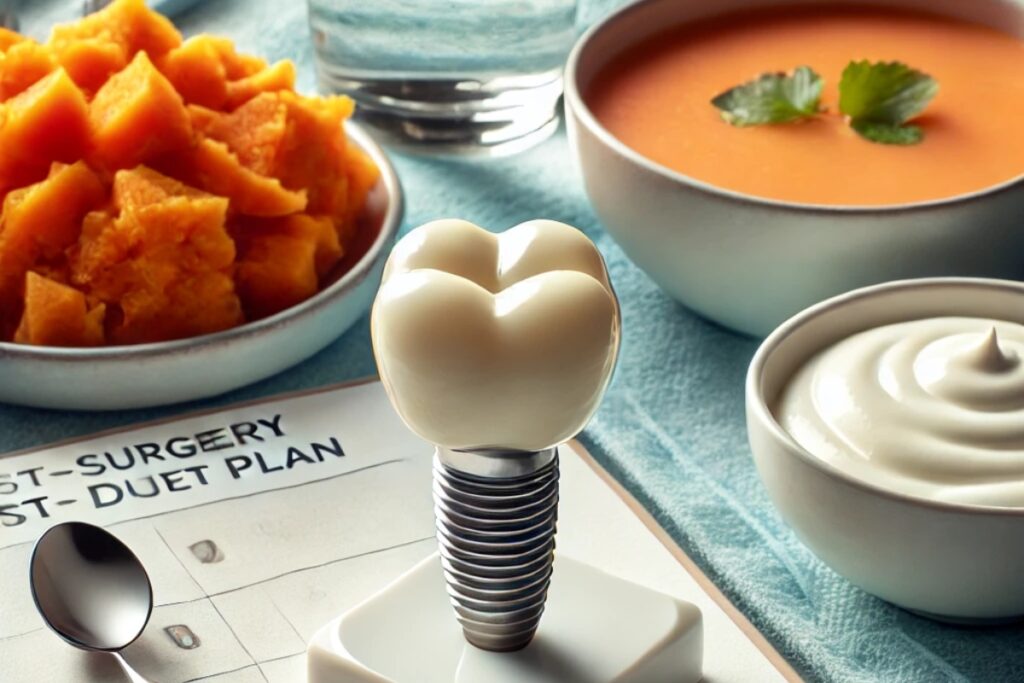
Yes, dental crowns are the final visible part of a dental implant restoration. When a tooth is lost and a titanium implant is placed into the jawbone, a crown is attached to the top of the implant post to create a natural-looking, fully functional replacement tooth. The crown is the part you see and use.
At Castellanos Dental, dental implants are available as a long-term tooth replacement option. A porcelain or zirconia crown placed on top of an implant is virtually indistinguishable from a natural tooth. Many patients across West Hialeah and the surrounding communities choose this option over bridges or dentures because of how natural it looks and feels.
Frequently Asked Questions About Dental Crowns in Hialeah, FL
How do you know if you actually need a crown in Hialeah?
You actually need a crown when a tooth has too much damage or decay for a filling to adequately protect it. Common signs include a tooth that is cracked, broken, severely worn, or has a very large old filling that is failing. Patients in Hialeah and West Hialeah should schedule a dental exam if they notice pain when biting, sensitivity that does not go away, or visible cracks in a tooth. Your dentist will use X-rays alongside a visual exam to confirm whether a crown is the right treatment.
How long do crowns last on teeth in South Florida's climate?
Crowns on teeth last between 5 and 20 years on average, with gold and zirconia crowns often lasting beyond 20 years. South Florida's climate does not directly affect crown materials, but habits like grinding teeth or consuming a lot of acidic foods and beverages, which are common in the Hialeah area diet, can shorten crown life. Staying on top of regular checkups at your West Hialeah dentist helps catch wear early.
Do I need a root canal before getting a crown at Castellanos Dental?
No, you do not always need a root canal before getting a crown. A root canal is only necessary if the pulp inside the tooth is infected or severely damaged. Many crowns are placed without any root canal treatment, such as when a tooth is cracked, heavily worn, or supporting a bridge. Dr. Castellanos will evaluate your tooth and recommend the appropriate treatment based on what the exam and X-rays show.
What percentage of crowns fail, and what causes it?
Roughly 10 to 12% of crowns show some form of failure within six years, based on large-scale clinical data published in ScienceDirect. The most common causes are decay forming under the crown margin, the crown cracking from heavy bite forces, and gum disease weakening the supporting tooth. Good oral hygiene and regular dental visits are the best ways to prevent crown failure for patients in the Hialeah and Miami Lakes areas.
Can teeth go bad under a crown?
Yes, teeth can go bad under a crown if bacteria get in at the gum line or if the crown's seal weakens over time. The natural tooth structure beneath the crown is still vulnerable to decay. Brushing twice a day, flossing around the crown, and seeing your dentist every six months for a checkup and cleaning are the most effective ways to prevent this.
Is getting a dental crown painful?
Getting a dental crown is not painful during the procedure because the tooth and surrounding area are numbed with local anesthesia. Some patients experience mild sensitivity or soreness after the numbness wears off, especially in the day or two following the first appointment. This typically resolves on its own. At Castellanos Dental in West Hialeah, patient comfort is a top priority, and the team takes extra care with anxious patients.
Does dental insurance cover crowns in Florida?
Dental insurance in Florida often covers a portion of the cost of a crown when it is deemed medically necessary, such as after a root canal or for a severely damaged tooth. Coverage varies widely by plan. Crowns placed solely for cosmetic reasons are typically not covered. Castellanos Dental offers financing options to help make treatment accessible for patients across Hialeah and South Florida. Visit the insurance and financing page for details.
Final Thoughts
A dental crown is one of the most reliable and versatile tools in modern dentistry. It can save a tooth that would otherwise need to be pulled, restore full chewing function after a root canal, anchor a bridge or implant, and even transform the appearance of a discolored or damaged smile. When placed correctly and cared for properly, a crown can serve you well for a decade or more. Clinical research shows that about 90% of crowns are still functional at five years, and gold or zirconia options routinely exceed 20 years of use.
If you have a tooth that is cracked, heavily decayed, or has had a recent root canal, do not wait to get it evaluated. The sooner a crown is placed on a vulnerable tooth, the lower the risk of that tooth breaking in a way that cannot be fixed. The team at Castellanos Dental Aesthetics in West Hialeah, Florida, has been restoring and protecting smiles for over 25 years. Dr. Madeleine Castellanos-Gonzalez and her bilingual team are ready to help patients throughout Hialeah, Miami Lakes, Hialeah Gardens, and Palm Springs North get the care they need. Call (305) 820-4080 today or request an appointment online to find out if a dental crown is right for you.

.png)
.png)

.png)


.png)

.png)
.png)
.png)

.png)
.png)
.svg)


