.png)
.svg)
.png)

Veneer Eligibility
.png)
.png)
Most adults with healthy teeth and gums are good candidates for dental veneers. But veneer eligibility depends on a few key factors, like the health of your enamel, whether you grind your teeth, and the overall condition of your mouth.
If you've been thinking about veneers but aren't sure whether you qualify, you're not alone. It's one of the most common questions patients ask at Castellanos Dental Aesthetics in West Hialeah. And it's a smart question to ask before making a decision.
In this guide, we'll break down everything that affects veneer eligibility, who makes a great candidate, who might need to wait, what disqualifies someone, and what your alternatives are. Whether you're in Hialeah Gardens, Miami Lakes, or Palm Springs North, this article will help you figure out if veneers are the right move for your smile.
What Are Dental Veneers?
Before we talk about eligibility, let's make sure we're all on the same page about what veneers actually are.
Dental veneers are thin, custom-made shells that cover the front surface of your teeth. Think of them like a protective case for your phone, but for your teeth. They change the color, shape, size, or length of a tooth to give you a better-looking smile.
Porcelain vs. Composite Veneers
There are two main types:
Porcelain veneers are made from a strong ceramic material in a dental lab. They look the most natural because porcelain reflects light just like real tooth enamel. They also resist stains better and last longer, usually 10 to 20 years with good care. They do cost more and require two to three visits.
Composite veneers use a tooth-colored resin that your dentist applies directly to your teeth in a single visit. They cost less (roughly half the price of porcelain), and small repairs are easy. But they don't last as long, typically 5 to 7 years, and they're more likely to stain over time.
Here's a quick side-by-side look:
Your cosmetic dentist can help you decide which type fits your situation, your goals, and your budget.
What Can Veneers Fix?
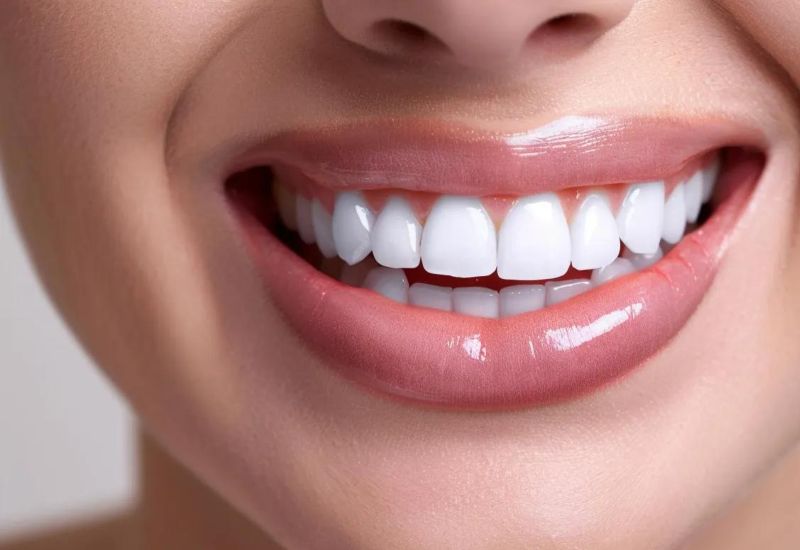
Veneers are designed to fix cosmetic issues, not structural ones. They work well for teeth that are stained or discolored (especially stains that don't respond to whitening), chipped or cracked, slightly crooked or uneven, gapped, or worn down from years of use.
If you have deeper issues like severe decay, missing teeth, or major bite problems, veneers alone won't do the trick. You may need a different treatment first.
The Key Factors That Determine Veneer Eligibility
Not everyone who wants veneers can get them right away. Your cosmetic dentist will check several things during your consultation. Let's go through each one.
Healthy Teeth and Gums
This is the number-one requirement. Your teeth and gums need to be in good shape before veneers can go on. If you have active gum disease, untreated cavities, or infection, those problems must be handled first.
Why? Because putting a veneer on a sick tooth is like hanging a picture frame on a crumbling wall. It might look nice for a moment, but it won't hold up. At our W 68th Street office in West Hialeah, Dr. Castellanos always starts with a full dental exam to make sure the foundation is solid.
Enough Tooth Enamel
Veneers bond directly to your enamel, the hard outer layer of your tooth. During the preparation process, your dentist removes a thin layer of enamel (about 0.3 to 0.5mm) so the veneer fits flush against your tooth without looking bulky.
If your enamel is too thin, too worn, or mostly gone, veneers can't stick properly. This is one of the most common reasons someone may not qualify right away. In those cases, a dental crown might be a better choice because it covers the entire tooth and doesn't rely on enamel alone.
No Uncontrolled Teeth Grinding (Bruxism)
Do you grind or clench your teeth at night? That's called bruxism, and it's one of the biggest risk factors for veneers. The constant pressure can crack, chip, or pop a veneer right off.
Here's the good news, though: bruxism doesn't automatically disqualify you. If you're willing to wear a custom nightguard every night, many patients with mild to moderate grinding can still get veneers and keep them for years. It's all about managing the habit before and after the procedure.
Realistic Expectations
This one might surprise you, but it matters. Veneers can do amazing things for your smile, but they can't work miracles. They won't fix a severe overbite, replace missing teeth, or give you a completely different face.
A good candidate understands what veneers can and can't do. During your consultation, Dr. Castellanos uses digital imaging to show you a preview of your results. That way, there are no surprises, just a clear picture of what's possible.
Commitment to Oral Hygiene
Veneers are an investment. And like any investment, they need to be protected. Candidates should be ready to brush twice a day, floss daily, and visit the dentist for regular professional teeth cleanings.
Even though the veneer itself can't get a cavity, the tooth underneath it can. Poor oral hygiene can lead to decay at the edges where the veneer meets your natural tooth. That can cause the veneer to fail and lead to bigger problems down the road.
Who Is a Great Candidate for Veneers?
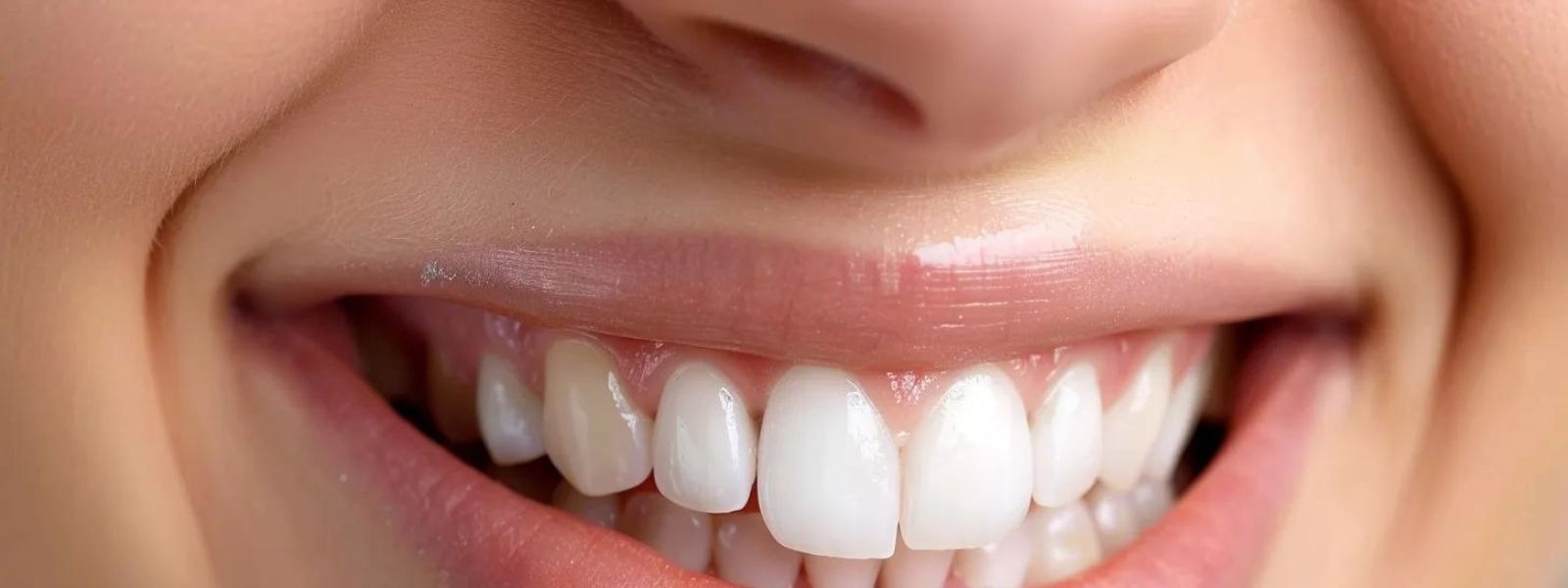
Now that we've covered the basics, let's paint a picture of the ideal veneer candidate.
You Have Cosmetic Concerns That Bother You
Maybe your teeth are stained from years of coffee or red wine, and whitening hasn't given you the results you want. Maybe you have a chipped front tooth that makes you self-conscious every time you laugh. Or maybe your teeth are slightly uneven, and it's always bugged you.
If any of these sound familiar, veneers might be the perfect fit. They're made to handle exactly these kinds of issues.
Your Teeth Are Mostly Healthy
You don't need a perfect mouth to get veneers. But you do need a healthy one. If your teeth are free from active decay and your gums aren't inflamed or bleeding, you're in a good starting spot.
Patients from Miami Springs, Medley, and throughout the Hialeah area who maintain regular dental check-ups tend to be strong candidates because small issues are caught and treated early.
You Want a Long-Term Solution
Unlike teeth whitening that fades or dental bonding that may chip in a few years, porcelain veneers offer a long-lasting transformation. If you're looking for something that will still look great a decade from now, veneers deliver.
You're an Adult With Fully Developed Teeth
Most dentists recommend waiting until at least age 18 for veneers. Before that, teeth are still growing and shifting, which can affect how veneers fit over time. Once the jaw and teeth have fully developed, the results are much more stable and predictable.
Who Might NOT Qualify for Veneers (And Why)
Sometimes, a dentist will suggest waiting or choosing a different path. That doesn't mean your dream smile is off the table. It just means there's a better way to get there.
People With Active Gum Disease
If your gums are swollen, receding, or bleeding, veneers should wait. Gum disease weakens the tissue and bone that support your teeth. Placing veneers on a shaky foundation puts both the veneer and the tooth at risk.
The fix? Treat the gum disease first. Once your gums are stable, you may become a great veneer candidate. It's a speed bump, not a dead end.
People With Severe Tooth Decay
Heavy decay means the tooth structure is compromised. A veneer covers only the front surface, so it can't protect a tooth that's breaking down from the inside. In these cases, a dental crown is usually a better option because it wraps around the entire tooth for full protection.
People Who Grind Heavily Without Protection
Uncontrolled, severe bruxism puts veneers at high risk for fracture and failure. If you're not willing to wear a nightguard consistently, your dentist may steer you toward a more durable option, like crowns, that can handle the force better.
People With Very Little Enamel
We mentioned this earlier, but it's worth repeating. Veneers need enamel to bond to. If your enamel is eroded from acid reflux, aggressive brushing, or heavy wear, the veneer simply won't stick the way it should. Crowns or other restorative treatments may serve you better.
People With Major Alignment Issues
Veneers can make slightly crooked teeth look straighter, but they can't physically move teeth. If you have a significant bite problem or severely crowded teeth, clear aligners or adult orthodontics should come first. Many patients complete their orthodontic treatment and then finish with veneers for the ultimate smile upgrade.
Children and Teenagers
Because younger patients are still growing, their teeth and jawbones haven't settled into their final positions. Placing veneers too early can lead to fit problems later. Waiting until full development (usually around 18 or older) gives the best results.
How Previous Dental Work Affects Your Eligibility
If you've already had some work done on your teeth, that can change the picture.
Teeth With Large Fillings
A tooth with a big filling may not have enough natural structure left to support a veneer. In that case, a crown is often the smarter choice.
Teeth With Crowns
Placing a veneer over an existing crown is possible but usually not recommended. The bonding won't be as strong because adhesive doesn't stick to porcelain as well as it sticks to natural enamel. It's generally better to replace the crown itself.
Teeth With Root Canals
A tooth that's had a root canal can sometimes receive a veneer, but it depends on how much healthy tooth is left. Root-canal-treated teeth are often weaker, so your dentist will evaluate whether a veneer or a crown makes more sense.
Teeth With Bonding
Small areas of dental bonding on the front or back of a tooth usually aren't a problem. But if the bonding wraps around both sides, a crown may be a better fit to cover everything evenly.
What Happens During a Veneer Eligibility Consultation
Wondering what happens when you walk into our office to ask about veneers? Here's a quick rundown.
Step 1: Full Oral Exam
Dr. Castellanos will examine your teeth, gums, and bite. She'll check for decay, gum disease, enamel health, and any other issues that could affect your eligibility. X-rays or digital images may be taken to see what's going on below the surface.
Step 2: Discussion of Goals
This is your time to talk. What do you want to change about your smile? What bothers you the most? Are you looking for a subtle refresh or a major transformation? The more your dentist knows about your goals, the better your treatment plan will be.
Step 3: Digital Smile Preview
Using digital imaging, you can see a preview of how your smile could look with veneers. This step helps set realistic expectations and gets you excited about what's ahead.
Step 4: Treatment Recommendation
Based on everything above, Dr. Castellanos will let you know whether veneers are the right option, or if another treatment would serve you better. If you need any prep work (like treating a cavity or stabilizing gum disease), she'll map that out too.
Families from Hialeah Gardens, Palm Springs North, Opa-locka, Country Club, and across Miami-Dade County appreciate the honest, no-pressure approach at our office. You'll leave with clear answers and a plan that makes sense for your mouth and your budget.
Alternatives to Veneers If You Don't Qualify
Don't qualify for veneers right now? That's okay. There are still plenty of ways to improve your smile.
Professional teeth whitening is ideal if your main concern is staining or discoloration. It can brighten your smile by several shades in a single visit without any tooth preparation.
Dental bonding uses a tooth-colored resin to fix chips, cracks, and small gaps. It's less expensive than veneers, and it can often be done in one appointment. It doesn't last as long, but it's a great option for minor fixes.
Dental crowns are the go-to when a tooth is too damaged or weak for a veneer. A crown covers the entire tooth, restoring both its look and its strength.
Clear aligners or braces straighten crooked teeth first, which can then open the door to veneers later if you want an even more polished look.
In many cases, these treatments can also be stepping stones. Fix the underlying issue now, and you may become eligible for veneers in the future.
How to Improve Your Veneer Eligibility
If your dentist says you're not quite ready for veneers, there are things you can do to get there.
Start with better oral hygiene. Brush twice a day, floss every night, and don't skip your dental cleanings. Healthy teeth and gums are the foundation of veneer eligibility.
Get treated for gum disease. If your gums need attention, work with your dentist to get them healthy and stable. Many patients are surprised at how quickly gums can improve with proper care.
Address tooth grinding. Talk to your dentist about a custom nightguard. Managing bruxism now protects your teeth and keeps the door open for veneers down the line.
Fix cavities and decay. Get any needed fillings or restorative work done. A clean, healthy mouth is the best starting point for any cosmetic procedure.
Consider orthodontics first. If alignment is the issue, straightening your teeth before getting veneers gives you the best of both worlds: function and beauty.
Frequently Asked Questions
Can I Get Veneers If I Have Sensitive Teeth?
In most cases, yes. Tooth sensitivity alone doesn't disqualify you. However, your dentist will look into the cause of the sensitivity. If it's from enamel erosion, that could affect eligibility. If it's just general sensitivity, veneers can often be placed without any issues.
Are Veneers Permanent?
The process is irreversible because a thin layer of enamel is removed to make room for the veneer. Once that enamel is gone, it doesn't grow back. So you'll always need some type of covering on that tooth. That said, veneers themselves will eventually need to be replaced, usually after 10 to 20 years depending on the type.
Do Veneers Hurt?
Most patients report little to no pain during the procedure. Your dentist uses local anesthetic to keep you comfortable, and any mild sensitivity after placement usually fades within a few days.
Will Insurance Cover Veneers?
Veneers are considered a cosmetic treatment, so most dental insurance plans don't cover them. However, if a veneer serves a functional purpose (like protecting a damaged tooth), some plans may offer partial coverage. Castellanos Dental Aesthetics also offers financing options to help make the cost more manageable.
Can Veneers Be Whitened?
No. Once veneers are placed, their color doesn't change. That's why many dentists recommend whitening your natural teeth first, then matching the veneers to your newly brightened shade. This gives you a consistently bright smile.
How Many Teeth Can Get Veneers at Once?
There's no set limit. Some patients get veneers on just one or two teeth. Others get a full set on their top front teeth (usually 6 to 8). The number depends on your goals and your budget. Want to explore what's possible? Check out the full cost breakdown of getting veneers on our blog.
What If I Was Denied Veneers Before?
Getting denied doesn't mean it's forever. If you were turned down because of gum disease, decay, or grinding, those issues can often be treated. Once they're resolved, a re-evaluation may find you're now a great candidate.
Why Patients in West Hialeah Trust Castellanos Dental Aesthetics
Veneer eligibility isn't a one-size-fits-all answer. It takes a dentist with experience and an artistic eye to evaluate your mouth, understand your goals, and give you an honest recommendation.
Dr. Castellanos graduated from the Goldman School of Dentistry in 1997 and has been serving families in West Hialeah for over 25 years. Her background in psychology helps her connect with patients who feel nervous about dental work, and her approach to cosmetic dentistry blends clinical precision with natural-looking artistry.
Our bilingual team (English and Spanish) welcomes patients from across Miami-Dade and Broward County. Whether you're coming from Miami Lakes, Miami Springs, Carol City, or Royal Oaks, you'll feel right at home. Our office on W 68th Street is just minutes from the Palmetto Expressway, with easy access and plenty of parking.
We also offer a $99 consultation so you can find out if veneers are right for you without a big commitment. See what our patients have to say on our reviews page, or browse our smile gallery for real before-and-after results.
Final Thoughts
Veneer eligibility comes down to a handful of factors: healthy teeth and gums, enough enamel, no uncontrolled grinding, and realistic expectations. If you check those boxes, chances are good that veneers could work for you.
And if you don't qualify right now, that's not the end of the story. Many conditions that hold people back, like gum disease, cavities, or bruxism, can be treated. Once they're resolved, the path to veneers opens right back up.
The best way to know for sure? Have a conversation with a skilled cosmetic dentist who can look at your specific situation and give you a straight answer.
At Castellanos Dental Aesthetics in West Hialeah, we've been helping our neighbors get the smiles they deserve for over 25 years. If you're curious about whether veneers are right for you, call us at (305) 820-4080 or request an appointment online. We're right here on W 68th Street, serving families from Hialeah to Miami Lakes to Broward County, just like we've been doing since 1998.
Your best smile might be closer than you think.
.png)
.png)

.png)


.png)
.png)
.png)

.png)
.png)
.svg)


