.png)
.svg)
.png)

Teeth Whitening Procedures: Types, Safety, and What to Expect
.png)
.png)
Teeth whitening procedures use bleaching agents like hydrogen peroxide or carbamide peroxide to break apart stains and lighten the shade of your teeth. Professional in-office whitening can brighten teeth up to eight shades in a single visit, while take-home trays and over-the-counter strips offer slower but still effective results. The American Dental Association confirms that these treatments are safe and effective when used as directed under proper dental supervision.
This guide covers every type of teeth whitening procedure available, how each one works, who is a good candidate, how long results last, what side effects to expect, and how to keep your smile bright after treatment. We also answer the most common questions people ask about whitening so you can feel confident before you sit in the chair.
What Is the Best Procedure for Teeth Whitening?
The best procedure for teeth whitening is in-office professional bleaching, also called chairside whitening. It uses a high-concentration hydrogen peroxide gel (typically 25% to 40%) applied directly to your teeth under dental supervision. The gel is activated by an LED or laser light, which speeds up the chemical reaction and produces dramatic results in about 45 to 90 minutes.
According to the American Dental Association, in-office whitening remains the most popular esthetic dental procedure and can be performed using a wide range of techniques and protocols. A study published in the Journal of Evidence-Based Dental Practice found that following an in-office treatment with monthly home-based touch-ups using dentist-provided products is the best way to maintain long-term brightness.
The global teeth whitening market was valued at roughly $7.7 billion in 2025, according to Mordor Intelligence, and is expected to grow past $9 billion by 2030. In the United States alone, 67% of adults have tried some form of teeth whitening, according to Grand View Research. That tells you how widespread and trusted these procedures have become.
We see patients every week who want a brighter smile but are not sure where to start. A dental exam before any whitening treatment helps us confirm your teeth and gums are healthy enough for the procedure and match you with the right method.
What Do Dentists Do to Professionally Whiten Teeth?
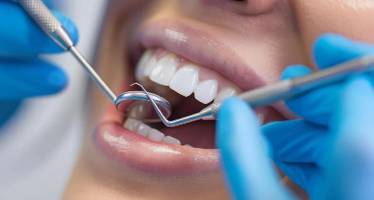
Dentists professionally whiten teeth by first cleaning the tooth surfaces, then applying a protective barrier over the gums, followed by a professional-grade hydrogen peroxide gel on the teeth. In most cases, an LED or laser light is used to activate the bleaching agent and speed up the stain-removal process. The gel sits on the teeth for 15 to 20 minutes per cycle, and the dentist may repeat the process two to three times during the same visit.
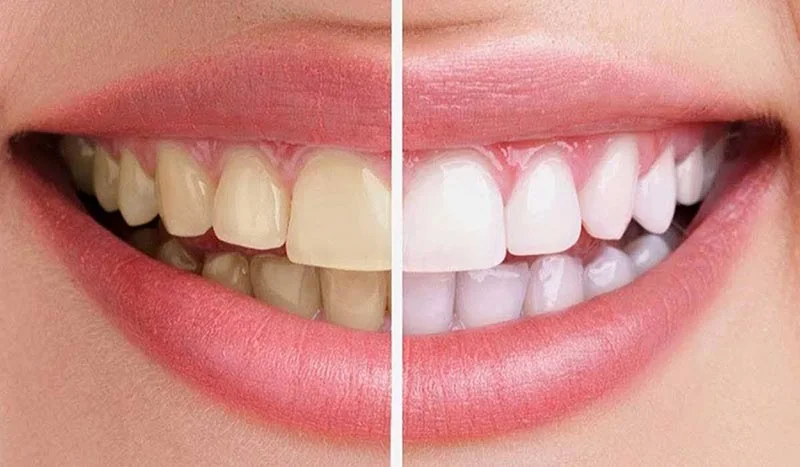
Before the procedure begins, the dentist records your current tooth shade using a shade guide. This gives you a clear before-and-after comparison when treatment is done. According to Johns Hopkins Medicine, in-office bleaching usually requires only one visit and uses products with higher concentrations of peroxide than anything available over the counter.
A randomized clinical trial cited by the National Institutes of Health found that in-office bleaching with 35% hydrogen peroxide was effective at lightening tooth color. The controlled environment means the concentration can be higher, the application is more precise, and the dentist monitors for any sensitivity or irritation throughout the session. For patients who want dramatic results fast, professional teeth whitening in our office is the strongest option available.
How Long Does It Take for Dentists to Whiten Your Teeth?
It takes dentists about 45 to 90 minutes to whiten your teeth in a single in-office appointment. The exact time depends on the level of staining, the concentration of the whitening gel, and how many activation cycles are performed. Most patients see results of four to eight shades lighter by the time they leave the chair. There is no drilling, no needles, and no downtime afterward.
What Is the Safest Method to Whiten Teeth?
The safest method to whiten teeth is a dentist-supervised treatment, whether that is in-office bleaching or custom take-home trays provided by your dentist. A dentist evaluates your enamel thickness, checks for cracks or cavities, and selects the right concentration and application time for your teeth. According to the ADA, products that have earned the ADA Seal of Acceptance are tested for both safety and effectiveness.
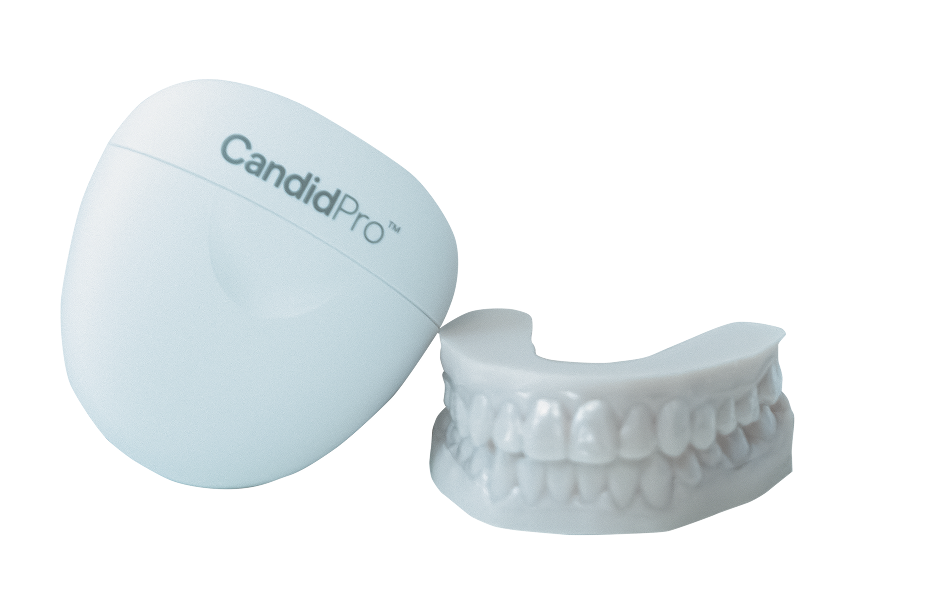
Custom take-home trays made from an impression of your teeth are a strong second option. They use a lower-concentration gel (typically 10% to 22% carbamide peroxide) that you wear for 30 to 60 minutes per day or overnight for one to two weeks. A 2018 Cochrane review found that sensitivity and oral irritation from home whitening products were mild and went away quickly when used correctly.
The important thing is avoiding unregulated products. The ADA warns that abrasive materials like activated charcoal can wear down enamel, and DIY remedies like lemon juice or baking soda pastes can erode tooth surfaces over time. A review published in Frontiers in Dental Medicine confirmed that frequent use of low-pH whitening rinses can be erosive to exposed dentin. Sticking with ADA-accepted, dentist-recommended products is always the safest path.
How Many Hours Is Teeth Whitening?
Teeth whitening takes about one to two hours for an in-office procedure and 30 to 60 minutes per day for one to two weeks with take-home trays. Over-the-counter whitening strips require about 30 minutes per application daily for two to four weeks. The total time commitment depends on which method you choose and how deep your staining is.
In-office whitening gives you the fastest turnaround. You walk in with stained teeth and walk out with a noticeably brighter smile in a single appointment. Take-home trays produce more gradual results, but many patients prefer the flexibility of wearing them at home on their own schedule. According to data from the U.S. Census and Simmons National Consumer Survey, approximately 37 million Americans used teeth whitening products in 2020, and the majority chose at-home options for their convenience.
A regular professional teeth cleaning before your whitening session also helps. Removing plaque and tartar first allows the whitening gel to reach your enamel evenly, which gives you better, more consistent results.
Can Yellow Teeth Become White Again?
Yes, yellow teeth can become white again in most cases. Yellow discoloration is usually caused by surface stains from food, drinks, and tobacco, or by natural aging that thins the enamel and reveals the yellowish dentin underneath. Professional whitening is very effective at treating both types of yellowing. According to the ADA, hydrogen peroxide and carbamide peroxide work by breaking stain molecules into smaller pieces, which makes the color less concentrated and your teeth brighter.
In-office treatments can lighten teeth by up to eight shades in a single session. Yellow teeth typically respond very well to bleaching. Brown stains may not respond as strongly. Gray or blue-toned discoloration, often caused by medications like tetracycline, is the hardest to treat and may need multiple sessions or alternative approaches like veneers.
A Delta Dental 2024 survey found that 52% of adults rate tooth brightness as a top oral health priority. Patients here in Hialeah who have lived with yellow teeth for years are often surprised at how much of a difference one professional session makes. The key is starting with a consultation so we can match the right procedure to your specific type of staining.
Can a 70 Year Old's Teeth Be Whitened?
Yes, a 70 year old's teeth can be whitened as long as the teeth and gums are healthy enough for the procedure. Age-related yellowing happens because enamel thins over time and the darker dentin layer underneath becomes more visible. Professional whitening can reverse much of this discoloration, though the results may be slightly less dramatic than on younger teeth with thicker enamel.
According to the American Academy of Cosmetic Dentistry, cosmetic dental procedures, including teeth whitening, have seen increased demand among older adults as awareness about dental aesthetics grows. The key for older patients is a thorough exam beforehand. We check for receding gums, worn enamel, exposed roots, and any restorations that could affect the outcome. A gentler concentration or take-home tray system often works best for patients with thinner enamel or existing sensitivity.
If significant enamel loss or dental restorations limit how much whitening can achieve, porcelain veneers are an excellent alternative. Veneers cover the entire front surface of the tooth and can create a bright, uniform shade that whitening alone might not reach on older teeth.
What Are the Side Effects of Teeth Whitening?
The side effects of teeth whitening are temporary tooth sensitivity and mild gum irritation. These are the two most common side effects reported across all types of whitening procedures. According to a safety review published in the British Dental Journal, between 15% and 78% of patients experience some degree of tooth sensitivity during whitening, depending on the concentration and duration of the treatment.
A 2018 Cochrane review confirmed that both sensitivity and gum irritation from whitening products are considered mild and go away shortly after treatment ends. The sensitivity happens because the peroxide penetrates through the enamel and reaches the dentin layer, which contains tiny tubes that connect to the tooth nerve. This effect is temporary and usually resolves within 24 to 48 hours.
A 2022 systematic review also concluded that hydrogen peroxide whitening products do not appear to have cancer-causing effects on oral tissues. The real safety concerns come from misuse, not from the products themselves. Overusing whitening agents, leaving strips on too long, or using unregulated products are the most common ways problems happen. Using a fluoride rinse and a desensitizing toothpaste before and after treatment helps reduce any discomfort.
How Painful Is Professional Teeth Whitening?
Professional teeth whitening is not painful for most patients. Some people feel mild sensitivity during or after the procedure, but it is not pain in the traditional sense. It is more of a brief, sharp sensation when teeth are exposed to cold air or drinks. The dentist applies a protective barrier to the gums and can use desensitizing agents before and after treatment to keep you comfortable.
According to the NIH, home-based bleaching following manufacturer instructions results in less sensitivity than in-office bleaching. If you have naturally sensitive teeth, a lower-concentration gel or custom whitening treatment with shorter application times can reduce any discomfort while still delivering great results.
Is Teeth Whitening Bad for Receding Gums?
Teeth whitening can be problematic for people with receding gums because the exposed root surfaces are not covered by enamel. Roots are made of cementum and dentin, which are softer and more porous than enamel. When whitening gel contacts these areas, it can cause significant sensitivity and irritation.
A 2014 study published in the journal Operative Dentistry found that cracked or exposed tooth surfaces allow peroxide to penetrate deeper into the tooth, reaching the sensitive dentin layer and causing pain. This is why a dental exam before whitening is so important. We check for gum recession and exposed roots and adjust the treatment plan accordingly. In many cases, we can still whiten your teeth safely by using a lower-concentration gel and protecting the sensitive areas with a barrier during the procedure.
Can Teeth Whitening Fix All Stains?
No, teeth whitening cannot fix all stains. Whitening works best on extrinsic stains, which are surface-level stains caused by coffee, tea, red wine, berries, and tobacco. It also works well on age-related yellowing. However, intrinsic stains that form inside the tooth structure are much harder to treat with bleaching alone.
According to the ADA, the removal of intrinsic stains within the dentin is considered near impossible using external whitening treatments. Gray or blue discoloration from tetracycline antibiotics, fluorosis, or tooth trauma may not respond well to peroxide-based whitening. In those cases, cosmetic options like dental bonding or veneers can cover the discoloration and give you a bright, even shade.
Yellow stains typically bleach quickly. Brown stains respond less consistently. And gray stains often need multiple professional sessions with limited improvement. This is why it is so important to have your dentist evaluate the type and cause of your staining before you start any whitening treatment.
Why Do Dentists Not Recommend Teeth Whitening?
Dentists do not recommend teeth whitening when the patient has untreated cavities, active gum disease, severely worn or thin enamel, exposed tooth roots, or dental restorations on the front teeth that would not change color with bleaching. Whitening agents do not work on crowns, veneers, bonding, or fillings, so the result would look uneven.
According to the ADA MouthHealthy resource, whitening will not be effective if tooth discoloration is caused by medications or a tooth injury. Pregnant women and children under 16 should also avoid whitening because developing teeth and hormonal changes create added risks. The American Academy of Pediatric Dentistry cautions against whitening for children who still have baby teeth.
A responsible dentist will always tell you if whitening is not the right choice for your situation right now. That does not mean it is off the table forever. Treating cavities, addressing gum disease, or stabilizing enamel with fluoride treatments can get your teeth healthy enough for whitening down the road.
What Foods Stain Teeth After Whitening?
Foods that stain teeth after whitening include coffee, tea, red wine, dark berries (blueberries, blackberries, cherries), soy sauce, tomato sauce, balsamic vinegar, and curry. Beverages like cola and dark fruit juices are also common culprits. Tobacco products stain teeth heavily as well.
After a whitening treatment, your enamel is temporarily more porous and absorbs color more easily. This is why the first 48 hours after whitening are the most critical window for avoiding staining foods and drinks. Dentists often call this the "white diet" period, where you stick to light-colored, non-acidic foods like chicken, rice, bananas, and white fish.
According to the World Health Organization, oral diseases affect nearly 3.5 billion people globally, with tooth decay being one of the most common conditions. Diet plays a role in both the problem and the solution. Eating crunchy vegetables like celery and carrots stimulates saliva production, which is your mouth's natural defense against staining and acid. Dairy products like cheese and yogurt provide calcium that supports enamel remineralization after whitening.
Will My Teeth Turn Yellow Again After Whitening?
Yes, your teeth will gradually turn yellow again after whitening if you continue consuming staining foods and drinks, use tobacco, or skip regular dental care. Whitening is not permanent. The timeline for re-staining depends on your habits and how well you maintain your results.
According to the NIH, the optimal approach is to follow an in-office whitening session with monthly home-based touch-ups using dentist-provided products. This keeps your shade consistent over time without putting unnecessary stress on your enamel. Patients who limit coffee, tea, and red wine and keep up with regular general dental care see their results last one to two years or more. Drinking through a straw and rinsing your mouth with water after consuming dark beverages also slows down re-staining.
How Often Can Teeth Be Whitened?
Teeth can be safely whitened with professional in-office treatment once or twice per year, with touch-ups using custom take-home trays as recommended by your dentist. Over-whitening can weaken enamel, increase sensitivity, and give teeth a translucent or blue-gray appearance. According to the ADA, tooth sensitivity and gum irritation become more likely with frequent or prolonged whitening.
A safety review published in the British Dental Journal confirmed that the frequency and concentration of whitening are the two biggest factors that influence side effects. Sticking to a balanced schedule gives you a bright smile year-round without overdoing it. If you are a heavy coffee or tea drinker in South Florida, you may benefit from slightly more frequent touch-ups, and your dentist can help create a safe maintenance plan.
Who Should Not Do Teeth Whitening?
People who should not do teeth whitening include those with untreated tooth decay, active gum disease, very thin or damaged enamel, exposed tooth roots from gum recession, and those with crowns, veneers, or fillings on visible teeth. Pregnant women, nursing mothers, and children under 16 should also avoid whitening treatments.
According to the American Academy of Cosmetic Dentistry, nearly 90% of patients surveyed by the American Association of Orthodontists have requested tooth whitening. The demand is nearly universal, but whitening is simply not right for every mouth at every time. If you have oral health issues that need to be addressed first, getting those treated makes future whitening safer and more effective.
Patients with tetracycline-stained teeth or severe fluorosis may find that whitening alone does not give them the results they want. A smile design package that combines whitening with veneers or bonding can address these tougher cases and create a complete smile transformation.
Professional Whitening vs. Over-the-Counter Whitening Comparison
FactorProfessional In-Office WhiteningOver-the-Counter ProductsActive Ingredient Concentration25% to 40% hydrogen peroxide3% to 10% hydrogen peroxideTreatment Time45 to 90 minutes per visit30 minutes to 2 hours daily for 2 to 4 weeksResultsUp to 8 shades lighter in one visit1 to 6 shades lighter over several weeksCustomizationAdjusted to your teeth, sensitivity, and shade goalsOne-size-fits-all strips or generic traysPre-Treatment Dental ExamYes, checks for cavities, cracks, and gum healthNo dental evaluation requiredSensitivity ManagementDesensitizing agents applied by the dentistNo professional sensitivity managementHow Long Results Last6 months to 2+ years with touch-ups1 to 6 monthsSupervised by a DentistYesNo
Sources: American Dental Association, British Dental Journal, Cochrane Database of Systematic Reviews, Journal of Evidence-Based Dental Practice, National Institutes of Health
What Causes Teeth to Become Discolored?
Teeth become discolored from two main sources: extrinsic stains on the outer enamel surface and intrinsic stains inside the tooth structure. Extrinsic stains are caused by coffee, tea, red wine, berries, soda, and tobacco. Intrinsic stains result from aging, medications like tetracycline, too much fluoride during childhood, or trauma to the tooth.
As you get older, the outer enamel layer wears thinner and the yellowish dentin underneath shows through more. This is a natural process that affects everyone. According to the ADA, tooth discolorations are classified as extrinsic, intrinsic, or a combination of both. Knowing which type you have is important because it determines which whitening method will work best for you.
A thorough cosmetic dentistry consultation helps identify the source of your discoloration. If it is surface-level staining, whitening alone will do the job. If it is intrinsic, you may need a combination approach that includes whitening plus restorative options like crowns or veneers to get the result you want.
How to Maintain Teeth Whitening Results
You maintain teeth whitening results by brushing twice a day with a fluoride toothpaste, limiting staining foods and drinks, rinsing your mouth with water after consuming dark beverages, avoiding tobacco, and scheduling regular dental cleanings. Touch-up treatments with custom take-home trays every few months help keep your shade consistent.
According to the NIH, the best long-term strategy is combining an in-office session with periodic home-based touch-ups using dentist-provided products. This gives you the dramatic initial lift and then prevents re-staining from taking hold. Using a whitening toothpaste with the ADA Seal of Acceptance between treatments can also help remove new surface stains before they set in.
Keeping up with a preventive care routine is just as important for your whitening results as it is for your overall oral health. A professional cleaning removes plaque and surface stains that brushing alone misses, which keeps your smile looking bright between whitening sessions
Frequently Asked Questions
What Can Go Wrong With Teeth Whitening?
What can go wrong with teeth whitening is overuse of products, using unregulated kits, or whitening teeth that have untreated cavities or cracks. Overuse can lead to enamel weakening, chronic sensitivity, and a translucent or chalky appearance. Whitening over a cavity can cause severe pain because the peroxide reaches the inner nerve of the tooth. According to a study from the National Library of Medicine, lower-concentration gels left on too long can cause more enamel surface damage than higher-concentration gels used for shorter times. Working with a dentist prevents these problems.
Which Is Whiter, A1 or B1?
B1 is whiter than A1 on the standard VITA shade guide used by dentists. The VITA shade guide ranks tooth shades from lightest to darkest, and B1 sits at the very top as the lightest natural tooth shade. A1 is also very light but falls just slightly below B1. Most professional whitening patients aim for a B1 shade, which looks bright and clean without appearing artificial.
Can I Use My Retainer as a Whitening Tray?
You can sometimes use a clear retainer as a whitening tray, but it depends on the type and fit. Clear Essix-style retainers may hold whitening gel against the teeth, but they are not designed for this purpose. The fit may not be tight enough to keep the gel evenly distributed, which can lead to uneven whitening or gel leaking onto the gums. Custom whitening trays made by your dentist are always better because they are built to distribute gel evenly and protect your gum tissue.
How Much Does Professional Teeth Whitening Cost?
Professional teeth whitening cost varies based on the type of treatment, the severity of staining, and your location. In-office whitening is the most expensive option, while custom take-home trays are more affordable. Most dental insurance plans do not cover cosmetic whitening. Many dental offices offer payment plans and financing options to help make treatment accessible.
Does Teeth Whitening Work on Crowns or Veneers?
No, teeth whitening does not work on crowns, veneers, fillings, or any other dental restorations. These materials are not porous like natural enamel, so bleaching agents cannot penetrate them. If you have restorations on visible teeth and want a whiter smile, your dentist may recommend whitening your natural teeth first and then replacing the restorations to match your new shade. In some cases, dental crowns or veneers may be the better path to a uniform result.
Can You Whiten Teeth Stained by Medications?
Teeth stained by medications like tetracycline can be whitened, but the results take more time and more sessions. Gray or blue-toned stains from antibiotics are the hardest to treat with bleaching alone. According to the ADA, these intrinsic stains within the dentin are considered near impossible to remove with external whitening. Multiple in-office sessions may lighten them somewhat, but veneers are often the most predictable solution for severe medication staining.
What Should You Avoid After Teeth Whitening?
After teeth whitening, you should avoid coffee, tea, red wine, berries, soy sauce, tomato sauce, cola, and any dark-colored foods or drinks for at least 48 hours. You should also avoid tobacco and acidic beverages like citrus juice or soda. Sticking to light-colored, non-acidic foods during this window gives your enamel time to remineralize and helps your results last longer.
Putting It All Together
Teeth whitening procedures are safe, well-studied, and effective at transforming a dull or stained smile into something you feel proud to show. Whether you choose in-office bleaching for fast, dramatic results, custom take-home trays for gradual whitening on your own schedule, or over-the-counter products to maintain brightness between appointments, the key is working with a dentist who can evaluate your teeth, recommend the right approach, and monitor your results over time.
Castellanos Dental Aesthetics has been helping patients across South Florida achieve brighter, healthier smiles for over 25 years. If you are ready to find out which whitening procedure is right for you, call (305) 820-4080 to schedule a consultation.
.png)
.png)

.png)


.png)

.png)
.png)
.png)

.png)
.png)
.svg)


