.png)
.svg)
.png)

Stages of Teeth Invisalign
.png)
.png)
The stages of Invisalign follow a clear, step-by-step process that takes most patients through consultation, digital scanning, custom treatment planning, active aligner wear, refinements, and retention. According to Align Technology's 2025 annual report, over 22 million patients have been treated with the Invisalign system, and the process typically takes 12 to 18 months from start to finish. Each stage builds on the one before it, moving your teeth a little closer to their final positions with every new set of trays. This article explains each stage in detail so you know exactly what happens, how long it takes, and what to expect along the way.
What Are the Stages of Invisalign Treatment?
The stages of Invisalign treatment are: initial consultation and oral exam, 3D digital scanning, custom treatment planning with ClinCheck software, active aligner wear with tray changes every 1 to 2 weeks, progress check-ins every 6 to 8 weeks, refinement aligners if needed, and long-term retainer wear after treatment ends. Each stage has a specific purpose, and skipping or rushing any of them can affect your final result.
A study published in Progress in Orthodontics found that the Invisalign system is a viable alternative to conventional braces for correcting mild to moderate alignment issues without extractions. However, the same review noted that treatment success depends heavily on proper planning and patient compliance. The stages exist to build on each other so your teeth move safely, predictably, and in the right order.
Stage 1: Initial Consultation and Oral Health Assessment
The first stage of Invisalign is the initial consultation. During this appointment, your dentist or orthodontist examines your teeth, gums, and bite to determine if clear aligners are the right option for your case. This visit usually takes 30 minutes to an hour. Your provider checks for cavities, gum disease, worn restorations, and any other issues that need to be addressed before starting orthodontic treatment.
A thorough dental exam at this stage is critical. Starting aligners over untreated decay or active gum inflammation can lead to complications during treatment. According to the American Dental Association, patients should have a complete oral health evaluation before beginning any orthodontic work. If problems are found, they are treated first so your mouth is in the best possible shape before aligners go on.
At the end of this visit, your provider will tell you whether you are a candidate for Invisalign, what your case involves, and an estimated timeline for completion. Not every case is right for clear aligners. Severe skeletal bite problems, large rotations over 20 degrees, or significant vertical tooth movements may need traditional braces instead.
Stage 2: 3D Digital Scanning and Impressions
The second stage involves creating a precise digital model of your teeth. Most providers use an iTero Element scanner, which captures 6,000 images per second and builds a detailed 3D map of your mouth within minutes. This replaces the old method of messy putty impressions and gives a far more accurate result. According to Align Technology, patients scanned with an iTero scanner experience significantly fewer fit problems with their aligners.
Along with the digital scan, your provider takes X-rays and photographs of your teeth and face. These records give the full picture of your teeth positions, root angles, bone levels, and facial proportions. All of this data goes into the treatment planning software. Patients here in West Hialeah often tell us the scanning process is quick and comfortable, nothing like the gooey impressions they were expecting.
Stage 3: Custom Treatment Plan With ClinCheck
Once your scan is complete, your provider designs your entire treatment plan using Align Technology's ClinCheck software. This is where the real precision happens. ClinCheck uses data from over 22 million treated patients to generate a digital simulation showing how each tooth will move, in what order, and at what pace.
You get to preview your future smile on a screen before treatment even begins. The software shows a 3D animation of your teeth moving from their current positions to their final alignment, tray by tray. Your provider reviews this plan, makes adjustments to the movement sequences, and decides where attachments or other tools are needed. According to a systematic review published in the journal Dental Press Journal of Orthodontics, orthodontists frequently build overcorrection into ClinCheck plans because clear aligners do not always express 100% of the programmed movement clinically.
Once you and your provider approve the plan, the digital data is sent to the Invisalign lab. Custom aligners are manufactured using SmartTrack material, a medical-grade thermoplastic developed specifically for Invisalign. Each aligner is trimmed to your gum line for comfort and fit. The trays typically arrive at your provider's office within 1 to 2 weeks.
Stage 4: First Aligner Fitting and Attachments
When your aligners are ready, you come back for the fitting appointment. Your provider places the first set of trays on your teeth and checks the fit. If your treatment plan requires attachments, they are bonded to specific teeth at this visit. Attachments are small, tooth-colored bumps made of composite resin that help the aligners grip your teeth and apply the right forces for complex movements.
According to the American Journal of Orthodontics and Dentofacial Orthopedics, attachments significantly improve the accuracy of planned tooth movements, especially for rotations and vertical shifts. Not every patient needs attachments, but most moderate to complex cases do. They are barely visible from a normal talking distance and are removed at the end of treatment.
Your provider teaches you how to insert and remove the trays, how to clean them, and what to expect in the first few days. You leave with your first sets of aligners and a schedule for switching to the next tray. For most plans, you switch to a new set of aligners every 1 to 2 weeks. Each set moves your teeth a small, controlled amount closer to their final positions.
What Is the Hardest Week of Invisalign?
The hardest week of Invisalign is the first week. Your mouth is adjusting to having trays in place for 20 to 22 hours a day, and the pressure on your teeth is brand new. A study published in Progress in Orthodontics found that pain from Invisalign peaks about 24 hours after placing a new aligner and gradually decreases over the next 5 to 7 days. Most patients describe the sensation as pressure or tightness, not sharp pain.
A 2005 study found that 83% of clear aligner users grew accustomed to their trays within the first week, according to Healthline. About 54% of patients reported mild discomfort, while 35% reported no pain at all. A slight lisp, increased saliva, and minor soreness while chewing are all common during the first few days. These side effects fade quickly as your mouth adapts. By the second or third tray change, most patients barely notice the transition.
A 2020 systematic review published in the Angle Orthodontist analyzed 14 clinical trials and concluded that clear aligner patients consistently reported lower pain intensity, shorter pain duration, and less need for pain medication compared to patients with traditional braces. On a scale of 1 to 10, most Invisalign patients rate their discomfort between 2 and 4, compared to 4 to 7 for braces after adjustments.
Stage 5: Active Treatment and Monthly Progress
The active treatment stage is the longest part of the Invisalign process. This is where you wear your aligners every day, switch to a new set on schedule, and visit your provider for check-ins every 6 to 8 weeks. Each new tray applies gentle, targeted pressure to move specific teeth a fraction of a millimeter. Over weeks and months, those small movements add up to major changes.
Most patients start seeing visible improvements within 4 to 8 weeks. By the 3 to 4 month mark, changes in alignment are obvious. A study published in the Journal of Dental Research found that average pain scores dropped by approximately 40% to 50% between the first and fifth tray change, meaning the process gets easier as you go. Taking progress photos every 2 weeks is a great way to stay motivated.
Check-in visits are short, usually 15 to 20 minutes. Your provider confirms that your teeth are tracking properly, checks your bite, and hands you your next sets of trays. If a tooth is not moving as planned, your provider can intervene early with adjustments, modified wear schedules, or new scans. This ongoing monitoring is one of the biggest advantages of working with an experienced orthodontic provider instead of a mail-order aligner company.
How Many Trays Is 2 Years of Invisalign?
Two years of Invisalign is approximately 48 to 52 trays if you change aligners every 2 weeks, or up to 104 trays if you change weekly. The exact number depends on your treatment plan, the complexity of your case, and whether your provider uses a 1-week or 2-week change schedule. According to research data, the average Invisalign treatment involves 20 to 50 trays for most cases, with complex cases sometimes requiring more.
Over 72% of patients also need additional refinement trays after their initial series, according to a 2024 cross-sectional study. These are not included in the original tray count and can add 5 to 15 more trays to the total. Your provider will tell you at the start approximately how many trays your treatment will require, but this number can change based on how your teeth respond.
Is 20 Trays a Lot for Invisalign?
No, 20 trays is not a lot for Invisalign. A case requiring 20 trays is considered mild to moderate and typically takes about 5 to 10 months to complete, depending on whether you change trays every 1 or 2 weeks. According to multiple orthodontic providers, minor cases may need as few as 10 trays, while complex cases can require 50 or more. Twenty trays falls right in the middle of the spectrum, which is where most patients land.
The number of trays directly affects treatment time. Fewer trays means a shorter treatment, but it does not always mean a simpler case. Sometimes a case with fewer trays involves difficult movements that require attachments, rubber bands, or other tools to achieve the right result. The key is that each tray is doing its job, not how many trays you have total.
Stage 6: Refinement Aligners
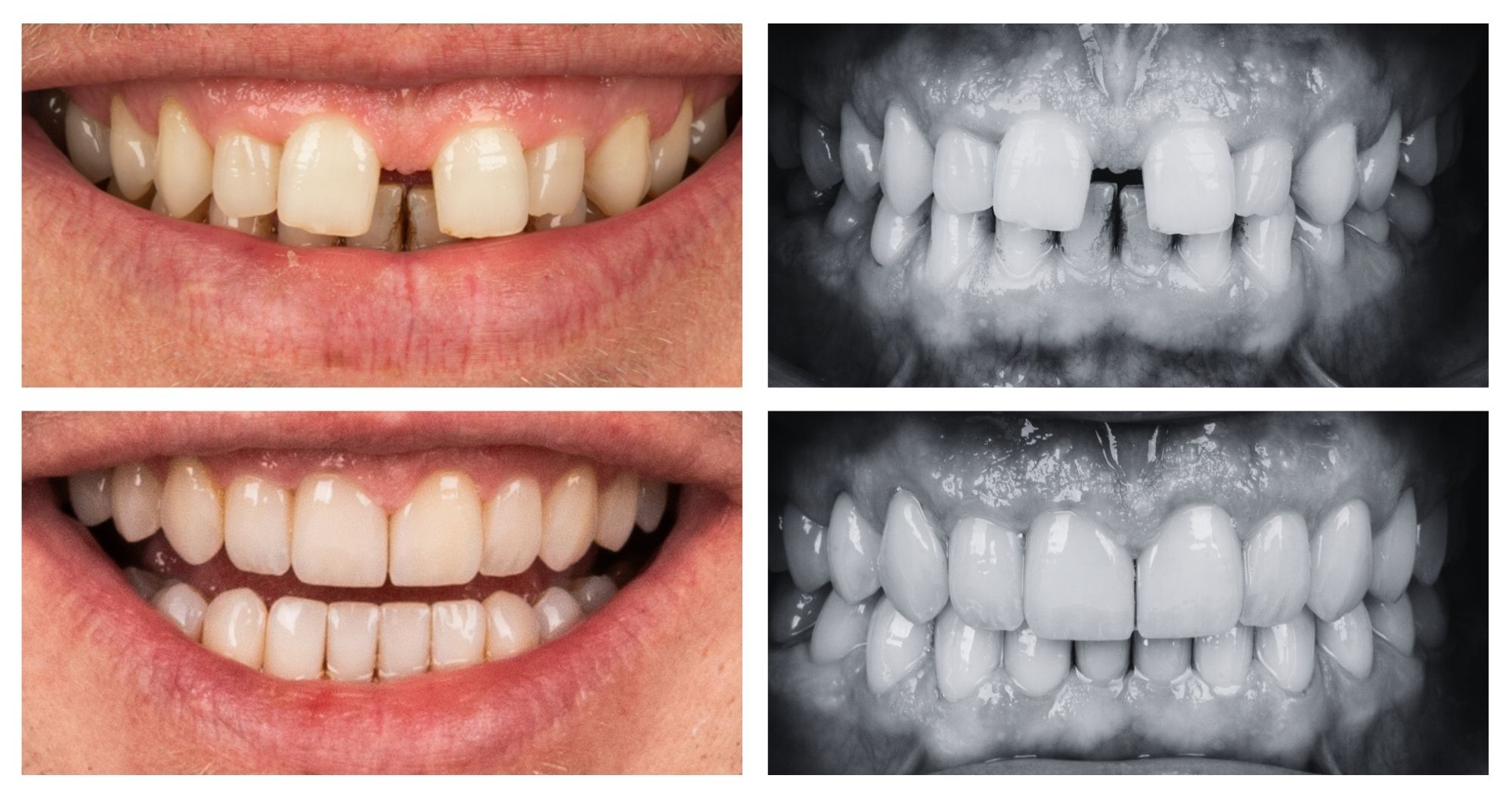
After you finish your initial set of aligners, your provider evaluates whether your teeth have reached their planned positions. In most cases, some teeth need a little more movement to get the result just right. This is where refinement aligners come in. Refinements involve new digital scans, a new ClinCheck plan, and a new set of trays designed to fine-tune your smile.
According to a 2024 study, over 72% of Invisalign patients require at least one round of refinements. A systematic review published in the journal Dental Press Journal of Orthodontics confirmed that programmed tooth movements are not always fully expressed clinically, which is why refinements are so common. This is not a sign that something went wrong. It is a normal and expected part of getting the best possible result.
Refinements typically add 2 to 4 months to the total treatment time and involve 5 to 15 additional trays. We see this as one of the most important stages because it is the difference between a good result and a great one. Patients who skip refinements often end up unhappy with small details that could have been easily corrected. A professional cleaning between your initial trays and refinements can remove any buildup and give your teeth a fresh start for the final phase.
Stage 7: Retention and Long-Term Maintenance
The final stage of Invisalign is retention. Once your teeth are in their final positions, active treatment ends and retainer wear begins. Your provider gives you a custom retainer, usually a clear tray similar to your aligners, that holds your teeth in place while the bone and tissue solidify around them.
For the first few months, most providers recommend wearing your retainer 20 to 22 hours per day, just like your aligners. After that, you transition to nighttime-only wear. The American Association of Orthodontists recommends long-term retainer use after any orthodontic treatment because teeth have a natural tendency to shift back over time. A systematic review in Progress in Orthodontics found slightly more relapse in Invisalign cases compared to fixed braces, making consistent retainer wear especially important for aligner patients.
Align Technology offers Vivera retainers, which are made from the same advanced materials as Invisalign trays but are 30% stronger and twice as durable as standard clear retainers. They come in packs of multiple sets so you always have a fresh retainer ready. Without consistent retainer wear, even the most perfectly aligned teeth will drift. Retention is not optional. It is the stage that protects everything you invested in treatment.
Invisalign Stages at a Glance
StageWhat HappensHow Long It Takes1. ConsultationOral exam, health check, candidacy assessment30 to 60 minutes2. Digital Scanning3D scan, X-rays, photos for treatment planning15 to 30 minutes3. Treatment PlanningClinCheck simulation, smile preview, plan approval1 to 2 weeks (lab fabrication)4. First FittingAligners delivered, attachments placed, wear instructions30 to 45 minutes5. Active TreatmentDaily wear, tray changes every 1-2 weeks, check-ins every 6-8 weeks6 to 18 months (varies by case)6. RefinementsNew scans, new trays for fine-tuning2 to 4 additional months7. RetentionCustom retainer wear to maintain resultsOngoing (lifelong recommended)
Sources: Align Technology 2025 Annual Report, Progress in Orthodontics, American Journal of Orthodontics and Dentofacial Orthopedics, American Association of Orthodontists.
How Painful Is Invisalign on a Scale of 1 to 10?
Invisalign is about a 2 to 4 on a pain scale of 1 to 10 for most patients. A study published in Progress in Orthodontics compared pain levels between Invisalign and traditional braces using a visual analog scale and found that Invisalign patients experienced significantly less pain during the initial stages of treatment. The discomfort peaks about 24 hours after switching to a new tray and fades within 3 to 5 days.
A 2020 systematic review in the Angle Orthodontist analyzed multiple clinical trials and confirmed that clear aligner patients consistently report lower pain scores than patients with fixed braces. Traditional braces typically rate 4 to 7 on the same scale after wire adjustments, with added discomfort from brackets irritating the cheeks and lips. Invisalign trays are smooth plastic with no sharp edges, which eliminates that type of irritation entirely.
If you experience discomfort, switching to a new tray at night allows you to sleep through the initial adjustment period. Over-the-counter pain relievers, cold compresses, and soft foods during the first day or two also help. By mid-treatment, most patients report that tray changes produce barely noticeable pressure. Adult orthodontics has come a long way, and comfort is one of the biggest reasons patients choose clear aligners over brackets and wires.
Can People Tell You're Wearing Invisalign?
No, most people cannot tell you are wearing Invisalign. The aligners are made from clear SmartTrack material that fits tightly over your teeth and is nearly invisible in everyday situations. In conversations, meetings, photos, and social events, the trays are extremely difficult to spot. This is one of the primary reasons adults and teens choose clear aligners over metal braces.
Attachments can be slightly visible at very close range or under bright lighting, but they are tooth-colored and blend in with your enamel. According to Align Technology, the SmartTrack material is specifically engineered for a tight, discreet fit with smooth edges trimmed to your individual gum line. Patients across Hialeah and South Florida consistently tell us that nobody noticed their trays until they pointed them out.
Is Invisalign Obvious in Pictures?
No, Invisalign is not obvious in pictures. The clear plastic does not show up in normal photos, selfies, or group shots. In very close-up images with flash, you might see a slight reflection on the aligner surface, but it is subtle. Attachments may also catch light at very close range. For important photos, you can remove your trays for a few minutes, take your pictures, and put them right back in.
The discreet appearance of Invisalign is one of the reasons it has become so popular. According to Align Technology, over 64% of clear aligner patients are adults, and aesthetics during treatment is one of their top priorities. Whether you are at work, at a wedding, or on a video call, Invisalign stays out of the way.
What I Wish I Knew Before Invisalign
What most patients wish they knew before Invisalign is that it requires real daily discipline, your eating habits will change, attachments are common, and refinements are almost always part of the process. The 20 to 22 hour daily wear requirement means you only have about 2 to 4 hours per day for eating, drinking, and brushing. Spontaneous snacking becomes harder because you need to remove your trays, eat, clean your teeth, and put the trays back in every single time.
Many patients also do not expect how important oral hygiene becomes. Putting trays back over teeth with food trapped underneath increases your risk of cavities and gum problems. Brushing and flossing after every meal is a must. Keeping your aligners clean by rinsing them each time you remove them and gently brushing them daily prevents odor and discoloration.
Another thing patients wish they knew is that clear aligners and braces both have trade-offs. Invisalign is more comfortable and discreet, but it depends entirely on your compliance. Braces are fixed to your teeth and work around the clock without needing you to remember to put them back in. Knowing these trade-offs before you start helps you make the right choice for your lifestyle.
Are Teeth 100% Straight After Braces?
Teeth are not always 100% straight after braces or Invisalign because tiny imperfections can remain, and teeth naturally shift over time without retainer wear. According to a 2024 study published in PMC, about 88% of Invisalign cases and 90% of traditional braces cases achieved successful malocclusion correction. Refinements after Invisalign and wire adjustments at the end of braces treatment both aim to close any remaining gaps in the result.
The reality is that no orthodontic treatment produces mathematically perfect alignment. The goal is healthy function, a balanced bite, and a natural-looking smile. Patients who wear their retainers as directed maintain their results for years. Patients who stop wearing retainers will see their teeth shift back, regardless of which method they used. A regular dental checkup after treatment helps your provider monitor for any unwanted movement and intervene early if needed.
Will My Teeth Move 20 Years After Braces?
Yes, your teeth can move 20 years after braces if you stopped wearing your retainer. Teeth shift throughout your entire life due to normal aging, changes in jaw structure, and the forces of chewing and speaking. Many adults who had braces as teenagers find themselves with crowding or spacing again decades later. The American Association of Orthodontists recommends lifelong retainer use to maintain orthodontic results.
The good news is that Invisalign is an excellent option for correcting orthodontic relapse. Since the teeth have already been moved once, re-treatment is often faster and simpler. Many adults who get aligners later in life are specifically fixing shifts that happened after their original braces came off. A consultation with your provider will determine how much movement has occurred and what your updated timeline looks like.
Frequently Asked Questions
How Long Does Each Stage of Invisalign Last?
Each stage of Invisalign lasts a different amount of time. The consultation takes about an hour. Digital scanning and treatment planning take 1 to 2 weeks total. Active treatment lasts 6 to 18 months for most patients. Refinements add 2 to 4 months. Retention is lifelong. According to a study published in the Angle Orthodontist, the average total Invisalign treatment time is about 18 months, compared to 24 months for conventional braces.
Why Don't Some Dentists Recommend Invisalign?
Some dentists do not recommend Invisalign because the patient's case is too complex for clear aligners. Severe crowding, large rotations, significant vertical movements, and skeletal bite issues often require the additional control that traditional braces provide. According to a systematic review in Dental Press Journal of Orthodontics, vertical movement and derotation are the most difficult movements to accomplish with aligners. The right provider will tell you honestly whether aligners are appropriate for your specific needs.
How Often Do You Switch Invisalign Trays?
You switch Invisalign trays every 1 to 2 weeks, depending on your treatment plan. Each new tray moves your teeth a small, precise amount closer to their final positions. Sticking to the schedule your provider gives you is critical to staying on track. Changing trays too early or too late can affect how well your teeth move and may extend your overall treatment time.
Do You Need Attachments With Invisalign?
Most Invisalign patients need attachments for at least part of their treatment. Attachments are small, tooth-colored bumps bonded to specific teeth that help the aligners apply precise forces for complex movements like rotations and vertical shifts. According to the American Journal of Orthodontics and Dentofacial Orthopedics, attachments significantly improve the accuracy of programmed tooth movements. They are removed at the end of treatment and do not damage your enamel.
How Do I Know if My Invisalign Is Working?
You know your Invisalign is working when each new tray feels snug at first and then slightly looser by the end of the wear period. Subtle shifts in spacing, alignment, and bite become noticeable within the first 4 to 8 weeks. Taking progress photos every 2 weeks helps you see changes that are too gradual to notice in the mirror. Your provider also tracks movement at each check-in visit using digital scans.
Can You Eat With Invisalign Trays In?
No, you cannot eat with Invisalign trays in. You must remove your aligners before eating any food or drinking anything other than water. Eating with trays in can crack or warp the plastic, trap food against your teeth, and increase your risk of cavities. After eating, brush and floss before putting your trays back in. This routine is essential for keeping both your teeth and your aligners clean throughout treatment.
What Happens After Invisalign Treatment Is Done?
After Invisalign treatment is done, you move into the retention phase. Your provider gives you a custom retainer to wear full-time at first, then transitions you to nighttime-only wear. Align Technology's Vivera retainers are 30% stronger than standard clear retainers and come in multi-packs for long-term use. Without retainer wear, your teeth will gradually shift back, undoing the results you worked hard to achieve.
Putting It All Together
The stages of Invisalign are straightforward: consult, scan, plan, wear, refine, and retain. Each stage plays a specific role in getting your teeth to their final positions safely and predictably. The process works best when you commit to wearing your trays 20 to 22 hours per day, keep every scheduled appointment, and follow through with retainer wear after treatment ends. Over 22 million patients worldwide have followed these same stages and achieved real, lasting results.
If you are ready to see what Invisalign could look like for your smile, Castellanos Dental Aesthetics can walk you through every stage with a personalized plan. Call (305) 820-4080 to schedule your consultation and get a digital preview of your future smile.
.png)
.png)

.png)



.png)

.png)
.png)
.png)
.png)

.png)
.png)
.svg)


