.png)
.svg)
.png)

Rapid Whitening Solutions That Actually Work
.png)
.png)
The fastest whitening solution that actually works is professional in-office bleaching. It uses a high-concentration hydrogen peroxide gel (25% to 40%) activated by LED or laser light to lighten teeth up to eight shades in a single appointment of 45 to 90 minutes. According to WebMD, in-office bleaching provides the quickest way to whiten teeth, with results visible after just one 30 to 60 minute treatment.
This guide breaks down every rapid whitening method available, from professional in-office treatments to take-home trays and over-the-counter strips. We cover how fast each option works, how long results last, who is a good candidate, and which methods deliver real results versus hype. If you want a brighter smile and you want it soon, this is everything you need to know.
What Teeth Whitening Actually Works Fast?
The teeth whitening that actually works fast is professional in-office bleaching performed by a dentist. It delivers the most dramatic results in the shortest amount of time. The dentist applies a professional-grade hydrogen peroxide gel to your teeth, protects the gums with a barrier, and activates the gel with an LED or laser light. The light speeds up the chemical reaction that breaks down stain molecules, and most patients walk out four to eight shades lighter in about one hour.
According to the American Dental Association, in-office whitening remains the most popular esthetic dental procedure and can be performed using a wide range of techniques and application protocols. A study published in the Journal of Evidence-Based Dental Practice confirmed that in-office bleaching produces immediate, visible results that no at-home product can match in a single session.
The global teeth whitening market was valued at roughly $7.7 billion in 2025, according to Mordor Intelligence, and is expected to grow past $9 billion by 2030. A big part of that growth comes from patients looking for fast results before events like weddings, job interviews, or vacations. A dental exam before whitening confirms your teeth and gums are healthy enough and helps your dentist choose the right concentration for your needs.
What Whitens Teeth Rapidly?
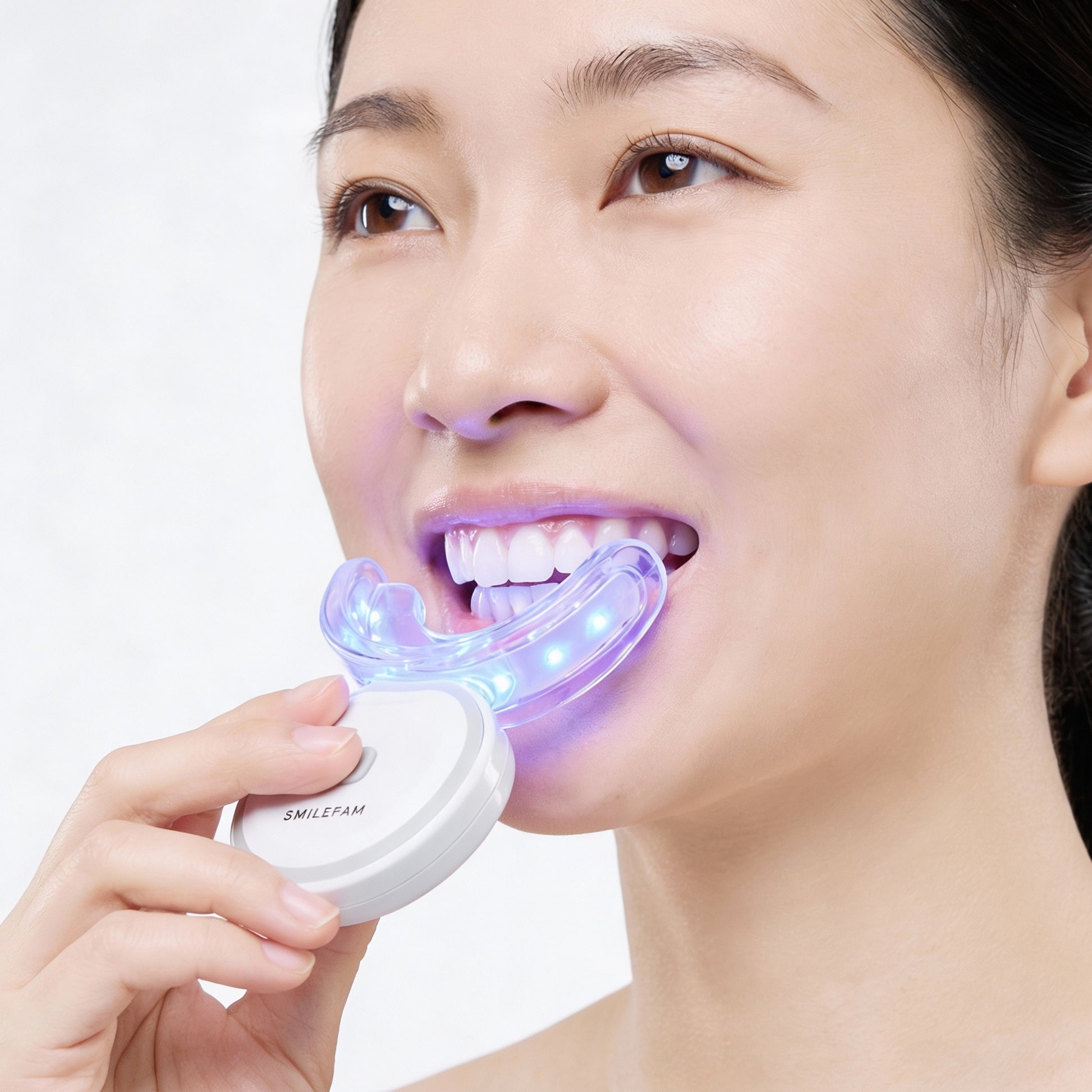
What whitens teeth rapidly is hydrogen peroxide at professional concentrations, delivered under dental supervision with light activation. In-office systems use 25% to 40% hydrogen peroxide, which is significantly stronger than the 3% to 10% found in over-the-counter products. The higher concentration, combined with LED or laser activation, breaks down stain molecules faster and more completely than any product you can buy at a store.
According to a review published by the National Institutes of Health, in-office bleaching with 35% hydrogen peroxide produced the highest color change immediately after treatment. The study also found that cold-light activation speeds up the breakdown of peroxide into free radicals, which are the active agents that oxidize and remove stain compounds from within the enamel.
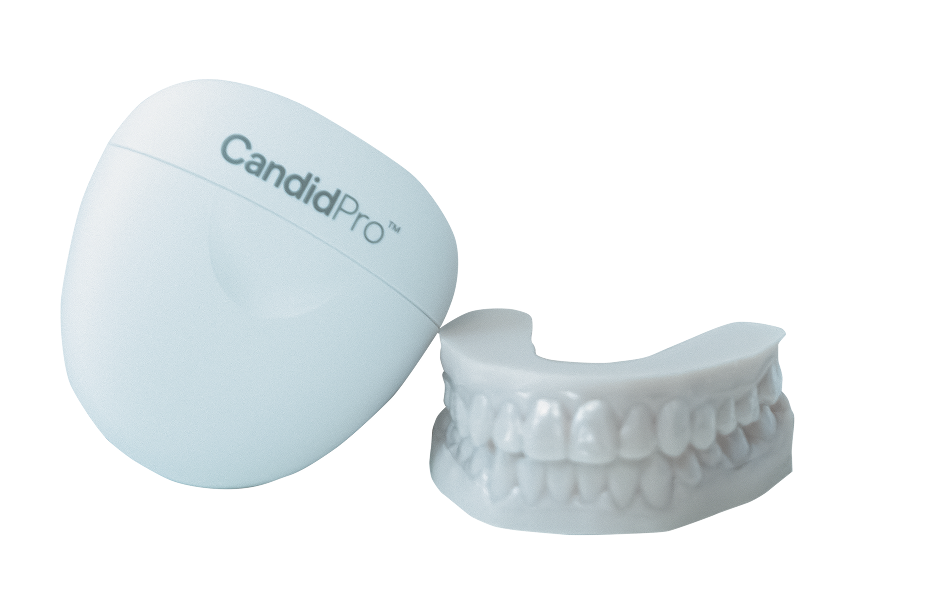
Custom take-home trays from your dentist also whiten teeth relatively fast compared to strips and toothpastes. They use 10% to 22% carbamide peroxide and produce noticeable results in about one to two weeks of daily use. The trays are molded to your teeth, so the gel stays evenly distributed and off your gums. For patients who want professional-grade results but prefer to whiten at home, professional teeth whitening trays are the second-fastest option.
How to Get Whiter Teeth in 24 Hours
You can get whiter teeth in 24 hours by scheduling a professional in-office whitening appointment. This is the only method that delivers dramatic, visible whitening within a single day. The entire procedure takes about one hour, and you leave the office with teeth that are noticeably brighter than when you arrived.
No over-the-counter product can produce the same level of whitening in 24 hours. Whitening strips require daily use for one to four weeks to show full results. Whitening toothpastes take even longer and can only lighten teeth by about one to two shades, according to the NIH. If you have a big event tomorrow or this week, in-office bleaching is the only realistic option for a significant change.
A Delta Dental 2024 survey found that 52% of adults rate tooth brightness as a top oral health priority. Many of those patients come to us looking for same-day results before a special occasion. We see this often at our practice in Hialeah, where patients want fast, reliable whitening they can count on.
How to Whiten Teeth Extremely Fast
You whiten teeth extremely fast by combining in-office professional bleaching with a take-home maintenance kit from your dentist. The in-office session gives you an immediate lift of four to eight shades in one visit. The take-home trays then let you fine-tune and maintain that brightness over the following weeks. This combination approach delivers the fastest, most dramatic, and longest-lasting results available.
According to the Journal of Evidence-Based Dental Practice, the optimal strategy for achieving and maintaining whitening is to follow an in-office session with monthly home-based touch-ups using dentist-provided products. Patients who follow this protocol see their results last one to two years or more, compared to three to six months for patients who only use over-the-counter products.
Speed matters, but so does safety. Over-whitening or using unregulated products can damage enamel and increase sensitivity. A 2018 Cochrane review confirmed that tooth sensitivity and oral irritation are the most common side effects of whitening, but both are mild and temporary when products are used correctly under dental supervision. A whitening consultation helps you get the fastest results without compromising your enamel.
How Do I Get Rid of Yellow Teeth in 5 Minutes?
You cannot permanently get rid of yellow teeth in 5 minutes. No whitening product or method can produce lasting color change in that short of a time frame. Products that claim five-minute whitening results typically use temporary optical brighteners or mild surface polishing that washes away within hours. Real whitening requires peroxide-based agents to penetrate the enamel and break down stain molecules, which takes longer than five minutes.
The fastest real whitening takes about 45 to 60 minutes with professional in-office bleaching. According to the ADA, whitening products work by using hydrogen peroxide or carbamide peroxide to break stains into smaller pieces, which makes the color less concentrated and your teeth brighter. This chemical process simply cannot happen in five minutes at any concentration that is safe for your teeth.
If you need a quick visual boost before a photo or event, a professional teeth cleaning can remove surface plaque and tartar that make teeth look dull. This is not whitening, but it does reveal a cleaner, brighter surface that was hiding under buildup. For actual color change, plan for at least one professional whitening session.
Can Yellow Teeth Actually Be Whitened?
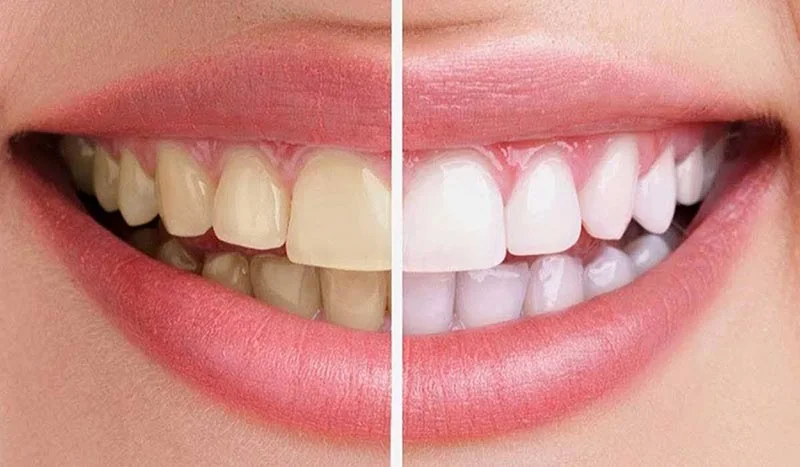
Yes, yellow teeth can actually be whitened in most cases. Yellow discoloration caused by surface stains from coffee, tea, wine, tobacco, and food pigments responds very well to both professional and over-the-counter whitening. Yellow teeth caused by aging, where the enamel thins and the dentin shows through, also respond to professional whitening, though the results may be slightly less dramatic.
According to the ADA MouthHealthy resource, yellow teeth typically bleach well. Brown teeth may not respond as strongly, and gray or blue-toned teeth from medications like tetracycline are the hardest to treat with bleaching alone. In the United States, 67% of adults have tried some form of teeth whitening, according to Grand View Research, and the vast majority of those with yellow surface stains see noticeable improvement.
If your yellow teeth have not responded to over-the-counter products, it does not mean they cannot be whitened. It likely means you need a stronger professional treatment. Cosmetic dentistry options like in-office bleaching, veneers, or bonding can address yellowing that store-bought products cannot reach.
Rapid Whitening Methods Compared: Speed, Results, and Duration
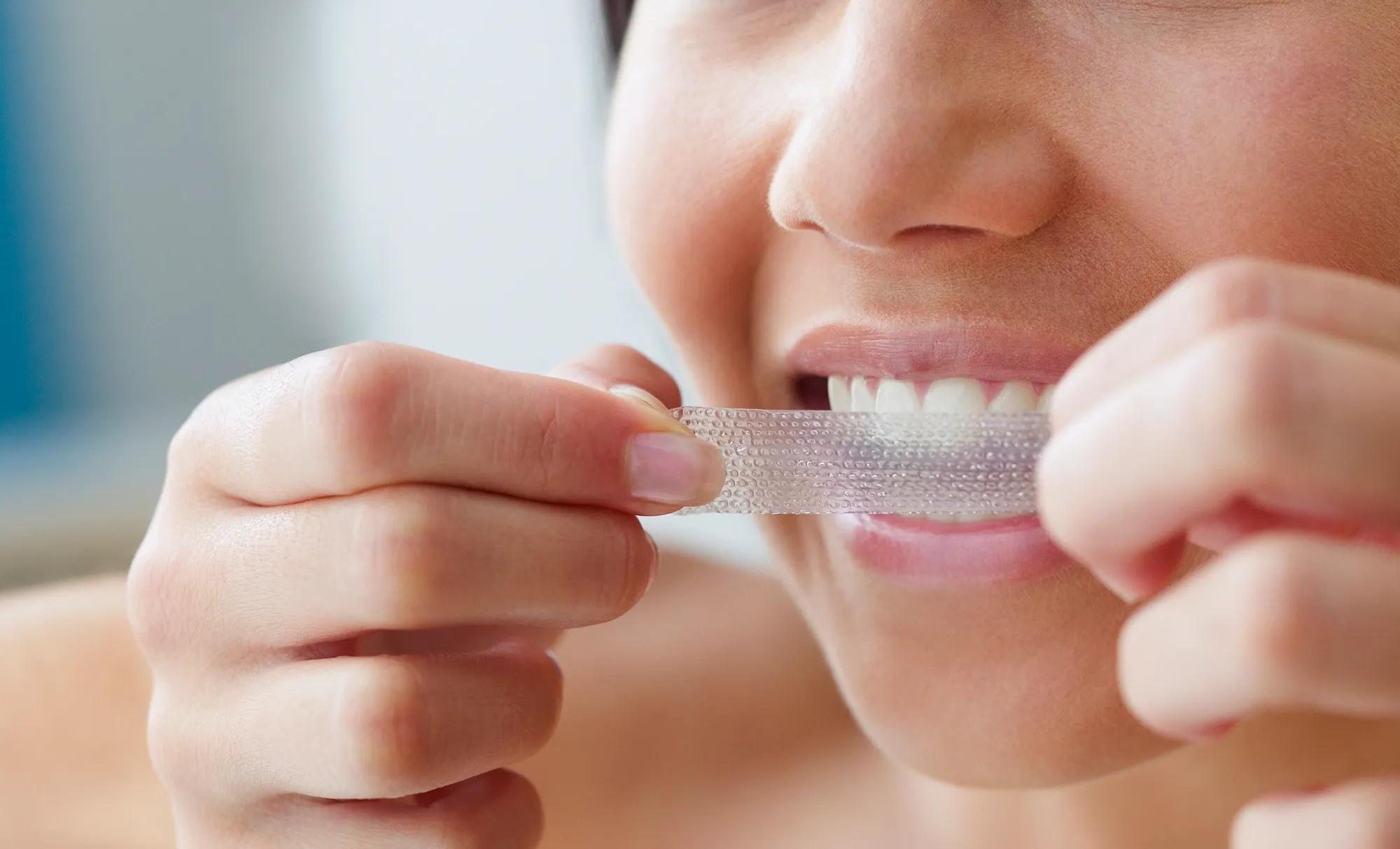
Whitening MethodHow Fast It WorksShade ImprovementHow Long Results LastProfessional In-Office Bleaching45 to 90 minutes (one visit)4 to 8 shades lighter6 months to 2+ years with touch-upsCustom Take-Home Trays (from dentist)1 to 2 weeks of daily use3 to 6 shades lighter6 months to 1+ year with touch-upsOver-the-Counter Whitening Strips2 to 4 weeks of daily use1 to 6 shades lighter1 to 6 monthsWhitening Toothpaste4 to 12 weeks of daily use1 to 2 shades lighterOnly while using the productWhitening Pens1 to 2 weeks of daily use1 to 2 shades lighter1 to 3 months
Sources: American Dental Association, WebMD, National Institutes of Health, Journal of Evidence-Based Dental Practice, British Dental Journal
Why Professional Whitening Is Faster Than At-Home Products
Professional whitening is faster than at-home products because dentists use hydrogen peroxide at concentrations of 25% to 40%, which is far stronger than the 3% to 10% found in strips, pens, and toothpastes. The higher concentration breaks down stain molecules more quickly. LED or laser light activation further speeds up the chemical reaction, allowing dramatic results in a single visit that would take weeks to achieve with store-bought products.
According to the British Dental Journal, between 15% and 78% of patients experience some tooth sensitivity during whitening, depending on the concentration and duration. Professional supervision keeps this manageable because the dentist can apply desensitizing agents, adjust the concentration, and protect the gums with a barrier. At-home products offer no such protection, and users who leave strips on too long or use products incorrectly often end up with uneven results and irritated gums.
Professional whitening also includes a pre-treatment exam. Cavities, cracks, and gum disease are identified and addressed before any bleaching begins, which makes the entire process safer. We always recommend starting with a dental exam to make sure your teeth are ready for rapid whitening.
Who Is a Good Candidate for Rapid Whitening?
Good candidates for rapid whitening are adults with healthy teeth and gums who have extrinsic stains from food, drinks, or tobacco. Patients with no untreated cavities, no active gum disease, and sufficient enamel thickness will see the best and fastest results from professional in-office bleaching.
Patients with dental restorations like crowns, veneers, or fillings on their front teeth should know that these materials do not change color with whitening. According to the ADA, whitening will not work on caps, veneers, crowns, or fillings. If you have visible restorations, your dentist can plan a coordinated approach, whitening natural teeth first and then updating restorations to match. A smile design package handles this kind of coordination.
Pregnant women, nursing mothers, children under 16, and patients with severely thin or damaged enamel should avoid rapid whitening treatments. A consultation determines whether you are ready for whitening now or whether other steps should come first.
How to Keep Rapid Whitening Results Looking Fresh
You keep rapid whitening results looking fresh by avoiding staining foods and drinks for 48 hours after treatment, brushing twice a day with fluoride toothpaste, rinsing with water after dark beverages, avoiding tobacco, and scheduling dental cleanings every six months. Touch-up treatments with custom take-home trays every few months extend your results significantly.
The first 48 hours after whitening are the most critical because your enamel pores are still open and absorb color more easily than usual. According to research published in Clinical Oral Investigations, fluoride can begin restoring softened enamel within 60 minutes of application, but full remineralization takes 24 to 48 hours. During this window, stick to the "white diet" of light-colored, non-acidic foods.
After the first two days, smart daily habits are what separate patients who keep their brightness for a year from those who see it fade in three months. Drinking coffee through a straw, rinsing after red wine, and keeping up with preventive care all help maintain your investment in a whiter smile.
How Whitening Sensitivity Is Managed for Fast Results
Whitening sensitivity is managed for fast results by using desensitizing agents before and after treatment, selecting the right peroxide concentration for your teeth, and applying a protective barrier over the gums during the procedure. A study published in the Journal of the American Dental Association found that 54% of participants using a 15% carbamide peroxide gel experienced mild sensitivity, and most cases resolved within 24 to 48 hours.
Using a toothpaste with potassium nitrate or stannous fluoride for one to two weeks before your whitening appointment helps block pain signals and reduces sensitivity. Your dentist can also apply a fluoride treatment after whitening to speed up enamel recovery. These steps allow you to get fast results without significant discomfort.
Frequently Asked Questions
How Long Does Professional In-Office Whitening Take?
Professional in-office whitening takes about 45 to 90 minutes in a single appointment. The exact time depends on the level of staining and how many activation cycles the dentist performs. Most patients see results of four to eight shades lighter by the time they leave the chair. According to WebMD, in-office bleaching provides the quickest way to whiten teeth, with visible results after just one treatment.
Can You Whiten Teeth With Crowns or Veneers?
No, you cannot whiten teeth that have crowns or veneers because these materials do not respond to peroxide-based bleaching agents. If you have restorations on visible teeth, your dentist can whiten your natural teeth first and then replace or adjust the restorations to match your new shade. Porcelain veneers and crowns are stain-resistant by design, so once they are placed at your desired shade, they stay that color.
Is Rapid Whitening Safe for Sensitive Teeth?
Yes, rapid whitening is safe for sensitive teeth when performed by a dentist who can customize the treatment. Lower-concentration gels, shorter application times, and desensitizing agents applied before and after treatment reduce discomfort. A 2018 Cochrane review confirmed that sensitivity from whitening is mild and temporary when products are used correctly under professional supervision.
Do Whitening Strips Work as Fast as Professional Whitening?
No, whitening strips do not work as fast as professional whitening. Strips use lower concentrations of hydrogen peroxide (3% to 10%) and require daily use for two to four weeks to show full results. Professional in-office whitening uses 25% to 40% hydrogen peroxide and produces dramatic results in a single appointment of about one hour.
How Often Can You Get Rapid Whitening Treatments?
You can get rapid whitening treatments safely once or twice per year, with take-home touch-ups as recommended by your dentist between sessions. Over-whitening can weaken enamel, increase sensitivity, and give teeth a translucent appearance. According to the ADA, tooth sensitivity and gum irritation become more likely with frequent or prolonged whitening. Your dentist can create a maintenance schedule that keeps your smile bright without overdoing it.
Does Teeth Whitening Damage Your Enamel?
No, teeth whitening does not damage your enamel when done correctly under dental supervision. Professional whitening may temporarily soften the enamel surface, but saliva naturally remineralizes it within hours to days. A study published in the Journal of Esthetic and Restorative Dentistry found no actual enamel erosion when bleaching products were used according to manufacturer instructions. The existing blog on enamel and whitening covers this topic in full detail.
What Should You Avoid After Rapid Whitening?
After rapid whitening, you should avoid coffee, tea, red wine, dark berries, soy sauce, tomato sauce, tobacco, colored mouthwash, and any food or drink with strong pigments for at least 48 hours. Acidic foods like citrus and soda should also be avoided during this window. Sticking to light-colored, non-acidic foods gives your enamel time to remineralize and helps your results last longer.
The Bottom Line
If you want whitening results fast, professional in-office bleaching is the clear winner. It delivers four to eight shades of improvement in about one hour, which no store-bought product can match. Custom take-home trays from your dentist are the second-fastest option, producing noticeable results in one to two weeks. Over-the-counter strips and toothpastes work, but they take significantly longer and produce less dramatic results. The key to fast, safe, and lasting whitening is working with a dentist who can evaluate your teeth, choose the right approach, and protect your enamel throughout the process.
Castellanos Dental Aesthetics has been helping patients across South Florida achieve brighter smiles for over 25 years. If you are ready for rapid whitening results you can actually see, call (305) 820-4080 to schedule a consultation.
.png)
.png)

.png)


.png)

.png)
.png)
.png)
.png)

.png)
.png)
.svg)


