.png)
.svg)
.png)

Proven Methods to Whiten Yellow Teeth
.png)
.png)
Yes, yellow teeth can be whitened using proven methods that range from professional in-office bleaching to dentist-supervised take-home kits and daily whitening toothpastes. Professional teeth whitening is the most effective option, lightening teeth by 3 to 8 shades in a single 60 to 90 minute session. According to the American Academy of Cosmetic Dentistry, 67% of American adults have tried some form of teeth whitening, and approximately 90% of patients who receive professional treatment report being satisfied with their results. The method that works best for you depends on whether your stains are on the surface (extrinsic) or deeper inside the tooth (intrinsic), your sensitivity level, and your timeline. This guide covers every proven whitening method, what causes yellow teeth in the first place, and how to keep your results lasting as long as possible. Families across West Hialeah, Florida and the greater Miami-Dade area rely on this kind of information to make confident decisions about their smiles.
Can Yellow Teeth Actually Be Whitened?
Yes, yellow teeth can actually be whitened in most cases. Surface stains caused by coffee, tea, wine, and tobacco respond very well to both professional and at-home whitening treatments. Deeper, intrinsic stains caused by aging, medications, or genetics may require stronger professional treatments or cosmetic alternatives like veneers.
There are two main types of tooth discoloration. Extrinsic stains sit on the outer enamel surface and are caused by pigmented foods, drinks, and tobacco. These stains are the easiest to remove because whitening agents can break down the pigment molecules directly on the surface. Intrinsic stains are located inside the tooth, either within the enamel or in the dentin layer underneath. They can result from tetracycline antibiotics, excessive fluoride during development, dental trauma, or simply the natural aging process.
As you age, the outer enamel layer wears down and becomes thinner. This exposes more of the dentin beneath, which is naturally yellowish in color. According to a review published in the National Institutes of Health (PMC), intrinsic staining happens because the dentin itself increases as we age, making teeth appear darker and less translucent. This type of yellowing is completely normal and does not mean you have poor oral hygiene.
A 2023 study published in PMC found that hydrogen peroxide was the most effective whitening agent, producing the greatest color change compared to alternatives like sodium bicarbonate, bromelain, and PAP (phthalimidoperoxycaproic acid). Hydrogen peroxide was also the only agent capable of lightening the natural enamel color beyond just removing surface stains. This is why professional treatments that use higher concentrations of peroxide deliver the most dramatic results.
Patients in West Hialeah who want to find out which type of staining they have should start with a dental exam so the dentist can recommend the right approach.
How Does Professional Teeth Whitening Work?
Professional teeth whitening works by using high-concentration hydrogen peroxide or carbamide peroxide gels that penetrate the enamel and break down stain molecules through a chemical oxidation process. The bleaching agent breaks stains into smaller, less concentrated pieces, making your teeth appear brighter and whiter.
In-office treatments typically use hydrogen peroxide concentrations between 25% and 40%, which is far stronger than anything available over the counter. The dentist applies a protective barrier to your gums, coats the teeth with the whitening gel, and may use an LED light to accelerate the reaction. The entire process takes 60 to 90 minutes, and patients often see their teeth lighten by 3 to 8 shades in a single visit.
The global teeth whitening market was valued at approximately $7.72 billion in 2025 according to Mordor Intelligence. This figure is projected to grow to over $9.6 billion by 2031, reflecting how many people are investing in professional whitening as a standard part of their self-care routine. In the United States alone, teeth whitening accounts for 32% of all in-office dental procedures, making it the most popular cosmetic treatment in dentistry.
A research review published in the National Institutes of Health (PMC) confirmed that when manufacturer protocols are followed, both hydrogen peroxide and carbamide peroxide whitening products are safe and effective. The review also noted that the best way to maintain results long-term is to follow an in-office treatment with monthly at-home touch-ups using dentist-recommended products.
Professional teeth whitening at Castellanos Dental Aesthetics in West Hialeah uses FDA-approved whitening agents and advanced LED technology to deliver dramatic results while protecting your enamel and gums.
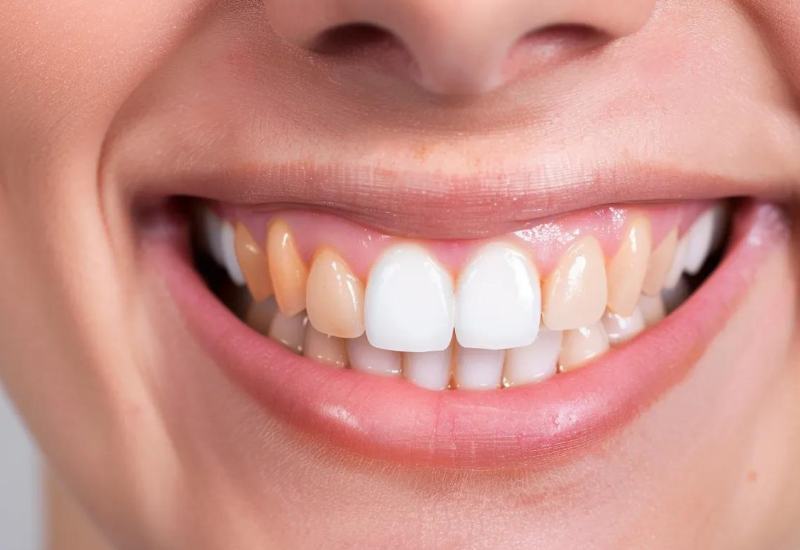
What Are the Do's and Don'ts After Teeth Whitening?
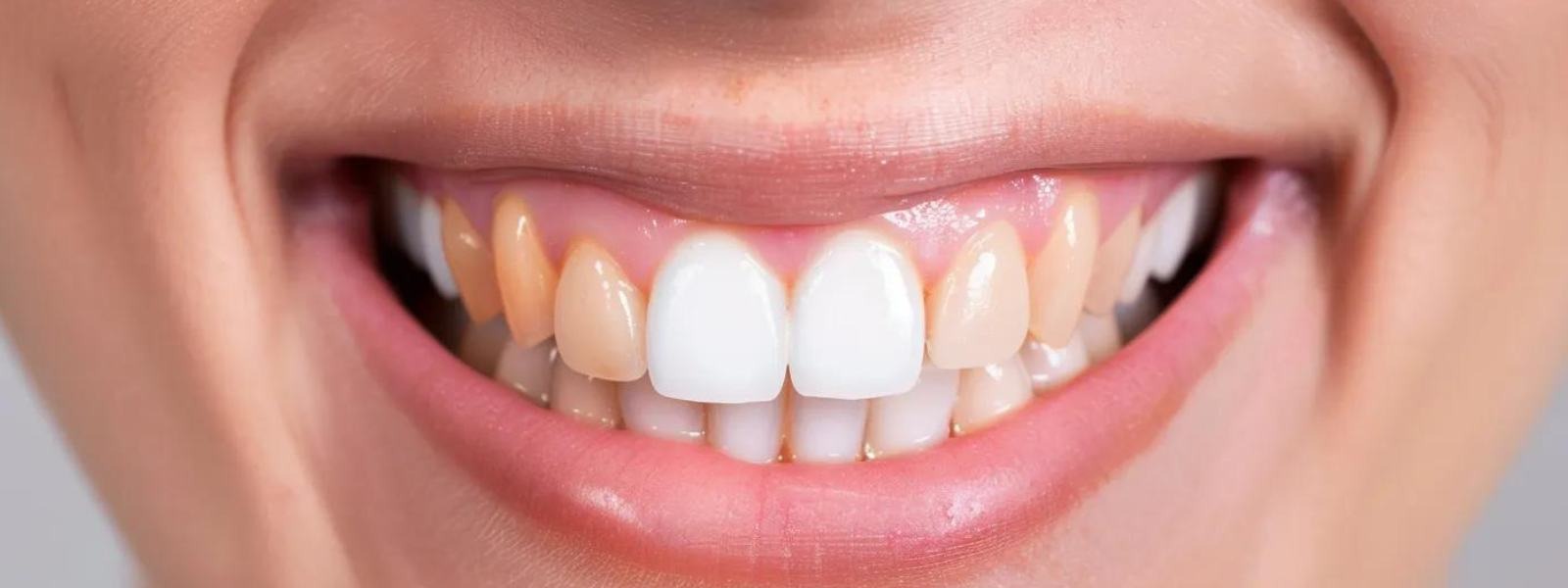
The do's after teeth whitening are to follow a white diet for 48 hours, brush gently with a soft-bristled toothbrush, use non-abrasive toothpaste, drink plenty of water, and attend regular dental cleanings. The don'ts are to avoid dark-colored foods and drinks, stay away from tobacco, skip colored mouthwashes, and do not consume highly acidic foods during the recovery window.
The first 48 hours after whitening are the most critical. Your enamel pores are still open and highly susceptible to absorbing new stains. Coffee, tea, red wine, dark sauces, berries, and chocolate should be completely avoided during this period. Tobacco products and e-cigarettes must also be off the table.
Safe foods to eat during the white diet include plain chicken, white rice, eggs, white fish, bananas, peeled apples, cauliflower, and yogurt. For drinks, stick to water, milk, and light herbal teas. After the 48-hour window, you can slowly reintroduce crunchy fruits and vegetables like carrots and celery, which stimulate saliva production and naturally help clean the teeth.
According to research cited by the American Dental Association, tooth sensitivity and gum irritation are the most common side effects of whitening, but both are temporary and typically resolve within one to three days. Using a desensitizing toothpaste with potassium nitrate before and after the procedure can reduce discomfort without affecting the whitening outcome.
Families in Hialeah and Miami Lakes who plan ahead by stocking their kitchen with white-diet-friendly foods make the 48-hour transition much easier. Regular professional teeth cleanings every six months also play a big role in maintaining brightness over time.
How to Recover Severely Yellowed Teeth?
To recover severely yellowed teeth, start with a professional dental cleaning to remove plaque and tartar, then discuss in-office whitening or a combination of professional and take-home treatments with your dentist. For stains that do not respond to bleaching, cosmetic options like veneers or bonding may be needed.
Severe yellowing is often a combination of both extrinsic and intrinsic factors. Years of coffee and tobacco use create thick layers of surface stains, while the natural thinning of enamel with age reveals the yellow dentin underneath. Tackling both layers requires a two-pronged approach: surface stain removal through professional cleaning and deep stain treatment through chemical bleaching.
Data from a BMC Oral Health study found that 56.2% of dental patients surveyed were unhappy with the color of their teeth. That is more than half of all patients walking into a dental office. The good news is that professional treatments can address even long-standing discoloration. In-office whitening with high-concentration peroxide is the fastest route, but patients with severe stains may benefit from multiple sessions or a combination of in-office and take-home treatments.
For teeth that are yellowed because of tetracycline antibiotics or fluorosis, standard whitening may not be enough. In these cases, porcelain veneers provide a permanent solution by covering the discolored tooth with a thin, custom-made shell that looks and feels like natural enamel. Patients in West Hialeah who are dealing with deep, stubborn stains should schedule a consultation to explore which combination of treatments will give them the best results.
Cosmetic treatments like a smile design package can combine whitening, veneers, and bonding into a single plan that addresses every tooth in the smile zone for a complete transformation.
Can 75-Year-Old Teeth Be Whitened?
Yes, 75-year-old teeth can be whitened. Age does not disqualify someone from teeth whitening as long as the teeth and gums are healthy. Older adults may not see as dramatic a result as younger patients because intrinsic yellowing from dentin thickening is harder to reverse, but professional bleaching can still produce a noticeable improvement.
As we age, enamel thins naturally, and the dentin layer underneath becomes denser and more yellow. This is the primary reason teeth look darker in older adults. Professional whitening can still penetrate the enamel and lighten the appearance, but the starting point and the ceiling of improvement are different from someone in their 20s or 30s.
According to the American Dental Association, nearly 70% of adults aged 65 and older have lost at least one tooth. This means many older patients also have dental work like dental crowns, dental bridges, or tooth-colored fillings that will not change color during whitening. A dentist needs to evaluate the entire mouth and plan the treatment so the results look even and natural.
Residents across Hialeah Gardens and Palm Springs North who are in their 60s, 70s, or beyond should not feel like a brighter smile is out of reach. Dr. Castellanos-Gonzalez at Castellanos Dental Aesthetics has over 25 years of experience helping patients of all ages achieve a more confident smile.
What Is the 2-2-2 Rule for Teeth?
The 2-2-2 rule for teeth is a simple oral hygiene guideline that means brush 2 times a day, for 2 minutes each session, and visit your dentist 2 times a year. This is the baseline recommendation from the American Dental Association for maintaining healthy teeth and gums.
Brushing twice a day with fluoride toothpaste removes plaque before it hardens into tartar. Two minutes per session gives you enough time to thoroughly clean all surfaces of every tooth, including the inner, outer, and chewing surfaces. Dental visits every six months allow your dentist to catch problems early, remove tartar buildup, and monitor the overall health of your mouth.
For people who want to go further, the 3-3-3 rule recommends brushing 3 times a day, for 3 minutes each session, and replacing your toothbrush every 3 months. The American Dental Association recommends replacing your toothbrush every 3 to 4 months because frayed bristles lose their ability to clean effectively. After a whitening treatment, switching to a soft-bristled brush and non-abrasive toothpaste is especially important to protect the freshly treated enamel.
Following either rule consistently helps prevent new surface stains from building up and extends the life of any whitening treatment. Combined with regular visits to a preventive dentistry provider in West Hialeah, these simple habits make a measurable difference in how long your smile stays bright.
What Food Kills Mouth Bacteria?
Foods that kill mouth bacteria include dairy products like cheese and yogurt, crunchy vegetables like celery and carrots, leafy greens like spinach and kale, and foods high in vitamin C like strawberries and bell peppers. These foods either raise the pH in your mouth, stimulate saliva production, or contain natural antibacterial compounds.
Cheese and other dairy products are rich in calcium and casein, a protein that strengthens enamel and creates a protective film on the tooth surface. A study published in the journal General Dentistry found that eating cheese raised the pH level in the mouth, which lowers the risk of tooth decay and helps prevent new stains from forming. Yogurt with live probiotics also introduces beneficial bacteria that can crowd out harmful, acid-producing strains.
Crunchy fruits and vegetables act as natural scrubbers. Apples, carrots, celery, and green beans require more chewing, which stimulates saliva flow. Saliva is the mouth's natural defense system. It washes away food particles, neutralizes acids, and delivers calcium and phosphate to remineralize enamel. According to the Centers for Disease Control and Prevention, fluoride in saliva is taken up by demineralized enamel along with calcium and phosphate, creating a stronger, more acid-resistant crystal structure.
Green tea also deserves a spot on this list. It contains polyphenols that suppress the growth of bacteria associated with cavities and gum disease. Just be mindful that tea can also stain teeth over time, so rinsing with water after drinking is a smart habit for anyone who has recently had a whitening treatment. Patients across Miami-Dade who combine these dietary choices with regular dental sealants and fluoride treatments give their teeth the strongest possible defense against staining and decay.
Can a Dentist Tell if You Only Brush Once a Day?
Yes, a dentist can usually tell if you only brush once a day. Plaque starts forming on teeth within hours of eating, and brushing only once allows more buildup to accumulate. During an exam, the dentist can see patterns of plaque distribution, early signs of gum inflammation, and areas of staining that indicate inconsistent brushing habits.
Plaque that is not removed hardens into tartar within 24 to 72 hours. Tartar cannot be removed by brushing alone; it requires a professional cleaning. When a dentist sees heavy tartar buildup, especially in areas that are easy to brush like the front teeth, it is a strong indicator that the patient is not brushing frequently enough.
According to the American Dental Association, brushing twice a day with fluoride toothpaste is one of the most effective ways to prevent cavities and gum disease. Skipping even one session gives bacteria more time to produce acid, which leads to enamel erosion and yellowing over time. A 2024 survey by Delta Dental found that 52% of adults rate tooth brightness as a top oral health priority, yet many still skip the second brushing session.
Patients in Hialeah who want to protect both their oral health and the brightness of their smile should commit to the full 2-2-2 or 3-3-3 routine. Regular dental exams keep you accountable and allow your dentist to address any issues before they become visible problems.
Should You Rinse After Brushing?
No, you should not rinse with water immediately after brushing with fluoride toothpaste. Rinsing washes away the concentrated fluoride left on your teeth, which reduces its protective benefits. Instead, spit out the excess toothpaste and let the fluoride sit on your enamel for maximum absorption.
This may feel strange at first, but the science is clear. Fluoride works best as a topical agent when it stays in contact with the tooth surface for as long as possible. According to a critical review published in Dentistry Journal (PMC), fluoride in saliva and plaque fluid is taken up by demineralized enamel along with calcium and phosphate, creating a stronger, more acid-resistant enamel structure. Rinsing immediately after brushing disrupts this process.
If you like to use mouthwash, use it at a different time of day rather than right after brushing. For example, after lunch is a great time to rinse if you brush in the morning and before bed. This way, you get the antibacterial benefits of mouthwash without canceling out the fluoride from your toothpaste.
After a whitening treatment, fluoride is especially important because it helps remineralize any microscopic surface changes caused by the bleaching agent. Patients across West Hialeah and Hialeah who follow this simple "spit, don't rinse" approach get more protection from every single brushing session. Combining this with professional fluoride treatments twice a year creates a strong defense against both cavities and re-staining.
Can You Use Zyn After Teeth Whitening?
No, you should not use Zyn or any nicotine pouch after teeth whitening, especially during the first 48 hours. Nicotine pouches contain ingredients that can stain freshly treated enamel, and the nicotine itself can contribute to gum irritation and discoloration over time.
During the first two days after whitening, the pores in your enamel are still open. Any substance that comes into contact with your teeth during this window has a much higher chance of being absorbed and creating new stains. Nicotine, even in smokeless form, can cause yellowing and brownish discoloration of the teeth and gums over time.
According to the American Academy of Cosmetic Dentistry, tobacco use in all forms is one of the leading causes of tooth discoloration. Eliminating nicotine products altogether gives you the best chance of maintaining your whitening results for as long as possible.
If quitting entirely is not realistic, wait at least 48 to 72 hours after your whitening treatment before resuming use, and rinse your mouth with water immediately after each pouch. Regular professional teeth cleanings will also help remove surface stains before they set in permanently.
Professional Whitening vs. At-Home Methods: Which Works Better?
Professional whitening delivers faster, more dramatic, and longer-lasting results than at-home methods. At-home products work well for maintenance and mild surface stains, but they cannot match the power of in-office treatments for moderate to severe discoloration.
Sources: American Dental Association, National Institutes of Health (PMC), Mordor Intelligence, American Academy of Cosmetic Dentistry
A systematic review published in PMC noted that there was no significant difference in shade improvement between in-office and at-home dentist-supervised treatments when measured over time. However, in-office whitening works much faster, which makes it the preferred choice for patients who want results before a special event or simply do not want to commit to weeks of daily product application.
The U.S. cosmetic dentistry market reached $4.25 billion in 2024, according to Precedence Research. About 90% of people who whiten their teeth choose at-home methods due to affordability and convenience, but more than 90% of those who try professional in-office whitening report being satisfied with their results. The satisfaction gap shows why starting with a professional session makes the biggest difference, especially for patients in West Hialeah who want reliable, even results.
Frequently Asked Questions
How Long Does Teeth Whitening Last in the West Hialeah Climate?
Teeth whitening results last anywhere from several months to up to three years, regardless of climate. The heat and humidity in West Hialeah, Florida do not affect the whitening itself. What does affect longevity is your diet, oral hygiene habits, and whether you use tobacco. Patients who avoid stain-causing foods and attend regular dental cleanings maintain their brightness much longer than those who do not.
Can Whitening Damage My Enamel?
No, whitening does not cause permanent damage to enamel when done properly under dental supervision. A 2022 systematic review cited by the American Dental Association found that hydrogen peroxide-based whitening products are safe for the oral mucosa and enamel. Some temporary surface changes may occur, but saliva naturally remineralizes the enamel within hours. Using fluoride toothpaste after whitening speeds this recovery.
Is Whitening Safe for Sensitive Teeth?
Yes, whitening can be safe for sensitive teeth with the right precautions. Dentists recommend using a desensitizing toothpaste with potassium nitrate for two weeks before the procedure. Lower-concentration products and shorter application times also reduce discomfort. A study in the Journal of the American Dental Association found that pre-treatment with a 5% potassium nitrate and 2% sodium fluoride gel reduced sensitivity without affecting whitening results.
What Causes Teeth to Turn Yellow Even With Brushing?
Teeth can turn yellow even with brushing because of factors beyond surface plaque. Aging naturally thins the enamel, exposing the yellow dentin underneath. Genetics determine the thickness and shade of your enamel. Acidic foods and drinks erode enamel over time, and certain medications like tetracycline antibiotics can cause deep intrinsic staining that brushing alone cannot fix.
How Often Should I Get Professional Whitening in Miami-Dade?
Most dentists recommend an in-office whitening touch-up every 6 to 12 months, depending on your diet and lifestyle. Patients in Miami-Dade who drink a lot of coffee, tea, or red wine may benefit from more frequent maintenance. Using a dentist-provided take-home kit between appointments extends results and reduces the need for full in-office sessions. Ask about the options during your next oral cancer screening or dental checkup.
Are Natural Whitening Remedies Like Baking Soda Effective?
Baking soda has mild abrasive properties that can remove some surface stains, and studies confirm it creates an alkaline environment that reduces bacteria in the mouth. However, its whitening effect is modest, typically lightening teeth by only one to two shades at most. It cannot treat intrinsic stains. The American Dental Association recommends looking for whitening products with the ADA Seal of Acceptance for proven safety and effectiveness.
Does Insurance Cover Teeth Whitening in Florida?
Teeth whitening is classified as a cosmetic procedure, and most dental insurance plans in Florida do not cover it. However, many dental practices offer financing options to make the treatment more accessible. Flexible payment plans allow families across West Hialeah and the greater Hialeah area to invest in their smile without financial stress.
Final Thoughts
Yellow teeth do not have to be permanent. Whether your discoloration comes from coffee, aging, medications, or genetics, there is a proven method to brighten your smile safely and effectively. Professional in-office whitening remains the gold standard, delivering the fastest and most satisfying results. At-home methods and good daily habits like the 2-2-2 rule play a critical supporting role in keeping those results looking fresh for months and years to come.
The data speaks for itself. With 67% of American adults having tried whitening, a global market projected to exceed $9.6 billion by 2031, and over 90% patient satisfaction for professional treatments, investing in a brighter smile is one of the most popular and rewarding decisions you can make for your appearance and confidence.
If you are ready to take the next step, Castellanos Dental Aesthetics in West Hialeah, Florida has been helping patients across South Florida achieve beautiful, natural smiles for over 25 years. Dr. Madeleine Castellanos-Gonzalez and her bilingual team offer personalized professional teeth whitening treatments built around your goals, your sensitivity level, and your schedule. Call (305) 820-4080 or visit the contact page today to book your consultation and start your journey to a brighter, more confident smile.
.png)
.png)

.png)


.png)

.png)
.png)
.png)

.png)
.png)
.svg)


