.png)
.svg)
.png)

Preparing for In-Office Teeth Whitening
.png)
.png)
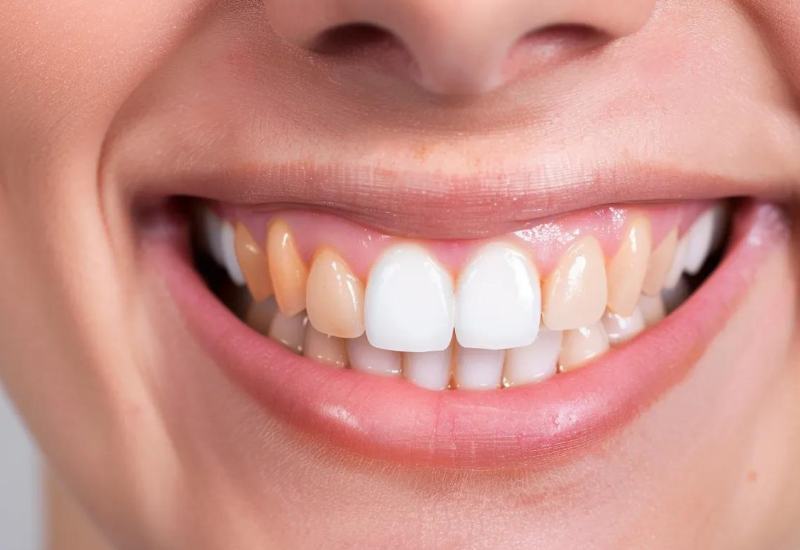
Preparing for in-office teeth whitening involves scheduling a dental cleaning at least two weeks before the appointment, switching to a desensitizing toothpaste, cutting stain-causing foods and drinks from your diet, stopping any over-the-counter whitening products, and brushing and flossing thoroughly on the day of your visit. According to the American Academy of Cosmetic Dentistry, teeth whitening is the most requested cosmetic dental procedure in the United States, and proper preparation is what separates average results from truly dramatic ones. Professional in-office whitening can lighten teeth by 3 to 8 shades in a single session, but the bleaching gel works best on a clean, healthy surface that is free of plaque, tartar, and active decay. This guide walks you through every step you need to take before, during, and after your appointment so you get the brightest, longest-lasting results possible. Patients in West Hialeah, Florida and across Miami-Dade County trust this kind of preparation to protect their investment in a brighter smile.
How to Prep for In-Office Teeth Whitening?
How to prep for in-office teeth whitening is to get a professional dental cleaning, start using sensitivity toothpaste two weeks before, avoid staining foods and drinks for 48 hours prior, stop using over-the-counter whitening products, treat any cavities or gum issues first, and brush and floss thoroughly on the day of the appointment.
The single most important preparation step is a professional cleaning. Whitening gel cannot penetrate through plaque and tartar. If these deposits are sitting on your teeth, the bleaching agent will work unevenly and leave blotchy, patchy results. A cleaning removes these barriers so the gel can reach every surface of every tooth at the same time. Most dentists recommend having your professional teeth cleaning done at least two weeks before the whitening session to give your gums time to recover.
Switching to a desensitizing toothpaste with potassium nitrate is the second most impactful step. A study published in the Journal of the American Dental Association found that applying a 5% potassium nitrate and 2% sodium fluoride gel before in-office bleaching reduced tooth sensitivity without affecting the whitening outcome. Start this routine at least two weeks ahead of time to give the desensitizing agents a chance to build up protection in your teeth.
Stop using over-the-counter whitening strips, pens, and trays in the weeks leading up to your appointment. These products can irritate your gums and increase enamel porosity, making your teeth more sensitive during the professional treatment. Patients in West Hialeah who arrive with calm, healthy gums and a clean surface get the most dramatic improvement from a single session.
Should I Do In-Office Teeth Whitening?
Yes, you should do in-office teeth whitening if you want the fastest, most effective, and safest results available. Professional whitening uses higher-concentration bleaching agents under direct dental supervision, which delivers 3 to 8 shades of improvement in a single 60 to 90 minute session.
In-office whitening is especially worth it if you have moderate to heavy staining from coffee, tea, red wine, or tobacco. It is also the better choice if you have dental restorations like dental crowns or tooth-colored fillings because the dentist can evaluate how your natural teeth will respond alongside the restorations. Whitening agents do not change the color of porcelain or composite materials, so planning is critical for an even result.
According to data compiled by NewMouth, more than 90% of patients who receive professional in-office whitening report being satisfied with their results. That satisfaction rate is significantly higher than what at-home products deliver. The global teeth whitening market was valued at approximately $7.72 billion in 2025 according to Mordor Intelligence, and in-office treatments continue to generate the highest revenue per patient in the cosmetic dentistry category.
A 2024 survey by Delta Dental found that 52% of adults rate tooth brightness as a top oral health priority. For these patients, in-office whitening is not a luxury. It is a targeted investment with predictable results. At Castellanos Dental Aesthetics, Dr. Castellanos-Gonzalez uses FDA-approved whitening agents and advanced LED technology that are customized to your sensitivity level and desired shade.
How Long Does In-Office Teeth Whitening Take?
In-office teeth whitening takes approximately 60 to 90 minutes for a complete session. The actual bleaching process involves two to four rounds of 15 to 20 minute gel applications, with the dentist removing and reapplying fresh gel between each round. Allow at least two hours for the full appointment, including prep work and post-treatment instructions.
The first step is a shade measurement. Your dentist compares your current tooth color to a standardized shade guide to create a benchmark. This allows you to see exactly how many shades lighter your teeth become by the end of the session. Next, the dentist polishes your teeth with pumice to remove any remaining surface debris, then applies a protective barrier to your gums to shield them from the whitening gel.
The bleaching gel, which typically contains 25% to 40% hydrogen peroxide, is then applied to the front surfaces of your teeth. Some systems use an LED or blue light to accelerate the chemical reaction. After each 15 to 20 minute application, the gel is removed, your teeth are rinsed, and a fresh coat is applied. Most patients go through three to four rounds in a single visit.
According to the American Dental Association, teeth whitening accounts for 32% of all in-office dental procedures in the United States, making it the most popular cosmetic treatment in dentistry. The speed and convenience of the procedure are a big part of why. Residents across Hialeah and Miami Lakes who have busy schedules appreciate that they can walk in on a lunch break and walk out with a noticeably brighter smile the same day.
After the final round, the dentist takes a final shade measurement and provides you with personalized aftercare instructions. At Castellanos Dental Aesthetics, this includes guidance on the white diet, sensitivity management, and long-term maintenance.

What Not to Do After In-Office Teeth Whitening?
What not to do after in-office teeth whitening is eat dark-colored foods, drink staining beverages, use tobacco products, consume highly acidic foods, use colored toothpaste or mouthwash, or expose your teeth to extreme temperatures. The first 48 hours are the most critical window for protecting your results.
Right after whitening, the pores in your enamel are still open. This makes your teeth extremely susceptible to absorbing new pigments. Coffee, tea, red wine, dark sodas, berries, chocolate, soy sauce, tomato sauce, and balsamic vinegar should all be avoided for at least two full days. Tobacco products and e-cigarettes are equally harmful during this period.
Acidic foods and drinks like citrus fruits, tomatoes, vinegar-based dressings, and soda weaken the enamel while it is recovering. Even diet and clear sodas have nearly the same acidic pH as regular versions, so they are not a safe substitute. Stick to the white diet: plain chicken, white rice, eggs, white fish, bananas, peeled apples, cauliflower, potatoes, and yogurt.
According to a research review published in the National Institutes of Health (PMC), temporary tooth sensitivity and mild gum irritation are the most common side effects of whitening, and both typically resolve within one to three days. Using a sensitivity toothpaste and avoiding extremely hot or cold foods during this window helps manage discomfort.
Families in Hialeah Gardens and Palm Springs North who stock their kitchen with white-diet-friendly foods before the appointment find the 48-hour transition much easier. Planning ahead takes the guesswork out of the recovery and helps you protect the investment you just made in your professional teeth whitening.
How Long After In-Office Teeth Whitening Can You Eat?
You can eat approximately 30 to 60 minutes after in-office teeth whitening, but you must stick to the white diet for the first 48 hours. Eating immediately after the procedure is not recommended because the enamel is still recovering and the pores are open and vulnerable to staining.
Wait at least 30 minutes before eating anything. When you do eat, choose light-colored, non-acidic foods. White rice, plain pasta, scrambled eggs, chicken breast, white fish, and bananas are all safe choices. Avoid anything that would stain a white shirt, because it will stain your freshly whitened teeth the same way.
For drinks, water is the safest option. Milk and light herbal teas like chamomile are also acceptable. If you absolutely need something warm, avoid adding dark sweeteners or creamers. After the 48-hour window, you can slowly begin reintroducing crunchy vegetables like carrots and celery, which stimulate saliva production and naturally help clean the teeth.
According to research cited by the American Dental Association, the pores in your enamel should return to their normal size within 48 hours, but you can extend your caution for a full week to get the absolute best results. Patients across West Hialeah who follow this extended timeline report longer-lasting brightness and fewer touch-up sessions over the following year.
Regular dental exams every six months also help maintain whitening results by removing surface stains and plaque before they dull the brightness over time.
Is In-Office Whitening Painful?
No, in-office whitening is not painful for most patients. The most common sensation is mild to moderate tooth sensitivity during or shortly after the procedure, which typically resolves within one to three days. The dentist applies a protective barrier to your gums before the gel touches your teeth, which prevents irritation to the soft tissue.
According to a study published in the National Institutes of Health (PMC), tooth sensitivity affects 43% to 80% of patients who whiten their teeth with peroxide-based products. The wide range depends on the concentration used, the duration of exposure, and whether the patient has existing restorations. The sensitivity happens because the bleaching gel temporarily opens the pores in the enamel, allowing oxygen to reach closer to the dental nerve.
Managing this sensitivity is straightforward. Use a desensitizing toothpaste before and after the procedure. Avoid extremely hot and cold foods for a few days. Over-the-counter pain relievers like ibuprofen can help if needed. Rinsing with lukewarm salt water also soothes inflammation. A review by the American Dental Association confirmed that pretreatment with potassium nitrate and sodium fluoride gel reduces sensitivity without reducing the whitening effect.
At Castellanos Dental Aesthetics in West Hialeah, Dr. Castellanos-Gonzalez combines her dental expertise with a background in psychology to help anxious patients feel comfortable throughout the procedure. The team adjusts the treatment protocol to your sensitivity level, so you get dramatic results without unnecessary discomfort. Many patients in Hialeah describe the experience as relaxed and completely manageable, as reflected in their patient reviews.
Will My Teeth Turn Yellow Again After Whitening?
Yes, your teeth will gradually return to a darker shade after whitening, but the timeline depends entirely on your habits. With good oral hygiene and smart dietary choices, professional whitening results can last from several months to up to three years before a touch-up is needed.
The main culprits that speed up re-staining are coffee, tea, red wine, dark berries, tobacco, and acidic foods. Every time you consume these substances, small amounts of pigment are deposited onto your enamel surface. Over weeks and months, these deposits accumulate and dull the brightness.
According to a review published in the National Institutes of Health (PMC), the optimal way to maintain whitening results long-term is to follow an in-office treatment with monthly at-home touch-ups using dentist-recommended products. Most dentists suggest a full touch-up every 6 to 12 months. Using a straw for dark beverages, rinsing your mouth with water after meals, and brushing twice daily all slow down the re-staining process.
Regular professional teeth cleanings every six months remove surface stains before they penetrate deeper. Combined with fluoride treatments that strengthen and protect the enamel, these routine visits are the most effective way to extend your whitening results year after year.
How Often Should I Do In-Office Teeth Whitening?
You should do in-office teeth whitening once every 6 to 12 months for maintenance, depending on your diet and lifestyle. Heavy coffee or wine drinkers may need touch-ups closer to the 6-month mark. Patients who avoid staining substances and maintain strong oral hygiene may only need a session once a year.
Over-whitening is a real concern. Using professional treatments too frequently can increase enamel porosity and cause chronic sensitivity. Your dentist will monitor the condition of your enamel and recommend the safest schedule for your specific teeth. The goal is to maintain brightness without compromising tooth health.
The teeth whitening market in the United States is projected to reach $2.62 billion by 2032 according to Fortune Business Insights, driven by growing consumer demand for maintenance treatments. This shows that whitening is no longer a one-time event for most patients. It is an ongoing part of their self-care routine, just like skin care or haircuts.
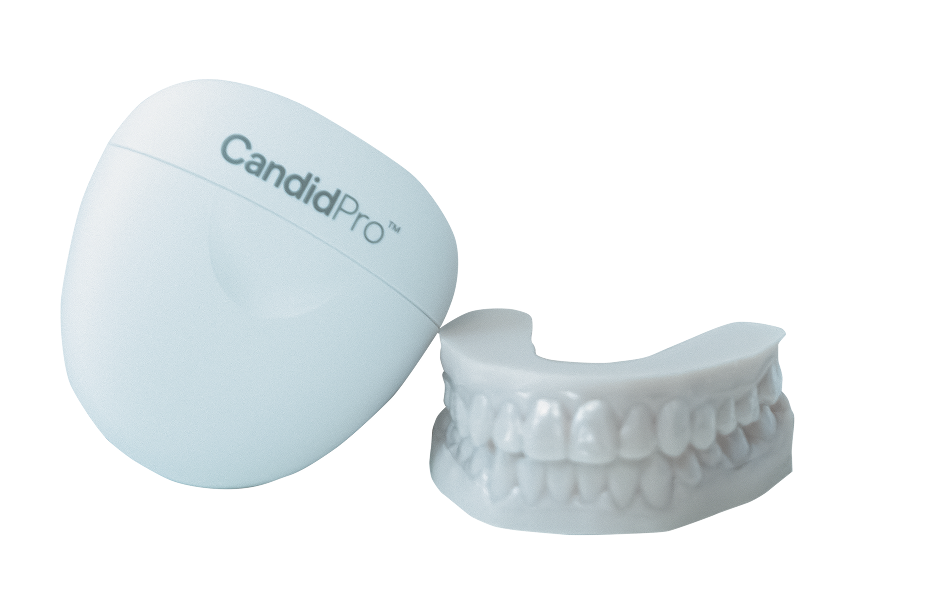
Between in-office sessions, using a dentist-provided take-home whitening kit is a smart way to extend results. At Castellanos Dental Aesthetics, patients receive custom trays and professional-grade gel for at-home maintenance. This combination of professional and at-home care delivers the brightest, longest-lasting results available.
Are Scrambled Eggs OK After Teeth Whitening?
Yes, scrambled eggs are perfectly fine to eat after teeth whitening. Eggs are light-colored, non-acidic, soft, and gentle on freshly treated enamel. They are one of the ideal white-diet foods to eat during the first 48 hours after your procedure.
Other safe options include plain chicken, white rice, white fish, plain pasta, bananas, peeled apples, cauliflower, mashed potatoes, and yogurt. For drinks, stick to water and milk. Light herbal teas like chamomile and white tea are also acceptable.
The key rule during the white diet is simple: if it would stain a white shirt, do not put it in your mouth. This means no coffee, tea, red wine, berries, dark sauces, chocolate, or colored sodas. Following this rule for a full 48 hours gives the enamel pores time to close and protects the fresh whitening results.
Many patients across Miami-Dade County find that meal prepping a few days' worth of white-diet foods before their appointment makes the recovery period stress-free. Knowing exactly what to eat removes the temptation to grab something that could undo hours of professional treatment.
Which Is Better, Teeth Whitening or Bleaching?
Teeth whitening and bleaching are closely related but not identical. Whitening refers to any process that makes teeth appear lighter, including cleaning and polishing. Bleaching specifically refers to treatments that use hydrogen peroxide or carbamide peroxide to chemically lighten teeth beyond their natural color. In-office bleaching delivers the most dramatic results.
The American Dental Association uses the term "bleaching" when a product contains peroxide and can change the intrinsic color of the tooth. Products that only remove surface stains, like whitening toothpastes, are classified as "whitening" products. Both have value, but they serve different purposes.
For patients with deep intrinsic stains from aging, medications, or genetics, bleaching is the more effective option because the peroxide molecules penetrate the enamel and break down stain compounds inside the tooth. For patients with only mild surface stains, a professional cleaning combined with a whitening toothpaste may be enough.
At Castellanos Dental Aesthetics, the team evaluates your stain type during the initial consultation and recommends the approach that will deliver the best results for your specific situation. For patients whose stains do not respond to bleaching, cosmetic alternatives like porcelain veneers or dental bonding can provide a permanent solution.
Is Teeth Whitening Bad for Receding Gums?
Teeth whitening can cause discomfort for patients with receding gums because the exposed root surfaces are more sensitive than enamel-covered teeth. However, it is not automatically off-limits. Your dentist can adjust the treatment by using lower concentrations, shorter application times, and protective barriers to shield the exposed areas.
When gums recede, the cementum and dentin on the root surface become exposed. These tissues are softer and more porous than enamel, which means they absorb the whitening gel more quickly and transmit sensation to the nerve faster. This is why patients with recession tend to experience more sensitivity during bleaching.
According to the American Dental Association, temporary tooth sensitivity and gum irritation are the most common side effects of vital tooth whitening, but both are typically transient and resolve shortly after completing the treatment. For patients with recession, pretreatment with a desensitizing agent and careful gel placement by an experienced dentist can make the procedure safe and comfortable.
Patients in West Hialeah who have gum recession should schedule a thorough dental exam before committing to whitening. The dentist can evaluate the extent of the recession, identify any underlying periodontal issues, and create a customized whitening plan that protects the sensitive areas while still delivering visible improvement.
In-Office Whitening vs. Take-Home Whitening Trays: How Do They Compare?
In-office whitening delivers faster, more dramatic results in a single visit. Take-home whitening trays provided by your dentist offer a more gradual approach that you can complete on your own schedule. The best strategy for most patients is to start with an in-office session and then use custom trays for maintenance.
Sources: American Dental Association, National Institutes of Health (PMC), American College of Prosthodontists
A systematic review published in the National Institutes of Health (PMC) noted no significant difference in shade improvement between in-office and dentist-supervised at-home treatments when measured over time. However, in-office whitening achieves that result in a single visit versus weeks of daily tray use. For patients in Hialeah who want fast results before a wedding, job interview, or special event, in-office whitening is the clear choice.
The U.S. cosmetic dentistry market reached $4.25 billion in 2024 according to Precedence Research, with in-office whitening and take-home kits together making up a significant share. The combination approach, starting in-office and maintaining at home, is what the American Academy of Cosmetic Dentistry recommends for the longest-lasting results.
Frequently Asked Questions
How Soon Before My Whitening Appointment Should I Get a Cleaning?
You should get a professional cleaning at least two weeks before your whitening appointment. This gives your gums time to heal from the cleaning while making sure the whitening gel has a clean, plaque-free surface to work on. A cleaning also removes tartar that your toothbrush cannot reach, which prevents uneven, blotchy whitening results. Patients in West Hialeah can schedule both appointments at Castellanos Dental Aesthetics for convenience.
Can I Drink Tea Through a Straw After Teeth Whitening?
Yes, drinking tea through a straw after teeth whitening reduces the amount of liquid that contacts your front teeth. However, during the first 48 hours, it is best to avoid tea entirely because even minimal contact can stain the open enamel pores. After the 48-hour window, using a straw for dark beverages is a smart long-term habit that helps maintain your whitening results for months.
What Teeth Cannot Be Whitened With In-Office Bleaching?
Teeth that cannot be whitened with in-office bleaching include dental restorations like crowns, veneers, bridges, and fillings. Whitening gel only works on natural tooth enamel. Teeth with severe intrinsic stains from tetracycline antibiotics or dental trauma may also respond poorly. In these cases, cosmetic alternatives like porcelain veneers or a smile design package can cover the discoloration and deliver a bright, uniform result.
Does Brushing 2 Times a Day Help Maintain Whitening Results?
Yes, brushing 2 times a day with fluoride toothpaste helps maintain whitening results by removing surface stains and plaque before they build up. The American Dental Association recommends brushing for 2 minutes each session using a soft-bristled brush. Adding daily flossing and a clear, alcohol-free mouthwash further extends the brightness between professional touch-ups.
How Do Dentists Whiten Teeth In-Office?
Dentists whiten teeth in-office by applying a high-concentration hydrogen peroxide gel directly to the tooth surfaces after protecting the gums with a barrier. The gel is left on for 15 to 20 minutes per round, with most sessions including three to four rounds. Some systems use an LED light to accelerate the chemical reaction. The entire process takes 60 to 90 minutes and can lighten teeth by 3 to 8 shades in a single visit.
Is In-Office Whitening Worth It Compared to Over-the-Counter Products?
Yes, in-office whitening is worth it for patients who want fast, predictable, and professionally supervised results. Over-the-counter products use much lower peroxide concentrations and typically lighten teeth by only 1 to 2 shades over several weeks. More than 90% of patients who receive professional whitening report being satisfied with their results. The higher upfront cost is offset by the dramatically better outcome and longer-lasting brightness.
Can I Get Whitening Done on the Same Day as My Cleaning in West Hialeah?
In some cases, whitening can be done on the same day as a cleaning, but most dentists recommend waiting at least two weeks. Cleaning can leave gums slightly sensitive, and whitening immediately afterward may increase discomfort. Spacing the two appointments apart gives your gums time to fully recover and gives the whitening gel the best possible surface to work on for maximum results.
Final Thoughts
Proper preparation is the difference between good whitening results and great ones. A professional cleaning, a sensitivity toothpaste regimen, and a stain-free diet in the days before your appointment set the stage for the most even, dramatic improvement possible. After the session, following the white diet for 48 hours and committing to strong daily oral hygiene habits protect that investment for months and even years.
The numbers tell the story. With 67% of American adults having tried whitening, a global market projected to exceed $9.6 billion by 2031, and over 90% patient satisfaction for professional treatments, in-office whitening is one of the most popular and rewarding cosmetic procedures available today.
If you are ready to experience the difference that expert preparation and professional-grade whitening can make, Castellanos Dental Aesthetics in West Hialeah, Florida is here to help. Dr. Madeleine Castellanos-Gonzalez and her bilingual team have over 25 years of experience delivering bright, natural-looking smiles to patients across South Florida. Call (305) 820-4080 or visit the contact page today to schedule your consultation and start your professional teeth whitening journey with confidence.
.png)
.png)

.png)


.png)

.png)
.png)
.png)

.png)
.png)
.svg)


