.png)
.svg)
.png)

Pre-Surgery Checklist for Dental Implants
.png)
.png)
A pre-surgery checklist for dental implants covers everything you need to do before the day of your procedure so you heal faster and get the best results. This includes getting a complete dental exam, sharing your medical history, adjusting certain medications, stopping tobacco use, arranging a ride home, and stocking your kitchen with soft foods. According to the American College of Prosthodontists, about 178 million Americans are missing at least one tooth, and dental implants are one of the most reliable ways to replace them. A study published in the National Library of Medicine found that implants have an overall success rate of about 97% when patients prepare properly. This article walks through every step of a complete pre-surgery checklist so you know exactly what to expect and how to get ready.
What Should You Do Before Dental Implant Surgery?
What you should do before dental implant surgery is complete a thorough dental evaluation, share your full medical history, stop smoking, adjust certain medications, and set up your home for a smooth recovery. A 2025 retrospective analysis published in the National Library of Medicine looked at over 158,000 implants and found a clinical success rate of 97.83%. That high success rate depends on how well patients prepare before the procedure, not just on what happens during surgery.
The weeks and days leading up to your appointment are just as important as the surgery itself. Every item on this checklist is here for a reason, and skipping even one step can slow down healing or increase the chances of a complication. Some patients need a tooth extraction before the implant can be placed, which adds another step to the preparation timeline. We see patients every day who followed their checklist carefully, and they almost always have smoother recoveries and better outcomes.
Do You Need a Dental Exam Before Getting Implants?
Yes, you need a dental exam before getting implants. A full dental exam is the first and most important step on your pre-surgery checklist. Your dentist will take X-rays, and in many cases 3D imaging scans (called CBCT scans), to check the density and shape of your jawbone. According to research reported in the International Journal of Oral and Maxillofacial Surgery, about 36% of implant procedures now use 3D imaging for better accuracy and planning.
During this exam, we look for signs of gum disease, tooth decay, or infection. Any of these problems need to be treated before the implant can be placed. If you have active gum disease, the bacteria can spread to the implant site and cause it to fail. Your dentist may also perform an oral cancer screening at this visit to check for any unusual tissue changes in your mouth.
We also check the health of the teeth next to the gap. If a nearby tooth has a crack or deep decay, a dental crown may be needed to protect it before we move forward with surgery.
Is Bone Grafting Needed Before Dental Implants?
Bone grafting is needed before dental implants if your jawbone is too thin or too soft to hold the implant post securely. When a tooth has been missing for a long time, the bone in that area starts to shrink. Research published in the National Library of Medicine found that implants placed in Type IV bone (the softest category) have a much higher failure rate without bone grafting first. However, a large-scale 2025 study of over 45,000 grafted implants found that bone grafting brought the success rate up to 97.83%, which is almost the same as implants placed in healthy bone.
Not everyone needs a bone graft. Your dentist will use your X-rays and CT scans to decide. If a graft is needed, it usually adds a few months to the overall timeline because the graft needs to heal and fuse with your natural bone before the implant can be placed.
What Medications Should You Tell Your Dentist About?
You should tell your dentist about all medications you take, including prescription drugs, over-the-counter medicines, vitamins, and supplements. Blood thinners like warfarin, aspirin, Eliquis, and Xarelto are the most important to discuss because they reduce the blood's ability to clot. Your dentist and your doctor will work together to decide if these medications need to be paused or adjusted before surgery. In most cases, blood thinners are stopped 2 to 7 days before the procedure, depending on the specific medication.
Bisphosphonates, which are commonly used to treat osteoporosis, also need special attention. These drugs can affect how bone heals around the implant. Anti-inflammatory drugs like ibuprofen and naproxen have a mild blood-thinning effect as well, so let your dentist know if you take them regularly. According to the American Academy of Periodontology, a complete and honest medication list is one of the most important things a patient can bring to their consultation.
Can You Take Antibiotics Before Dental Implant Surgery?
Yes, you can take antibiotics before dental implant surgery, and many dentists prescribe them as a preventive step. Patients with certain heart conditions or weakened immune systems are especially likely to get a prescription. Antibiotics help reduce the amount of bacteria in your mouth before surgery, which lowers the risk of infection at the implant site. If you also have cavities in nearby teeth, getting tooth-colored fillings before the implant procedure helps eliminate extra sources of bacteria. Your dentist will give you specific instructions on when to start taking the antibiotics, and it is important to finish the entire course even after the procedure is over.
How Does Smoking Affect Dental Implant Success?
Smoking affects dental implant success by reducing blood flow, lowering oxygen levels, and slowing down the healing process. A systematic review published in the Journal of Dentistry in 2024 analyzed over 59,000 implants and found that smokers had a 159% higher risk of early implant failure compared to non-smokers. A separate study published in the Journal of Periodontology found that 15.8% of implants failed in smokers compared to just 1.4% in non-smokers.
Nicotine shrinks blood vessels and cuts off the oxygen supply that your bone needs to fuse with the titanium implant post. This fusion, called osseointegration, is the foundation of a successful implant. According to a meta-analysis published in the National Library of Medicine, non-smokers have a 95% implant success rate, while smokers see rates drop to 85% to 90%. We strongly recommend that patients quit smoking at least two weeks before their procedure and stay smoke-free for at least eight weeks after.
Should You Stop Drinking Alcohol Before Implant Surgery?
Yes, you should stop drinking alcohol before implant surgery. Alcohol thins the blood, which can lead to more bleeding during and after the procedure. It also interferes with how your body processes anesthesia and pain medications. Most dentists recommend stopping alcohol at least 48 to 72 hours before your scheduled surgery. Continuing to drink in the days before your appointment can complicate sedation and slow your recovery.
What Should You Eat Before Dental Implant Surgery?
What you should eat before dental implant surgery depends on the type of anesthesia being used. If you are receiving IV sedation or general anesthesia, you will need to fast for 6 to 8 hours before your appointment. That means no food, water, coffee, gum, or mints after midnight the night before. If you are only getting local anesthesia, you can eat a light, balanced meal a few hours beforehand.
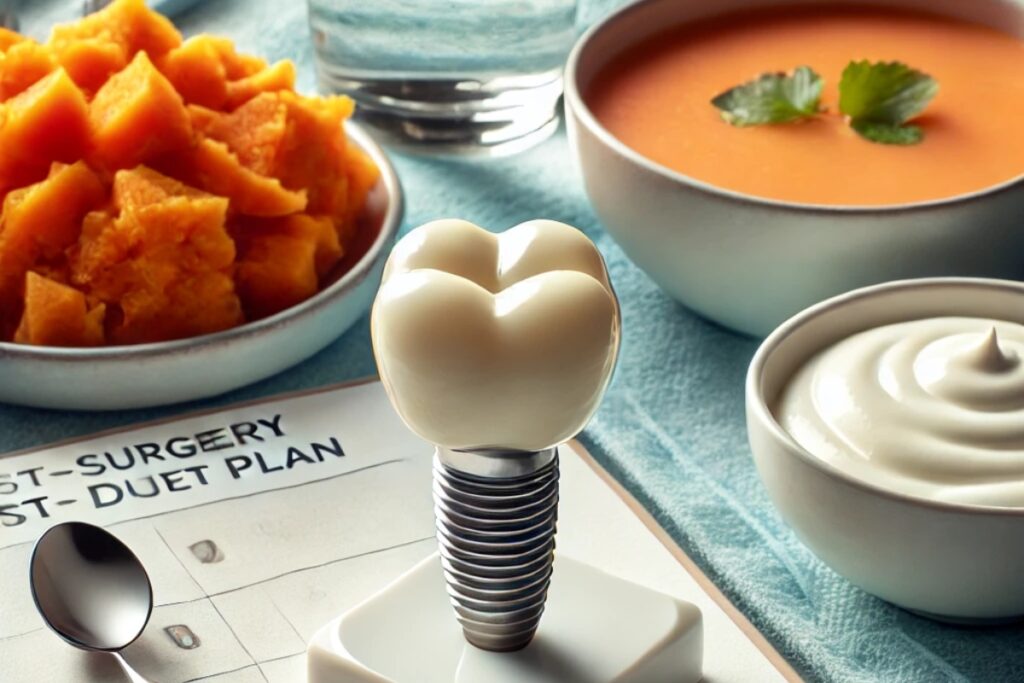
It is also smart to stock your kitchen with soft foods before surgery day so you do not have to worry about shopping during recovery. Good options include yogurt, mashed potatoes, scrambled eggs, applesauce, smooth soups, oatmeal, and smoothies. One important tip: do not use a straw during recovery because the suction can disturb the blood clot at the surgery site.
Do You Need Someone to Drive You Home After Implants?
Yes, you need someone to drive you home after implants if you receive any type of sedation or general anesthesia. The effects of sedation can last for several hours after the procedure, and it is not safe to drive yourself. We recommend having someone stay with you for at least a few hours after you get home in case you need help with anything. According to pre-operative guidelines recommended by the American Dental Association, arranging transportation is a required step for any patient undergoing sedation dentistry.
Even if you only receive local anesthesia, having a friend or family member available can be helpful. Surgery can be tiring, and you may feel groggy or lightheaded afterward. It is also a good idea to have someone pick up any prescribed medications from the pharmacy on the way home so you can start your recovery right away.
How Should You Prepare Your Home for Recovery?
You should prepare your home for recovery by setting up a comfortable resting area, stocking soft foods, filling any prescriptions in advance, and having ice packs ready in the freezer. Applying ice to your face in 20-minute intervals during the first 48 hours helps reduce swelling significantly. A teeth cleaning before the procedure also makes sure your mouth is as clean and bacteria-free as possible going into surgery.
Plan to take 1 to 3 days off from work, depending on how many implants you are getting. For a single implant, most patients feel well enough to return to their routine after 1 to 2 days. For full-arch cases, you may need up to a week. Make sure you have a soft-bristled toothbrush on hand so you can gently brush around the surgical area without irritating it. Having everything set up before surgery takes one less thing off your mind on the day of your appointment.
Can People With Diabetes Get Dental Implants?
Yes, people with diabetes can get dental implants as long as their blood sugar is well-controlled. According to a review published in the National Library of Medicine, the implant success rate for patients with well-controlled Type 2 diabetes is similar to that of non-diabetic patients. The key number to watch is your HbA1c level. An HbA1c of 7% or lower is generally considered safe for implant surgery. Research from the American Society of Implant and Reconstructive Dentistry confirms that patients with uncontrolled diabetes face higher rates of infection and implant failure because high blood sugar slows down healing and weakens the immune response.
If you have diabetes, work closely with your doctor and your dentist in the weeks before surgery. Get your blood sugar levels stable and make sure your HbA1c is in a safe range. Some diabetic patients also use full or partial dentures as a temporary solution while they get their health ready for implant surgery. Your dentist may also want to coordinate with your physician about adjusting insulin or medication around the time of the procedure.
What Should You Wear on the Day of Dental Implant Surgery?
You should wear loose, comfortable clothing with short sleeves on the day of dental implant surgery. Short sleeves make it easier for the team to check your blood pressure and place an IV line if sedation is being used. Avoid wearing contact lenses, jewelry, heavy makeup, or nail polish. Comfortable clothing helps you relax during the procedure and makes the experience less stressful.
We also recommend wearing flat, closed-toe shoes that are easy to walk in. You may feel a little unsteady after sedation, and comfortable shoes help you move safely from the treatment room to the car.
How Long Does It Take To Recover From Dental Implants?
Initial recovery from dental implants takes about 3 to 7 days for most patients, but the full healing process, called osseointegration, takes 3 to 6 months. Osseointegration is when the titanium implant post fuses with your jawbone to create a permanent anchor. According to the National Library of Medicine, osseointegration typically takes 3 to 4 months in the lower jaw and 4 to 6 months in the upper jaw because bone density is usually lower in the upper jaw.
Most patients report that pain is highest on the first day after surgery and drops significantly by the second or third day. A study published in the International Journal of Oral and Maxillofacial Implants found that the average pain score dropped from 24 out of 100 on day one to just 9 out of 100 by day six. If you have missing teeth that are also causing problems on the opposite side of your mouth, dental bridges can sometimes fill the gap while you wait for the implant to fully heal.
How Many Days Off Work Do You Need for Dental Implants?
You need 1 to 3 days off work for a single dental implant, and up to a week for multiple implants or full-arch cases. Most patients who have a desk job feel ready to go back within 1 to 2 days. If your job involves physical labor, heavy lifting, or bending, plan for a longer break because strenuous activity can increase bleeding and swelling at the surgery site.
Pre-Surgery Checklist for Dental Implants at a Glance
Checklist ItemWhen to Do ItWhy It MattersComplete dental exam and imaging2 to 4 weeks beforeChecks bone density and screens for gum disease or infectionShare full medical history and medication listAt consultationHelps dentist plan for blood thinners, diabetes, and other conditionsGet bone grafting (if needed)3 to 6 months beforeBuilds up jawbone; grafted implants show a 97.83% success rate (National Library of Medicine, 2025)Quit smokingAt least 2 weeks beforeSmokers have a 159% higher risk of early failure (Journal of Dentistry, 2024)Stop alcohol consumption48 to 72 hours beforeAlcohol thins blood and interferes with anesthesiaFill prescriptions (antibiotics, pain meds, mouth rinse)1 to 2 days beforePrevents infection and manages post-surgery discomfortArrange transportation homeBefore surgery daySedation effects make driving unsafe for several hoursStock soft foods and ice packs1 to 2 days beforeSupports comfortable recovery; ice reduces swelling in first 48 hoursFast if sedation is planned6 to 8 hours beforeEmpty stomach prevents nausea during sedation or general anesthesiaWear comfortable clothing with short sleevesDay of surgeryAllows blood pressure checks and IV access
Sources: National Library of Medicine (2025), Journal of Dentistry (2024), American Dental Association, Journal of Periodontology
How Can You Manage Anxiety Before Dental Implant Surgery?
You can manage anxiety before dental implant surgery by learning about the procedure, talking openly with your dentist, and exploring sedation options. According to a study published in the International Journal of Implant Dentistry, about 67% of implant patients experience moderate to high anxiety before their surgery. The good news is that patients who are well-informed tend to feel much less anxious. Asking questions during your consultation is one of the best ways to calm your nerves.
We offer sedation options for patients who need extra help relaxing during the procedure. Many patients who were nervous before implant surgery tell us afterward that the experience was much easier than they expected. A study published in the International Journal of Oral and Maxillofacial Implants found that most patients rated their pain as mild to moderate, and the discomfort dropped quickly within the first few days. Knowing what to expect makes a big difference. If you have anxiety about dental visits in general, our team in Hialeah, Florida is used to working with nervous patients and making them feel comfortable.
What Happens If You Do Not Prepare for Dental Implant Surgery?
If you do not prepare for dental implant surgery, the risk of complications goes up. Skipping your medication review, for example, could mean unexpected bleeding during the procedure. Continuing to smoke can interfere with osseointegration and lead to implant failure. A 2024 systematic review in the Journal of Dentistry found that 70% of implant failures happen within the first year, and most of those are connected to factors that could have been addressed before surgery.
Not fasting before sedation can cause nausea or vomiting during the procedure, which creates a safety risk. Not arranging transportation means you may be tempted to drive home while still under the effects of sedation, which is dangerous. Patients with uncontrolled diabetes who skip their blood sugar management face higher infection rates and slower healing. Every item on the checklist exists because it has a direct impact on your safety and your results.
What Should You Ask Your Dentist Before Dental Implant Surgery?
You should ask your dentist about the type of implant being used, the type of anesthesia or sedation planned, how long the procedure will take, what medications to stop or start, and what the full recovery timeline looks like. The more you know, the better prepared you will be. According to the University of Connecticut School of Dental Medicine, practices that use a formal surgical checklist see better compliance and fewer errors during implant procedures.
Other good questions to ask: Do I need a bone graft? How many appointments will this take from start to finish? What should I do if something feels wrong during recovery? What are the signs of an infection? Having these answers ahead of time helps you feel in control and makes the entire process less stressful. If you are also dealing with a damaged or cracked tooth nearby, ask whether a root canal or extraction is the better option before the implant goes in.
Frequently Asked Questions
How Long Do Dental Implants Last?
Dental implants last 20 years or more with proper care, and the titanium post itself can last a lifetime. A systematic review published in the Journal of Dentistry found a 10-year implant survival rate of about 96%. The crown or prosthetic tooth on top usually needs to be replaced every 10 to 15 years due to normal wear. Implant longevity depends heavily on how well you follow your pre-surgery and post-surgery care instructions.
Are Dental Implants Painful?
Dental implants are not painful during the procedure because your dentist uses local anesthesia to numb the area completely. After surgery, most patients report mild to moderate discomfort that improves quickly within 2 to 3 days. Over-the-counter pain relievers and prescribed medications manage post-surgery soreness effectively.
Can You Brush Your Teeth Before Dental Implant Surgery?
Yes, you can and should brush your teeth before dental implant surgery. Brushing and flossing help reduce bacteria in your mouth, which lowers the risk of infection at the surgical site. If you are fasting for sedation, brush gently and avoid swallowing any water or toothpaste.
How Soon Can You Eat After Dental Implant Surgery?
You can eat soft foods a few hours after dental implant surgery once the numbness from the anesthesia wears off. Stick to foods like yogurt, applesauce, mashed potatoes, and smoothies for the first several days. Avoid hard, crunchy, or chewy foods for at least one to two weeks to protect the implant site.
Do Dental Implants Need Special Care After Placement?
Yes, dental implants need special care after placement. Gently rinse with warm salt water 24 hours after surgery and use the chlorhexidine mouth rinse your dentist prescribes. Brush carefully around the surgical area with a soft-bristled toothbrush and attend all follow-up appointments so your dentist can check that the implant is healing correctly.
What Is the Success Rate of Dental Implants?
The success rate of dental implants ranges from 95% to 98% for most patients. According to the National Library of Medicine, implants have an overall success rate of 98.6% at five years post-loading. For patients who are good candidates and follow their pre-surgery checklist carefully, the odds of a successful outcome are very high.
Can You Get Dental Implants if You Have Gum Disease?
You can get dental implants if you have gum disease, but the gum disease needs to be treated first. Active gum disease causes bone loss and infection, both of which increase the risk of implant failure. Your dentist will treat the gum disease with deep cleaning or other therapies, and once your gums are healthy, implant surgery can move forward.
Putting It All Together
Preparing for dental implant surgery is not complicated, but it does require attention to detail. Every step on this checklist, from your initial dental exam and medication review to quitting smoking and stocking soft foods, plays a direct role in how well your implant heals and how long it lasts. With a success rate above 95% according to multiple studies published in the National Library of Medicine, implants are one of the most reliable tooth replacement options available today. The patients who get the best results are the ones who take their preparation seriously.
If you are thinking about dental implants and want help getting started with your pre-surgery plan, Castellanos Dental is here to walk you through every step. Give us a call at 305-820-4080 to schedule a consultation and find out if implants are the right fit for you.
.png)
.png)

.png)


.png)

.png)
.png)

.png)
.png)
.svg)


