.png)
.svg)
.png)

Maintaining Oral Hygiene During Invisalign Treatment
.png)
.png)
Maintaining oral hygiene during Invisalign treatment means brushing your teeth after every meal, flossing at least once a day, cleaning your aligners twice a day, and only drinking water while your trays are in. These habits prevent cavities, gum disease, bad breath, and aligner staining. A study by Buschang et al. found that white spot lesions developed in only 1.2% of clear aligner patients compared to 26% of patients with traditional braces, but that low number depends entirely on patients keeping their teeth and trays clean.
In this article, we cover everything you need to know about keeping your mouth healthy during Invisalign: how to brush and floss around aligners, how to clean the trays themselves, what mistakes to avoid, why oral hygiene matters even more during orthodontic treatment, and how to build a simple daily routine that protects your teeth from start to finish.
Why Oral Hygiene Matters More During Invisalign Treatment
Oral hygiene matters more during Invisalign treatment because the aligners create a sealed environment around your teeth. Normally, saliva flows freely over your enamel, washing away food particles and neutralizing the acids that bacteria produce. When a tight-fitting aligner covers your teeth for 20 to 22 hours a day, saliva cannot reach the enamel as effectively. Any food debris or plaque left on your teeth before you put the trays back in gets trapped against the enamel with no way for your mouth's natural cleaning system to help.
According to the American Dental Association (ADA), tooth decay starts when bacteria in the mouth feed on sugar and produce acids that dissolve enamel. Under normal conditions, saliva helps repair early damage through a process called remineralization. But when an aligner blocks saliva from reaching the tooth surface, the balance tips in favor of the bacteria. This is why brushing before reinserting your trays is so important.
A systematic review published in MDPI confirmed that clear aligners are associated with less plaque buildup and less gum inflammation than traditional braces, but only when patients follow proper hygiene habits. The advantage of clear aligners is that they come out for eating and cleaning, giving you full access to your teeth. The disadvantage is that the responsibility for keeping everything clean falls entirely on you.
How to Brush Your Teeth During Invisalign
Should You Brush After Every Meal With Invisalign?
Yes, you should brush after every meal with Invisalign. Every time you eat, food particles and bacteria collect on your teeth. If you put your aligners back in without brushing first, all of that debris gets sealed against your enamel for hours. This dramatically increases your risk of cavities and gum irritation.
Use a soft-bristled toothbrush and fluoride toothpaste. Brush for at least two minutes, paying special attention to the gum line and the spaces between teeth where plaque tends to accumulate. The Centers for Disease Control and Prevention (CDC) reports that 26% of adults in the United States have untreated tooth decay, and skipping brushing during orthodontic treatment makes this risk even higher.
If you are away from home and cannot brush, the next best option is to rinse your mouth thoroughly with water before reinserting your trays. Swishing water around for 30 seconds dislodges loose food particles and dilutes the acids in your mouth. But this is a backup plan, not a replacement for brushing. Carry a small travel kit with a toothbrush, toothpaste, and floss so you are always prepared. Regular teeth cleanings during treatment remove plaque buildup that even good home care can miss.
What Type of Toothbrush Should You Use With Invisalign?
You should use a soft-bristled toothbrush with Invisalign. Soft bristles are gentle on your gums and enamel, which is especially important during orthodontic treatment when the tissues around your teeth are actively remodeling. Hard or medium bristles can cause gum recession and enamel wear, particularly on teeth that are under orthodontic pressure.
An electric toothbrush is an excellent option because it provides consistent brushing motion and often includes a two-minute timer. A study published in the Cochrane Database of Systematic Reviews found that electric toothbrushes reduce plaque by 21% and gingivitis by 11% more than manual toothbrushes over a three-month period. During Invisalign treatment, when clean teeth are critical, that extra plaque removal makes a real difference.
How to Floss During Invisalign Treatment
Is Flossing More Important During Invisalign?
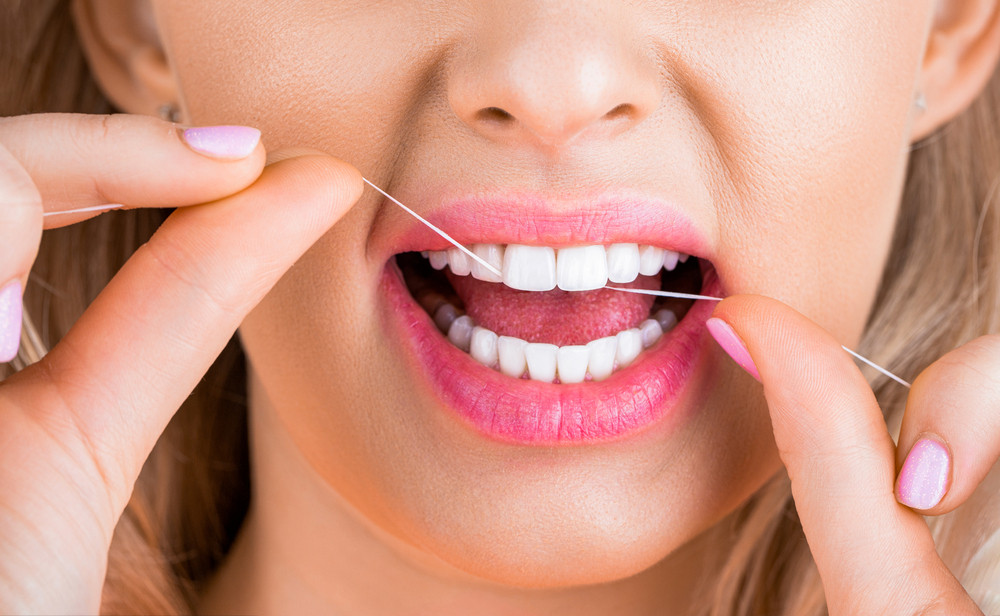
Yes, flossing is more important during Invisalign because the aligners trap everything that is on your teeth. If food particles are stuck between your teeth when you put the trays back in, they stay there for hours. Brushing alone cannot reach the tight spaces between teeth, which is exactly where cavities between teeth (interproximal caries) start.
The ADA recommends flossing at least once a day. During Invisalign treatment, flossing after every meal is ideal, but at minimum, floss once before bed. Use regular dental floss, floss picks, or a water flosser. Water flossers are especially popular with Invisalign patients because they are fast, easy to use, and effective at flushing out debris from between teeth and along the gum line.
A study published in the Journal of Clinical Dentistry found that water flossers reduce bleeding on probing by up to 93% compared to traditional string floss. For patients who find traditional flossing tedious, a water flosser can make the daily routine much simpler. Keeping up with proper flossing protects your gums and supports the overall health of your preventive care routine during treatment.
How to Clean Your Invisalign Aligners
What Is the Best Way to Clean Invisalign Trays?
The best way to clean Invisalign trays is to gently brush them with a soft-bristled toothbrush and clear, unscented liquid soap every time you take them out. Rinse them with lukewarm water before putting them back in. Do not use toothpaste on your aligners, because toothpaste is abrasive and creates tiny scratches on the plastic surface. Those scratches make the trays look cloudy and give bacteria a place to hide.
For a deeper clean, soak your aligners once a day in Invisalign cleaning crystals, a retainer cleaning tablet, or a mixture of equal parts lukewarm water and white vinegar for 15 to 20 minutes. Rinse them thoroughly before reinserting. Never use hot water, because Invisalign aligners are made from a thermoplastic material called SmartTrack that softens and warps when exposed to heat. A 2025 study published in The Saudi Dental Journal found that exposure to beverages at 57 degrees Celsius significantly decreased the hardness of Invisalign aligners.
How Often Should You Clean Invisalign Aligners?
You should clean your Invisalign aligners at least twice a day, once in the morning and once before bed. These are the times when you are already brushing your teeth, so adding the aligner cleaning step fits naturally into your routine. Rinsing the trays with lukewarm water every time you remove them throughout the day prevents saliva and bacteria from drying on the surface.
If you skip cleaning, the trays develop a milky buildup, start to smell, and can harbor bacteria that increase your risk of gum disease. Patients who clean their aligners consistently report that the trays stay clear and virtually invisible throughout the one-to-two-week wear period. Patients who neglect cleaning often notice their trays turning yellow or cloudy within a few days.
Common Oral Hygiene Mistakes During Invisalign
Putting Aligners Back In Without Brushing First
This is the number one mistake Invisalign patients make. When you eat and then put your trays back in without brushing, every piece of food debris and every drop of sugary residue gets sealed against your teeth. The aligner acts like a barrier that keeps saliva out and keeps bacteria in. According to the NIDCR, the bacteria Streptococcus mutans is the primary cause of tooth decay, and it thrives in exactly this kind of environment.
Even a quick brush and rinse dramatically reduces the amount of bacteria trapped under the tray. If brushing is not possible, swishing with water is better than nothing. But make it a priority to brush as soon as you can.
Drinking Anything Other Than Water With Aligners In
Water is the only drink that is safe to consume while wearing your aligners. Coffee, tea, soda, juice, wine, and even sparkling water should all be consumed with the trays removed. Sugary and acidic drinks trapped under the aligner create the perfect conditions for enamel erosion and cavities. Dark-colored drinks stain the plastic and make the trays visible. Hot drinks can warp the thermoplastic material and ruin the fit. We cover all the details about what to avoid in our separate post about Invisalign treatment and what to expect at each stage.
Using Toothpaste or Hot Water to Clean Aligners
Toothpaste contains mild abrasives that are great for cleaning enamel but scratch the smooth surface of aligner plastic. Scratched trays look cloudy, collect bacteria in the grooves, and lose their invisible appearance. Hot water softens the SmartTrack material and can warp the shape of the tray, which means it will no longer fit your teeth correctly. Always use lukewarm or cool water and a clear, gentle soap when cleaning your trays.
Skipping Dental Checkups During Treatment
Some patients assume that because they are seeing their dentist for Invisalign checkups, they do not need separate cleaning appointments. This is not true. Invisalign checkups focus on tracking tooth movement and adjusting the treatment plan. A professional teeth cleaning removes hardened plaque (tarite) that home brushing and flossing cannot touch, and it gives your hygienist a chance to check for early signs of cavities, gum disease, or enamel damage.
Oral Hygiene With Invisalign vs. Braces: A Comparison
Hygiene FactorInvisalignTraditional BracesBrushing DifficultyNormal; remove aligners and brush as usualHarder; must brush around brackets and wiresFlossing DifficultyNormal; remove aligners and floss as usualHarder; requires floss threaders or special toolsGingival Index Score0.72 (less gum inflammation)1.39 (more gum inflammation)White Spot Lesion Risk1.2% of patients26% of patientsPlaque AccumulationLower; removable trays allow full cleaning accessHigher; brackets create hard-to-reach areasGingivitis Risk (Teens)20-25% prevalence during treatment35-50% prevalence during treatmentAligner/Appliance CleaningBrush with soap, soak in cleaning crystalsFixed; cleaned in place with special brushesFood RestrictionsNone; remove trays to eat anythingAvoid hard, sticky, crunchy foods
Sources: Buschang et al. white spot lesion study, PMC Innovative Research Journal of Dentistry (gingival index), PMC gingivitis incidence study (2025), MDPI systematic review, Align Technology guidelines.
How to Build a Simple Daily Oral Hygiene Routine for Invisalign
Morning Routine
Remove your aligners. Rinse them with lukewarm water. Brush your teeth with a soft-bristled toothbrush and fluoride toothpaste for two minutes. Floss. Clean your aligners with a soft toothbrush and clear soap. Soak the trays in cleaning crystals or a retainer tablet while you get ready for the day. Rinse the trays and reinsert them. The whole process takes about 5 to 7 minutes.
Mealtime Routine
Remove your aligners and store them in their case. Eat your meal within about 30 minutes. After eating, brush your teeth and floss. If you cannot brush right away, rinse your mouth thoroughly with water. Rinse your aligners with lukewarm water before reinserting. Following this pattern for every meal and snack keeps your teeth clean and your wear time on track. Patients in Hialeah, Florida and surrounding communities who follow this routine consistently tend to finish treatment with healthier teeth than when they started.
Bedtime Routine
Remove your aligners. Brush your teeth thoroughly. Floss. Use an alcohol-free mouthwash to reduce bacteria and freshen your breath. Clean your aligners with soap and a soft brush, then soak them for 15 to 20 minutes in cleaning solution. Rinse the trays and reinsert them for the night. This deeper nightly clean prevents bacterial buildup that can happen while you sleep.
How Invisalign Affects Gum Health
Invisalign can actually support better gum health compared to braces, but only if you keep up with your hygiene. A study published in PMC found that patients with clear aligners had significantly lower bleeding on probing (22.6%) compared to patients with fixed braces (53.2%). The difference was statistically significant and shows that the removability of aligners gives patients a major advantage in keeping their gums healthy.
However, aligners are not risk-free. The trays cover a portion of the gum margin, and if bacteria build up along that edge, it can lead to gingivitis. A study published in PMC on gingivitis during clear aligner treatment found that adolescents were more likely to develop gum inflammation than adults, likely because teens tend to have less consistent oral hygiene habits. Adults showed no significant increase in gum problems during treatment when they followed a regular cleaning routine.
The takeaway is simple: if you brush, floss, and clean your trays consistently, your gums will likely be healthier during Invisalign than they would be with braces. If you skip these steps, you risk gum inflammation that can slow down your treatment and create long-term problems. A comprehensive dental exam before starting treatment gives your dentist a clear picture of your gum health so any existing issues can be addressed first.
What to Do if You Cannot Brush After Eating
If you are stuck somewhere without a toothbrush, do the following: rinse your mouth with water for 30 seconds, swishing it vigorously between your teeth. This flushes out most loose food particles and dilutes acids. Rinse your aligners under water before putting them back in. As soon as you have access to a toothbrush, brush and floss properly, then clean and reinsert your trays.
This should be a rare backup plan, not a daily habit. Carrying a travel dental kit makes it easy to brush anywhere. A small pouch with a toothbrush, travel-sized toothpaste, floss, and your aligner case fits in a purse, backpack, or desk drawer. Having the tools with you removes the biggest barrier to staying on track with your hygiene during treatment. We see patients in West Hialeah every day who say the travel kit was the single best habit they picked up during Invisalign.
How Professional Cleanings Support Invisalign Treatment
Professional dental cleanings during Invisalign treatment are essential because your hygienist can remove tartar (hardened plaque) that home brushing and flossing cannot. Tartar builds up along the gum line and between teeth, and once it hardens, only professional instruments can remove it. Left unchecked, tartar leads to gingivitis and eventually periodontitis, which can compromise your orthodontic results.
Your dentist can also check for early cavities, enamel erosion, and signs of gum disease that you might not notice on your own. According to the ADA, adults should visit the dentist at least twice a year for checkups and cleanings. During clear aligner treatment, some dentists recommend cleanings every three to four months instead of every six months, depending on your individual needs.
Adult orthodontics patients who maintain regular professional cleanings throughout treatment tend to have the best outcomes because their teeth and gums are in the healthiest possible condition as they move into new positions.
Can Invisalign Cause Cavities if You Don't Maintain Hygiene?
Yes, Invisalign can contribute to cavities if you do not maintain proper hygiene. The aligners themselves do not cause cavities, but they create conditions where cavities are more likely to form when oral care is neglected. Food debris and sugary drink residue trapped under the tray sit directly against the enamel with limited saliva access. Bacteria feed on that residue and produce acids that dissolve the enamel.
A study published in PMC confirmed that the incidence of white spot lesions (the early stage of enamel breakdown) is dramatically lower in aligner patients than in braces patients, but only when good hygiene is maintained. The 1.2% white spot lesion rate for aligner patients climbs when patients skip brushing, eat with trays in, or drink sugary beverages without removing their aligners first.
If a cavity does develop during treatment, it needs to be addressed promptly. A tooth-colored filling can repair the damage without disrupting your aligner schedule. But prevention is always better than treatment. Consistent brushing, flossing, and tray cleaning keep cavities from forming in the first place.
Frequently Asked Questions
Can You Use Mouthwash With Invisalign?
Yes, you can use mouthwash with Invisalign. Choose an alcohol-free, clear mouthwash to avoid staining your trays and irritating your gums. Use it after brushing and flossing, before reinserting your aligners. Mouthwash helps reduce bacteria and freshen breath, but it is not a substitute for brushing and flossing.
Can You Whiten Your Teeth During Invisalign?
Some patients use whitening products during Invisalign, but you should check with your dentist first. Whitening gels placed inside the aligner trays can irritate the gums because the trays extend over the gum margin. If your dentist approves, use the product for a shorter time than recommended at first and monitor how your gums respond. Many patients prefer to wait until after treatment for professional whitening to get the best results on their newly straightened teeth.
Does Invisalign Cause Bad Breath?
Invisalign can cause bad breath if the aligners are not cleaned regularly or if food debris is trapped under the trays. Bacteria produce sulfur compounds that create odor. Brushing after every meal, cleaning your trays twice a day, and staying hydrated with water prevents this problem. If bad breath persists despite good hygiene, talk to your dentist about whether there is an underlying issue like gum disease or dry mouth.
How Do You Know if Your Invisalign Is Clean Enough?
Your Invisalign is clean enough when the trays are completely clear (not cloudy or yellow), have no visible buildup, and do not have an odor when you hold them close to your nose. If the trays look foggy or smell, they need a deeper clean. Soaking in Invisalign cleaning crystals or a retainer cleaning tablet for 15 to 20 minutes should restore them.
Should You Brush Your Teeth Before Bed if You Wear Invisalign?
Yes, you should always brush your teeth before bed if you wear Invisalign. Your mouth produces less saliva during sleep, which means bacteria have even more freedom to produce acids overnight. Brushing and flossing thoroughly before reinserting your trays at night is one of the most important habits for protecting your teeth during treatment.
Does D8090 Cover Invisalign?
D8090 is a dental insurance code for comprehensive orthodontic treatment of the adult dentition. Whether it covers Invisalign depends on your specific insurance plan. Many dental insurance plans treat Invisalign the same as braces under their orthodontic benefit, but coverage limits and copay amounts vary widely. Contact your insurance provider or ask your dentist's office to verify your benefits before starting treatment. You can also explore insurance and financing options to make treatment more affordable.
Wrapping It Up
Maintaining oral hygiene during Invisalign treatment is straightforward once you build it into your daily routine. Brush after every meal. Floss at least once a day. Clean your aligners twice a day with soap and a soft brush. Only drink water with your trays in. Keep up with professional cleanings. These habits protect your teeth, keep your aligners invisible, and help you finish treatment with a smile that is both straighter and healthier than when you started.
Studies consistently show that clear aligner patients have better gum health and fewer white spot lesions than braces patients, but that advantage only holds when patients take their hygiene seriously. The effort is small, the routine becomes second nature fast, and the payoff is a smile you can be proud of for the rest of your life.
Patients who complete treatment with excellent oral health sometimes pair their results with cosmetic dentistry treatments for a complete smile transformation.
If you are ready to start Invisalign or have questions about caring for your teeth during treatment, we are here at Castellanos Dental.
Call us at 305-820-4080 to schedule your consultation.
.png)
.png)

.png)


.png)

.png)
.png)
.png)
.png)

.png)
.png)
.svg)


