.png)
.svg)
.png)

Implant-Friendly Diet Guide
.png)
.png)
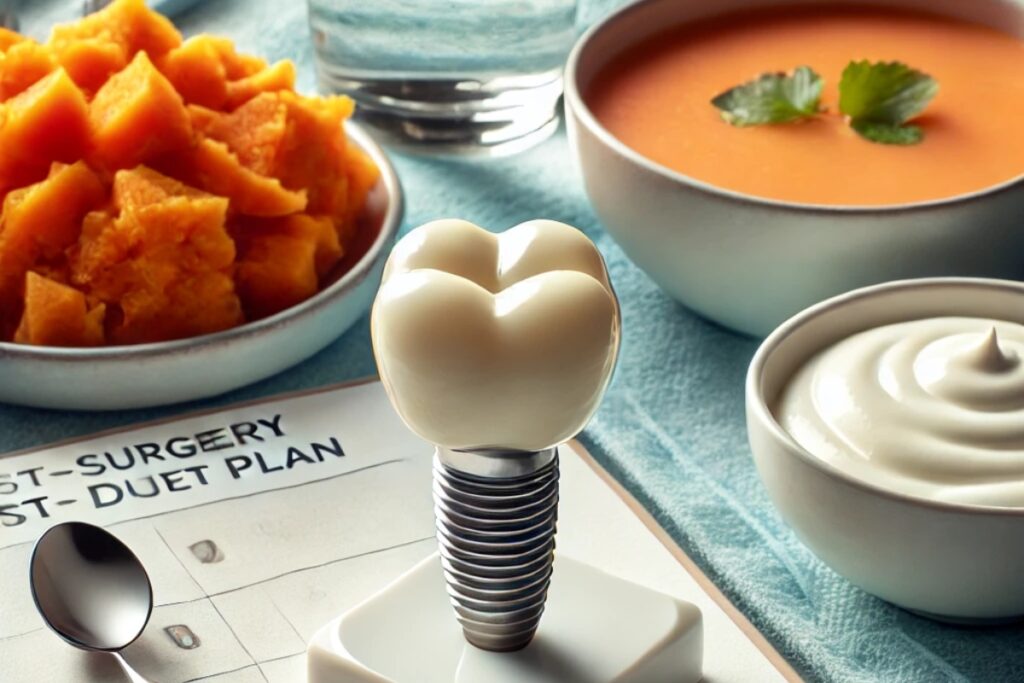
An implant-friendly diet is built around soft, nutrient-dense foods that protect the surgical site and give your body the vitamins, minerals, and protein it needs to heal properly after dental implant surgery. The right diet supports osseointegration, the process where the titanium implant post fuses with your jawbone, which is the foundation of a successful implant. According to the American College of Prosthodontists, about 178 million Americans are missing at least one tooth, and implants are one of the most reliable ways to replace them. A systematic review published in the journal Nutrients in 2024 found that key micronutrients like vitamin D, calcium, magnesium, vitamin C, and zinc all play a direct role in how well the bone bonds with the implant. This guide covers exactly what to eat at each stage of recovery, which nutrients matter most, and how to build meals that taste good while keeping your implant safe.
What Is the Best Diet After Dental Implant Surgery?
The best diet after dental implant surgery is one that is soft in texture, high in protein, rich in vitamins and minerals, and free of anything hard, crunchy, sticky, spicy, or acidic. During the first 48 hours, stick to cool liquids and very soft foods like smoothies, broth, applesauce, and mashed avocado. After the first few days, you can begin adding soft solids like scrambled eggs, yogurt, mashed potatoes, and well-cooked vegetables. A 2025 study published in BMC Oral Health found that patients who consumed higher protein levels after oral surgery experienced improved wound healing, less pain, and faster functional recovery.
We see the best results in patients who plan their meals before their surgery date. Stock your kitchen with everything you need so you are not scrambling to find something to eat while your mouth is sore. The food choices you make in the first few weeks have a direct impact on how fast you heal and how strong the bond between the implant and your jawbone becomes.
What to Eat the First Day After a Dental Implant
The first day after a dental implant, eat only cool or room-temperature liquids and foods that require zero chewing. About an hour after surgery, once you remove the gauze, you can start with cool broth, smooth blended soups, applesauce, mashed banana, or a protein smoothie made without seeds or chunks. Avoid anything hot because heat increases blood flow to the surgical area and can cause more swelling and bleeding.
Getting protein into your body on day one is important, even though your appetite may be low. A protein shake blended with banana and a scoop of protein powder gives you the building blocks your gums and bone need to start repairing. Greek yogurt delivers 15 to 20 grams of protein per six-ounce serving and is one of the easiest options to eat right after surgery. If you had a tooth extraction at the same time as your implant placement, the soft-food phase may need to last a bit longer.
What to Eat the First Week After Dental Implants
The first week after dental implants, eat pureed foods, soft solids, and nutrient-packed liquids. Good options include scrambled eggs, mashed potatoes, cottage cheese, hummus, oatmeal (lukewarm, not hot), soft-cooked vegetables, avocado, smooth soups, and protein shakes. A randomized clinical trial published in the International Journal of Dentistry found that 600 mg of vitamin C per day promoted wound healing and reduced postoperative pain after oral surgery, so eating vitamin C-rich foods like steamed broccoli, mashed sweet potato, and blended berries can speed up your recovery.
During this first week, eat small meals throughout the day instead of three large ones. Chew on the opposite side of your mouth from the implant. Avoid using a straw because the suction can dislodge the blood clot that protects the healing site. A regular dental exam before and after surgery helps your dentist monitor how well the area is healing.
What Nutrients Help Dental Implants Heal Faster?
The nutrients that help dental implants heal faster are protein, vitamin C, vitamin D, calcium, magnesium, and zinc. Each of these plays a specific role in bone formation, tissue repair, and immune function. A scoping review published in the National Library of Medicine found 19 studies showing that vitamin D, magnesium, vitamin C, calcium, and zinc all have a relationship with bone and tooth health and may influence how well an implant integrates with the jawbone.
Eating a balanced, nutrient-dense diet is not just good advice. It is a critical part of your treatment plan. Patients who focus on nutrition during recovery consistently heal faster, report less discomfort, and have better long-term implant success rates. Below is a breakdown of the most important nutrients and where to find them.
Why Is Protein Important for Implant Recovery?
Protein is important for implant recovery because it provides the amino acids your body needs to rebuild gum tissue, form new blood vessels, and fight off infection at the surgical site. A 2025 study published in BMC Oral Health found that higher protein intake was directly associated with improved wound healing and reduced pain severity after oral surgery. During recovery, aim for 1.2 to 1.6 grams of protein per kilogram of body weight each day. That is more than the usual recommendation, but your body needs the extra fuel to repair itself.
Good soft protein sources include scrambled eggs, Greek yogurt, cottage cheese, mashed beans, lentil soup, flaky fish like salmon or cod, protein shakes, and tofu. As you move into week two and beyond, you can slowly add softer meats like shredded chicken and ground beef back into your meals.
How Does Vitamin D Affect Dental Implant Success?
Vitamin D affects dental implant success by helping your body absorb calcium and by directly supporting the bone remodeling process around the implant. A systematic review published in the journal Nutrients in 2024 examined 1,462 participants and 4,450 dental implants and found that optimal vitamin D levels can accelerate bone healing and improve the quality of new bone formation around the implant. Vitamin D deficiency, on the other hand, has been linked to a clear increase in early implant failure.
The National Institutes of Health recommends 600 to 800 IU of vitamin D daily for most adults. For patients undergoing implant surgery, some dental professionals suggest 1,000 to 2,000 IU per day, especially if testing shows a deficiency. Good food sources include salmon, sardines, egg yolks, fortified milk, fortified orange juice, and mushrooms exposed to sunlight. Spending time outdoors in natural sunlight also helps your body produce vitamin D on its own. A teeth cleaning before your procedure helps keep your mouth healthy so the implant has the best environment to heal in.
Does Vitamin C Speed Up Implant Healing?
Yes, vitamin C speeds up implant healing by supporting collagen production, which is the structural protein your gums need to close the wound and repair tissue. A randomized controlled trial published in the Journal of Clinical Implant Dentistry and Related Research found that vitamin C supplementation improved soft tissue healing after dental implant surgery in patients with gum disease and those treated with bone grafts. A separate randomized clinical trial published in the International Journal of Dentistry showed that 600 mg of oral vitamin C per day reduced wound size and postoperative pain after oral surgery.
Vitamin C also plays a role in immune function, helping your body fight off bacteria at the surgical site. Good soft-food sources include steamed broccoli, mashed sweet potatoes, blended strawberries, kiwi, bell peppers (roasted and soft), and spinach blended into soups. A study published in the International Journal of Surgery reported that patients with optimal vitamin C levels healed up to 20% faster than those with lower levels.
Why Do You Need Calcium After Implant Surgery?
You need calcium after implant surgery because calcium is the primary mineral that makes up your bones and teeth, and it is essential for the new bone growth that anchors the implant in your jaw. According to the National Institutes of Health, adults need at least 1,000 mg of calcium per day. Without enough calcium, the bone around the implant cannot mineralize properly, which weakens the foundation.
Soft, calcium-rich foods include yogurt, cottage cheese, fortified plant milks, mashed white beans, steamed leafy greens like kale and spinach, and canned salmon with soft bones. Calcium works best when paired with vitamin D, since vitamin D helps your intestines absorb calcium more efficiently. Eating them together gives your healing jawbone the strongest support possible.
Stage-by-Stage Implant-Friendly Diet Plan
An implant-friendly diet changes as your mouth heals. What you eat on day one is very different from what you eat at week six. Following a staged approach protects the surgical site early on and gradually brings back the foods you love as the bone grows stronger around the implant. According to the National Library of Medicine, osseointegration takes 3 to 4 months in the lower jaw and 4 to 6 months in the upper jaw because bone density is typically lower in the upper jaw.
Recovery StageBest FoodsKey NutrientsDay 1 to 3 (Cool Liquids and Purees)Smoothies, cool broth, applesauce, mashed banana, protein shakes, mashed avocadoProtein, vitamin C, potassium, healthy fatsDay 4 to 14 (Soft Solids)Scrambled eggs, yogurt, mashed potatoes, oatmeal, cottage cheese, hummus, soft-cooked vegetables, flaky fishProtein, calcium, vitamin D, vitamin C, zincWeek 3 to 6 (Semi-Solid Foods)Shredded chicken, ground beef, baked fish, soft pasta, steamed vegetables, soft rice, beansProtein, iron, B vitamins, magnesium, calciumMonth 2 to 6 (Gradual Return to Normal)Most foods as tolerated; add back harder items slowly with dentist approvalBalanced nutrition across all food groups
Sources: National Library of Medicine, BMC Oral Health (2025), National Institutes of Health, International Journal of Dentistry, journal Nutrients (2024)
What Foods Should You Avoid With Dental Implants?
The foods you should avoid with dental implants during recovery are hard, crunchy, sticky, spicy, and acidic foods. Nuts, chips, popcorn, raw carrots, hard candy, taco shells, caramel, taffy, gummy candy, chewing gum, hot sauce, citrus fruits, tomato sauce, and vinegar-based dressings can all irritate the surgical site, put pressure on the implant, get stuck in the wound, or slow down healing.
Popcorn is especially problematic because the small hulls can wedge between the gum and the implant post. Sticky foods like caramel can pull at stitches and trap bacteria. Spicy foods cause burning and extra inflammation around the tender tissue. According to oral surgery recovery guidelines published by the American Dental Association, these food categories are the top causes of post-surgical irritation and should be avoided for at least the first 2 weeks. If you have cavities in nearby teeth, getting tooth-colored fillings before surgery reduces the overall bacteria load in your mouth during recovery.
Why No Dairy After Dental Implants?
Some dentists recommend avoiding dairy after dental implants for the first 48 to 72 hours because dairy products can increase mucus production, may promote bacterial growth around the wound, and can interfere with the absorption of certain prescribed antibiotics like tetracycline and ciprofloxacin. The calcium in dairy binds with these antibiotics in the gut, which reduces how much of the medication actually reaches your bloodstream.
However, the evidence on this is not conclusive. Dairy is an excellent source of protein, calcium, and vitamin D, all of which support healing. Most dental professionals say that after the first 2 to 3 days, and once you finish any antibiotics that interact with dairy, soft dairy foods like yogurt and cottage cheese are perfectly fine and even beneficial. If you are also managing a tooth that needs root canal therapy, talk to your dentist about coordinating the timing of both treatments for the best results.
Can You Drink Coffee After Getting Dental Implants?
You can drink coffee after getting dental implants, but not right away. Hot coffee should be avoided for at least the first 48 to 72 hours because the heat increases blood flow to the area, which causes more swelling and raises the chance of bleeding. After the initial healing window, lukewarm coffee is usually fine. Long-term, coffee will not damage your implant, but it can stain the crown over time, just like it stains natural teeth.
If you need caffeine early in your recovery, try iced coffee without a straw. Using a straw creates suction that can pull the blood clot out of the socket, which leads to a painful condition called dry socket. Room-temperature or cold-brewed coffee is the safest option during the first week.
How Does Hydration Affect Implant Healing?
Hydration affects implant healing by keeping saliva flowing, flushing bacteria away from the surgical site, and helping your body transport nutrients to the area that needs to repair itself. According to research on post-surgical dental recovery, reduced saliva from dehydration allows bacteria to multiply more easily, which raises the risk of infection around the implant. Water is the best choice. Aim for 8 to 10 glasses per day during recovery.
Avoid carbonated beverages because the bubbles can irritate raw tissue, and many sodas have high acid and sugar content. Acidic juices like orange juice and lemonade can sting the wound and increase inflammation. Our patients in Hialeah, Florida who stay well-hydrated consistently report faster healing and less discomfort. Herbal tea served at room temperature is another good option, especially chamomile, which has mild anti-inflammatory properties.
What Is the Most Painful Day After Dental Implants?
The most painful day after dental implants is usually day one, the first 24 hours after surgery. A study published in the International Journal of Oral and Maxillofacial Implants found that the average pain score was 24 out of 100 on day one, then dropped to 12 by day three and just 9 by day six. For most patients, the discomfort fades quickly and is easily managed with prescribed medication and over-the-counter pain relievers.
Applying ice to the outside of your cheek in 20-minute intervals during the first 48 hours also helps reduce swelling. Eating cool, soft foods during these first couple of days provides comfort and keeps your nutrition on track without disturbing the surgical site. If you notice that the pain is not improving or is getting worse after day three, call your dentist right away so any complications can be addressed early.
How Long Until You Can Eat Normally After Dental Implants?
You can eat normally after dental implants once osseointegration is complete, which typically takes 3 to 6 months. Most patients begin reintroducing semi-solid foods around week 3 and gradually add harder foods over the following weeks as the bone strengthens. Once your dentist confirms full fusion, there are no permanent food restrictions. Dental implants restore up to 90% of normal chewing function, which is the highest of any tooth replacement option.
That means once you are fully healed, you can eat steak, apples, corn on the cob, nuts, popcorn, and everything else you have been missing. Patients who previously relied on full or partial dentures often tell us that eating with implants feels like getting their real teeth back.
Can Smoking Affect Your Implant Diet and Recovery?
Yes, smoking affects both your implant diet and recovery by reducing blood flow, lowering oxygen levels in the tissue, and slowing down the entire healing process. A 2024 systematic review published in the Journal of Dentistry analyzed over 59,000 implants and found that smokers had a 159% higher risk of early implant failure compared to non-smokers. According to a meta-analysis published in the National Library of Medicine, non-smokers have a 95% implant success rate while smokers drop to 85% to 90%.
Smoking also suppresses appetite and reduces the absorption of key nutrients like vitamin C and calcium, which means smokers often get less nutritional benefit from the food they eat. We recommend stopping all tobacco use at least two weeks before surgery and staying smoke-free for at least eight weeks after. Patients who are also dealing with gum-related issues may benefit from oral cancer screenings during their routine checkups.
Meal Ideas for Each Stage of Implant Recovery
Breakfast Ideas for Implant Recovery
Good breakfast options during implant recovery include Greek yogurt with honey, a banana and protein powder smoothie, lukewarm oatmeal with mashed berries, scrambled eggs, and cottage cheese with soft peach slices. These meals are easy to prepare, gentle on the mouth, and packed with protein and vitamins that support healing. As you enter week three, you can add soft toast, pancakes, and omelets with finely chopped vegetables.
Lunch and Dinner Ideas for Implant Recovery
For lunch and dinner, focus on warm (not hot) soups like butternut squash, broccoli and cheese, chicken noodle (with soft noodles), and lentil soup. Mashed potatoes with gravy, hummus with soft pita, flaky baked fish, well-cooked pasta with a mild cream sauce, and steamed vegetables mashed with a fork are all great choices. By week three, you can begin adding shredded chicken, ground turkey, soft rice, and baked sweet potato. If a tooth next to the implant has damage, a dental crown can protect it during the healing phase.
Snack Ideas for Implant Recovery
Soft snacks keep your energy levels up between meals. Avocado mashed on its own, pudding, applesauce cups, ripe banana slices, protein bars softened in milk, soft cheese, and chia seed pudding (without whole seeds that could get stuck) are all smart options. Smoothies made with spinach, banana, almond milk, and a scoop of protein powder make an easy, nutrient-packed snack you can have any time of day.
Frequently Asked Questions
What Helps Dental Implants Heal Faster?
What helps dental implants heal faster is a combination of a nutrient-rich diet, good oral hygiene, avoiding tobacco and alcohol, staying hydrated, and following all post-operative instructions from your dentist. Vitamin C, vitamin D, calcium, and protein are the four most important nutrients for implant healing. A study published in the Journal of Clinical Implant Dentistry and Related Research confirmed that vitamin C supplementation improved healing outcomes after implant surgery.
How Many Implants Can You Do in One Day?
The number of implants you can do in one day depends on the treatment plan, but it is common for dentists to place multiple implants in a single session. All-on-4 procedures, for example, use four to six implants to support a full arch of teeth, all placed in one appointment. Your dentist will determine how many can be safely placed based on your bone density and overall health.
What Don't They Tell You About Dental Implants?
One thing many people do not realize about dental implants is that the diet you follow during recovery matters just as much as the surgery itself. Nutrition plays a direct role in how quickly the bone bonds with the implant. Also, the full healing process takes 3 to 6 months, not just a few days. A 2025 large-scale study found that 70% of all implant failures happen within the first year, and many are linked to poor habits during the healing phase.
Do People Regret Getting Dental Implants?
Most people do not regret getting dental implants. Studies consistently show high patient satisfaction rates. According to the National Library of Medicine, dental implants have a 95% to 98% success rate, and the vast majority of patients report improved quality of life, better chewing ability, and higher confidence after the procedure.
How Painful Is the Second Stage of a Dental Implant?
The second stage of a dental implant, when the abutment is placed on top of the healed implant post, is less painful than the initial surgery. This appointment involves a small incision in the gum to expose the top of the implant. Most patients report mild soreness that lasts 1 to 2 days and can be managed with over-the-counter pain relievers.
Can a Dentist Tell If an Implant Is Failing?
Yes, a dentist can tell if an implant is failing by checking for signs like increased mobility, pain, swelling, bleeding, or bone loss around the implant on X-rays. Regular dental checkups after your implant is placed are important for catching any issues early before they become bigger problems.
How Long Do Dental Implants Last?
Dental implants last 20 years or more with proper care, and the titanium post itself can last a lifetime. A systematic review published in the Journal of Dentistry found a 10-year implant survival rate of about 96%. The crown on top usually needs to be replaced every 10 to 15 years due to normal wear. Implant longevity depends heavily on nutrition, oral hygiene, and regular dental visits.
What It All Comes Down To
An implant-friendly diet is one of the most important parts of a successful recovery. The foods you choose in the weeks after surgery directly affect how fast you heal, how strong the bone grows around the implant, and how long your implant lasts. Prioritize protein, vitamin C, vitamin D, and calcium. Stick to soft foods during the early weeks, stay hydrated, avoid tobacco and alcohol, and follow your dentist's instructions closely. According to the National Library of Medicine, dental implants have a success rate above 95% when patients take their recovery seriously, and good nutrition is a big part of that equation.
If you are considering dental implants or have questions about how to eat during your recovery, Castellanos Dental is here to guide you through every step. Call us at 305-820-4080 to schedule a consultation.
.png)
.png)

.png)


.png)

.png)
.png)

.png)
.png)
.svg)


