.png)
.svg)
.png)

How Veneers Age Over a Decade
.png)
.png)
Porcelain veneers age well. With proper care, most porcelain veneers still look attractive and natural after 10 years. Clinical research shows that about 95% of porcelain veneers remain functional at the 10-year mark. But "aging well" doesn't mean nothing changes. Over a decade, you can expect minor shifts in appearance, like slight edge wear, subtle discoloration at the margins, or small changes in fit as your gums naturally shift.
Understanding how veneers age over a decade helps you plan ahead, protect your investment, and know exactly when it's time for a check-up or a replacement. If you live in West Hialeah or the surrounding areas and you're considering porcelain veneers, or you already have them, this guide covers everything you need to know about their long-term journey.
What Happens to Veneers in the First Few Years
Let's start at the beginning. The first few years after getting veneers are usually the honeymoon phase. Everything looks fresh, bright, and perfectly matched.
Years 1 Through 3: The Honeymoon
During this period, your veneers should look just as they did the day they were placed. The porcelain holds its color. The fit feels comfortable. The surface stays smooth and glossy.
If your veneers were placed by a skilled cosmetic dentist using quality materials, these early years are mostly about maintenance, not repair. You brush, you floss, you visit the dentist, and your smile stays exactly where you want it.
The one exception? Bad habits. If you're crunching ice, biting your nails, or skipping your nightguard, problems can show up much sooner than expected. Those first few years set the tone for the next decade, so building good habits early is like putting money in a savings account.
Years 4 Through 6: Steady and Stable
By this point, your veneers have settled in nicely. The adhesive bond has held firm, and the porcelain continues to resist staining. Most patients in this window still feel great about their smile.
You might start noticing minor things during dental check-ups. Your dentist may spot very early signs of gum recession or minor wear at the edges. None of this is alarming. It's just normal aging, similar to how a well-maintained car still shows little signs of use after 50,000 miles.
This is also the stage where regular dental exams become even more important. Small issues caught early are easy to manage. Small issues ignored can become expensive down the road.
How Veneers Look and Feel After 10 Years
This is the big question. You've had your veneers for a full decade. What should you expect?
The Good News
The majority of well-maintained porcelain veneers still look good at the 10-year mark. A systematic review published in the Journal of Clinical Medicine found that porcelain laminate veneers had a cumulative survival rate of 95.5% at 10 years. That means the vast majority of veneers don't fail, crack, or fall off during that first decade.
If you've taken care of your teeth, visited your dentist regularly, and avoided damaging habits, your veneers can still look remarkably close to the day they were placed. Porcelain is stain-resistant, durable, and holds its shape well over time.
The Normal Changes You Might Notice
Even the best-maintained veneers will show some signs of age after 10 years. Here's what to watch for:
Slight edge wear. The biting edges of veneers can slowly wear down from years of chewing. This is usually very minor, but you might notice that your veneers feel slightly smoother or shorter than they used to.
Marginal discoloration. This is one of the most common changes. The seam where the veneer meets your natural tooth can develop a faint line of discoloration. It happens because the cement or your natural tooth at the edge can pick up stains over time, even though the porcelain itself stays clean.
Gum recession. As you age, your gums may slowly pull back. This can expose a thin line at the base of the veneer where it meets the tooth. It doesn't mean the veneer has failed. It's a natural change in your body. But it can affect the appearance, especially on the front teeth.
Loss of surface gloss. Years of brushing and exposure to food and drink can gradually dull the polished surface of porcelain. It's subtle, but your veneers may not catch the light the same way they did in year one.
Minor chipping. Small chips can develop, especially if you grind your teeth at night or have a habit of biting hard objects. One study found that porcelain chipping occurred in about 5% of veneers over a 7-to-14-year follow-up period.
What Doesn't Usually Change
The overall shape and color of your veneers typically remain stable for a decade. Porcelain doesn't yellow the way natural teeth do. So while your natural teeth may shift in shade over the years, your veneers will hold steady. That's actually something to plan for. If you whiten your natural teeth, your veneers won't change with them.
What Causes Veneers to Age Faster
Not all veneers age the same way. Some patients hit the 20-year mark with their original set still going strong. Others need repairs or replacements before the decade is up. The difference usually comes down to a few key factors.
Teeth Grinding (Bruxism)
This is the number-one threat to veneer longevity. Grinding puts intense pressure on the thin porcelain, which can cause cracks, chips, or even complete fractures. Research consistently shows that patients with bruxism have a higher rate of veneer failure.
The fix is simple: a custom nightguard. One dentist shared that a patient's veneers lasted 22 years, and the only reason they were replaced was gum recession, not damage. The secret? She wore her nightguard faithfully every single night.
At Castellanos Dental Aesthetics in West Hialeah, Dr. Castellanos evaluates every veneer patient for signs of grinding. A nightguard is a small investment that can double the life of your veneers.
Poor Oral Hygiene
Your veneers can't get cavities, but the teeth underneath them absolutely can. If plaque and bacteria build up along the margins, decay can creep in under the veneer. This weakens the bond and can lead to the veneer loosening or failing entirely.
Consistent brushing, daily flossing, and regular professional teeth cleanings are non-negotiable if you want your veneers to last.
Staining Habits
Porcelain itself resists stains beautifully. But the cement that bonds the veneer to your tooth? That's a different story. Over time, heavy consumption of coffee, red wine, tea, and tobacco can stain the cement at the edges, creating a visible line between the veneer and your natural tooth.
Moderation helps. Rinsing your mouth with water after dark-colored drinks is a simple habit that goes a long way.
Using Teeth as Tools
Opening packages, ripping tape, biting pen caps, cracking nuts with your teeth. These habits are veneer killers. Porcelain is strong, but it's not built for that kind of force. One wrong bite and you could chip or crack a veneer that was otherwise in perfect shape.
The Quality of the Original Placement
This is a factor that gets overlooked, but it might be the most important one. A veneer placed by an experienced cosmetic dentist with quality lab work will last significantly longer than a bargain-basement job. Proper enamel preparation, precise bonding, and a well-fitted shell all contribute to long-term success.
This is why choosing the right dentist matters. Here at our W 68th Street office in West Hialeah, Dr. Castellanos has been placing veneers for over 25 years. That experience shows up in results that look great on day one and still hold up years later.
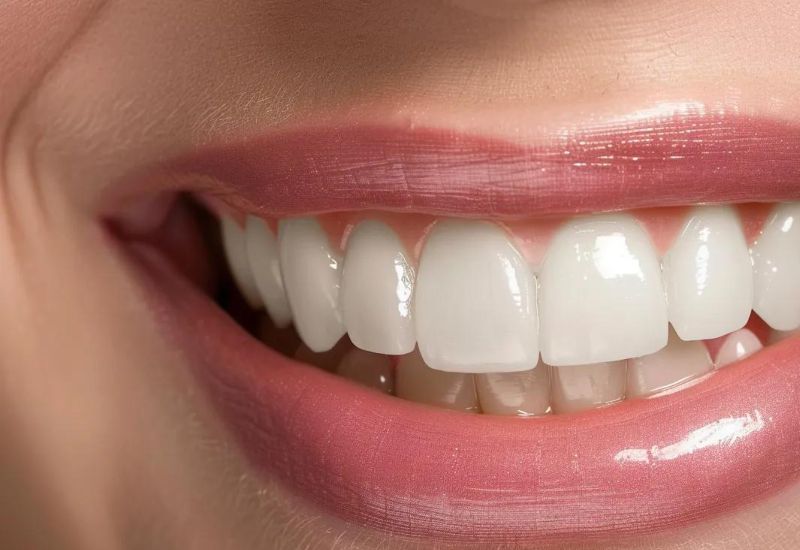
A Decade-by-Decade Timeline of Veneer Aging
Let's put it all into perspective with a simple timeline:
The key takeaway? The better you care for your veneers, the further to the right on this timeline you'll go before needing any work.
How to Keep Your Veneers Looking Great for a Decade (and Beyond)
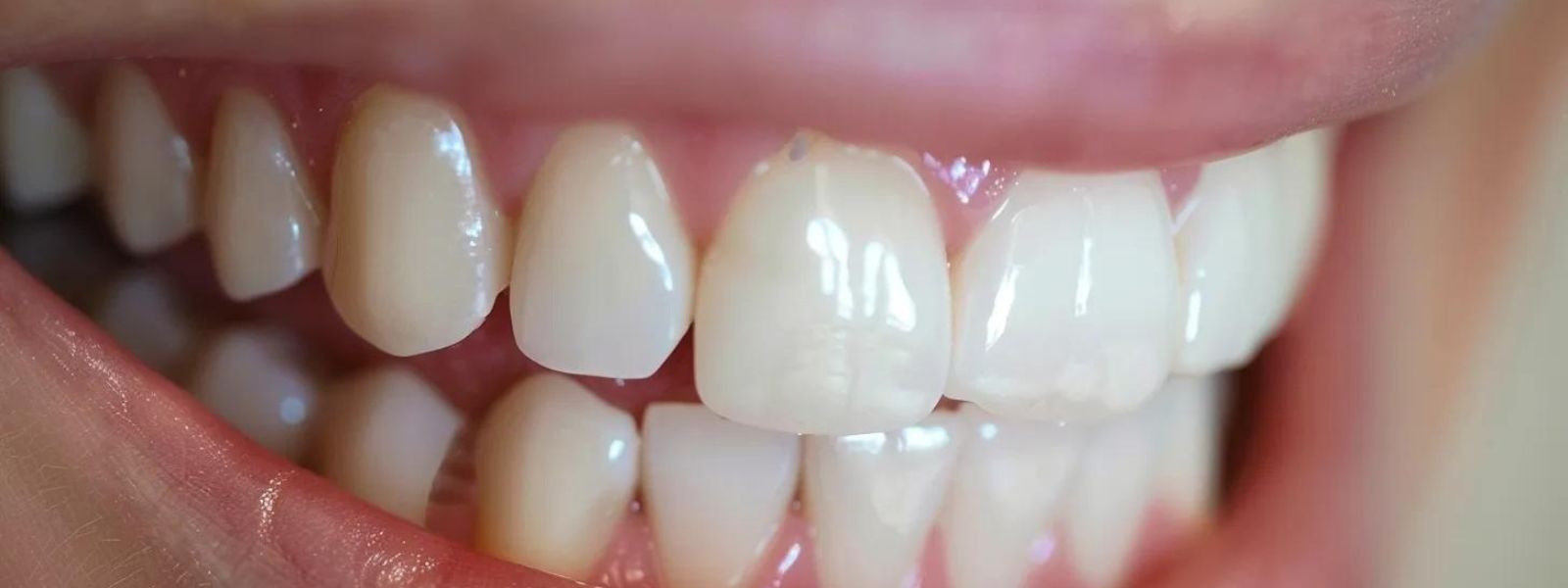
You've already made the investment. Now it's about protecting it. Here's how to get the most out of your veneers.
Use the Right Tools
Switch to a soft-bristled toothbrush and non-abrasive toothpaste. Harsh bristles and gritty pastes can slowly wear down the polished surface of porcelain. Gentle cleaning is all you need.
Wear a Nightguard If You Grind
This one can't be said enough. If you grind or clench your teeth, a nightguard is the single best thing you can do for your veneers. It's a small, comfortable guard that absorbs the pressure so your porcelain doesn't have to.
Keep Up With Dental Visits
Regular check-ups let your dentist catch small problems before they turn into big ones. A tiny chip spotted early can sometimes be polished smooth. A loose veneer caught in time can be re-bonded without a full replacement.
Patients from Miami Lakes, Hialeah Gardens, Palm Springs North, and throughout the Hialeah area who keep up with their visits tend to get the longest life out of their veneers.
Watch What You Eat (and How You Eat)
Hard, crunchy, or sticky foods can damage veneers. Ice, hard candy, popcorn kernels, and sticky caramel are the usual troublemakers. You don't need to avoid them completely, but be mindful. And please, cut your food into bite-sized pieces when possible rather than tearing into things with your front teeth.
Limit Stain-Causing Drinks
Coffee, red wine, tea, and cola won't stain the porcelain, but they can stain the edges where the cement is exposed. Rinsing with water after these drinks helps. Using a straw also reduces contact with your front teeth.
Don't Smoke
Tobacco is rough on veneers. It stains the margins, damages gum tissue, and increases the risk of gum disease, all of which can shorten your veneers' lifespan.
When Is It Time to Replace Your Veneers?
Veneers don't last forever. Even with perfect care, the day will come when they need to be replaced. Here are the signs to watch for.
Visible Cracks or Chips
Small chips can sometimes be smoothed out, but larger cracks usually mean it's time for a new veneer. A cracked veneer can allow bacteria underneath, which puts the tooth at risk.
The Veneer Feels Loose
If a veneer starts to move or feels different when you bite, the bond may be weakening. Don't wait for it to fall off. See your dentist right away so it can be re-bonded or replaced before any damage occurs.
Noticeable Gum Recession
When gums pull back enough, they can expose the edge of the veneer and create a visible gap. This doesn't always mean the veneer has failed, but it does mean the look has changed. A replacement veneer can be made to fit the new gum line.
Significant Discoloration at the Margins
If the line between your veneer and your natural tooth becomes very visible, that's a sign the cement has stained or the margin has opened slightly. Replacement will restore the seamless look.
Decay Underneath the Veneer
This is the most serious sign. If your dentist finds decay under or around a veneer, the veneer must come off so the tooth can be treated. After that, a new veneer (or possibly a dental crown) can be placed.
What Does Veneer Replacement Look Like?
Replacing a veneer is very similar to the original process. Your dentist removes the old veneer and any remaining cement. They check the tooth underneath for decay or damage. Then, a new impression is taken, and a fresh veneer is crafted and bonded into place.
Since your enamel was already prepared during the first round, you'll always need some type of covering on that tooth. But that's not a bad thing. It just means you'll continue to enjoy a beautiful smile, one fresh veneer at a time.
The full cost breakdown of getting veneers on our blog can help you plan for both initial placement and future replacements.
Porcelain vs. Composite: How Aging Differs
Not all veneers age the same way, and material is a big reason why.
Porcelain veneers are the gold standard for longevity. They resist stains, hold their shape, and maintain their glossy surface far better than composite. Clinical studies show survival rates above 93% at 10 years and above 91% at 20 years.
Composite veneers, on the other hand, typically last 5 to 7 years. They're more likely to stain, chip, and lose their polish over time. While they cost less upfront, the need for more frequent replacements can add up over a decade.
Here's a quick comparison of how they age:
For patients who want results that hold up well over a decade, porcelain is the clear winner.
Frequently Asked Questions
Can Veneers Last 20 Years or More?
Yes. With excellent care, quality materials, and a skilled dentist, porcelain veneers can last 20 years or longer. Some studies have documented cases of veneers lasting well beyond two decades. The keys are good hygiene, nightguard use (if you grind), and regular dental check-ups.
Do Veneers Get Yellow Over Time?
Porcelain veneers don't yellow. That's one of their biggest advantages. However, your natural teeth around them can change color with age, which may create a contrast. Some patients choose to whiten their natural teeth periodically to keep everything matching.
Can You Whiten Veneers?
No. Once porcelain veneers are placed, their color is set permanently. If you want a brighter shade, the only option is to replace them. That's why most dentists recommend professional teeth whitening before getting veneers, so the veneers can be matched to your brightest shade.
What's the Most Common Reason Veneers Need Replacing?
For well-maintained veneers, gum recession is the most common reason for replacement. It doesn't mean the veneer failed. It means your gums changed over time, and the veneer no longer fits the way it should. For veneers that fail early, the most common cause is porcelain fracture, often linked to grinding.
Can Cavities Form Under Veneers?
Yes. The veneer itself is immune to decay, but the natural tooth underneath is not. If bacteria reach the edges where the veneer meets the tooth, decay can develop. This is why brushing, flossing, and dental cleanings are so important.
Are Veneers Worth It Long Term?
For most patients, absolutely. The combination of a beautiful smile, improved confidence, and a decade-plus of great results makes veneers one of the most rewarding investments in cosmetic dentistry. When you factor in the high survival rates and low maintenance requirements, the value is clear.
Why Families in West Hialeah Trust Castellanos Dental Aesthetics
When it comes to something as personal as your smile, experience matters. Dr. Castellanos graduated from the Goldman School of Dentistry in 1997 and has been transforming smiles for families throughout the Hialeah community for over 25 years. Her background in psychology helps patients who feel nervous, and her artistic approach creates results that look natural and beautiful for years.
Our bilingual team (English and Spanish) welcomes patients from Hialeah Gardens, Miami Lakes, Palm Springs North, Miami Springs, Opa-locka, Country Club, and across Miami-Dade County. Our office at 2140 W 68th St #202 is just minutes from the Palmetto Expressway, with easy access and a warm, family-friendly environment.
Wondering how your veneers are holding up? Or thinking about getting veneers for the first time? We offer a $99 consultation to help you explore your options. Check out our smile gallery and patient reviews to see what's possible.
Final Thoughts
Veneers don't stop being beautiful after a decade. With good habits, quality materials, and a dentist who knows what they're doing, your veneers can age gracefully, looking natural and attractive for 10, 15, or even 20 years.
The changes that happen over time are mostly subtle: a bit of edge wear, some gum recession, and perhaps a faint line at the margins. None of these are sudden, and all of them can be managed with regular care.
The real secret to veneers that age well isn't complicated. Brush and floss daily. Visit your dentist. Wear a nightguard if you grind. Skip the ice-crunching and nail-biting. And choose a cosmetic dentist with the experience and artistry to get it right from day one.
At Castellanos Dental Aesthetics in West Hialeah, we've been helping our neighbors enjoy long-lasting, beautiful smiles since 1998. If you're ready to invest in veneers, or if your current set is due for a check-up, call us at (305) 820-4080 or request an appointment online. We're right here on W 68th Street, just minutes from the Palmetto Expressway, serving families from Miami-Dade to Broward County.
Your smile deserves to age beautifully. Let's make sure it does.
.png)
.png)

.png)


.png)
.png)
.png)

.png)
.png)
.svg)


