.png)
.svg)
.png)

How to Whiten Teeth That Are Really Yellow?
.png)
.png)
Yes, you can whiten teeth that are really yellow. The best way to do it depends on what caused the yellowing in the first place. Surface stains from coffee, tea, or tobacco respond well to professional whitening treatments that use hydrogen peroxide at concentrations of 25% to 43%, according to the American Dental Association. Deeper, internal discoloration from aging or medications may need stronger in-office treatments or cosmetic options like veneers or bonding. This article walks through every proven method, from at-home remedies to professional treatments, so you can find the right solution for your smile.
How to Whiten Teeth That Are Really Yellow
To whiten teeth that are really yellow, you need to first figure out whether the staining is on the surface of the tooth (extrinsic) or inside the tooth structure (intrinsic). According to Cleveland Clinic, extrinsic stains sit on the outer enamel and come from food, drinks, and tobacco. Intrinsic stains form inside the tooth and are caused by aging, trauma, or certain medications like tetracycline.
This matters because surface stains and deep stains respond to different treatments. Whitening toothpaste and strips work on surface stains. But for deep yellow discoloration, you will likely need professional whitening or a cosmetic dental procedure. A Delta Dental survey from 2024 found that 52% of adults now rank tooth brightness as a top oral health priority. That number shows just how important a white smile has become in everyday life.
Patients in Hialeah, Florida, who are unhappy with the color of their teeth can start by scheduling a consultation with a cosmetic dentist. A professional exam will tell you exactly what type of staining you have and which treatment will give you the best results. Cosmetic dentistry offers several paths to a brighter smile, and the right one depends on your situation.
Why Are My Teeth So Yellow Even Though I Brush?
Your teeth can be yellow even though you brush because brushing only removes surface plaque and some light stains. It does not change the natural color of your tooth enamel or the dentin layer underneath it.
As you age, your enamel gets thinner from normal wear. When that happens, the dentin underneath starts to show through. Dentin is naturally yellow. According to a review published in the International Journal of Creative Research Thoughts, people with thinner enamel are more likely to have visibly yellow teeth regardless of how often they brush.
Genetics also play a role. Some people are born with thicker, whiter enamel, while others have naturally thinner or more translucent enamel that lets the yellow dentin show. Certain medications taken during childhood, like tetracycline antibiotics, can also cause deep yellow or gray discoloration that brushing alone will never fix.
Families across West Hialeah who brush twice a day but still see yellow teeth should not feel discouraged. It is a very common problem with real solutions. A dental exam can pinpoint the cause and guide you to the right treatment.
What Causes Really Yellow Teeth?
The causes of really yellow teeth include food and drink staining, tobacco use, aging, medications, poor oral hygiene, genetics, and excessive fluoride exposure. Each of these affects the tooth differently, either on the surface or deep inside.
Do Coffee and Tea Stain Teeth?
Yes, coffee and tea stain teeth. They contain dark pigment compounds called chromogens that bind to the protein film on your enamel. According to research reviewed by Dentalcare.com (a Procter and Gamble educational resource), these chromogens attach to the acquired pellicle layer on teeth and build up over time, creating visible yellow or brown stains.
Red wine, dark sodas, berries, and soy sauce cause similar staining. The more often you consume these items without rinsing your mouth, the deeper the stains become. Using a straw for dark drinks and rinsing with water after meals can slow the process significantly.
Does Smoking Make Teeth Yellow?
Yes, smoking makes teeth yellow. Tar and nicotine from tobacco products create stubborn yellow-to-brown stains on the enamel surface. According to the British Dental Journal, tar in tobacco smoke forms discoloration around the gum line and across the front of teeth. These stains can eventually penetrate enamel cracks and become intrinsic, making them even harder to remove.
Smokeless tobacco, vaping, and cannabis use can also contribute to tooth discoloration. Quitting tobacco is one of the single most impactful things you can do for both your oral health and the whiteness of your smile.
Does Aging Cause Yellow Teeth?
Yes, aging causes yellow teeth. Over time, the enamel on your teeth wears down from chewing, acidic foods, and general use. As enamel thins, the yellowish dentin layer underneath becomes more visible. According to Crest (Procter and Gamble), age-related tooth discoloration is the result of both intrinsic and extrinsic factors combining over decades.
This natural yellowing process is one of the most common reasons adults in Hialeah and across South Florida seek teeth whitening treatments. The good news is that age-related discoloration responds very well to professional bleaching in most cases.
Can Yellow Teeth Become White Again?
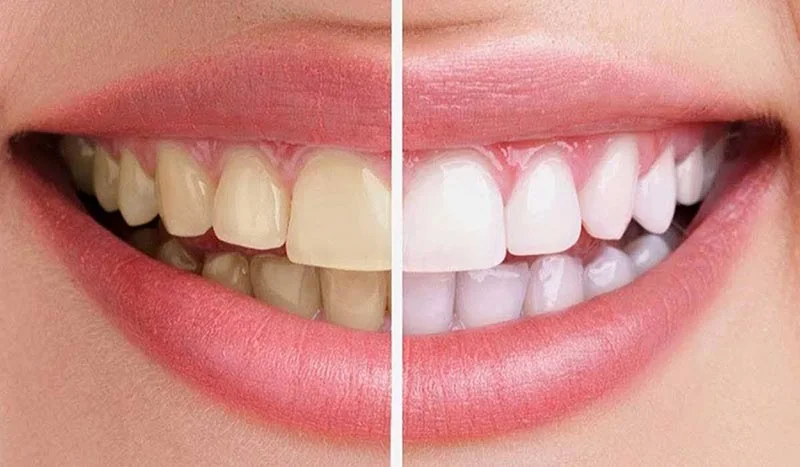
Yes, yellow teeth can become white again. The level of improvement depends on the type of stain and the method used. Surface stains from food, drinks, and tobacco are the easiest to treat. Deep intrinsic stains from medications or aging may require stronger treatments, but they can still be lightened significantly.
According to Grand View Research, the global teeth whitening market was valued at $7.5 billion in 2023 and is growing at about 5% per year. That growth reflects the millions of people who are successfully whitening their yellow teeth every year using a mix of professional and at-home methods.
The key is to match the treatment to the type of stain. A cosmetic dentist can evaluate your teeth and recommend the most effective approach. For patients in the Hialeah area, professional teeth whitening delivers the fastest, most dramatic results for yellow teeth.
Is Professional Teeth Whitening Better Than Over-the-Counter Products?
Yes, professional teeth whitening is better than over-the-counter products for most people with noticeably yellow teeth. Professional treatments use hydrogen peroxide or carbamide peroxide at concentrations of 25% to 43%, while store-bought strips and gels typically contain only 3% to 10% peroxide.
That difference in strength matters. According to data compiled by Rank My Dentist, in-office whitening can lighten teeth by 5 to 8 shades in a single 60-minute session. Over-the-counter products, by comparison, may only improve tooth color by 1 to 3 shades over several weeks of daily use.
Professional whitening also lasts longer. Dental professionals report that in-office results can hold for up to 2 to 3 years with proper care, while OTC product results tend to fade within a few months. Custom take-home trays from a dentist offer a middle ground, providing stronger whitening agents with a personalized fit that prevents gum irritation.
A review published in the journal Frontiers in Dental Medicine found that whitening toothpastes show limited evidence of producing real bleaching effects, primarily just removing surface stains through mild abrasives. For people with deeply yellow teeth, over-the-counter toothpaste alone is rarely enough to make a noticeable difference.
Does Baking Soda Whiten Yellow Teeth?
Yes, baking soda can help whiten yellow teeth to a limited degree. It works as a mild abrasive that scrubs away surface stains when mixed with water into a paste. However, baking soda does not contain any bleaching agent, so it cannot change the internal color of a tooth.
Baking soda is best for light surface stains from food and drink. For people with really yellow teeth caused by aging, genetics, or medications, baking soda alone will not produce dramatic results. It can be used as a supplement to professional whitening, but it should not be your only strategy.
Use baking soda carefully. Brushing too hard or too often with abrasive pastes can wear down enamel over time, which actually makes teeth look more yellow because the dentin shows through more. Limit baking soda use to once or twice per week and always brush gently.
Do Whitening Strips Work on Very Yellow Teeth?
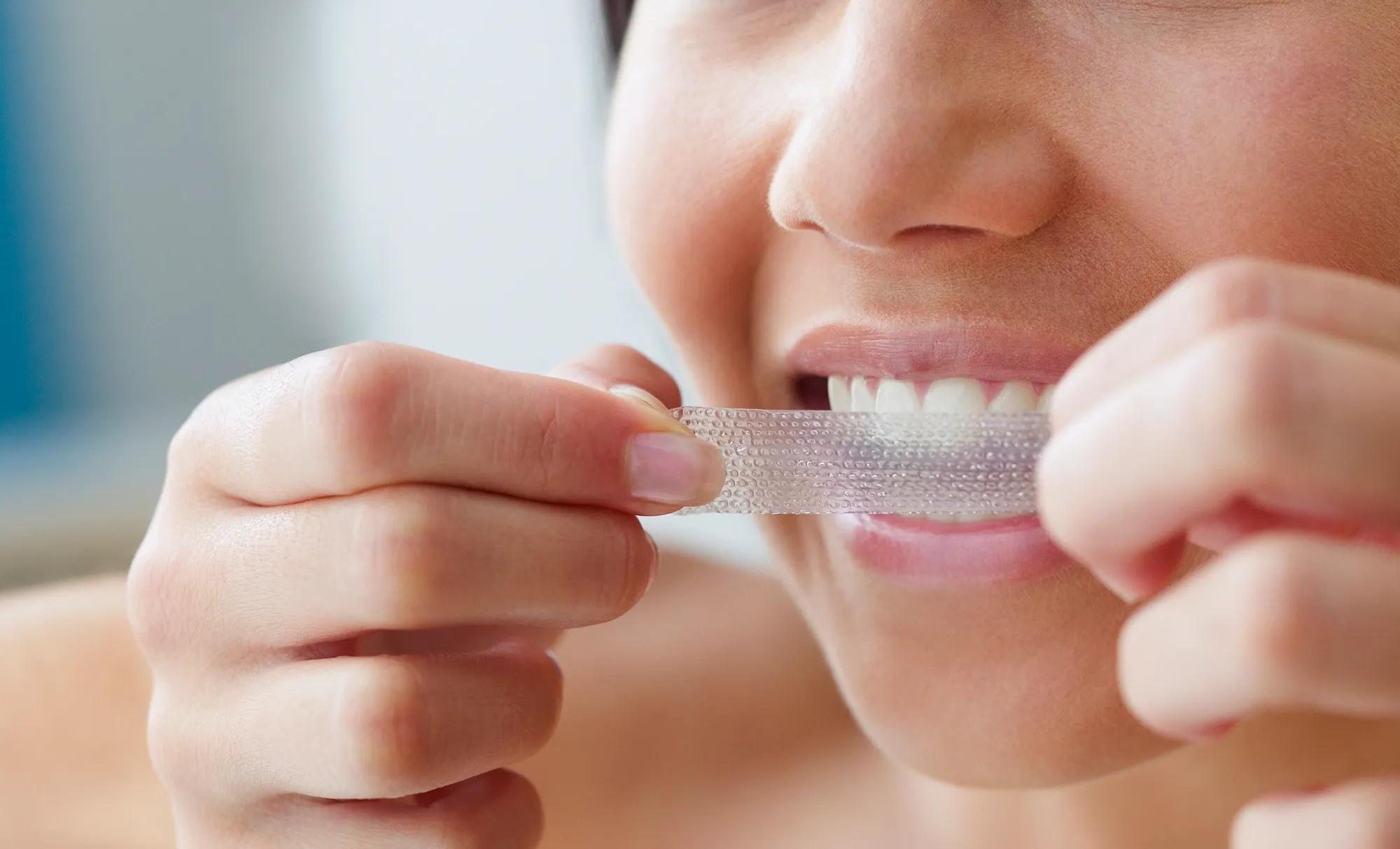
Whitening strips work on very yellow teeth if the yellowing is caused by surface stains. Strips coated with hydrogen peroxide (usually 5% to 15%) can gradually lighten extrinsic discoloration over 2 to 4 weeks of daily use.
However, whitening strips have limits. Because they are one-size-fits-all, they may not make even contact with every tooth, leading to uneven results. They also do not work well on intrinsic staining from aging or medications. According to the Frontiers in Dental Medicine review, whitening strips can be effective for mild to moderate staining, but they carry a risk of tooth sensitivity and gum irritation when used incorrectly or too often.
For patients in Hialeah with stubborn yellow stains, strips can serve as a starting point. But if the results are not dramatic enough, a professional treatment is the logical next step. A dentist can offer stronger solutions and customize them to your specific needs.
What Professional Whitening Options Are Available for Really Yellow Teeth?
Professional whitening options for really yellow teeth include in-office bleaching, custom take-home trays with prescription-strength gel, and combination treatments that use both. The right choice depends on how severe the yellowing is and how quickly you want results.
How Does In-Office Teeth Whitening Work?
In-office teeth whitening works by applying a high-concentration bleaching gel directly to the teeth while protecting the gums with a barrier. Some treatments also use a special light or laser to activate and speed up the whitening process. According to the American Dental Association, in-office bleaching is one of the most effective whitening methods available. A single session typically takes about 60 to 90 minutes.
Patients across Hialeah, Florida, who choose in-office whitening often see results the same day. This makes it ideal for people with upcoming events, photo sessions, or anyone who simply wants fast results.
How Do Custom Take-Home Whitening Trays Work?
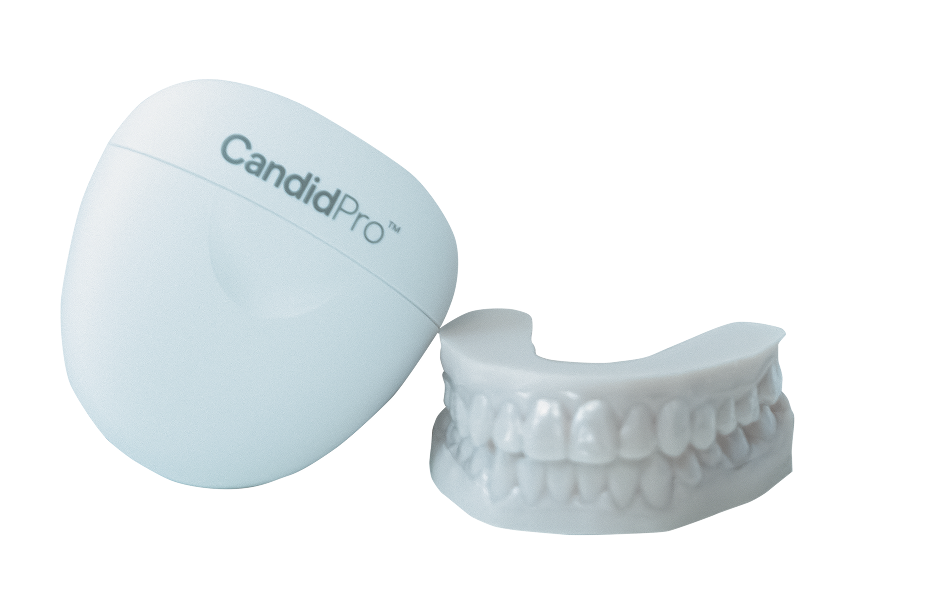
Custom take-home whitening trays work by holding professional-grade whitening gel against your teeth for a set period each day, usually 30 to 60 minutes. Your dentist creates the trays from impressions of your mouth so they fit snugly and keep the gel evenly distributed across every tooth.
Take-home trays are a great option for patients who prefer a gradual approach. They typically produce noticeable results within 1 to 2 weeks and are also useful for touch-ups after an in-office session.
Can Veneers Fix Really Yellow Teeth?
Yes, veneers can fix really yellow teeth, especially when the discoloration is intrinsic and does not respond to bleaching. Porcelain veneers are thin shells bonded to the front of each tooth. They cover the stained surface completely and create a bright, uniform appearance.
According to a 2021 systematic review published in the Journal of Clinical Medicine, porcelain veneers have a 10-year survival rate of 95.5%. They are a long-term solution that addresses not only color but also chips, gaps, and minor crookedness all at once.
For patients in West Hialeah with severe yellowing that whitening cannot fix, porcelain veneers offer a permanent transformation. Many patients find that a smile design package combining whitening and veneers delivers the most complete results.
Can Dental Bonding Whiten a Single Yellow Tooth?
Yes, dental bonding can whiten a single yellow tooth. Cosmetic dental bonding involves applying a tooth-colored composite resin directly to the discolored tooth and shaping it to match the surrounding teeth. According to Cleveland Clinic, bonding is a good option for deep tooth discoloration that does not improve with bleaching.
Bonding typically lasts 5 to 7 years before it needs a touch-up or replacement. It costs less than veneers and can be completed in a single visit. For one or two isolated yellow teeth, bonding is often the most practical and affordable fix.
How to Keep Teeth White After Whitening
To keep teeth white after whitening, you need to avoid the habits that caused the staining in the first place and stay consistent with your oral care routine.
Brush twice a day with a fluoride toothpaste and floss daily. Limit coffee, tea, red wine, and dark sodas, or drink them through a straw. Rinse your mouth with water after consuming staining foods or drinks. Do not smoke or use any tobacco products. See your dentist twice a year for professional teeth cleanings to remove buildup before it becomes visible staining.
Eating calcium-rich foods like cheese, yogurt, and leafy greens helps strengthen enamel. Stronger enamel is more resistant to staining and keeps the yellow dentin layer hidden underneath. Crunchy fruits and vegetables like apples, celery, and carrots also help clean teeth naturally by increasing saliva production while you chew.
Teeth Whitening Methods Comparison Table
MethodPeroxide StrengthShade ImprovementHow Long Results LastBest ForIn-Office Professional Whitening25% to 43%5 to 8 shadesUp to 2 to 3 yearsModerate to severe yellowingCustom Take-Home Trays (Dentist)10% to 22%3 to 6 shades1 to 2 yearsGradual whitening, touch-upsOTC Whitening Strips5% to 15%1 to 3 shadesA few monthsMild surface stainsWhitening Toothpaste0% to 3% (abrasive-based)1 to 2 shadesRequires continuous useMaintenance, light stainsPorcelain VeneersN/A (covers tooth)Complete color change10 to 15+ yearsSevere intrinsic staining
Sources: American Dental Association, Rank My Dentist teeth whitening data report, Frontiers in Dental Medicine (2021 review), Journal of Clinical Medicine (2021 veneer review).
Frequently Asked Questions
Is Teeth Whitening Safe for Sensitive Teeth?
Yes, teeth whitening is safe for sensitive teeth when done under the guidance of a dentist. Professional treatments allow your dentist to adjust the bleaching concentration and add desensitizing agents to reduce discomfort. Over-the-counter products carry more risk because they lack customized application. Patients in Hialeah with sensitive teeth should talk to their dentist before starting any whitening treatment.
How Long Does Professional Teeth Whitening Last?
Professional teeth whitening lasts up to 2 to 3 years depending on your habits and oral hygiene. Drinking coffee, tea, or red wine regularly, or smoking, can shorten that timeframe. Touch-up treatments with custom take-home trays help extend the results. Patients across South Florida who follow their dentist's aftercare instructions see the longest-lasting results.
Can You Whiten Teeth That Are Yellow From Aging?
Yes, you can whiten teeth that are yellow from aging. Age-related yellowing is caused by enamel thinning and dentin exposure. Professional bleaching treatments penetrate the enamel and lighten the dentin underneath. In-office whitening is the most effective option for this type of discoloration. Many adults in the Hialeah, Florida, area achieve noticeably brighter smiles even after years of natural yellowing.
Does Charcoal Toothpaste Whiten Yellow Teeth?
Charcoal toothpaste can remove some surface stains, but research shows mixed results. A 2019 study found that charcoal toothpaste can slightly improve tooth color within 4 weeks, but it was not as effective as peroxide-based whitening products. More concerning, research has found that activated charcoal can be abrasive enough to damage enamel, potentially making teeth look more yellow over time. Most dentists recommend sticking with ADA-accepted whitening products instead.
Is It Worth Getting Teeth Whitened at the Dentist?
Yes, it is worth getting teeth whitened at the dentist if you want fast, safe, and noticeable results. Professional whitening can lighten teeth by 5 to 8 shades in a single visit, far more than any store-bought product. According to the American Academy of Cosmetic Dentistry, 99.7% of Americans view a smile as an important social asset. Investing in professional whitening can boost your confidence in both personal and professional settings.
How Much Whiter Can Really Yellow Teeth Get?
Really yellow teeth can get 5 to 8 shades whiter with professional in-office whitening and 1 to 3 shades whiter with OTC products. The final result depends on the cause and severity of the staining. Extrinsic stains from coffee or tobacco respond the most dramatically. Intrinsic stains from medications may lighten but might not reach a pure white. Your dentist in Hialeah can show you a shade guide during your consultation so you know what to expect.
Can I Whiten My Teeth If I Have Crowns or Fillings?
You can whiten your natural teeth, but whitening products do not change the color of crowns, fillings, or veneers. This means the whitened teeth may not match existing dental work. A cosmetic dentist can plan the whitening process around your restorations to achieve the most even result. In some cases, replacing older dental crowns after whitening helps everything match.
Final Thoughts
Yellow teeth are one of the most common cosmetic dental concerns, and the good news is that almost every case can be improved. Surface stains from food, drinks, and tobacco respond well to professional whitening that can brighten your smile by up to 8 shades in one visit. Deeper discoloration from aging or medications may need stronger treatments like custom trays, dental bonding, or porcelain veneers. The teeth whitening market is now valued at over $7 billion worldwide, according to Fortune Business Insights, proving that millions of people are finding real results every year.
If you live in Hialeah or anywhere in South Florida and you are ready to transform your yellow teeth into a brighter, more confident smile, Castellanos Dental Aesthetics can help. With over 25 years of experience in cosmetic and family dentistry, the team offers personalized teeth whitening treatments designed for your specific type of staining.
Call 305-820-4080 today or visit the contact page to schedule your consultation. A whiter smile is closer than you think, and the right dental team can help you get there safely and effectively.

.png)
.png)

.png)


.png)

.png)
.png)
.png)
.png)

.png)
.png)
.svg)


