.png)
.svg)
.png)

How to Know If You Need a Tooth Extraction?
.png)
.png)
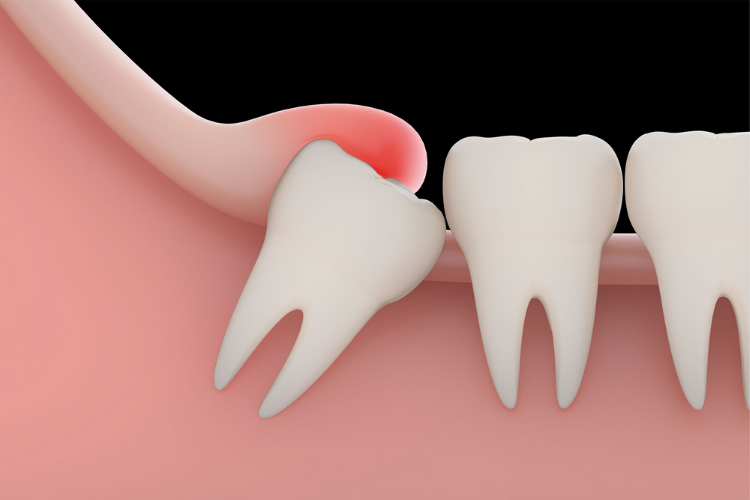
You may need a tooth extraction if you have severe decay that cannot be repaired, a painful infection that has spread to the root, advanced gum disease, a cracked tooth below the gum line, or an impacted wisdom tooth. According to Cleveland Clinic, more than 20 million teeth are extracted each year in the United States, making it one of the most common dental procedures. Tooth extraction is always a last resort, and dentists will try to save the tooth first whenever possible. This article explains the key signs that extraction may be needed, what to expect during the procedure, and how to protect your smile afterward.
How Do I Know When a Tooth Needs To Be Extracted?
You know a tooth needs to be extracted when your dentist determines the tooth is too damaged, decayed, or infected to be saved with a filling, crown, or root canal. There are several clear signs that point to extraction being the best option.
Severe, persistent tooth pain is one of the biggest warning signs. If a toothache does not improve with over-the-counter pain relievers and keeps getting worse over days, the nerve inside the tooth may be dying or the tooth may be infected. According to data from the National Center for Health Statistics (NCHS), about 27% of adults ages 20 to 64 have untreated tooth decay, and letting that decay go untreated is one of the leading paths to extraction.
Swelling in the gums, jaw, or face near a painful tooth is another red flag. This often means an infection has formed at the root, creating a pocket of pus called an abscess. According to Mayo Clinic, a tooth abscess will not go away on its own and can spread to the jaw, neck, and even the brain if left untreated. Families in Hialeah, Florida who notice these symptoms should see a dentist right away rather than waiting for the pain to pass.
Other signs include a tooth that feels loose (without an injury), a tooth that has broken below the gum line, or extreme sensitivity to hot and cold that does not go away. Your dentist will take X-rays and do a full exam to determine whether the tooth can be saved or needs to come out. Scheduling regular dental exams is the best way to catch problems before they reach the extraction stage.
Why Do Dentists Push for Tooth Extraction?
Dentists push for tooth extraction when keeping the tooth would cause more harm than removing it. The goal is always to save natural teeth, but there are times when extraction is the safest path forward.
Severe decay that has destroyed most of the tooth structure cannot be fixed with a filling or crown. Once the decay reaches the inner pulp and causes a deep infection, a root canal may still save it. But if the infection has spread too far, or the tooth has cracked below the bone, extraction is the only option to stop the problem from getting worse.
According to a StatPearls review published by the National Library of Medicine, 91% of adults ages 20 to 64 have experienced dental caries. When caries are left untreated for too long, the damage becomes irreversible. A study published in PubMed found that infected teeth should be extracted as soon as possible, and the procedure should not be delayed just because antibiotics are being taken. Dentists in the Hialeah area recommend extraction in these cases not because they want to remove teeth, but because it prevents the infection from spreading to neighboring teeth and the jawbone.
How Long Will a Tooth Hurt Before the Nerve Dies?
A tooth can hurt for days, weeks, or even months before the nerve dies. The timeline depends on how fast the decay or infection reaches the pulp (the innermost part of the tooth where the nerve lives). In some cases, the pain may come and go for a long time before it becomes constant.
According to Cleveland Clinic, when bacteria invade the pulp through a deep cavity or crack, infection and inflammation build up inside the tooth. This pressure on the nerve causes intense pain. Eventually, the nerve tissue dies and the pain may seem to stop. But that does not mean the problem is gone. The infection is still active and can spread to the surrounding bone and soft tissue, forming an abscess.
A tooth that suddenly stops hurting after weeks of pain is not healing on its own. It usually means the nerve has died, and the infection is spreading silently. If you have been dealing with on-and-off tooth pain in West Hialeah, do not wait for the pain to disappear. Contact a dentist to find out whether root canal therapy can save the tooth or if extraction is needed.
Will a Dentist Pull a Tooth If It Is Infected?
Yes, a dentist will pull a tooth if it is infected when the infection is too severe to be treated with a root canal or antibiotics alone. A common myth is that you have to wait for the infection to clear up before a tooth can be pulled, but research shows otherwise.
A prospective study published in PubMed compared extractions of acutely infected teeth with extractions of non-infected teeth. The study found no significant difference in complications between the two groups. The researchers concluded that acute infection is not a reason to delay extraction and that infected teeth should be removed as soon as possible.
In some cases, your dentist may prescribe antibiotics before the extraction to reduce swelling and help manage inflammation. But the antibiotic alone will not cure the infection. The source of the infection, which is the damaged tooth, must be removed. According to the StatPearls review on dental abscesses, the mortality rate from untreated dental infections can reach as high as 40% if the infection descends into the deep neck space and causes mediastinitis. That is why getting prompt care at a family dentistry office is so important.
Can My Body Fight Off a Tooth Infection Without Antibiotics?
No, your body cannot reliably fight off a tooth infection without professional dental treatment. While your immune system can slow the spread of bacteria, it cannot reach the inside of a dead or dying tooth where the infection lives. A tooth abscess will not heal on its own.
According to Mayo Clinic, even if an abscess ruptures and the pain seems to go away, the infection is still present and you still need dental treatment. The bacteria can spread to the jawbone, sinuses, and other parts of the body. In rare but serious cases, untreated dental infections can lead to sepsis, which is a life-threatening response to infection.
Cleveland Clinic reports that people who smoke are about twice as likely to develop tooth abscesses, and those with dry mouth or poor oral hygiene are also at higher risk. Hialeah residents who notice swelling, fever, or a foul taste in their mouth alongside tooth pain should seek dental care immediately rather than hoping the body will handle it.
What Does Dental Sepsis Feel Like?
Dental sepsis feels like a severe, widespread illness that goes far beyond normal tooth pain. Symptoms include high fever, chills, rapid heartbeat, confusion, difficulty breathing or swallowing, and extreme fatigue. The face, neck, or jaw may be severely swollen.
According to the StatPearls review on dental abscesses, sepsis occurs when an untreated dental infection enters the bloodstream and triggers a dangerous inflammatory response throughout the body. Dental-related hospital admissions in the United States occur at a rate of about 1 per 2,600 people. This is a medical emergency. If you have a toothache and develop any of these symptoms, go to an emergency room right away.
What Is the 3-3-3 Rule for Toothache?
The 3-3-3 rule for toothache is a simple guideline to help you decide when to see a dentist. If your tooth pain lasts longer than 3 days, if it is severe enough to score a 3 out of 10 or higher on a pain scale, or if it is accompanied by any 3 warning signs (such as swelling, fever, or a bad taste in your mouth), you should contact a dentist right away.
This rule is not a replacement for professional advice, but it gives you a framework for taking action instead of waiting too long. Many people in Hialeah put off dental visits hoping the pain will go away, but tooth pain that lingers almost always signals a deeper problem like decay, infection, or a crack. The sooner you get examined, the better your chances of saving the tooth with treatments like fillings or root canals instead of extraction.
Can a Dentist Pull a Tooth the Same Day?
Yes, a dentist can pull a tooth the same day in many cases, especially during a dental emergency. If you arrive with a severely infected or broken tooth and the dentist determines extraction is the best option, they can often perform a simple extraction during that visit.
Simple extractions involve teeth that are visible above the gum line and can be loosened and removed with standard dental instruments under local anesthesia. The procedure is quick and typically takes less than an hour. Surgical extractions, which are needed for impacted or broken teeth below the gum line, may need to be scheduled separately depending on the complexity.
According to Cleveland Clinic, your dentist will thoroughly review your medical and dental history, take X-rays, and make sure you are safe to proceed before performing a same-day extraction. If you are experiencing a dental emergency in the West Hialeah area, call your dentist first to let them know you are coming so they can prepare.
Why Do Dentists No Longer Pull Teeth as a First Option?
Dentists no longer pull teeth as a first option because modern dentistry offers many ways to save damaged teeth that were not available decades ago. Root canals, crowns, dental crowns, and antibiotics can all help preserve natural teeth in situations that would have required extraction in the past.
Keeping your natural teeth is almost always better for long-term oral health. Natural teeth support the jawbone, keep surrounding teeth from shifting, and allow normal chewing and speaking. When a tooth is removed and not replaced, the jawbone in that area begins to shrink over time. According to national data, over 100 million Americans are missing at least one tooth, and many of those gaps lead to further dental problems down the road.
Extraction is now treated as a last resort, used only when the tooth is beyond repair. If extraction is unavoidable, replacement options like dental implants, bridges, or dentures can restore function and appearance.
What Happens If You Pull an Infected Tooth Without Antibiotics?
If you pull an infected tooth without antibiotics, the extraction itself removes the source of the infection. In many cases, the body can then clear the remaining bacteria on its own. However, in cases of severe or widespread infection, antibiotics may be needed before or after the extraction to prevent the infection from spreading.
The PubMed study on extracting infected teeth found that removing the tooth promptly is more important than waiting for antibiotics to take effect. However, your dentist will assess the severity of the infection and decide whether antibiotics are necessary as part of the treatment plan. Patients with weakened immune systems, diabetes, or heart conditions may need antibiotics as a precaution.
After any extraction, following your dentist's aftercare instructions is critical. This includes keeping the extraction site clean, avoiding smoking, eating soft foods, and watching for signs of complications like prolonged pain, fever, or pus. Regular follow-up visits at a preventive dentistry practice help catch any issues early.
How Do I Sleep With a Toothache?
To sleep with a toothache, elevate your head with an extra pillow to reduce blood flow to the area, which helps ease the throbbing. Take an over-the-counter pain reliever like ibuprofen 30 minutes before bed. Avoid eating hot, cold, or sugary foods close to bedtime, as these can make the pain worse.
Rinsing gently with warm salt water before bed can help reduce inflammation around the tooth. Applying a cold compress to the outside of your cheek for 15 to 20 minutes may also provide temporary relief. These are short-term solutions only. If your toothache keeps you up at night, it is a clear sign that something serious is happening inside the tooth. Schedule a visit with your dentist in Hialeah as soon as possible.
How Many Teeth Can a Dentist Pull in a Day?
A dentist can pull multiple teeth in a single day if needed. There is no strict limit, and the number depends on the patient's health, the complexity of the extractions, and how well the patient tolerates the procedure.
According to the American Association of Oral and Maxillofacial Surgeons, it is common for patients to have all four wisdom teeth removed in a single appointment. For patients who need full dentures, dentists sometimes remove several teeth at once to prepare the mouth for the prosthetic. Your dentist will evaluate your case and let you know whether removing multiple teeth in one visit is safe or if the extractions should be spread across multiple appointments.
Tooth Extraction vs. Root Canal: When Is Each One Needed?
FactorRoot CanalTooth ExtractionWhen It Is UsedInfection or damage is limited to the pulp, and the tooth structure is still intactTooth is too decayed, cracked, or infected to be repairedGoalSave the natural toothRemove the tooth to stop infection and protect surrounding teethProcedureRemove infected pulp, clean and seal the root canals, place a crownLoosen and remove the entire tooth from the socketRecovery TimeA few days of mild soreness1 to 2 weeks for gum healing; several months for full bone healingPreserves JawboneYes, keeps the natural root in placeNo, bone loss can begin without a replacement like an implantFollow-Up NeededCrown placement to protect the toothReplacement options: implant, bridge, or dentureSuccess RateAbout 95% according to the American Association of EndodontistsVery high; a routine procedure with low complication rates
Sources: Cleveland Clinic, American Association of Endodontists, Mayo Clinic, StatPearls (National Library of Medicine)
Frequently Asked Questions
Is Tooth Extraction Painful?
No, tooth extraction is not painful during the procedure. Your dentist will numb the area with local anesthesia so you do not feel pain during the removal. You may feel pressure as the tooth is loosened, but no sharp pain. After the numbness wears off, some soreness and swelling are normal and usually peak within the first 24 to 48 hours. Over-the-counter pain relievers are typically enough to manage the discomfort. Patients with dental anxiety in the Hialeah area can ask about sedation options for added comfort.
How Long Does It Take To Recover From a Tooth Extraction?
Recovery from a tooth extraction takes about 1 to 2 weeks for the gums to heal. According to Cleveland Clinic, the initial blood clot forms within the first day, and most swelling and discomfort subside within the first week. Full bone healing at the extraction site can take several months. Following your dentist's aftercare instructions, like avoiding straws, smoking, and hard foods, speeds up recovery.
What Should I Do After a Tooth Extraction in Hialeah?
After a tooth extraction in Hialeah, you should bite down gently on gauze for 15 to 30 minutes to help a blood clot form. Eat soft foods like yogurt, applesauce, and scrambled eggs for the first few days. Avoid smoking, using straws, and spitting forcefully, as these actions can dislodge the blood clot and cause a painful condition called dry socket. Rinse gently with warm salt water starting 24 hours after the procedure.
Can a Broken Tooth Be Saved or Does It Need Extraction?
A broken tooth can sometimes be saved with a crown, bonding, or root canal, depending on where and how badly it is broken. If the crack extends below the gum line or into the root, the tooth usually cannot be repaired and extraction becomes necessary. Your dentist will take X-rays and evaluate the break to determine the best course of action. Early treatment gives the best chance of saving the tooth.
How Much Does a Tooth Extraction Cost With Insurance in Hialeah?
The cost of a tooth extraction with insurance in Hialeah varies depending on the type of extraction (simple vs. surgical) and your insurance plan. Many dental insurance plans cover a portion of extraction costs, especially when the procedure is medically necessary. For details on coverage and payment options, visit the insurance and financing page to explore what works best for your situation.
What Are My Options After a Tooth Is Extracted?
After a tooth is extracted, your main replacement options are dental implants, dental bridges, and dentures. Dental implants are the closest option to a natural tooth and help preserve the jawbone. Bridges anchor to surrounding teeth to fill the gap. Full or partial dentures are removable options for patients missing several teeth. Your dentist will discuss which option fits your needs during your follow-up appointment.
How Can I Avoid Needing a Tooth Extraction?
You can avoid needing a tooth extraction by brushing twice a day with fluoride toothpaste, flossing daily, eating less sugar, and visiting your dentist for regular checkups and professional cleanings. Catching cavities early and treating them with fillings prevents the decay from spreading deep into the tooth. Wearing a mouthguard during sports protects teeth from trauma. Hialeah residents who stay consistent with preventive care are far less likely to need an extraction.
Final Thoughts
Tooth extraction is a common and safe procedure, but it is always the last option after every effort to save the tooth has been considered. The key signs that extraction may be needed are severe pain, visible infection, a tooth broken beyond repair, advanced gum disease, or an impacted wisdom tooth. With more than 20 million teeth extracted each year in the U.S., it is a well-understood procedure with a strong track record. The most important thing you can do is not ignore tooth pain. The longer you wait, the fewer options you have.
If you are dealing with a toothache, swelling, or a damaged tooth, contact Castellanos Dental Aesthetics in West Hialeah to schedule an exam. Whether you need a tooth extraction, a root canal, or a simple filling, the team will walk you through every option and help you make the best decision for your smile. Call 305-820-4080 today.
.png)
.png)

.png)



.png)

.png)
.png)
.png)
.png)

.png)
.png)
.svg)


