.png)
.svg)
.png)

How to Fix a Chipped or Cracked Tooth?
.png)
.png)
Yes, a chipped or cracked tooth can be fixed. Treatment options range from simple dental bonding for small chips to crowns, veneers, or root canals for more serious damage. The right fix depends on how big the chip or crack is, where it is located, and how much of the tooth structure is affected. According to the American Association of Endodontists, chipped teeth make up the majority of all dental injuries, and most can be repaired by reattaching the broken piece or placing a tooth-colored filling or crown. This guide covers every common treatment option, what to do at home before you see a dentist, when a chipped tooth is serious, and how families in Hialeah, Florida can get fast, expert care.
Can a Chipped and Cracked Tooth Be Fixed?
Yes, a chipped and cracked tooth can be fixed in almost every case. Dentists have several proven treatment methods to repair damage and save the tooth. The key is to see a dentist as soon as possible after the injury happens. Waiting too long lets bacteria reach the inner layers of the tooth and raises the risk of infection.
A 2021 poll by the American Dental Association (ADA) Health Policy Institute found that 63% of dentists reported seeing more chipped teeth and 63% saw more cracked teeth during the first year of the COVID-19 pandemic. Stress-related grinding and clenching were the biggest drivers. This tells us that chipped and cracked teeth are very common, and dentists treat them every day.
Even a small chip that does not hurt deserves attention. The enamel on your teeth is the hardest substance in the human body, made up of about 96% minerals according to the National Institutes of Health. But enamel is also brittle. Once it cracks, it cannot heal on its own. A dentist needs to step in to stop the damage from spreading.
Families across Hialeah who need restorative dentistry have access to multiple options that can bring a damaged tooth back to full function and a natural look.
How Do Dentists Fix a Chipped Tooth?
Dentists fix a chipped tooth by choosing a treatment that matches the size and location of the damage. Small chips may only need smoothing or bonding. Larger chips often call for a crown or veneer. If the damage reaches the nerve inside the tooth, a root canal may be needed first.
Here is how each treatment works.
Is Dental Bonding a Good Fix for a Small Chip?
Yes, dental bonding is a good fix for a small chip. The dentist applies a tooth-colored composite resin to the chipped area, shapes it to match your natural tooth, and hardens it with a special ultraviolet light. The whole process usually takes 30 to 60 minutes and often does not need numbing.
According to the Cleveland Clinic, bonding materials typically last between 3 and 10 years. Research published in dental literature shows that composite resin restorations have an 85% to 90% success rate over five years. Bonding works best for front teeth and minor chips where the tooth structure is mostly intact.
Residents of Hialeah looking for a fast, painless repair for a small chip often find that cosmetic dental bonding is the most practical first step.
When Does a Chipped Tooth Need a Crown?
A chipped tooth needs a crown when a large piece of the tooth is missing or when the remaining tooth is too weak to hold a filling. A crown is a tooth-shaped cap that covers the entire visible part of the tooth. It protects what is left and restores the tooth's shape and strength.
Crowns can be made from porcelain, ceramic, zirconia, or metal. According to a summary review published in PubMed, 95% of dental crowns stay in place for at least five years, and more than 90% will not need major treatment within that window. A 2015 literature review found that gold crowns have a 95% survival rate over 10 years. Porcelain and zirconia crowns typically last 10 to 15 years with good care.
The process usually takes two visits. During the first visit, the dentist removes some tooth structure, takes impressions, and places a temporary crown. The permanent dental crown is cemented during the second visit, usually two to three weeks later. Some offices now use same-day digital milling to make crowns in a single appointment.
Can a Veneer Fix a Chipped Front Tooth?
Yes, a veneer can fix a chipped front tooth. A dental veneer is a thin shell of porcelain or composite material that covers the entire front surface of the tooth. It hides the chip and makes the tooth look whole again.
A systematic review published in the Journal of Clinical Medicine in 2021 found that porcelain laminate veneers have a 10-year cumulative survival rate of 95.5%. A separate long-term study from Innsbruck Medical University reported a survival rate of 93.5% at 10 years and 82.93% at 20 years. These numbers make veneers one of the most reliable cosmetic fixes for chipped front teeth.
For patients in West Hialeah who want a natural, lasting repair for a visible chip, porcelain veneers offer both strength and beauty.
Can I Fix a Chipped Tooth on My Own?
No, you cannot permanently fix a chipped tooth on your own. There is no safe home remedy that can restore lost enamel or seal a crack for good. However, you can take steps at home to protect the tooth and reduce pain until you see a dentist.
The American Dental Association recommends rinsing your mouth with warm water right away to clean the area. If there is bleeding, apply gentle pressure with gauze. Place a cold compress on the outside of your cheek to reduce swelling. If the break has a sharp edge, cover it with dental wax or sugarless chewing gum to protect your tongue and cheeks.
Over-the-counter pain relievers like acetaminophen can help with discomfort. Avoid chewing on the side of the damaged tooth and stick to soft foods. If you find the broken piece, keep it moist in milk or saliva and bring it to your dental appointment. Dentists can sometimes reattach the fragment.
Is There Anything Over the Counter for a Chipped Tooth?
Yes, there are over-the-counter products for a chipped tooth that can help temporarily. Dental wax, temporary dental cement (sold at most drugstores), and over-the-counter pain relievers are the main options. These are short-term fixes only. They protect the tooth and manage pain while you wait for a professional repair.
Temporary dental cement can hold a chipped piece in place or cover a rough edge. Dental wax creates a smooth barrier that keeps the sharp edge from cutting your soft tissues. Neither of these products replaces a real dental treatment. The longer a chipped tooth goes without proper care, the higher the chance of infection, further cracking, or even tooth loss.
How to Fix a Cracked Tooth at Home
A cracked tooth cannot be fixed at home permanently. Home care for a cracked tooth is about damage control until you can get to a dentist. Rinse with warm salt water to keep the area clean. Take an over-the-counter pain reliever if you have discomfort. Avoid hot, cold, and sugary foods and drinks that can trigger pain through the crack.
According to the Cleveland Clinic, cracks may not always be visible. They can hide inside the tooth or below the gum line. Some cracks cause no symptoms at all, while others cause sharp pain when you bite down or sensitivity to temperature changes. If you feel any of these signs, see a dentist right away. Early treatment of a cracked tooth is the best way to save it.
Residents in Hialeah, Florida who suspect a crack should schedule a dental exam promptly to prevent the crack from getting worse.
Does a Chipped Tooth Get Worse?
Yes, a chipped tooth does get worse if it is not treated. Even a tiny chip exposes the layer under the enamel, called dentin. Dentin is softer and more porous than enamel, which means bacteria can reach deeper parts of the tooth faster.
A small chip can grow into a larger crack over time, especially if you keep chewing on it or if you grind your teeth at night. The ADA Health Policy Institute reported that 71% of dentists saw more teeth grinding and clenching during the pandemic. Grinding puts enormous pressure on teeth that already have chips or cracks, making the damage spread.
If bacteria reach the pulp (the nerve center of the tooth), an infection called an abscess can form. According to the American Association of Endodontists, a tooth abscess can spread to the jawbone and even the soft tissues of the face and neck. At that point, a simple bonding job turns into a root canal or extraction. The lesson is simple: treat a chipped tooth early.
Is a Chipped Tooth Worse Than a Cavity?
A chipped tooth is not always worse than a cavity, but it can be. It depends on the size of the chip and the depth of the cavity. A tiny chip that only affects the surface enamel is less serious than a deep cavity that has reached the pulp. But a large chip that exposes the nerve is more urgent than a small, early-stage cavity.
Both conditions share a common risk: infection. Data from the National Institute of Dental and Craniofacial Research (NIDCR) shows that about 91% of U.S. adults aged 20 to 64 have had dental caries in permanent teeth. Cavities are extremely common, but they tend to develop slowly. A chip or crack, on the other hand, happens in an instant and can expose vulnerable tissue right away.
The best approach is to treat both problems quickly. Regular preventive dentistry visits catch cavities early and help identify weak spots in enamel before they chip.
How Long Will a Chipped Tooth Last?
A chipped tooth will last for years if it is repaired properly by a dentist. Without treatment, a chipped tooth will slowly break down further and may eventually be lost. The lifespan depends entirely on the type of repair.
Dental bonding lasts 3 to 10 years. Porcelain veneers last 10 to 20 years or more. Dental crowns last 5 to 15 years on average, with many lasting over 20 years depending on the material. A study published in the Journal of Prosthetic Dentistry followed crowns and veneers for up to 50 years and found that metal-ceramic crowns had a mean survival of about 47 years when patients maintained excellent oral hygiene and had regular follow-ups.
Good home care and regular dental cleanings in Hialeah play a huge role in how long any repair lasts. Brushing twice a day, flossing daily, and avoiding hard foods help keep repaired teeth strong for years to come.
How to Tell if a Tooth Chip Is Serious
A tooth chip is serious if it causes pain, exposes a pink or red spot on the tooth, causes swelling, or if a large piece of the tooth is missing. These are signs that the damage has gone past the enamel and reached the dentin or the pulp.
The Cleveland Clinic lists these common signs that a cracked or chipped tooth needs urgent care: sharp pain when biting down, sensitivity to hot or cold foods, swelling around the tooth, and a toothache that comes and goes. If you can see a dark line running through the tooth, that may be a crack extending toward the root.
Craze lines, which are very small surface cracks in the enamel, are usually not serious. According to the American Association of Endodontists, craze lines are extremely common in adult teeth, cause no pain, and rarely need treatment. But any chip or crack beyond a surface line should be checked by a professional.
Patients throughout Hialeah, FL who notice any of these warning signs should seek care right away. A quick exam at a trusted general and family dentistry practice can determine if the chip is minor or needs immediate treatment.
Is It Okay to Live With a Chipped Tooth?
No, it is not okay to live with a chipped tooth long-term, even if it does not hurt. A chip that seems harmless today can lead to bigger problems over time. The rough edge can cut your tongue or cheeks. Bacteria can get into the exposed area and cause decay. The crack can spread deeper into the tooth with normal chewing forces.
A study published in the Journal of Endodontics found that roughly 25% of adults have experienced some form of dental trauma. Many of those people put off treatment because the initial injury did not cause much pain. But delayed treatment often means more expensive and more invasive procedures later.
Even if your chipped tooth feels fine right now, getting it checked protects your long-term oral health and can save you money down the road.
Is It Okay to Live With a Cracked Tooth?
No, it is not okay to live with a cracked tooth. A cracked tooth is more dangerous than a chip because the fracture line can extend deep into the root. According to the American Association of Endodontists, a crack that reaches the pulp opens the door for bacteria to cause an abscess. Left untreated, the infection can spread to the jawbone and surrounding tissues.
Cracked tooth syndrome often causes pain that comes and goes. You might only feel it when you bite down in a certain way or when you eat something hot or cold. This makes it tricky to diagnose on your own. A dentist may need X-rays, a bite test, or magnification to find the exact location of the crack.
If a crack splits the tooth into two parts, it may not be savable. Early treatment gives you the best chance of keeping the tooth. Families in Hialeah should not wait for pain to get worse before scheduling a visit.
Does Insurance Cover Chipped Tooth Repair?
Yes, insurance often covers chipped tooth repair, at least partially. Most dental insurance plans cover restorative treatments like fillings, crowns, and root canals because they are considered medically necessary. Cosmetic treatments like veneers and bonding may or may not be covered depending on your plan.
Coverage varies by provider and by plan. Some plans cover 50% to 80% of the cost of a crown after a deductible. Others may have annual maximums that limit how much the insurance company pays in a year. The best step is to call your insurance provider or ask the dental office to check your benefits before treatment starts.
Patients in the Hialeah area who need help with payment can explore insurance and financing options to make treatment affordable.
At What Point Are Teeth Not Fixable?
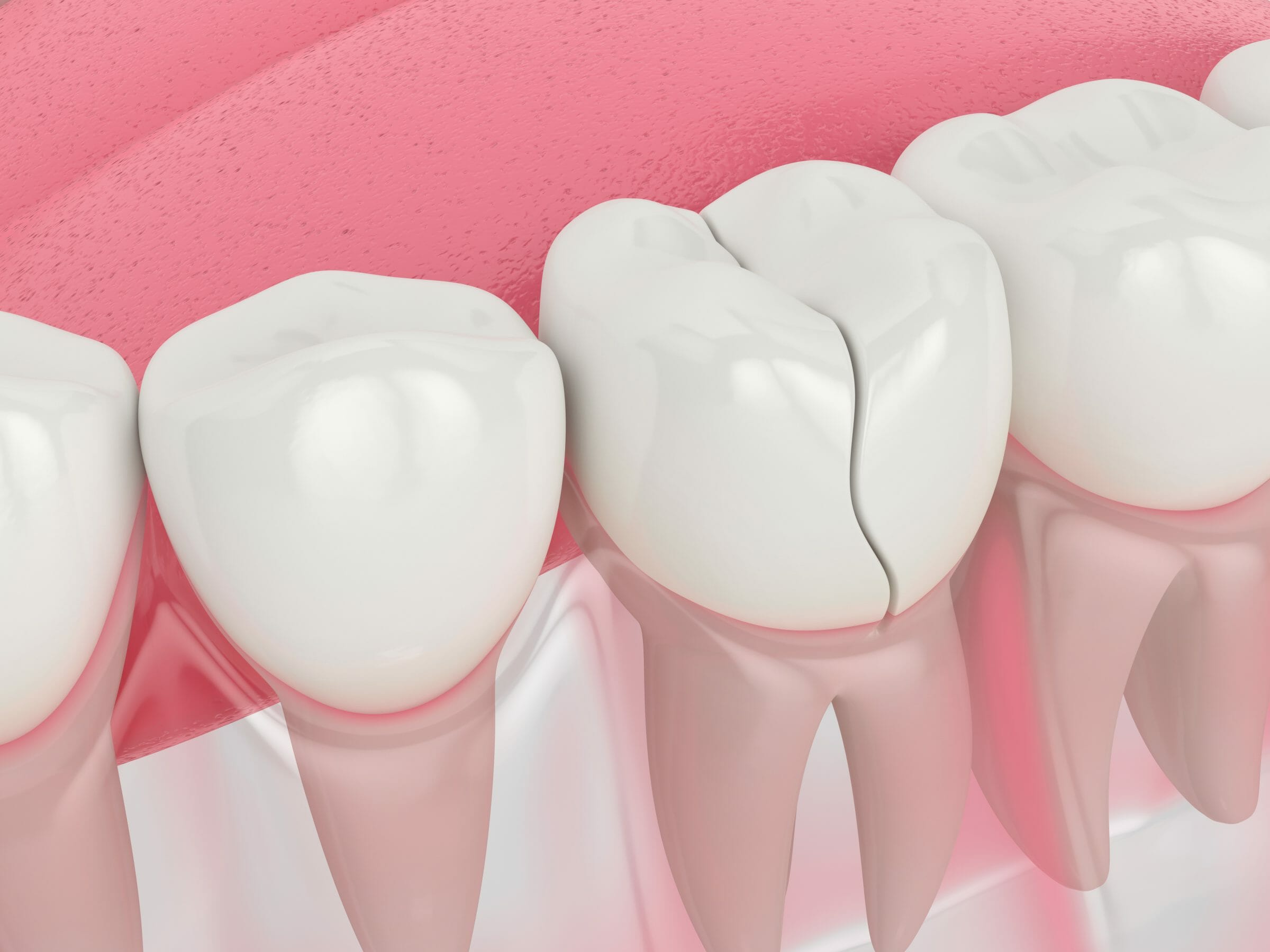
Teeth are not fixable when the crack extends below the gum line into the root, when the tooth splits into two separate pieces, or when infection has destroyed too much bone around the root. In these cases, the tooth usually needs to be extracted.
A vertical root fracture, where the crack starts below the gum line and moves upward, is one of the hardest types to save. According to the Cleveland Clinic, this type of fracture may not cause symptoms until the pulp becomes infected. By that point, extraction is often the only option.
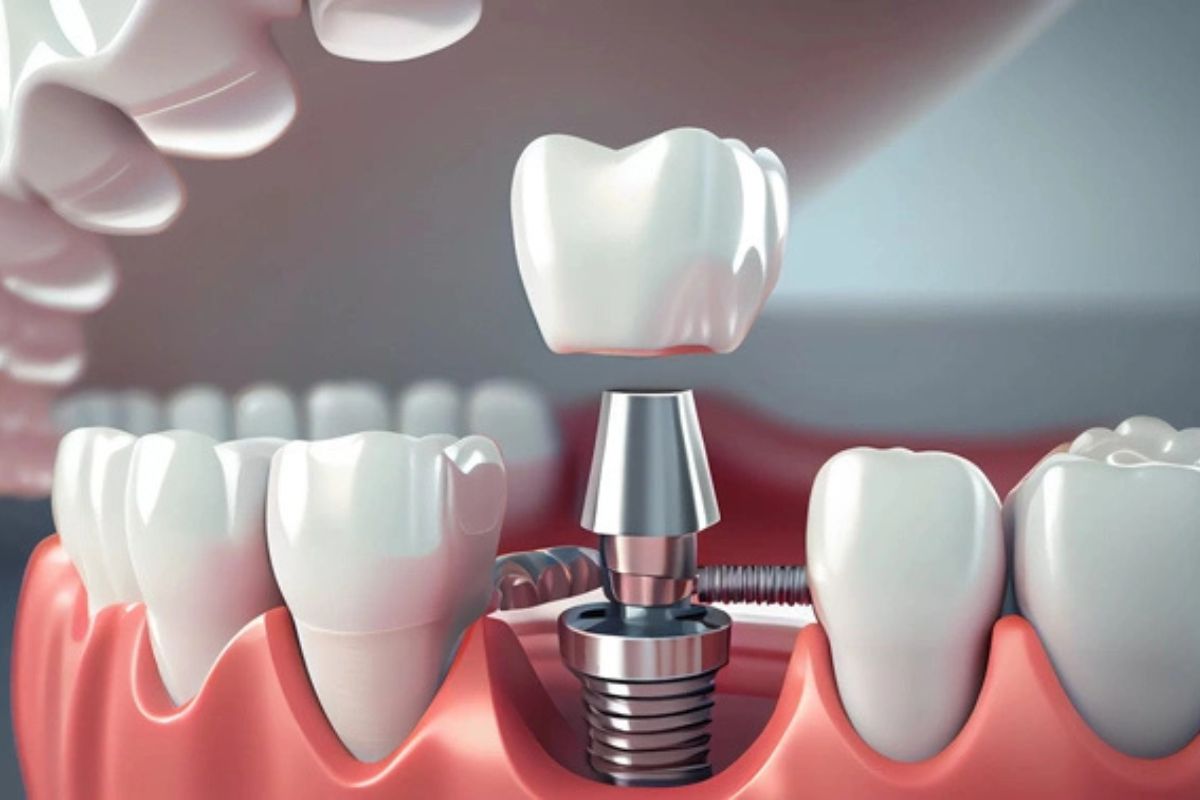
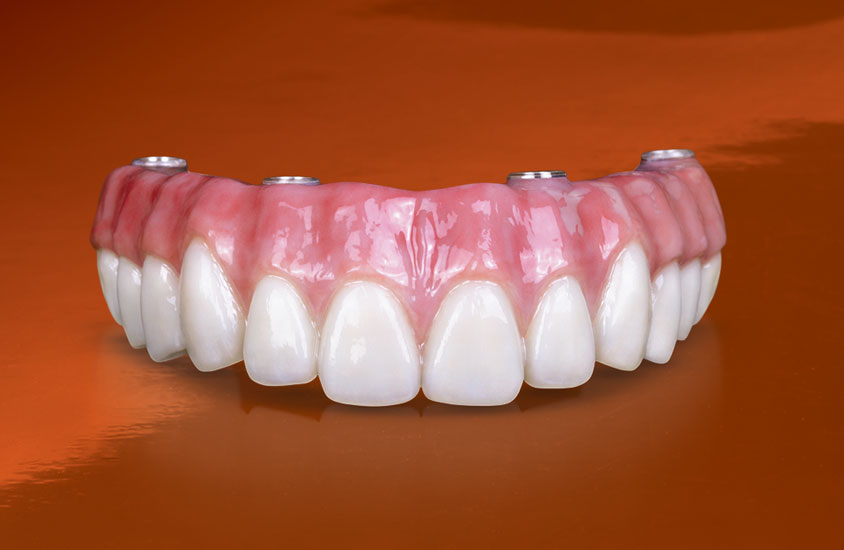
After an extraction, the missing tooth can be replaced with a dental implant, a dental bridge, or a denture to restore your smile and chewing ability.
Is a Chipped Tooth Technically a Broken Bone?
No, a chipped tooth is not technically a broken bone. Teeth and bones are made of different materials. Bones are living tissue that can heal and regenerate. Teeth cannot. Once enamel chips or cracks, your body cannot grow it back.
Tooth enamel is made of about 96% hydroxyapatite, a crystalline mineral. Bone contains roughly 70% hydroxyapatite, according to dental science research. The higher mineral content makes enamel harder than bone, but also more brittle. That is why a tooth can chip from biting something hard, even though you may have never broken a bone in your life.
This also explains why professional repair is so important. A broken bone will knit itself back together over time. A chipped tooth will not. Only a dentist can restore it.
What Causes Teeth to Chip or Crack?
Teeth chip or crack because of biting on hard objects, facial injuries, teeth grinding, large old fillings that weaken the tooth, and age-related wear. According to a 2015 article published in the European Journal of Dentistry, the lower molars are the most common teeth to break because their pointed cusps grind into the grooves of the upper molars with strong force.
Everyday habits play a big role too. Chewing ice, biting your nails, using your teeth to open packages, and eating hard candy all put teeth at risk. Acid reflux (GERD) can erode enamel over time, making teeth weaker and more likely to chip. The Cleveland Clinic notes that people over age 50 are more likely to chip a tooth because enamel naturally thins with age.
Stress is another major factor. The ADA reported that 71% of dentists surveyed during the pandemic saw increased teeth grinding and clenching among patients. Grinding can wear down enamel and create micro-cracks that eventually lead to a visible chip or fracture.
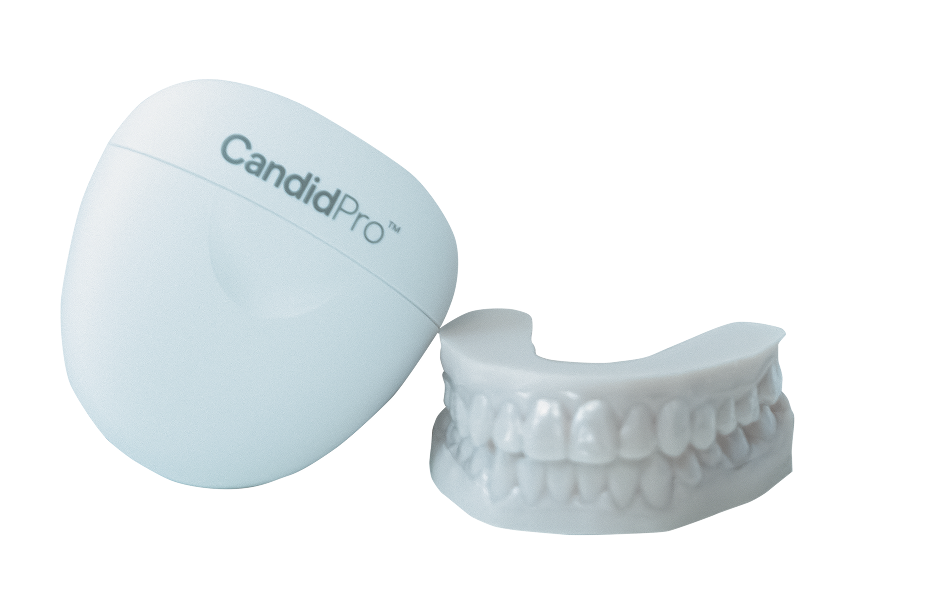
Wearing a custom night guard can protect teeth from grinding damage. Professional teeth cleanings also help spot early signs of enamel wear before it becomes a bigger problem.
Chipped Tooth Repair Options Compared
Here is a side-by-side look at the most common treatments for a chipped or cracked tooth, along with how long each one lasts and when it is typically used.
TreatmentBest ForAverage LifespanNumber of VisitsPolishing / SmoothingVery small chips with no painPermanent (removes rough edge)1Dental BondingSmall to medium chips on front teeth3 to 10 years1Porcelain VeneerChipped front teeth needing a cosmetic fix10 to 20 years2Dental CrownLarge chips, cracks, or weakened teeth5 to 15+ years2 (or 1 with same-day technology)Root Canal + CrownCracks that reach the nerve/pulp10 to 15+ years (for the crown)2 to 3Extraction + ImplantTeeth that cannot be saved20+ years (for the implant)Multiple over several months
Sources: Cleveland Clinic, American Association of Endodontists, Journal of Prosthetic Dentistry, Journal of Clinical Medicine (2021 systematic review).
Every case is different. A dentist in Hialeah, FL will examine the tooth, possibly take X-rays, and then recommend the treatment that gives the best long-term result for your specific situation.
How Does a Dentist Fix a Small Chip?
A dentist fixes a small chip by either smoothing the rough edge or applying dental bonding. If the chip is tiny and only affects the outer enamel, polishing may be all that is needed. The dentist gently files and smooths the area so it blends with the rest of the tooth.
For slightly larger chips, bonding is the go-to option. The dentist roughens the tooth surface with a conditioning gel, applies an adhesive, and then layers on tooth-colored composite resin. The resin is shaped to match your natural tooth and then hardened with a UV light. The result looks and feels like a real tooth.
Bonding is one of the least invasive dental treatments available. It usually takes just one visit and does not require anesthesia for most patients. For Hialeah families who want a quick, comfortable fix, bonding at a cosmetic dentistry practice is a smart choice.
Do You Need a Root Canal for a Cracked Tooth?
You need a root canal for a cracked tooth when the crack extends into the pulp, which is the soft tissue inside the tooth that holds nerves and blood vessels. The American Association of Endodontists explains that when the pulp is damaged or infected, a root canal removes the infected tissue and seals the tooth to prevent further problems.
Not every cracked tooth needs a root canal. Craze lines and small cracks that stay in the enamel usually do not. A fractured cusp, where a piece breaks off around a filling, also may not need one. But if you feel sharp, lingering pain or the tooth is very sensitive to temperature, those are signs the pulp may be involved.
After a root canal, the tooth is usually fitted with a crown to protect it and restore its strength. Patients in Hialeah who are worried about a cracked tooth can learn more about root canal therapy and what to expect during the procedure.
Can You Prevent a Chipped or Cracked Tooth?
Yes, you can prevent a chipped or cracked tooth in many cases by avoiding risky habits and protecting your teeth. Here are the most effective steps you can take.
Wear a mouthguard during contact sports. The American Dental Association strongly recommends custom-fitted mouthguards for anyone who plays basketball, football, hockey, soccer, or other activities with a risk of facial impact.
If you grind your teeth at night, ask your dentist about a night guard. Grinding is one of the top causes of cracked teeth, and a guard absorbs the force so your teeth do not have to.
Avoid chewing on ice, hard candy, popcorn kernels, and other hard objects. Do not use your teeth to open bottles, tear packages, or hold objects. These habits may seem harmless, but they put your enamel at risk every time.
Keep up with regular dental exams and professional teeth cleanings in Hialeah. Your dentist can spot weakened areas, worn enamel, and old fillings that may be ready to crack before a problem starts. According to the CDC, only about 63% of adults aged 18 to 64 visited a dentist in the past year. That means a large number of people are missing the chance to catch problems early.
Frequently Asked Questions
How Much Do Dentists Charge for a Chipped Tooth in Hialeah?
Dentists charge for a chipped tooth based on the type of treatment needed. A simple smoothing or bonding procedure will be far less than a crown or veneer. Every case is different, so the best way to get an accurate number is to schedule an exam. Many Hialeah dental offices offer free or low-cost consultations and work with insurance to keep costs manageable.
Can I Get a Chipped Tooth Fixed for Free?
Getting a chipped tooth fixed for free is possible in some cases. Community health centers, dental schools, and some nonprofit programs offer reduced-cost or free dental care. If you have dental insurance, your plan may cover most or all of the cost of restorative treatments. Patients in the Hialeah area can also look into payment plans and financing to spread the cost over time.
How Quickly Should I See a Dentist for a Chipped Tooth in Hialeah, FL?
You should see a dentist for a chipped tooth as soon as possible, ideally within 24 to 48 hours. If the tooth is knocked out completely, try to see a dentist within 30 minutes. The sooner you get treatment, the better the chance of saving the tooth and avoiding infection. Many dental practices in Hialeah, Florida welcome emergency patients and can fit you in quickly.
Does a Chipped Tooth Hurt?
A chipped tooth does not always hurt. Small chips that only affect the enamel may cause no pain at all. Larger chips that expose the dentin or pulp can cause sensitivity to hot, cold, and sweet foods, as well as pain when biting down. According to the Cleveland Clinic, the deeper the damage goes, the more likely you are to feel discomfort.
Are Chipped Teeth Common in Children?
Yes, chipped teeth are common in children. A European study published in a pediatric dental trauma review found that 15% of preschoolers and 20% to 25% of school-age children have experienced dental trauma. Falls, sports injuries, and playground accidents are the most frequent causes. Families in Hialeah should have their child see a dentist right away after any tooth injury, even to a baby tooth, because damage to primary teeth can affect the permanent teeth growing underneath.
What Happens if a Chipped Tooth Gets Infected?
If a chipped tooth gets infected, bacteria enter the pulp and can form an abscess. Symptoms include throbbing pain, swelling, fever, and a bad taste in the mouth. According to the American Association of Endodontists, untreated tooth infections can spread to the jaw, face, and neck. Treatment usually involves a root canal or extraction, along with antibiotics. Acting fast is the best way to prevent an infection from getting serious.
Can Tooth-Colored Fillings Repair a Chipped Tooth?
Yes, tooth-colored fillings can repair a chipped tooth when the chip is small. The composite resin material used in modern fillings matches the color of your natural teeth, so the repair blends in. For chips on back teeth or areas that are not very visible, a filling may be all you need. Your Hialeah dentist will let you know if a filling is the right option or if a stronger restoration like a crown is a better fit.
Final Thoughts
A chipped or cracked tooth is not something to ignore. Whether the damage is a tiny surface chip or a deep crack that causes pain, there is a proven treatment to fix it. Dental bonding, veneers, crowns, and root canals all have strong success rates backed by years of clinical research. The most important thing you can do is act quickly. Early treatment saves more of the tooth, costs less, and prevents painful infections.
If you or a family member in Hialeah, Florida has a chipped or cracked tooth, Castellanos Dental Aesthetics is here to help. With over 25 years of experience serving the West Hialeah community, the team provides expert restorative dentistry with a patient-first approach. Call 305-820-4080 or visit the contact page to schedule your appointment today. Your smile deserves fast, trusted care.
.png)
.png)

.png)


.png)

.png)
.png)
.png)
.png)

.png)
.png)
.svg)


