.png)
.svg)
.png)

How Often Should You Get Your Teeth Cleaned?
.png)
.png)
You should get your teeth cleaned every six months, or twice a year, for the best oral health. The American Dental Association (ADA) recommends visiting a dentist "regularly" for a professional cleaning, and for most people, every six months is the right schedule. However, some people need cleanings every three to four months, especially if they have gum disease, diabetes, or a history of frequent cavities. According to the CDC, only about 64% of U.S. adults aged 18 to 64 had a dental visit in the past year. That means more than a third of Americans are falling behind on their dental care. This article covers how often you really need a teeth cleaning, what happens during one, what happens if you skip them, and who might need to go more often, with tips for families in Hialeah, Florida, and across South Florida.
How Often Should You Get Your Teeth Professionally Cleaned?
You should get your teeth professionally cleaned every six months. This has been the gold standard in dental care for decades, and it works well for the majority of people. During those six months, plaque and tartar naturally build up on your teeth, even if you brush and floss every day. Only a dental professional with specialized tools can remove hardened tartar. According to the ADA, only 50% of Americans visit the dentist twice a year as recommended.
Hialeah, Florida families who keep up with this twice-a-year schedule give their dentist the chance to catch small problems early, before they turn into big, painful, and expensive ones. A professional teeth cleaning is one of the simplest and most effective ways to protect your smile for life.
Is Dental Cleaning Once a Year Enough?
Dental cleaning once a year may be enough for some people, but it is not enough for most. If you have no history of cavities, no gum disease, no chronic health conditions, and excellent home care habits, once a year might be acceptable. But for the average person, twice a year is safer. According to a Healthline review of available research, there is limited long-term data comparing once-a-year cleanings to twice-a-year cleanings, but the dental community widely agrees that six-month intervals offer the best protection against tartar buildup, cavities, and gum disease.
The plaque maturation cycle is a key reason why. Dental plaque starts forming on your teeth almost immediately after a cleaning. Within about 90 days, the bacteria in that plaque can mature into more harmful types that attack your gums and bone. Waiting a full 12 months between cleanings gives those bacteria plenty of time to cause damage. For residents of West Hialeah and surrounding areas, keeping a six-month cleaning schedule at a trusted practice helps stay ahead of this cycle.
What Happens if You Skip Dental Cleanings?
If you skip dental cleanings, plaque hardens into tartar, bacteria multiply, and your risk of cavities, gum disease, and tooth loss goes up significantly. According to the CDC, nearly 46% of U.S. adults have some form of gum disease. The CDC also reports that about 26% of adults aged 20 to 44 have untreated dental cavities. These numbers are directly tied to missed and delayed dental visits.
Skipping cleanings also means your dentist cannot catch problems early. A tiny cavity that could be fixed with a simple tooth-colored filling can grow into a deep infection that needs a root canal or extraction. According to ADA data from 2022, 46% of Americans delay or skip dental care because of cost. But the irony is that avoiding the dentist now almost always leads to more expensive treatment later.
A ValuePenguin survey of more than 2,000 Americans found that 36% do not go to the dentist at least once a year. Among those with the lowest household incomes, that number jumps to 50%. South Florida families who have been putting off dental visits should know that the longer you wait, the more complex the treatment becomes. Getting back on track with regular cleanings is the fastest way to protect your teeth and your wallet.
How Long Does a Teeth Cleaning Take?
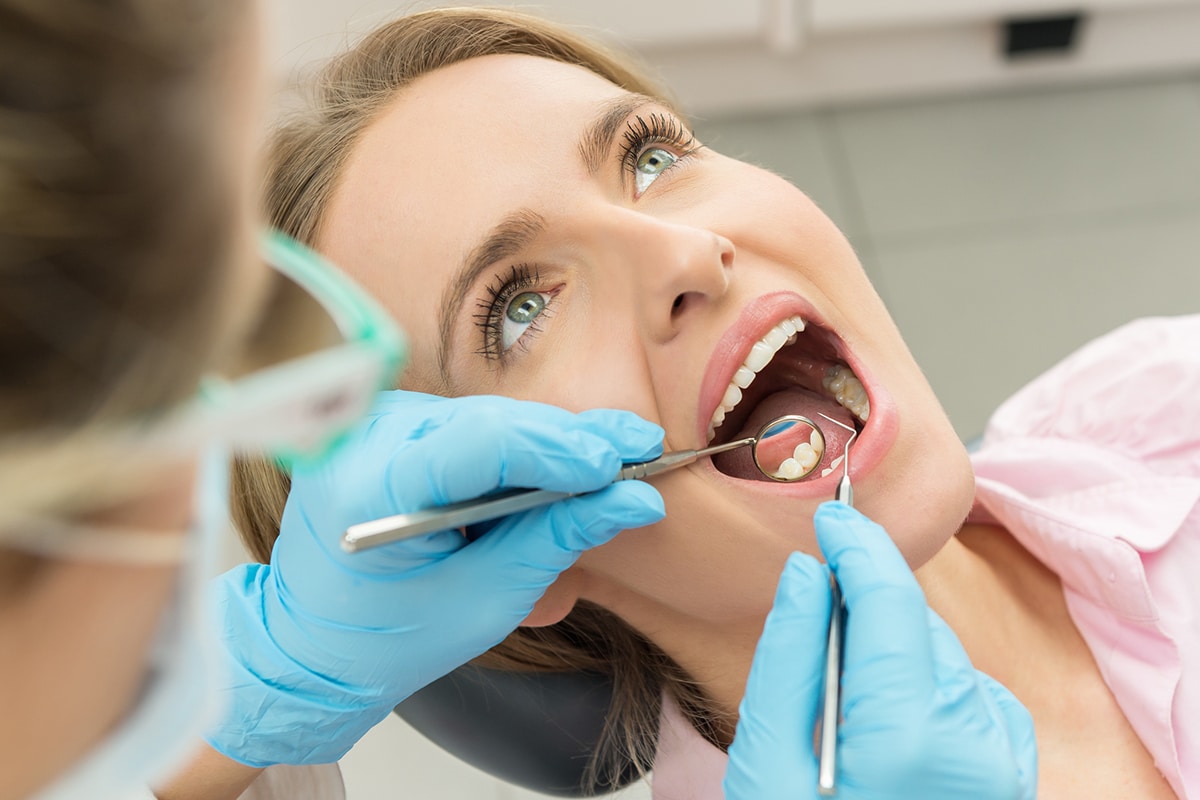
A teeth cleaning takes about 30 to 60 minutes for a standard visit. According to the Cleveland Clinic, most routine cleanings fall within this range. If you need a deeper cleaning because of tartar buildup below the gum line, the appointment may take longer and could require more than one visit.
A standard cleaning includes two main steps: scaling, which removes plaque and tartar from your teeth, and polishing, which smooths the tooth surfaces and removes surface stains. Your dentist may also apply a fluoride treatment to strengthen your enamel. For patients in Hialeah who visit every six months, routine cleanings are quick and straightforward. Patients who have gone years without a cleaning may need a more involved deep cleaning, also known as scaling and root planing, that addresses bacteria pockets below the gum line.
How Painful Is Teeth Cleaning?
Teeth cleaning is not painful for most people. A routine cleaning may cause mild pressure or sensitivity, but it should not hurt. You might hear scraping sounds during the scaling step, which can feel uncomfortable, but the process is gentle. According to the Cleveland Clinic, you may have slightly sensitive teeth or tender gums afterward, but this usually goes away within a day or two.
If you have a lot of tartar buildup or inflamed gums, the cleaning can be more uncomfortable. People who have not had a cleaning in a long time may notice more sensitivity than those who go regularly. This is another reason to keep up with your six-month schedule. Each visit gets easier as your gum health improves. Patients in West Hialeah who feel nervous about discomfort during a cleaning should talk to their general and family dentistry provider about ways to make the appointment more comfortable.
Who Needs Teeth Cleanings More Than Twice a Year?
People who need teeth cleanings more than twice a year include those with gum disease, diabetes, heart disease, a history of frequent cavities, a smoking habit, or a weakened immune system. Your dentist may recommend cleanings every three to four months if you fall into one of these groups. According to a 2025 scientific statement published in the American Heart Association journal Circulation, periodontal disease is associated with an increased risk of heart attack, stroke, atrial fibrillation, and heart failure. More frequent cleanings can help control the chronic inflammation that links gum disease to these serious conditions.
Research published in the journal Medicina (PMC) reports that as many as 75% of diabetics have periodontal disease. Keeping a tighter cleaning schedule helps manage gum health, which in turn can improve blood sugar control. Pregnant women are also more susceptible to gum disease due to hormonal changes and may benefit from an extra cleaning during pregnancy. For Hialeah residents with any of these risk factors, preventive dentistry visits every three months are a smart investment in long-term health.
What Is the Difference Between a Regular Cleaning and a Deep Cleaning?
The difference between a regular cleaning and a deep cleaning is that a regular cleaning removes plaque and tartar from above the gum line, while a deep cleaning goes below the gum line to treat bacteria pockets and smooth the tooth roots. A regular cleaning, called a prophylaxis, is preventive. A deep cleaning, called scaling and root planing, is a treatment for existing gum disease.
Your dentist will measure the pockets between your gums and teeth. Healthy pockets are 1 to 3 millimeters deep. If your pockets are 4 millimeters or deeper, it often means bacteria and tartar have gotten below the gum line and a deep cleaning is needed. According to the CDC, nearly 46% of U.S. adults have some form of periodontal disease, so deep cleaning is more common than many people realize. A deep cleaning may require local anesthesia and could take two or more appointments to complete.
South Florida patients who have been told they need a deep cleaning should not be alarmed. It is a routine procedure that stops gum disease from progressing and can save you from tooth loss down the road. Practices experienced in root canal therapy and other restorative procedures know that preventing gum disease with timely cleanings is always better than treating the damage after it happens.
Why Are Dentists Pushing Deep Cleaning?
Dentists push deep cleaning because gum disease is extremely common and a deep cleaning is the proven way to stop it from getting worse. It is not an upsell. It is a clinical response to measurable signs of disease in your mouth. When your dentist measures pocket depths of 4 millimeters or more and finds tartar below the gum line, a regular cleaning is simply not enough to address the problem.
According to data reviewed by the American Academy of Periodontology, untreated gum disease can lead to bone loss, tooth loss, and has been linked to higher risks of heart disease, stroke, and diabetes complications. A 2025 American Heart Association scientific statement published in Circulation confirmed that people with periodontal disease face an increased risk of major cardiovascular events. Northwestern Medicine reports that people with gum disease are two to three times more likely to have a serious cardiovascular event compared to those with healthy gums. Deep cleaning is the first line of defense against these outcomes.
Can I Clean My Teeth Well Enough at Home?
No, you cannot clean your teeth well enough at home to replace professional dental cleanings. Brushing and flossing are critical for daily maintenance, but they cannot remove hardened tartar. Once plaque hardens into tartar, which can happen in as little as 24 to 72 hours, only professional dental tools can take it off. According to the ADA, brushing twice a day and flossing once a day are recommended, but these habits work best alongside professional cleanings, not as a substitute.
Data cited by multiple dental health reports shows that 7 out of 10 Americans brush their teeth twice a day, but 23% admit to occasionally skipping brushing, and one-third of Americans never floss. Even for people with perfect brushing habits, professional cleanings reach areas that a toothbrush and floss simply cannot, like deep between teeth and below the gum line. Good home care reduces how much buildup you have at your next cleaning, but it does not eliminate the need for one. West Hialeah residents who pair a strong home routine with regular visits to a dental exam provider get the best results.
What Should I Do After a Teeth Cleaning?
After a teeth cleaning, you should avoid eating or drinking for about 30 minutes if a fluoride treatment was applied, so the fluoride has time to absorb into your enamel. You can resume normal brushing and flossing the same day. If your gums feel tender, warm salt water rinses can help soothe them.
After a deep cleaning, your dentist may recommend avoiding hard, crunchy, or spicy foods for a day or two while your gums heal. Over-the-counter pain relievers like ibuprofen can help with any soreness. The most important thing to do after any cleaning is to keep up with your daily home care routine: brush twice a day, floss once a day, and use mouthwash if recommended by your dentist. This keeps your teeth in the best possible shape between visits.
Does Teeth Cleaning Connect to Your Overall Health?
Yes, teeth cleaning connects directly to your overall health. A growing body of research shows that the health of your mouth affects the rest of your body. According to a 2025 American Heart Association scientific statement published in Circulation, gum disease is linked to a higher risk of heart attack, stroke, atrial fibrillation, and heart failure. The University of Utah Health reports a 30% higher chance of a heart attack in individuals with periodontal disease and up to a 2.5 times greater risk of stroke.
The American Journal of Medicine published a review confirming a well-established bidirectional relationship between diabetes and periodontal disease. People with diabetes are more likely to develop gum disease, and gum disease makes it harder to control blood sugar. Several randomized controlled trials have found that treating gum disease can improve glycemic control in diabetic patients. Regular teeth cleanings are one of the most effective ways to manage gum inflammation and protect both your oral and systemic health.
Families in Hialeah who prioritize oral cancer screenings alongside routine cleanings also benefit from early detection of abnormal tissue changes. Your dental visit is about much more than clean teeth. It is a checkup for your whole-body health.
Teeth Cleaning Frequency Based on Risk Level
How often you need a teeth cleaning depends on your individual risk level. The table below breaks down the recommended cleaning schedule based on common health factors.
Risk LevelWho This Applies ToRecommended Cleaning FrequencyLow RiskNo gum disease, no cavities, no chronic conditions, good home careEvery 6 months (twice a year)Moderate RiskHistory of cavities, mild gingivitis, smokers, pregnant womenEvery 4 to 6 monthsHigh RiskActive gum disease, diabetes, heart disease, weakened immune systemEvery 3 to 4 monthsPost-TreatmentRecently treated for periodontal disease or had deep cleaningEvery 3 months until stabilized
Sources: American Dental Association, Cleveland Clinic, American Heart Association (Circulation, 2025), American Academy of Periodontology, CDC.
Your dentist in Hialeah is the best person to evaluate your individual needs and create a cleaning schedule that keeps your mouth healthy. A personalized approach is always better than a one-size-fits-all rule. Patients who are unsure about their risk level can bring it up during their next dental services appointment.
What Is the Dentist 2 Year Rule?
The dentist 2 year rule refers to the common insurance guideline where many dental insurance plans require you to have been a patient for at least two years, or to have visited within the past two years, to qualify for certain major procedures at full coverage. It is not a clinical recommendation. From a health perspective, going two years without seeing a dentist is risky. According to the CDC, about 25% of adults aged 20 to 44 have untreated dental cavities, and these problems can develop quickly when regular visits are skipped.
If it has been two or more years since your last visit, your dentist may need to take new X-rays and do a thorough assessment before your cleaning. There may be more tartar buildup, and a deep cleaning might be needed. The important thing is to not let time keep you from going. The sooner you get back on track, the easier and less costly it will be. For South Florida patients looking for insurance and financing options to make dental visits affordable, there are flexible solutions available.
Should You Rinse After Brushing?
No, you should not rinse your mouth with water right after brushing. This may sound surprising, but rinsing immediately after brushing washes away the concentrated fluoride left on your teeth from your toothpaste. That fluoride needs time to sit on your enamel and strengthen it. Instead, spit out the excess toothpaste and leave the remaining residue on your teeth. If you use mouthwash, use it at a separate time, like after lunch, so it does not interfere with the fluoride from brushing.
According to the CDC, fluoridated water alone saves the U.S. about $6.5 billion annually in dental costs, and dental sealants prevent 80% of cavities on molars. Fluoride is one of the most powerful tools for cavity prevention. Maximizing your fluoride exposure through proper brushing habits, professional fluoride treatments, and not rinsing after brushing gives your teeth the best chance of staying strong and cavity-free.
What Are the Signs of Over-Brushing?
The signs of over-brushing include receding gums, tooth sensitivity, worn enamel, and bristles on your toothbrush that splay out quickly. Brushing too hard or using a stiff-bristled brush can actually damage your teeth and gums instead of helping them. Over time, aggressive brushing wears down the protective enamel layer, exposing the softer dentin underneath and making your teeth more sensitive to hot, cold, and sweet foods.
The ADA recommends using a soft-bristled toothbrush and brushing with gentle, short strokes rather than scrubbing back and forth. Brush for two minutes, twice a day. If your toothbrush looks worn out after just a few weeks, you are pressing too hard. Hialeah families can ask their dentist to demonstrate proper brushing technique at their next visit. Good brushing is about technique, not force.
Frequently Asked Questions
How Often Do Hialeah Residents Need a Teeth Cleaning?
Hialeah residents need a teeth cleaning at least twice a year, or every six months, just like the national recommendation from the ADA. However, patients with gum disease, diabetes, or other risk factors may need cleanings every three to four months. Your Hialeah dentist will evaluate your mouth and recommend the right schedule for you.
Does Insurance Cover Two Cleanings a Year?
Yes, most dental insurance plans cover two cleanings per year as part of preventive care. According to data cited by Forbes, over 79% of American adults have some form of dental coverage, and preventive visits like cleanings are typically covered at 100% or with a small copay. If you need more than two cleanings a year, check with your insurance provider to see if additional visits are covered with a doctor's recommendation.
Can Children Get Their Teeth Cleaned at the Same Office as Adults?
Yes, children can get their teeth cleaned at the same office as adults when the practice offers family dentistry. According to CDC data, 86.9% of children aged 2 to 17 had a dental visit in the past year. Hialeah families who want to keep all their appointments in one place benefit from choosing a practice that serves both children and adults under one roof.
Is Mouthwash a Good Alternative to Professional Cleaning?
No, mouthwash is not a good alternative to professional cleaning. Mouthwash can help reduce bacteria and freshen breath, but it cannot remove tartar or reach below the gum line the way professional tools can. Mouthwash is a helpful addition to your daily routine, not a replacement for visits to your dentist. Use it as one piece of your overall oral care plan.
Do Dental Cleanings Help Prevent Oral Cancer?
Dental cleanings help prevent oral cancer by giving your dentist the chance to screen for early signs of abnormal tissue at every visit. According to the American Cancer Society, about 45,000 Americans are diagnosed with oral and pharyngeal cancer each year. Early detection during routine dental visits dramatically improves outcomes. Hialeah patients who keep up with their cleanings benefit from regular screenings that can catch problems early.
What If I Have Not Had a Cleaning in Years?
If you have not had a cleaning in years, the best thing to do is schedule one now. Your dentist will not judge you. They will assess your current oral health, take updated X-rays, and create a treatment plan based on what your mouth needs today. You may need a deep cleaning to address built-up tartar, but that is a routine procedure. Many patients in the Hialeah area return to dental care after a long break and are relieved to find that modern dentistry is much more comfortable than they expected.
Are Dental Sealants Worth It for Kids in Hialeah?
Yes, dental sealants are absolutely worth it for kids in Hialeah. According to the CDC, dental sealants prevent 80% of cavities on the chewing surfaces of molars. Over 50% of children aged 6 to 8 have already had a cavity in their baby teeth. Sealants are a quick, painless, and highly effective way to protect your child's teeth between cleanings.
Final Thoughts
Getting your teeth cleaned every six months is one of the easiest and most important things you can do for your health. It prevents cavities, stops gum disease before it starts, and gives your dentist the chance to catch problems early, when they are small and simple to fix. For people with higher risk factors like diabetes, gum disease, or heart conditions, more frequent cleanings every three to four months can provide even better protection. The data from the ADA, CDC, American Heart Association, and Cleveland Clinic all point to the same conclusion: regular professional cleanings save your teeth, your money, and potentially your life.
If you or your family are due for a cleaning, or if it has been a while since your last visit, do not wait any longer. Castellanos Dental Aesthetics in Hialeah, Florida, has been helping South Florida families keep their smiles healthy since 1998. With over 25 years of experience, personalized care, and a commitment to making every patient feel comfortable, the team is ready to welcome you. Call 305-820-4080 or request an appointment today to schedule your next professional teeth cleaning and take the first step toward a healthier smile.
.png)
.png)

.png)


.png)
.png)
.png)
.png)
.png)

.png)
.png)
.svg)


