.png)
.svg)
.png)

How Long Porcelain Dental Implants Last?
.png)
.png)
Porcelain dental implants last 10 to 15 years for the crown portion, while the titanium post anchored in your jawbone can last 20 to 30 years or a lifetime with proper care. The two parts of an implant wear at very different rates, and understanding this difference is what helps patients get the most out of their investment. This article covers exactly how long each component lasts, what affects their lifespan, how porcelain compares to other crown materials, and what you can do to make your implant last as long as possible.
How Long Do Porcelain Dental Implants Last?
Porcelain dental implants last a long time, but the answer depends on which part of the implant you are asking about. A dental implant is not a single piece. It has three parts: the titanium post that goes into the jawbone, the abutment connector in the middle, and the visible crown on top. Each one has a different lifespan, and the porcelain crown is the part that wears out first.
The porcelain crown typically lasts 10 to 15 years. Research published in Clinical Oral Implants Research found that all-ceramic porcelain crowns have 5-year survival rates of approximately 90 to 95%. A study by Pjetursson et al. showed that all-ceramic crowns have a 5-year survival rate of 93.3% and a 10-year survival rate of 82 to 91%. This means the majority of porcelain crowns are still doing their job a decade after placement, but wear and physical stress accumulate over time.
The titanium post tells a very different story. A large-scale cohort study published in the Journal of Periodontology tracked over 10,800 implants in more than 4,200 patients for up to 22 years and found cumulative survival rates of 98.5% at 5 years, 96.8% at 10 years, and 94% at 15 years. Even at the 20-year mark, a meta-analysis published in Clinical Oral Investigations found that 4 out of 5 implant posts were still successful, reflecting the remarkable durability of the titanium root. You can explore a deeper breakdown of what affects these numbers in our article on how long dental implants last.
At our practice, we explain this clearly from the start. The post is built to last. The crown is built to look perfect for well over a decade, and when it eventually needs refreshing, replacing it is far simpler than starting over from scratch. If you are still deciding whether an implant is right for you, our dental implants page walks through the full process from evaluation to final restoration.
What Happens After 20 Years of Dental Implants?
After 20 years of dental implants, the titanium post is typically still stable and fully fused with the jawbone through a process called osseointegration. The crown placed on top may have already been replaced once, but the post itself continues to preserve bone and support normal function. According to Clinical Oral Investigations, about 4 in 5 implant posts remain successful at the 20-year mark, making them one of the most durable medical devices in modern dentistry.
The American Academy of Implant Dentistry (AAID) notes that implant surgery is one of the safest and most predictable procedures in dentistry, and that implants are becoming the preferred tooth-replacement option as more long-term data continues to support their effectiveness. With proper maintenance, many patients keep their original post for 25 years or more, with documented cases extending up to 40 years.
Is It Worth Getting Dental Implants at 70 Years Old?
Yes, it is absolutely worth getting dental implants at 70 years old. Age is not a barrier to implant success. What matters is bone density and overall oral health, not the number of years you have lived. Studies confirm that healthy older adults achieve osseointegration and long-term implant success at rates comparable to younger patients. A properly placed implant in a 70-year-old with good bone density can last 15 to 20 years or longer, meaning it will serve that patient comfortably for the rest of their life in most cases.
At least 69% of American adults between the ages of 35 and 44 have lost at least one permanent tooth, according to data from Grove City Smiles citing national dental research. By age 74, roughly one in four American adults has lost all of their teeth. This means that for many patients in their 70s, implants are not just a cosmetic choice. They are a fundamental quality-of-life decision that affects how comfortably they eat, speak, and feel.
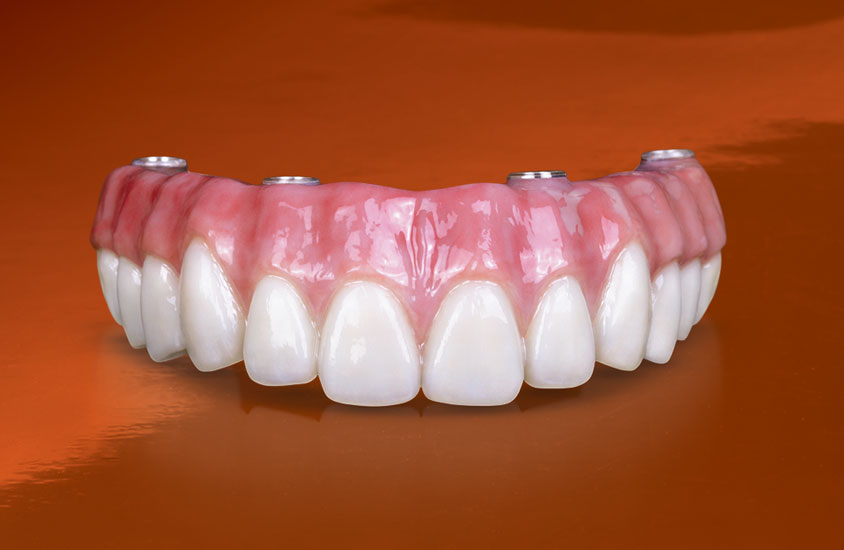
Which Is Better for Longevity: Porcelain or Ceramic Implants?
Porcelain and ceramic are terms that are often used interchangeably when describing dental crowns, so the comparison mostly comes down to the specific type of ceramic material used. Traditional all-porcelain crowns and newer zirconia crowns, which are also technically ceramic, behave differently. Understanding the difference matters when you are choosing a crown for your implant.
Traditional porcelain crowns offer excellent aesthetics, closely mimicking the translucency of natural tooth enamel. Their 10-year survival rate is around 82 to 91% based on the Pjetursson systematic review. All-ceramic zirconia crowns are significantly stronger. Research shows zirconia crowns can last 15 to 20 years or longer in many patients, approaching the durability of metal crowns while still looking completely natural. The American Dental Association (ADA) recognizes zirconia as one of the most durable all-ceramic materials available in dentistry today.
The honest answer: if you want the longest-lasting aesthetic crown on your implant, zirconia is the stronger choice. If you are replacing a front tooth where natural color matching is critical and bite forces are lower, traditional porcelain performs beautifully and lasts well past a decade. We help patients weigh these options during their consultation based on where the tooth is located and how they use it.
Which Lasts Longer: Zirconia or Porcelain Implants?
Zirconia lasts longer than traditional porcelain for implant crowns. Zirconia is made from zirconium dioxide, a crystalline material known for exceptional strength, and some studies suggest it can last 15 to 20 years or more before needing replacement. Traditional all-porcelain crowns typically last 10 to 15 years and show a 10-year survival rate of about 82 to 91%, making zirconia the more durable option for back teeth where chewing forces are highest.
That said, both options outlast alternatives like porcelain-fused-to-metal (PFM) crowns in terms of aesthetic durability. PFM crowns have a 10-year survival rate of around 90%, but the porcelain veneer on top can chip over time, especially in patients who grind their teeth. Pure zirconia has no such porcelain layer, which removes that specific failure point entirely.
What Can Be Done Instead of a Dental Implant?
The main alternatives to a dental implant are a dental bridge and dentures. Each option replaces missing teeth in a different way, and each comes with a different lifespan and a different impact on the rest of your mouth.
A dental bridge uses the teeth on either side of the gap as anchors, with a false tooth suspended in between. Bridges typically last 7 to 15 years according to the American Dental Association, making them shorter-lived than implant posts. They also require permanently reshaping two healthy neighboring teeth to accept the anchor crowns, which is an irreversible step. Research shows that about 30% of teeth supporting bridges can develop complications within 5 to 7 years, potentially requiring additional treatment.
Dentures are removable and replace multiple or all teeth at once. Full and partial dentures are the most affordable tooth replacement option upfront, but they do not preserve jawbone, they can shift over time, and most require refitting or replacement every 5 to 10 years as the jaw changes shape beneath them.
The key distinction with implants is that they are the only tooth replacement option that actually integrates with the jawbone. This means they preserve the bone that would otherwise shrink after a tooth is lost. Every other option sits on top of the bone without stimulating it, allowing gradual bone loss to continue.
Do People Regret Dental Implants?
The vast majority of patients do not regret dental implants. Patient satisfaction studies consistently show high approval rates, largely because implants look, feel, and function like natural teeth in a way that no other tooth replacement option fully replicates. The most common regrets reported involve wishing they had gotten implants sooner instead of trying other options first, or delays caused by not acting before bone loss made the procedure more complex.
The patients who experience the most disappointment are typically those who were not fully informed about the process before starting, particularly about the healing timeline. Osseointegration, the process of the titanium post fusing with the jawbone, takes 3 to 6 months. Patients who expected the process to be faster sometimes feel frustrated mid-treatment. Having a clear picture from the start makes the entire experience far smoother.
What I Wish I Knew Before Dental Implants
Most patients wish they had known a few key things before getting dental implants. First, the titanium post and the porcelain crown are separate components with separate lifespans. The post is very likely to outlast the crown, which means planning to replace the crown at some point in the future is normal, not a sign that something went wrong.
Second, the healing period is real. The 3 to 6 months between post placement and final crown placement is not something that can be rushed. Bone needs time to integrate fully around the titanium for the implant to have a stable foundation. Third, oral hygiene around an implant matters just as much as it did for your natural tooth. Peri-implantitis, a bacterial infection around the implant site, affects about 7.1% of patients at 8 to 10 years post-placement according to research cited in long-term implant studies. It is entirely preventable with good brushing, flossing, and regular professional cleanings.
Implant ComponentMaterialAverage Lifespan10-Year Survival RateTitanium PostTitanium20–30 years / lifetime96.8% (Journal of Periodontology)Porcelain Crown (all-ceramic)Porcelain / Ceramic10–15 years82–91% (Pjetursson et al., Clin Oral Implants Res)Zirconia CrownZirconium Dioxide15–20+ yearsComparable to metal crownsPorcelain-Fused-to-Metal (PFM) CrownMetal core + porcelain10–15 years~90% (clinical studies)Dental Bridge (comparison)Porcelain / ceramic7–15 yearsLower; anchoring teeth at risk
Sources: Journal of Periodontology (22-year cohort study); Pjetursson et al., Clinical Oral Implants Research; Clinical Oral Investigations 20-year meta-analysis; American Dental Association bridge longevity data.
What Is the Newest Type of Denture?
The newest type of denture gaining wide adoption is the implant-supported overdenture, sometimes called implant dentures or snap-in dentures. These are full or partial dentures that attach to titanium implant posts placed in the jawbone, rather than resting loosely on the gums. Because they snap onto implants, they are far more stable than traditional dentures and do not shift during eating or speaking. They also help preserve jawbone by providing the stimulation that a missing root can no longer deliver.
For patients who want full arch replacement with more stability than traditional dentures but find individual implants for every tooth impractical, implant-supported dentures offer a strong middle ground. A dental exam will show whether your bone density is sufficient to support the implant posts required for this type of restoration.
How Painful Is a Full Set of Dental Implants?
A full set of dental implants is not as painful as most people expect. During the procedure, local anesthesia ensures the area is fully numb, so patients feel pressure but not pain. The discomfort that follows in the days after surgery is typically described as similar to what you feel after a tooth extraction, manageable with over-the-counter pain medication in most cases.
The most significant discomfort tends to occur in the first 3 to 5 days after surgery. Swelling and soreness around the implant site are normal and peak during this window before gradually improving. By the end of the first week, most patients are back to their normal routine. Full-arch implant procedures naturally involve more sites and a longer recovery period than a single implant, but the principle is the same. Pain is manageable and temporary. The result is a permanent, stable set of teeth that function and look completely natural.
How Long Do You Go Without Teeth While Waiting for Dentures or Implants?
The time you spend without teeth while waiting for an implant or dentures depends on the type of restoration. For implants, most patients receive a temporary crown immediately after or shortly after the post is placed, so they are not walking around with a visible gap. The healing period for the post to fully integrate with the jawbone takes 3 to 6 months, but that happens beneath the surface while the temporary restoration keeps the smile intact.
For traditional dentures, the process varies. Immediate dentures can be placed the same day teeth are extracted, though they require adjustments as the gum tissue heals and changes shape. Custom-fitted dentures typically take 2 to 6 weeks from impressions to delivery. During this window, a temporary appliance is often used to maintain appearance and function.
Why Do Dentists Push for Crowns?
Dentists recommend dental crowns because they protect teeth that have become too damaged or weakened to function safely on their own. A crown is not a cosmetic upgrade. It is a structural fix. When decay has removed too much of a tooth, when a crack threatens to split the root, or when a root canal has left a tooth hollow and brittle, a crown restores the tooth to full function and prevents loss. Without a crown in these situations, the tooth often fractures and must be extracted entirely.
A summary review published in the Journal of Prosthetic Dentistry found that 95% of crowns remain functional for at least 5 years. More than 90% avoid any serious complications in that time frame. Recommending a crown at the right moment is a way of preserving a tooth rather than losing it, which is always the better long-term outcome.
Do All Dentists Use Porcelain or Ceramic Crowns?
No, not all dentists use only porcelain or ceramic crowns. The material recommended depends on where the tooth is located and what it needs to withstand. Porcelain and ceramic crowns are the most popular choice for front teeth and visible areas because of their natural appearance. For back teeth (molars and premolars) where bite forces are strongest, some dentists still recommend porcelain-fused-to-metal or zirconia crowns because of their superior durability under heavy chewing stress.
The shift in recent years has been strongly toward zirconia because it offers both the strength of metal and the appearance of porcelain in a single material. Many practices now default to zirconia for crowns in most locations, reserving traditional all-porcelain only for cases where precise color matching is the highest priority.
Does Dentists Still Use Porcelain Fused to Metal Crowns?
Yes, dentists still use porcelain fused to metal crowns, though their use has declined as zirconia has become more affordable and widely available. PFM crowns offer reliable durability. Studies show they have about a 90% survival rate at 10 years, and metal-ceramic crowns tracked in a long-term study showed an average functional lifespan approaching decades. The main drawback is that the porcelain layer can chip over time, and the metal edge can sometimes become visible at the gumline as gums recede with age. For patients who want the proven track record of a PFM crown, it remains a solid option. For patients who want no visible metal under any circumstances, zirconia is the better fit.
How Does Oral Hygiene Affect How Long Porcelain Implants Last?
Oral hygiene is the single biggest factor that determines how long your implant lasts after placement. The titanium post has no risk of cavities since it is not a natural tooth. But the gum and bone tissue surrounding it are very much at risk from bacteria. Peri-implantitis, a bacterial infection of the tissue around the implant, is the leading cause of implant failure after placement. Research cited in long-term implant studies shows it affects about 7.1% of patients at 8 to 10 years post-placement. The good news is that it is almost entirely preventable.
Brushing twice daily, flossing around the implant post, and coming in for regular professional cleanings are the three habits that protect the bone around your implant for decades. Research shows patients who receive professional cleanings every three months maintain optimal implant health compared to those who skip appointments. A thorough cleaning removes calculus buildup that home care cannot reach, which is the same buildup that invites bacterial infection to the implant site.
The porcelain crown itself can also chip or crack if oral hygiene is paired with habits like grinding teeth (bruxism) or biting hard objects. Patients who grind at night benefit from a nightguard that protects both the crown and the post from the mechanical forces that wearing down ceramics the fastest.
What Is the Best Option for Replacing All Your Teeth?
The best option for replacing all your teeth depends on your bone density, overall health, and what level of stability and permanence you are looking for. Implant-supported full-arch restorations are widely considered the gold standard because they preserve bone, stay fixed in place, and function the most like natural teeth. Traditional full dentures are a more accessible option for patients who are not candidates for implant surgery.
For patients missing multiple but not all teeth, a combination of implants and fixed bridges or implant-supported partial dentures can restore function across an entire arch without requiring an implant post at every individual tooth position. The right plan depends on the number and location of missing teeth, the condition of the remaining teeth, and what the jawbone can support. We walk every patient through these options in detail before any treatment begins.
Is 77 Too Old for Dental Implants?
No, 77 is not too old for dental implants. There is no maximum age limit for implant placement. The determining factors are bone density, gum health, and the absence of conditions that would interfere with healing, not age alone. Many patients in their 70s and 80s successfully receive implants and enjoy stable, comfortable tooth replacements for the rest of their lives.
Systemic conditions like uncontrolled diabetes or medications that affect bone density may require additional planning before proceeding, but these are manageable factors, not absolute barriers. A thorough evaluation, including bone scans and a full medical history review, gives us a clear picture of whether implants are the right choice for any patient, regardless of age. In the Hialeah area, we see patients of all ages making this investment in their oral health, and results for healthy older adults are consistently strong.
Frequently Asked Questions
What Happens to the Jawbone After Dental Implants?
The jawbone is preserved after dental implants because the titanium post mimics the stimulation of a natural tooth root. Every time you bite or chew, the post transmits force into the bone, signaling the body to keep building and maintaining bone tissue in that area. Without a tooth root or implant, the jawbone in a gap gradually shrinks through a process called resorption. This is why patients who wear traditional dentures for many years often notice their face changing shape over time. Implants stop this process entirely.
How Painful Is a Tooth Extraction on a Scale of 1 to 10?
A tooth extraction is typically a 2 to 4 out of 10 during the procedure because local anesthesia numbs the area completely. Patients feel pressure during the extraction but not pain. Post-procedure soreness over the following 2 to 3 days is usually a 3 to 5 out of 10 and is well-managed with over-the-counter medication in most straightforward extractions. More complex surgical extractions, such as impacted wisdom teeth, can involve more soreness in the days that follow. A tooth extraction performed with proper technique and aftercare instructions heals comfortably for the vast majority of patients.
Why Does It Take 2 Weeks to Make a Crown?
It takes approximately 2 weeks to make a crown because the fabrication process involves precise digital scanning or physical impressions of your tooth, followed by custom milling or hand-crafting by a dental laboratory technician. The lab must match the size, shape, and shade to your surrounding teeth exactly. This level of precision takes time. During the wait, a temporary crown protects the prepared tooth. Some practices now offer same-day crowns using chairside CAD/CAM milling technology, which cuts the wait to a single appointment.
What Is More Expensive: a Gold Crown or a Porcelain Crown?
Gold crowns and porcelain crowns are generally comparable in cost, though pricing varies by practice and location. Gold crowns are known for exceptional durability, a 96% survival rate at 10 years, and minimal wear on opposing teeth. They are often chosen for back molars where appearance is less important and bite strength is highest. Porcelain crowns and zirconia crowns tend to cost similarly to gold or slightly more in practices using advanced milling technology. The total value of any crown depends on how long it lasts, not just the upfront price.
What Is the Riskiest Dental Procedure?
Dental implant surgery involves the most procedural complexity of common dental treatments because it requires precise placement of a titanium post into the jawbone. However, its long-term success rate of 95 to 98% at 10 years makes it one of the most predictable and reliable procedures in modern dentistry. Root canal therapy and surgical tooth extractions also carry procedural considerations but are routinely performed safely. Overall, the dental procedures with the highest complication rates tend to involve patients with underlying conditions like uncontrolled diabetes, active gum disease, or inadequate bone density who were not fully evaluated before treatment began.
Putting It All Together
Porcelain dental implants are built in two layers with two very different lifespans. The crown on top, whether traditional porcelain or the stronger zirconia, typically needs replacing after 10 to 15 years. The titanium post anchored in your jawbone is built to last decades and often a lifetime, with clinical data showing survival rates above 94% at 15 years and around 92% at 20 years. Knowing this upfront helps you plan for long-term care rather than being surprised when a crown eventually needs refreshing.
Good oral hygiene, regular professional cleanings, and protecting your bite from grinding are the three factors that most determine how long your implant serves you. Everything else, the material, the placement technique, the restoration type, matters, but none of it replaces consistent daily care at home.
At Castellanos Dental, we take the time to walk every patient through what to expect from their implant, from placement through long-term maintenance. If you have questions about whether an implant is right for you or how to protect one you already have, we are glad to help.
.png)
.png)

.png)


.png)
.png)
.png)
.png)
.png)

.png)
.png)
.svg)


