.png)
.svg)
.png)

How Long Does Invisalign Take to Straighten Teeth?
.png)
.png)
Invisalign takes an average of 12 to 18 months to straighten teeth for most adults, according to the official Invisalign website. Some mild cases finish in as little as 6 months, while more complex cases can take up to 24 months. The exact timeline depends on the severity of your misalignment, how many hours per day you wear the aligners, and how closely you follow your treatment plan. This article covers everything that affects your Invisalign timeline, from the types of issues it can fix to tips for getting faster results.
How Long Does Invisalign Take for Most Adults?
Invisalign takes about 12 to 18 months for most adults. According to the Invisalign website, this is the average treatment time for adults with mild to moderate alignment issues. Adults with very minor crowding or small gaps may finish in as few as 6 months. Those with more severe bite problems may need 18 months or longer.
Data from Align Technology, the company behind Invisalign, shows that over 18 million people worldwide have used the system as of early 2025. More than 4.5 million of those patients are teenagers. The system's popularity keeps growing because it produces results faster than traditional braces in many cases. Families across Hialeah, Florida turn to clear aligners for a faster, more comfortable path to straighter teeth.
A study published in the American Journal of Orthodontics and Dentofacial Orthopedics found that patients treated with Invisalign and those treated with traditional braces achieved similar results in cases of simple malocclusion. The Invisalign website also states that results usually start showing within the first few months of treatment, giving patients visible progress early on.
What Factors Affect How Long Invisalign Takes?
The factors that affect how long Invisalign takes include the severity of misalignment, patient compliance with wear time, age, and the specific type of bite issue being treated. Each of these can add or subtract months from your total treatment time.
Severity of the problem is the biggest factor. According to Smith Dentalworks, mild crowding can be corrected in about 6 months, while cases involving both crowding and gaps typically take around 18 months. Small gaps can close in as little as 8 weeks with consistent wear.
Compliance with wear time is the factor you control the most. Invisalign recommends wearing aligners for 20 to 22 hours per day. The aligners only work when they are in your mouth. According to a clear aligner compliance guide from the American Dental Association, patients who wear their trays fewer than 20 hours per day experience slower results and may need extra sets of aligners.
Age also plays a role. A study cited by Healthline found that people aged 35 to 50 tend to see the most benefit from Invisalign because teeth move more actively during those years. Younger patients, like teens in the West Hialeah area, often respond quickly because their bones are still developing.
Type of bite issue matters too. Simple spacing or mild crowding is much faster to fix than an overbite, underbite, or crossbite. Severe bite issues may require additional tools like rubber bands or attachments, which can extend treatment but lead to better results.
Is Invisalign Faster Than Traditional Braces?
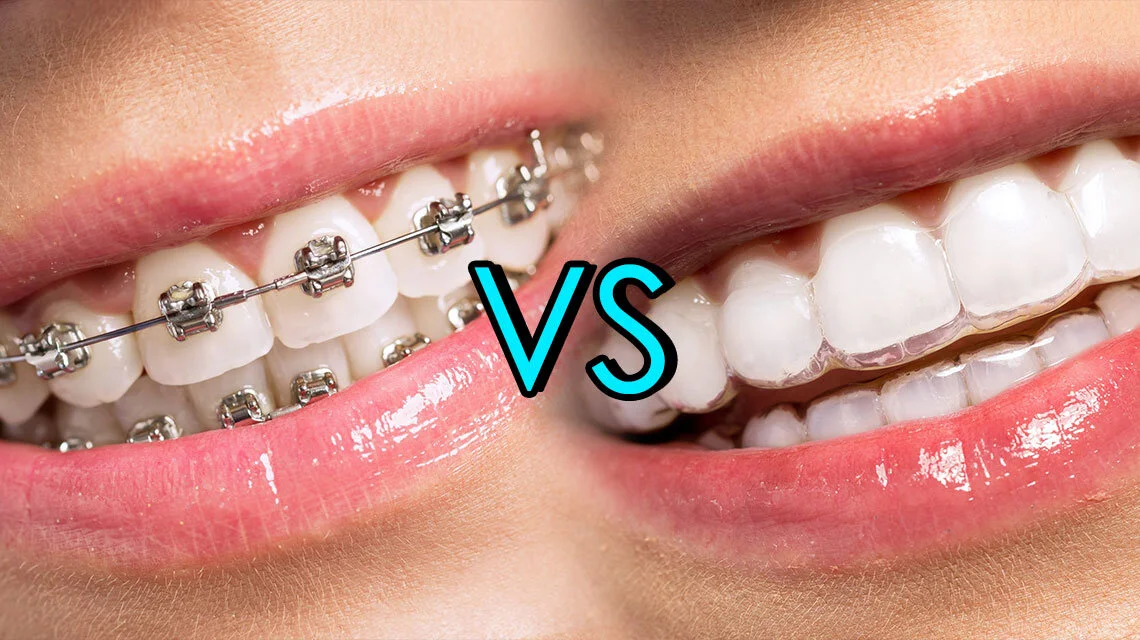
Yes, Invisalign is often faster than traditional braces for mild to moderate cases. According to the Dental Health Society, Invisalign treatment averages 12 to 18 months, while traditional metal braces typically take 18 to 24 months. The Invisalign website confirms that its treatment is faster than braces for many patients.
A survey published by the National Center for Biotechnology Information found that 95% of Invisalign users reported less pain and discomfort compared to traditional braces. A separate study in the Journal of Clinical Orthodontics reported a 96% patient satisfaction rate with Invisalign. These numbers help explain why clear aligners have become the preferred option for adults and teens across South Florida and the rest of the country.
However, for severe orthodontic problems like major bite issues or significant tooth rotation, traditional braces may actually be faster and more effective. This is why a thorough evaluation by your dentist or orthodontist is the best first step. Patients at Castellanos Dental's orthodontics practice get a full assessment to find the right treatment path.
FactorInvisalignTraditional BracesAverage Treatment Time12 to 18 months18 to 24 monthsBest ForMild to moderate misalignmentMild to severe misalignmentRemovableYes (for eating, brushing, flossing)No (fixed to teeth)Daily Wear Required20 to 22 hours24 hours (always on)VisibilityNearly invisibleVisible metal brackets and wiresPatient Satisfaction96% (Journal of Clinical Orthodontics)High, varies by study
Sources: Invisalign.com, Dental Health Society, National Center for Biotechnology Information, Journal of Clinical Orthodontics, American Journal of Orthodontics and Dentofacial Orthopedics
How Many Hours a Day Do You Need to Wear Invisalign?
You need to wear Invisalign for 20 to 22 hours a day to stay on track with your treatment plan. According to the official Invisalign guidelines, the aligners should only be removed for eating, drinking anything other than water, and brushing and flossing your teeth.
This "22-hour rule" is critical. A compliance analysis from a clear aligner study found that patients who consistently wore their aligners for 22 hours a day were far less likely to need extra trays or refinement rounds. Wearing them for fewer than 20 hours a day can cause the teeth to stop tracking correctly, which means the aligners no longer fit properly. This leads to delays, additional costs, and a longer treatment timeline.
The good news is that most patients get used to the routine quickly. After the first week or two, wearing the aligners feels natural. Patients in Hialeah who follow the wear schedule closely are often finished with treatment right on time, or even early.
How Often Do You Switch Invisalign Trays?
You switch Invisalign trays every one to two weeks, depending on your treatment plan. According to Choice Orthodontics, mild cases may need as few as 5 sets of aligners, while more complex cases can require up to 52 sets. Each new tray moves your teeth a tiny bit closer to their final positions.
Your dentist or orthodontist sets the exact tray-switching schedule based on how your teeth are responding. Regular checkups, typically every 6 to 8 weeks, help your provider monitor progress and make adjustments if needed. Sticking to the schedule is one of the best things you can do to keep your treatment on track. Never switch to a new tray early without your provider's approval, as this can cause pain and set back your progress.
Can Invisalign Fix Crowded Teeth?
Yes, Invisalign can fix crowded teeth. Mild cases of crowding can be corrected in about 6 months, while moderate crowding may take a year or more. According to Smith Dentalworks, crowding happens when the jaw is too small or the teeth are slightly larger than normal, causing them to overlap or push into each other.
Invisalign works well for crowding because the aligners gently push teeth apart and into their correct positions over time. The 3D imaging technology used to design the trays maps out every tooth movement in advance, so patients know exactly what to expect. Families across West Hialeah dealing with crowded teeth often find that adult orthodontics with clear aligners is the most comfortable path forward.
Can Invisalign Fix an Overbite or Underbite?
Yes, Invisalign can fix an overbite or underbite in many cases. According to Wilson Park Dental, Invisalign can treat bite problems like overbites and underbites using attachment points and elastic bands. However, very severe bite issues may still require traditional braces for the best outcome.
A 2017 study cited by multiple orthodontic sources found that Invisalign is effective for treating mild to moderate overbites. For patients in Hialeah, Florida with bite concerns, a consultation with an experienced provider is the best way to find out whether Invisalign can deliver the results you need, or if another option would be more effective.
What Happens If You Do Not Wear Invisalign Enough?
If you do not wear Invisalign enough, your teeth will not move as planned, and your treatment will take longer. According to Invisalign's official guidelines, wearing the aligners fewer than 20 hours per day can cause the trays to stop fitting correctly. This means your teeth are no longer tracking with the treatment plan.
A 2024 cross-sectional study found that over 72% of patients who received Invisalign required additional aligners after one year, and inconsistent wear was one of the contributing factors. When teeth do not receive enough continuous pressure, they can shift back toward their original positions. This may require new impressions, extra trays, and more time in treatment.
The bottom line: every hour the aligners are out adds up. Patients in the Hialeah area who commit to wearing their trays as prescribed get the best results in the shortest time. Regular checkups at your dental office help catch any tracking issues early.
Do You Have to Wear a Retainer After Invisalign?
Yes, you have to wear a retainer after Invisalign to keep your teeth in their new positions. According to Thrive Dental, you will need to wear your retainer for 22 hours a day for the first 3 to 6 months after treatment. After that, most patients switch to nighttime-only wear.
Teeth have a natural tendency to drift back to their original positions over time. Without a retainer, the results of your Invisalign treatment can gradually reverse. Most orthodontists recommend wearing a retainer at night indefinitely to protect your investment. Retainers are similar in look and feel to Invisalign trays but serve a different purpose: they hold teeth in place instead of moving them.
Patients in South Florida who complete their cosmetic dentistry journey with clear aligners should view retainer wear as the final, ongoing step to maintaining a beautiful smile for life.
Can Teens Use Invisalign?
Yes, teens can use Invisalign. Data from Align Technology shows that more than 4.5 million teenagers worldwide have been treated with the Invisalign system. Invisalign Teen includes special features like compliance indicators built into the aligners that fade from blue to clear, helping parents and dentists see whether the teen is wearing the trays enough.
According to the American Association of Orthodontists, teenagers are still growing, which can actually make their teeth move faster than adult teeth. However, teens need to be disciplined about wearing the aligners for 20 to 22 hours a day. If a teen is not willing to keep the trays in consistently, traditional braces may be a better choice because they cannot be removed. Parents in the Hialeah area can discuss their teen's specific situation with the team at Castellanos Dental's family dentistry practice to decide the best option.
What Can Invisalign Not Fix?
Invisalign cannot fix severe orthodontic problems that require significant tooth rotation, large vertical movements, or major jaw repositioning. According to research published in the American Journal of Orthodontics, aligners are less effective at intruding teeth, extruding posterior teeth, and derotating cylindrical teeth like canines and premolars.
Cases that typically need traditional braces instead of Invisalign include severe crowding that requires extractions, large overbites or underbites caused by jaw misalignment, and complex multi-tooth rotations. Invisalign works best for mild to moderate spacing, crowding, and bite issues. For patients in West Hialeah who have more complex needs, a combination approach using braces and then aligners, or restorative dentistry solutions, may be the best plan.
How Can You Speed Up Your Invisalign Treatment?
You can speed up your Invisalign treatment by wearing your aligners for the full 22 hours each day, attending all scheduled appointments, using aligner chewies to get a tight fit when switching to new trays, and practicing great oral hygiene. According to Choice Orthodontics, these habits help patients finish treatment on time or even ahead of schedule.
Brushing and flossing daily keeps the teeth and gums healthy, which lets the treatment progress without interruptions from cavities or gum disease. Regular professional teeth cleanings during treatment are also a smart move. Patients who stay on top of their oral health and follow their provider's instructions closely tend to get the fastest, best results.
Avoid chewing on hard or sticky foods that could damage the aligners. When you take the trays out to eat, brush your teeth before putting them back in. Small habits like these add up over the course of treatment and can shave weeks or even months off your timeline.
What Is the Failure Rate of Invisalign?
The failure rate of Invisalign for clear aligners in general is estimated at 10% to 20%, according to data compiled by Impressions Dental. However, Invisalign has an 80% to 90% success rate for mild to moderate cases when patients follow their treatment plans correctly.
Most "failures" are not caused by the technology itself. They happen because of poor compliance, like not wearing the aligners enough hours per day, or because the case was too complex for clear aligners in the first place. The 2024 study mentioned earlier found that 72% of patients needed additional aligners after one year, but this does not mean treatment failed. It simply means the teeth required more fine-tuning to reach the final goal. Having realistic expectations and a skilled provider makes a big difference in outcomes.
Frequently Asked Questions
How Long Does Invisalign Take for Minor Crowding?
Invisalign takes about 6 months for minor crowding. Mild cases where teeth only slightly overlap or push together respond quickly to aligner therapy. Patients in Hialeah with minor crowding often see noticeable improvements within the first few weeks of treatment.
Can You Eat and Drink With Invisalign In?
No, you should not eat or drink anything other than water with your Invisalign aligners in. According to Invisalign's official guidelines, removing the trays before eating prevents staining and damage. Rinse or brush your teeth before putting the aligners back in to keep them clean.
Does Invisalign Hurt?
Invisalign may cause mild discomfort or pressure, especially when switching to a new set of trays. According to a study in the National Center for Biotechnology Information, 95% of Invisalign users reported less pain compared to traditional braces. The soreness usually fades within a day or two after each new tray.
How Much Does Invisalign Cost?
Invisalign costs vary based on the complexity of your case, your location, and your provider. According to industry data, clear aligner treatment in the United States typically ranges from a few thousand dollars depending on the number of trays needed. Financing options at many dental practices, including those in the Hialeah area, help make treatment more accessible.
At What Age Does Invisalign Stop Working?
Invisalign does not stop working at any specific age. According to the American Association of Orthodontists, you are never too old for orthodontic treatment. Adults of all ages have been successfully treated with Invisalign. However, treatment may take slightly longer for older adults because bone density increases with age, which can slow tooth movement.
Can You Get Invisalign if You Have Dental Implants?
You can get Invisalign if you have dental implants, but the implants themselves will not move. Dental implants are fused to the jawbone and cannot be shifted like natural teeth. Your orthodontist can work around the implants and move the surrounding natural teeth into better alignment.
Do You Need to See Your Dentist Often During Invisalign?
Yes, you typically need to see your dentist or orthodontist every 6 to 8 weeks during Invisalign treatment. These checkups let your provider monitor your progress, make adjustments, and give you your next sets of aligners. Patients in the West Hialeah area can schedule regular visits at Castellanos Dental's preventive dentistry practice to stay on track.
Final Thoughts
Invisalign is a proven, comfortable, and effective way to straighten teeth for millions of patients worldwide. Most adults finish treatment in 12 to 18 months, with some mild cases wrapping up in as little as 6 months. The keys to a faster treatment are wearing your aligners 22 hours a day, attending every checkup, and taking care of your oral health throughout the process. After treatment, wearing a retainer keeps your results in place for the long term.
If you are in Hialeah, Florida and want to find out how long Invisalign would take for your smile, Castellanos Dental is here to help. With over 25 years of experience serving the West Hialeah community, our team offers personalized treatment plans for patients of all ages. Call 305-820-4080 or visit our office to schedule a consultation and take the first step toward a straighter, healthier smile.
.png)
.png)

.png)



.png)

.png)
.png)
.png)
.png)

.png)
.png)
.svg)


