.png)
.svg)
.png)

How Long Do Dental Implants Last?
.png)
.png)
Dental implants last 20 years or more for most patients, and the titanium post itself can last a lifetime with proper care. A systematic review published in the Journal of Dentistry found a 10-year implant survival rate of 96.4%. The crown on top of the implant typically needs to be replaced every 10 to 15 years due to normal wear. According to the American College of Prosthodontists, about 178 million Americans are missing at least one tooth, making implants one of the most in-demand tooth replacement options in the country. This article covers how long each part of a dental implant lasts, what affects its lifespan, how implants compare to other options, and what patients in Hialeah, Florida should know before getting one.
How Long Do Dental Implants Last on Average?
Dental implants last 20 to 30 years on average for the implant post, while the crown attached to it lasts about 10 to 15 years before it may need replacement. A large cohort study published in Clinical Oral Implants Research that tracked over 10,000 dental implants for up to 22 years reported a cumulative survival rate of 96.8% at 10 years and 94.0% at 15 years.
A 2024 meta-analysis published in Clinical Oral Investigations looked at 20-year dental implant survival for the first time. The researchers found that prospective studies showed a mean survival rate of 92%, while retrospective studies showed 88%. The study concluded that roughly 4 out of 5 implants are still functioning after 20 years. With good oral hygiene and regular dental visits, many implants last even longer.
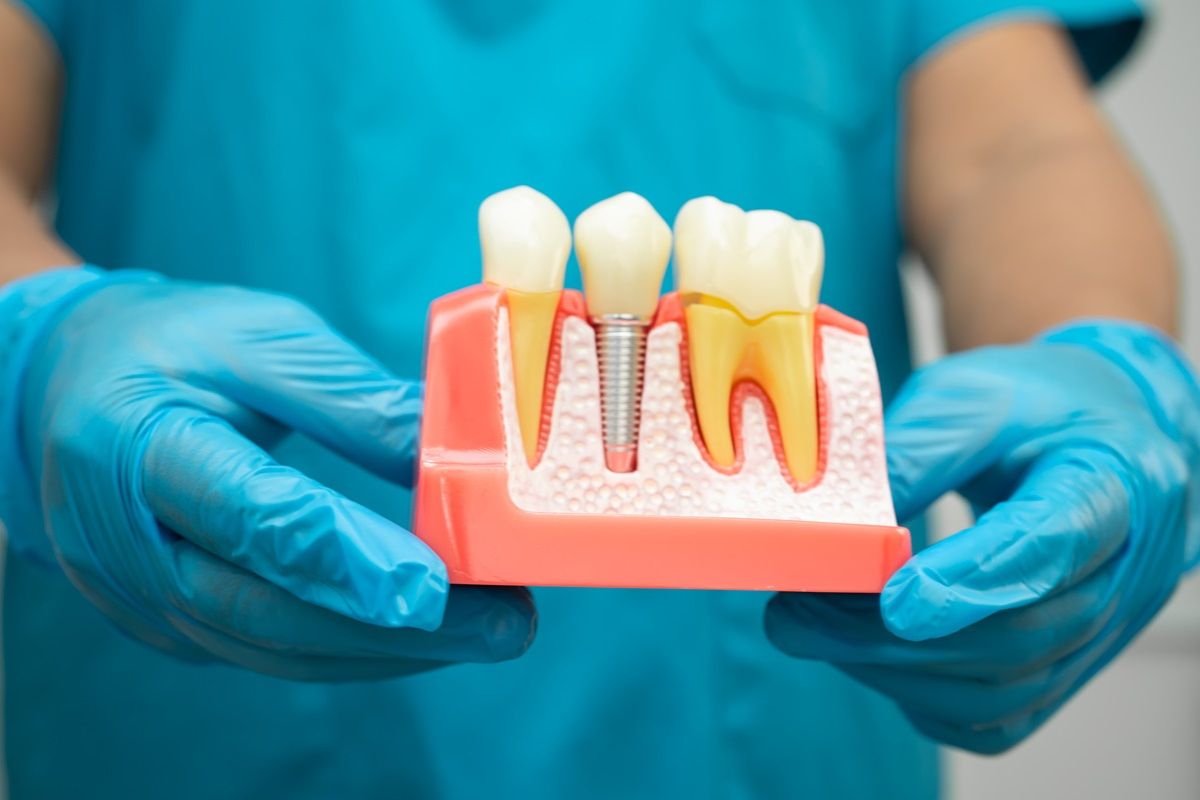
The reason implants last so long comes down to the material. Over 93% of dental implants placed in the United States are made from titanium, according to data cited by the National Center for Biotechnology Information. Titanium is biocompatible, which means the jawbone grows around it and locks it in place through a process called osseointegration. Once that bond is complete, the implant post acts like a natural tooth root. Families across West Hialeah who invest in dental implants can expect decades of reliable function with the right care.
What Happens to Dental Implants After 20 Years?
After 20 years, most dental implants are still firmly in place and working well. The 2024 meta-analysis in Clinical Oral Investigations confirmed that about 78% to 92% of implants continue to function effectively at the 20-year mark, depending on the type of study. The titanium post itself rarely fails at this stage.
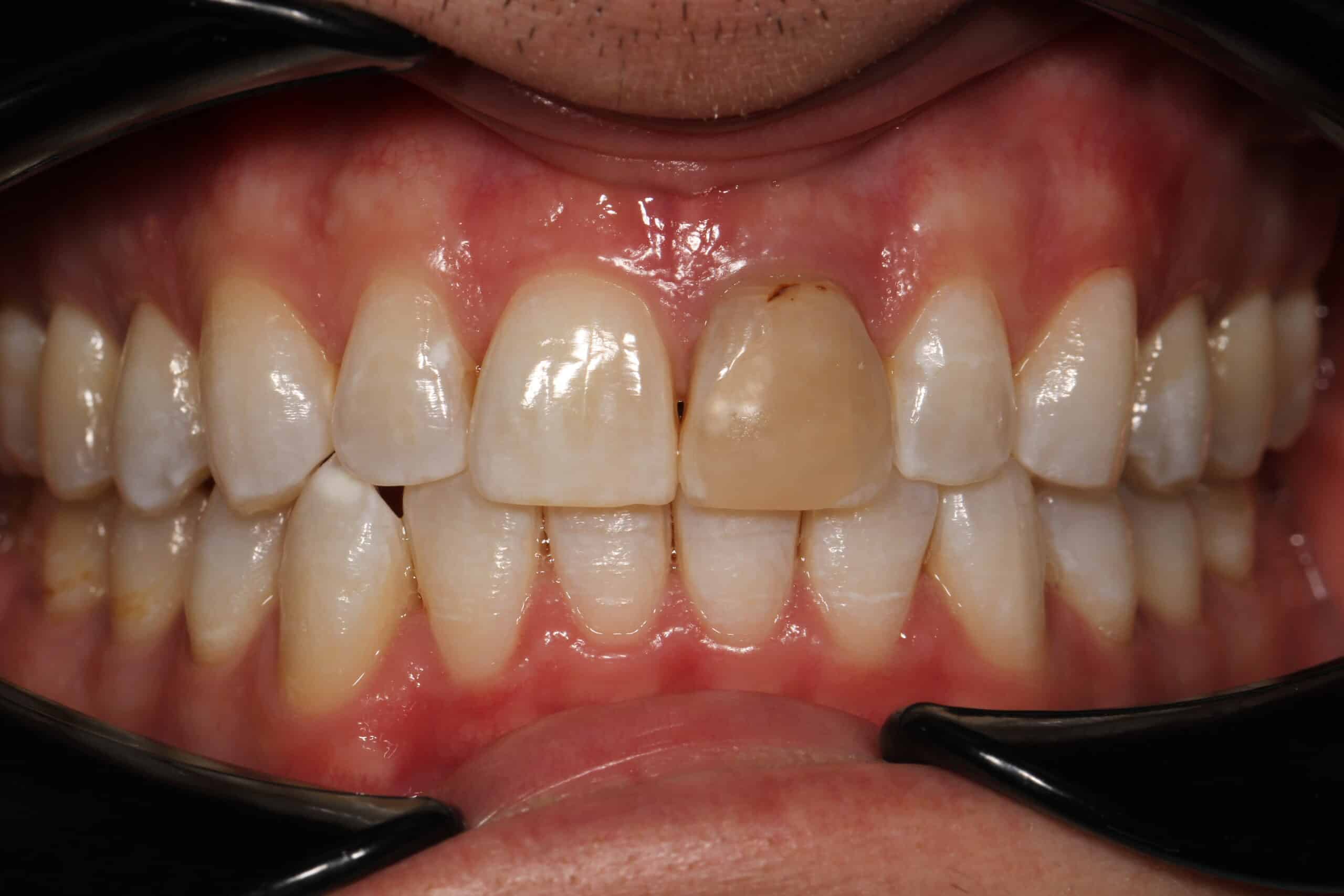
What does happen over time is wear on the crown, the visible tooth-like part of the implant. After 15 to 20 years, the crown may chip, crack, or become discolored. The abutment, the small connector between the post and the crown, can also loosen over many years of chewing. Both the crown and the abutment can be replaced without disturbing the implant post.
Bone loss around the implant is the main risk at this stage. A study in the Journal of Clinical Periodontology found that smoking increases the annual rate of bone loss around implants by about 0.164 millimeters per year. Patients who maintain good oral health and avoid tobacco are far more likely to keep their implants for life. Regular check-ups at a trusted dental office in Hialeah help catch any bone changes early.
How Many Times Can a Dental Implant Be Replaced?
A dental implant crown can be replaced multiple times without replacing the implant post. The crown typically lasts 10 to 15 years and can be swapped out as many times as needed, as long as the titanium post and the surrounding bone remain healthy.
Replacing the implant post itself is less common and more complex. If the post fails due to infection, bone loss, or trauma, it can sometimes be removed and a new one placed after the bone heals. However, a bone graft may be needed first to rebuild the jawbone. According to the American Academy of Implant Dentistry, about 3 million Americans currently have at least one dental implant, and this number grows by roughly 500,000 each year, showing strong confidence in the reliability of the procedure.
Patients in the Hialeah Gardens and Miami Lakes area who are considering a second implant after a failed one should talk to their dentist about bone density and healing time. Every case is different, and a thorough evaluation is the first step.
At What Stage Do Dental Implants Fail?
Dental implants can fail at two main stages: early failure (within the first few months) and late failure (years after placement). Early failure happens before the implant fully bonds with the jawbone. Late failure happens when bone loss, infection, or other problems develop over time.
According to data reviewed by the Journal of Dental Research, the overall success rate of dental implants is around 95% to 98%. The average failure rate globally is about 3.1%, while the U.S. rate is slightly higher at around 6%, partly because of the broader range of patients treated here, including those with higher-risk conditions.
Early failure is often caused by poor osseointegration, infection at the surgical site, or placing too much pressure on the implant before it has healed. Late failure is most often linked to peri-implantitis, an inflammatory condition that destroys the bone and tissue around the implant. Research published in the International Journal of Implant Dentistry shows that peri-implantitis affects about 7.1% of patients within 8 to 10 years. Catching it early through routine dental visits makes a big difference in outcomes.
Patients who are considering implants can learn more about the full range of restorative dentistry options available to protect and rebuild their smiles.
What Are the Downfalls of Dental Implants?
The downfalls of dental implants include the length of the treatment process, the possibility of surgical complications, the risk of implant failure, and the need for sufficient jawbone density. Implants also require a bigger upfront investment than dentures or bridges.
The full implant process, from placement to final crown, can take 3 to 6 months or more because the jawbone needs time to fuse with the titanium post. Some patients need a bone graft before the implant can even be placed, which adds more time and cost. According to Grand View Research, the U.S. dental implant market was valued at $1.5 billion in 2023 and is growing at a rate of 10.4% per year, suggesting that despite these drawbacks, more patients choose implants every year.
Post-surgical discomfort, swelling, and temporary dietary restrictions are also common. In rare cases, nerve damage or sinus problems can occur with upper jaw implants. However, these risks are low when the procedure is performed by an experienced dentist. Patients in West Hialeah can explore all their options during a new patient consultation to find the right fit for their needs.
What Disqualifies You From Dental Implants?
The things that can disqualify you from dental implants include severe bone loss in the jaw, uncontrolled diabetes, heavy smoking, active gum disease, certain autoimmune disorders, and ongoing radiation therapy to the head or neck area.
Bone density is the most important factor. The implant post must be placed into strong, healthy bone to achieve osseointegration. If the jawbone has thinned too much from long-term tooth loss, a bone graft can often rebuild it enough to support an implant. A study published by the National Institutes of Health found that patients with uncontrolled diabetes have a significantly higher hazard ratio (2.17) for implant failure compared to non-diabetic patients.
Smoking is another major risk factor. According to research published in the journal Dentistry, smokers face failure rates between 6.5% and 20%, compared to just 1.4% for non-smokers. Heavy smokers (more than 10 cigarettes per day) had a risk of implant loss that was 18.3 times higher than non-smokers, according to a study reviewed in PMC. Most dentists strongly recommend quitting smoking at least two weeks before surgery and throughout the healing period.
Good preventive dentistry habits before and after implant placement give patients the best chance at long-term success.
What Helps Dental Implants Heal Faster?
The things that help dental implants heal faster include not smoking, eating soft foods, keeping the surgical site clean, taking prescribed medications, staying hydrated, and getting plenty of rest.
The healing process, called osseointegration, typically takes 3 to 6 months. During this time, the jawbone grows around the titanium post and creates a strong, permanent bond. Anything that improves blood flow and reduces inflammation will help this process go faster.
Research published in PMC shows that smokers experience significantly slower healing because nicotine constricts blood vessels and reduces oxygen delivery to the surgical site. Patients who quit smoking before and after surgery see much better results. Eating nutrient-rich, soft foods like yogurt, eggs, and cooked vegetables provides the vitamins and minerals your body needs to rebuild bone tissue. Avoiding hard, crunchy, or sticky foods protects the implant during the critical first weeks.
Following your dentist's aftercare instructions closely is the single best thing you can do. This includes gentle brushing around the site, rinsing with saltwater, and attending all follow-up appointments. Patients across Hialeah who follow a solid recovery plan set themselves up for the best possible outcome.
Can I Have an MRI With Dental Implants?
Yes, you can have an MRI with dental implants. Titanium, the material used in over 93% of dental implants, is not magnetic and does not react to MRI machines. It will not heat up, move, or interfere with the scan.
However, certain metal components in the abutment or crown, such as some types of metal alloys, can occasionally cause minor image distortion in the area right around the implant. This does not pose a safety risk, but it may make it slightly harder for a radiologist to read images of the jaw or lower face. In almost all cases, this is not a significant problem.
If you have dental implants and need an MRI, let your doctor know ahead of time. They can adjust the scan settings if needed. Patients in Hialeah, Florida who have implants can confidently get any medical imaging they need without worry.
Are Fillings Better Than Root Canals for Saving a Tooth Before an Implant?
Yes, fillings are better than root canals when the decay is caught early, because a filling is simpler, faster, and preserves more of the natural tooth. A root canal becomes necessary only when decay has reached the nerve inside the tooth.
The goal is always to save the natural tooth for as long as possible. Fillings, including modern tooth-colored fillings, can stop small cavities from becoming big problems. When decay goes too deep and the tooth cannot be saved, that is when a dental implant becomes the best long-term replacement option.
According to the CDC, about 1 in 5 adults aged 20 to 64 have untreated cavities. Catching decay early with regular dental exams is the best way to avoid needing more advanced treatments like root canals or implants.
How Do Dental Implants Compare to Bridges and Dentures?
Dental implants last significantly longer than both bridges and dentures and do not require any changes to surrounding healthy teeth. Here is a comparison using data from trusted sources.
FeatureDental ImplantsDental BridgesDenturesAverage Lifespan20 to 30+ years (post can last a lifetime)5 to 15 years5 to 8 years10-Year Survival Rate96.4%50% to 80%Requires frequent adjustmentsPreserves JawboneYes (stimulates bone growth)NoNo (bone loss accelerates)Affects Healthy TeethNoYes (requires grinding adjacent teeth)NoChewing PowerSame as natural teethGoodAbout 50% of natural teethRemovableNo (fixed in jawbone)No (cemented in place)Yes
Sources: Journal of Dentistry (Howe et al., 2019), Clinical Oral Implants Research (cohort study of 10,871 implants), American Academy of Implant Dentistry, American Dental Association
Patients considering their options can learn more about dental bridges and full and partial dentures to compare what works best for their situation.
What Can You Not Eat With Dental Implants?
During the healing period after implant surgery, you should not eat hard foods like nuts, popcorn, hard candy, ice, or raw carrots. You should also avoid sticky foods like caramel and taffy that can pull on the surgical site. Very hot or very spicy foods can increase swelling and should be avoided in the first few days.
Once the implant is fully healed and the permanent crown is in place, you can eat almost anything you want. Dental implants restore the same chewing power as natural teeth, according to the American Academy of Implant Dentistry. This is one of the biggest advantages over dentures, which only deliver about 50% of natural biting force.
Some dentists recommend avoiding extremely hard items like jawbreakers or chewing ice even after full healing, just as you would with natural teeth. These habits can damage the crown over time. A balanced diet and good habits help protect your implant investment for years to come.
Do Implants Require Special Toothpaste?
No, implants do not require special toothpaste. You should use a regular fluoride toothpaste and a soft-bristled toothbrush, just as you would for natural teeth. Avoid toothpastes with harsh abrasives, as these can scratch the surface of the implant crown over time.
Daily brushing twice a day and flossing around the implant are essential. Water flossers work especially well for cleaning around implant sites and removing bacteria that regular floss may miss. According to research reviewed in the International Journal of Implant Dentistry, patients who maintain proper daily oral hygiene achieve implant success rates above 95% over 10 years.
Regular professional teeth cleanings every 3 to 6 months are also important. Your dental hygienist uses special instruments designed for implants to clean below the gumline without damaging the surface. Patients in the West Hialeah community who keep up with their cleaning schedule get the most out of their implants.
What I Wish I Knew Before Dental Implants
Many patients say they wish they had known three things before getting dental implants: how long the full process takes, how important aftercare is, and how much better they feel once it is done.
The entire process from start to finish, including healing time, takes 3 to 9 months for most patients. This can surprise people who expect a quick fix. However, the wait is worth it. A study published in Acta Odontologica Scandinavica tracked patient satisfaction over 8 to 14 years and found that 94% of patients were satisfied with the cosmetic results of their implants and 81% reported good chewing comfort.
Aftercare matters more than most patients expect. Skipping dental visits, not flossing, or continuing to smoke after implant placement are the top reasons implants fail over time. Patients who commit to their oral health routine get the best long-term results. An honest conversation with your dentist before the procedure helps set the right expectations. Patients who are ready to start can learn more about what to expect as a new patient at Castellanos Dental Aesthetics.
Frequently Asked Questions
How Long Do Dental Implants Last in Hialeah's Humid Climate?
Dental implants last just as long in Hialeah's humid climate as they do anywhere else. The titanium post is placed inside the jawbone, so external weather conditions do not affect it. With proper oral hygiene and regular dental visits, patients in the Hialeah area can expect their implants to last 20 years or more. According to the Journal of Dentistry, 10-year survival rates reach 96.4% regardless of geographic location.
Is Dental Implant Surgery Painful?
Dental implant surgery is not painful during the procedure because your dentist uses local anesthesia to numb the area completely. Most patients report that the discomfort after surgery feels similar to having a tooth pulled. Over-the-counter pain medication and ice packs usually manage any soreness within a few days. Patients in West Hialeah who feel nervous about the procedure can ask about sedation options for added comfort.
Can You Get Dental Implants if You Have Gum Disease?
You cannot get dental implants while you have active gum disease. The infection must be treated and controlled first. Gum disease weakens the bone and soft tissue that the implant depends on for support. Once your gums are healthy, your dentist can evaluate whether you have enough bone for an implant. According to the CDC, nearly half of adults aged 30 and older show signs of gum disease, so treating it before implant surgery is very common.
How Soon After a Tooth Extraction Can You Get an Implant?
In some cases, a dental implant can be placed immediately after a tooth extraction during the same visit. This is called an immediate implant. In other cases, the jawbone needs 3 to 6 months to heal before the implant can be placed. Your dentist will decide based on the health of the bone and surrounding tissue. Many patients in the Miami Lakes and Hialeah Gardens area benefit from a thorough evaluation to determine the best timing.
Do Dental Implants Set Off Metal Detectors?
No, dental implants do not set off metal detectors. Titanium, the material used in most implants, is non-ferromagnetic and does not trigger airport security or other metal detection systems. You can travel and go through security without any concerns about your implants.
How Do I Know if My Dental Implant Is Failing?
Signs that a dental implant may be failing include pain or discomfort around the implant, swelling or redness of the gums, the implant feeling loose, and difficulty chewing. If you notice any of these symptoms, see your dentist right away. Early detection of problems like peri-implantitis, which affects about 7.1% of patients within 8 to 10 years according to research in the International Journal of Implant Dentistry, gives you the best chance of saving the implant.
Are Dental Implants Worth the Investment for Older Adults in South Florida?
Yes, dental implants are worth the investment for older adults in South Florida. According to data from the National Health and Nutrition Examination Survey (NHANES), the largest increase in dental implant use, 12.9%, was among adults aged 65 to 74. Implants restore full chewing power, prevent jawbone loss, and improve quality of life in ways that dentures and bridges cannot match. Many South Florida seniors report feeling more confident and comfortable after getting implants.
Final Thoughts
Dental implants are the gold standard for replacing missing teeth because they last longer, feel more natural, and protect your jawbone better than any other option. With a 10-year survival rate of 96.4% and evidence showing strong performance even past 20 years, implants are a true long-term investment in your smile and your health. According to the American College of Prosthodontists, about 178 million Americans are missing at least one tooth, and the demand for implants continues to grow every year.
If you live in the Hialeah, Florida area and are thinking about dental implants, the team at Castellanos Dental Aesthetics is ready to help. With over 25 years of experience serving families in West Hialeah, Miami Lakes, Hialeah Gardens, and across South Florida, Dr. Castellanos provides personalized, expert care that puts your comfort and results first. Call 305-820-4080 or schedule your consultation today to find out if dental implants are the right choice for you.
.png)
.png)

.png)


.png)
.png)
.png)
.png)
.png)

.png)
.png)
.svg)


