.png)
.svg)
.png)

Full Dentures vs Partial Dentures Explained
.png)
.png)
Full dentures replace an entire arch of missing teeth, while partial dentures fill in gaps where some natural teeth still remain. According to the U.S. Census data and Simmons National Consumer Survey, about 41 million Americans used dentures in 2020, and that number is expected to reach over 42 million by 2025. The right choice depends on how many teeth you are missing, the health of your remaining teeth, and your jawbone condition. This article breaks down everything you need to know about full dentures and partial dentures, including how they compare in fit, comfort, lifespan, and daily use, so you can make a confident decision with your dentist in Hialeah, Florida.
Is It Better To Have Full Dentures or Partial Dentures?
It is better to have full dentures if you are missing all of your teeth in one or both arches, and it is better to have partial dentures if you still have healthy natural teeth remaining. There is no single answer that works for everyone because the best option depends on your specific mouth.
Full dentures sit directly on your gums and replace every tooth on the upper jaw, lower jaw, or both. They rely on suction and the shape of your gum ridge for support. Partial dentures, on the other hand, clip onto your remaining natural teeth using metal clasps or precision attachments. This gives them extra stability that full dentures do not have.
The American College of Prosthodontists estimates that about 178 million Americans are missing at least one tooth and roughly 36 million are missing all of their teeth. For people missing all teeth, full dentures are the standard removable solution. For those with several missing teeth but some healthy ones left, partial dentures help preserve the natural teeth while restoring function.
Families across Hialeah and the wider Miami-Dade area often ask which option is right for them. The answer starts with a thorough exam of your remaining teeth, gum tissue, and jawbone. A dentist who provides full and partial dentures in West Hialeah can evaluate your mouth and recommend the best path forward.
What Is the Difference Between Full Dentures and Partial Dentures?
The difference between full dentures and partial dentures is that full dentures replace all teeth in an arch, while partial dentures replace only some missing teeth and rely on remaining natural teeth for support.
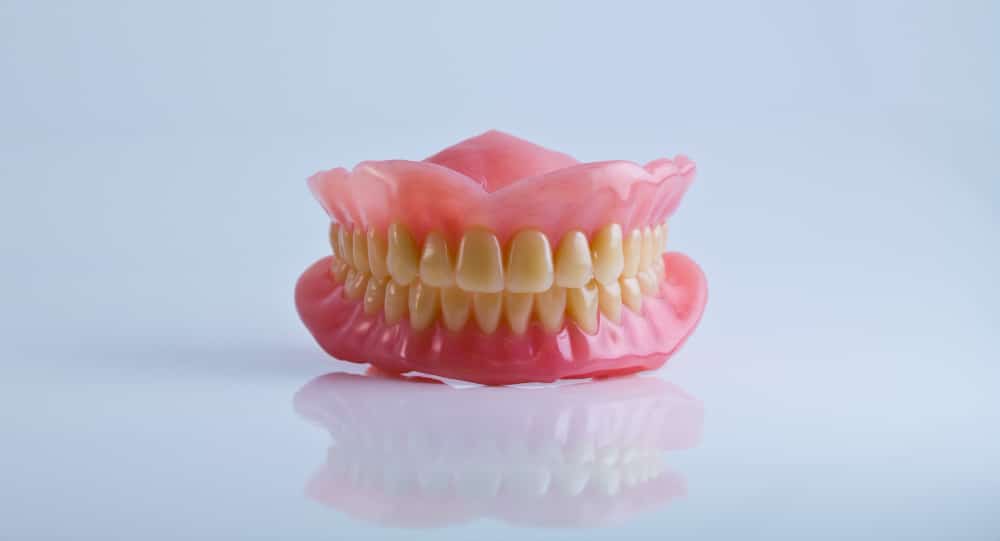
Full dentures are made of a gum-colored acrylic base with a full set of artificial teeth attached. They cover the entire ridge of your gums. The upper denture has a plate that covers the roof of your mouth, which helps create suction to hold it in place. The lower full denture sits on the gum ridge and can sometimes feel less stable because there is no suction plate.
Partial dentures have a framework, often made of metal or flexible nylon, that connects the artificial teeth. Clasps wrap around your natural teeth to anchor the partial in place. Because they hook onto real teeth, partials generally feel more secure during eating and speaking. According to data from the Oral Health Foundation, roughly 19% of the population in surveyed countries wears some type of denture, and a large portion of those are partial denture wearers.
Many residents in West Hialeah who are dealing with tooth loss for the first time find it helpful to talk through both options with a professional who can show them exactly what each type looks like and how it fits. Patients at restorative dentistry practices often discover that one option clearly suits their situation once they see models and hear the details.
Is It Easier To Eat With Partial Dentures or Full Dentures?
Yes, it is generally easier to eat with partial dentures than with full dentures. Partial dentures get extra support from your remaining natural teeth, which gives you more biting strength and stability when you chew.
Research indicates that biting force with full dentures is only about 20% to 25% of what you get with natural teeth, according to clinical data compiled by dental researchers. Partial dentures allow for more chewing power because the clasps transfer some force to your natural teeth and into the jawbone. This makes it easier to eat foods like apples, cooked meats, and raw vegetables.
A study of 367 denture wearers found that 47% showed low chewing performance, and that group also had lower intake of fruits, vegetables, and vitamin A. Eating well matters, and the type of denture you wear plays a direct role in your ability to maintain a healthy diet. For many people in the Hialeah community, being able to eat comfortably at family meals and social gatherings is a top priority.
Patients who struggle with chewing after tooth loss can also explore dental implants as a way to add stability to either full or partial dentures.
What Type of Dentures Are Most Natural Looking?
The most natural-looking dentures are custom-crafted dentures made with high-quality acrylic or porcelain teeth and a gum-colored base that is matched to your skin tone. Digital dentures created with CAD/CAM technology and 3D printing offer even more precise color matching and tooth shaping than traditional methods.
Porcelain denture teeth have a glass-like translucency that closely mimics the look of natural tooth enamel. They reflect light in a similar way, which makes them very hard to spot as artificial. For partial dentures, flexible nylon frameworks eliminate the visible metal clasps that can give away the fact that you are wearing a dental appliance. These flexible partials blend in with your gum tissue for a nearly invisible fit.
People across South Florida who want their dentures to look as real as possible should ask about the materials being used and request to see samples. A cosmetic dentistry team can help create dentures that match your facial features, skin tone, and natural smile line.
What Is the Most Comfortable Type of Denture?
The most comfortable type of denture is an implant-supported denture, because it is anchored to the jawbone and does not rely on gum pressure or adhesive for stability. Among removable options, flexible partial dentures made from thermoplastic nylon are often the most comfortable because they bend slightly to match the shape of your gums without creating rigid pressure points.
Comfort depends heavily on fit. According to Cleveland Clinic, the average lifespan of a denture is 7 to 10 years, and regular relines every 1 to 2 years are recommended to keep the fit snug as your mouth changes. A denture that fit perfectly two years ago may start to feel loose as the gum tissue and jawbone shift. Staying on schedule with dental checkups is the single best way to keep dentures comfortable over time.
For Hialeah residents looking for long-term comfort, a professional evaluation can help match the right denture type and material to your individual mouth shape, bite, and lifestyle. General and family dentistry visits include routine denture checks that catch fit problems before they become painful.
How Long Does It Take To Get Used to Full Mouth Dentures?
It takes most people about 30 days to get used to full mouth dentures, though some adjust in as little as two weeks and others may need up to three months. The adjustment period involves learning how to eat, speak, and smile with the new appliance in your mouth.
During the first week, full dentures often feel bulky. Your mouth may produce extra saliva, and you might notice sore spots on your gums. By weeks two through four, eating and speaking typically start to improve. Around the two to three month mark, most people feel nearly fully adjusted. Colgate notes that minor irritation and excess saliva are normal reactions to having a new appliance, and these issues subside as your mouth adapts.
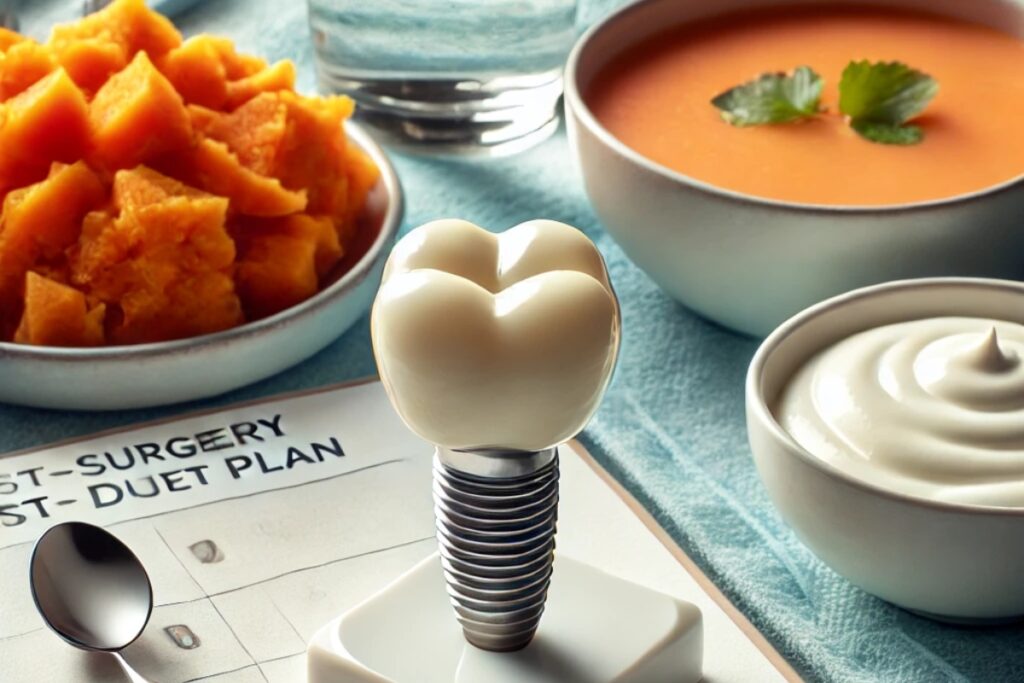
Patience matters. Starting with soft foods like mashed potatoes and yogurt during the first couple of weeks helps reduce gum pressure. Practicing reading aloud can speed up the speech adjustment. And scheduling follow-up visits in those first 30 days allows your dentist to make small adjustments that can make a big difference in comfort.
Do Partials Hurt at First?
Yes, partials can hurt at first. It is common to experience mild soreness, gum irritation, and pressure around the teeth that hold the clasps during the first few days to two weeks. This discomfort is temporary and usually fades as your mouth adjusts to the new appliance.
The adjustment period for partial dentures is often shorter than for full dentures because your remaining natural teeth provide a familiar reference point for your bite. However, about 20% of all denture wearers need their fittings readjusted within the first three years, according to denture care research. If soreness lasts more than two weeks, a quick adjustment visit can fix the pressure points.
Warm salt water rinses can soothe irritated gums during the adjustment phase. Residents in the Hialeah Gardens and Miami Lakes areas who are getting partials for the first time should plan for at least one or two follow-up appointments to fine-tune the fit.
Should Dentures Be Taken Out Overnight?
Yes, dentures should be taken out overnight. Removing your dentures for at least 6 to 8 hours each day gives your gums a chance to rest and recover from the constant pressure of wearing the appliance.
According to clinical research, about 80% of denture wearers wear their dentures both day and night, and this habit accelerates bone loss and increases the risk of gum infections. Data shows that 65% of denture wearers experience some form of denture stomatitis, an inflammation of the tissue under the denture that is made worse by wearing dentures around the clock. The only exception is the first 24 to 48 hours after tooth extraction when immediate dentures act as a bandage to help the gums heal.
When you take your dentures out at night, soak them in water or a mild denture cleaning solution so they do not dry out and warp. Brush the inside of your mouth, gums, and tongue with a soft brush before bed. This simple nightly routine can extend the life of your dentures and protect your oral health.
Why Should You Not Sleep With Partial Dentures?
You should not sleep with partial dentures because wearing them overnight traps bacteria against your gums and natural teeth, increasing the risk of gum disease, tooth decay, and fungal infections like denture stomatitis.
Partial dentures cover portions of your gum tissue and press against the teeth they clasp onto. Leaving them in place for 24 hours straight does not allow saliva to naturally clean those surfaces. Over time, this can weaken the very teeth that hold the partial in place. Since partial dentures can last 5 to 15 years depending on material and care, protecting your remaining teeth is critical to getting the most out of your investment.
Keeping up with preventive dentistry habits, including nightly removal and cleaning, helps keep both your denture and your natural teeth in good shape for years to come.
What Are the Newest Types of Dentures?
The newest types of dentures include digital dentures made with CAD/CAM technology and 3D printing, flexible partial dentures made from thermoplastic nylon, PEEK (Polyether Ether Ketone) dentures, and implant-supported dentures that snap onto titanium posts in the jawbone.
Digital dentures use high-resolution scans of your mouth instead of messy traditional impressions. The scan feeds into computer software that designs the denture with extreme precision. According to researchers at the University of Colorado Anschutz School of Dental Medicine, new biomaterials for 3D-printed dentures are now stronger, antimicrobial, and antifungal, with customized transition zones that go from harder material in the teeth to softer material in the base.
The U.S. denture market was valued at $2.09 billion in 2020 and is projected to reach $3.38 billion by 2028, according to Fortune Business Insights. That growth is fueling rapid innovation that benefits patients. For people in West Hialeah and across Miami-Dade County, these newer options mean faster turnaround times, better fit, and more natural-looking results than traditional dentures.
What Are the Signs of Poorly Made Dentures?
The signs of poorly made dentures include constant slipping during eating or speaking, persistent sore spots that do not improve after adjustments, an uneven bite, difficulty pronouncing words, denture teeth that look unnaturally white or uniform, and a base that does not match your gum color.
According to clinical standards data, about 60% of dentures are considered technically deficient after five years of use. But a poorly made denture can cause problems from day one. If your denture clicks when you talk, falls down when you open your mouth wide, or causes gagging, those are red flags that the fit is off. Research shows that about 7% of denture wearers cannot wear their dentures at all because of poor fit and fabrication quality.
Quality dentures start with accurate impressions, careful bite measurements, and skilled lab work. Residents in Hialeah who want dentures that feel secure and look real should look for a practice with hands-on experience in restorative dentistry and a proven track record with real patient results.
How Long Do Full Dentures and Partial Dentures Last?
Full dentures last an average of 5 to 10 years, while partial dentures last about 5 to 15 years depending on the material. Metal-based cast partial dentures tend to last the longest, often reaching 10 to 15 years with proper care. Acrylic partials typically last 3 to 5 years, and flexible nylon partials fall somewhere in between.
Despite these timelines, about 40% of denture wearers have been using the same denture for more than 10 years. Wearing outdated dentures can cause serious problems. The jawbone shrinks over time, especially for full denture wearers, and clinical data shows the jawbone can lose up to 25% of its volume in the first year after tooth extraction. A denture that was made a decade ago simply does not match the current shape of your mouth.
Full Dentures vs. Partial Dentures: Key ComparisonFeatureFull DenturesPartial DenturesBest ForMissing all teeth in an archMissing some teeth with healthy ones remainingAverage Lifespan5 to 10 years5 to 15 years (metal-based last longest)SupportGums and suctionNatural teeth and claspsBiting Force20%–25% of natural teethHigher than full denturesBone Loss RiskHigher (no tooth roots to stimulate bone)Lower in areas with natural teethAdjustment PeriodAbout 30 days on average1 to 3 weeks on averageStabilityModerate (can slip without adhesive)Good (anchored to natural teeth)Reline FrequencyEvery 1 to 2 yearsEvery 1 to 2 years
Sources: Cleveland Clinic, American College of Prosthodontists, Oral Health Foundation, clinical denture research data.
What Happens if I Leave My Dentures in Water for More Than 12 Hours?
Leaving your dentures in plain water for more than 12 hours is generally fine and will not damage them. However, if you leave them in a denture cleaning solution for longer than the product recommends, the chemicals can weaken the acrylic or corrode metal clasps over time.
Dentures need to stay moist when they are out of your mouth. Drying out causes the acrylic base to warp, which changes the fit. Soaking overnight in room-temperature water is the safest approach. If you use a cleaning tablet, follow the timing directions on the package. Most soaking solutions are designed for 3 to 15 minutes, not overnight, unless the label says otherwise.
What to Eat With No Teeth While Waiting for Dentures?
The best foods to eat with no teeth while waiting for dentures are soft and nutrient-rich options like mashed potatoes, scrambled eggs, yogurt, smoothies, oatmeal, pureed soups, applesauce, cottage cheese, and protein shakes.
Nutrition is critical during this time. Research has shown that people without teeth are more likely to have lower intakes of fruits, vegetables, and essential vitamins. A study published in dental health literature found that patients with poor chewing ability were significantly more likely to take medications for stomach or intestinal disorders, at 28% compared to 20% for those with good chewing function.
Blending fruits and vegetables into smoothies is one of the easiest ways to maintain a balanced diet while your gums heal. Patients across the Palm Springs North and Hialeah Gardens area who are waiting for dentures should also consider protein-rich drinks to stay nourished. If extractions were needed before dentures, a dentist who specializes in tooth extractions will give you specific dietary guidance based on your healing timeline.
How Long Do You Go Without Teeth When Getting Dentures?
You do not have to go without teeth when getting dentures if you choose immediate dentures, which are placed the same day your teeth are extracted. If you opt for conventional dentures instead, you may go without teeth for about 4 to 8 months while your gums heal and your permanent dentures are fabricated.
Immediate dentures act as a temporary set that you wear right after extractions. They protect the extraction sites and let you eat and speak while healing. The trade-off is that immediate dentures are based on pre-extraction impressions, so the fit is less precise. You will likely need at least one reline as your gums shrink during healing. Gum tissue can change significantly in those first few months, especially for patients who already have some bone loss.
For many patients in the West Hialeah area, the convenience of immediate dentures is worth it because they avoid the social and nutritional challenges of being without teeth for months.
What Is the Fastest Way To Adjust to New Dentures?
The fastest way to adjust to new dentures is to wear them every day, start with soft foods, practice speaking out loud, and keep all follow-up appointments with your dentist for adjustments.
Consistency is the key. Your tongue, cheeks, and jaw muscles all need time to learn how to work around the new appliance. Eating soft foods in small bites for the first two weeks reduces gum soreness. Reading a book aloud or practicing tongue twisters helps your mouth learn to form words around the denture. Using a denture adhesive during the first few weeks can give you extra stability and confidence while your mouth adapts.
Most dental professionals recommend at least one adjustment visit within the first week or two. Small areas of the denture base can be trimmed to relieve sore spots. These quick fixes can cut the adjustment timeline significantly. Residents across Miami-Dade who are new to dentures benefit from choosing a practice that includes follow-up adjustments as part of the process.
Can I Leave My Dentures Out Until My Gums Heal?
You can leave your dentures out to let your gums heal, but only after the first 24 to 48 hours following tooth extraction. During that initial period, your immediate dentures should stay in because they protect the surgical sites and act as a bandage for your gums.
After the first 48 hours, removing your dentures for at least 6 hours daily, usually at night, lets your gums breathe and heal properly. Wearing dentures nonstop can trap bacteria and slow down healing. Your dentist in Hialeah will give you a specific schedule for when to wear and remove your dentures based on your extraction and healing situation.
How Do Dentures Affect Jawbone Health Over Time?
Dentures affect jawbone health over time by contributing to bone resorption, a process where the jawbone shrinks because it no longer receives stimulation from natural tooth roots. Clinical data shows that full denture wearers can experience up to 70% bone loss within the first several years of use.
The jawbone can lose up to 25% of its width in the first year after teeth are removed, according to dental research. This bone loss changes the shape of your gum ridge, which is why dentures that fit perfectly at first can become loose over time. The shrinking jawbone also changes your facial appearance. The lower face can shorten, lips lose support, and wrinkles around the mouth deepen.
Partial dentures cause less bone loss in areas where natural teeth remain, because those tooth roots continue to stimulate the bone. However, the edentulous areas under a partial still experience resorption. For patients concerned about long-term bone health, dental implants are the only tooth replacement option that actively prevents bone loss by mimicking natural tooth roots.
Which Denture Goes in First, Top or Bottom?
The top denture usually goes in first because upper dentures are generally easier to seat and have a palate plate that creates suction for a more stable fit. Once the upper denture is in place, you insert the lower denture and gently bite down to settle both into position.
Upper dentures tend to stay in place better than lower dentures because the roof of the mouth provides a large, flat surface for suction. Lower dentures rest on a smaller, horseshoe-shaped ridge and compete with the tongue for space. This is one reason why many denture wearers find the lower denture more challenging, and why lower dentures are a common reason patients explore implant-supported options.
Frequently Asked Questions
How Many Hours a Day Should I Wear My New Dentures?
You should wear your new dentures for most of the day, about 16 to 18 hours, and remove them for at least 6 to 8 hours overnight. During the first 24 to 48 hours after extractions, your dentist may ask you to wear them around the clock, including at night, to protect the extraction sites. After that initial window, nightly removal becomes the standard routine. Patients in Hialeah and the surrounding areas should follow the specific wear schedule given by their dental team, since healing timelines vary.
Are There Dentures You Can Wear 24/7?
No, there are no removable dentures designed to be worn 24 hours a day, 7 days a week on a permanent basis. Even implant-supported overdentures need to be removed for cleaning. The only option that stays in your mouth around the clock is a fixed implant-supported bridge, sometimes called All-on-4, which is permanently attached and not removable by the patient. Data shows that wearing removable dentures nonstop increases the risk of gum inflammation, bacterial buildup, and faster bone loss.
Do Dentures Affect How You Speak?
Yes, dentures affect how you speak during the first few weeks. Many new denture wearers notice a slight lisp or difficulty with certain sounds, especially "s" and "th" sounds. This happens because the tongue has to adjust to the new shape and thickness of the denture. With daily practice, most people in West Hialeah and across South Florida find that their speech returns to normal within two to four weeks.
Can You Get Dentures if You Have Bone Loss?
Yes, you can get dentures if you have bone loss. Modern digital denture technology allows for custom-fit appliances that adapt to reduced bone ridges. Partial dentures can be a good option for patients with localized bone loss because they use remaining natural teeth for support instead of relying entirely on the gum ridge. For patients with significant bone loss, implant-supported dentures with bone grafting may provide the best long-term solution. A thorough evaluation with dental X-rays is the first step.
What Is Monkey Mouth With Dentures?
Monkey mouth with dentures is a term used to describe the pushed-out or overly full appearance of the lips and cheeks caused by dentures that are too bulky or too far forward in the mouth. This happens when the denture teeth are set too far out from the gum ridge, pushing the lips into an unnatural position. A well-made denture should support the lips and cheeks in a natural way that restores your normal facial profile. If your dentures make your mouth look puffy, your dentist may need to adjust the tooth position or remake the denture.
Does Insurance Cover Dentures in Florida?
Yes, many dental insurance plans in Florida cover part of the cost of dentures, typically 50% after you meet your deductible. Coverage varies by plan and provider. Florida Medicaid expanded limited dental coverage in 2011 to include exams, full and partial dentures, and X-rays. For patients who need help with out-of-pocket expenses, many dental practices in Hialeah offer financing options that break the cost into manageable monthly payments.
How Often Should Dentures Be Relined?
Dentures should be relined every 1 to 2 years, or whenever you notice changes in how they fit. A reline adds new material to the inside of the denture base so it matches the current shape of your gum ridge. Since the jawbone continues to change shape after tooth loss, regular relines are one of the best ways to maintain comfort and prevent sore spots. Scheduling an annual dental exam keeps your denture fit on track.
Final Thoughts
Choosing between full dentures and partial dentures comes down to how many teeth you are missing, the health of your remaining teeth, and your long-term goals for comfort and function. Full dentures work best for people missing all teeth in an arch, while partial dentures are ideal when healthy natural teeth can provide extra support and stability. Both types require proper care, regular relines, and annual dental checkups to perform their best.
With over 41 million Americans relying on dentures and newer technologies making them more comfortable than ever, there has never been a better time to restore your smile. Whether you need a full set or a partial, working with a skilled dental team makes all the difference in how your dentures fit, look, and feel every single day.
If you are in Hialeah or anywhere in Miami-Dade County and ready to explore your denture options, Castellanos Dental Aesthetics offers personalized consultations that start with a thorough evaluation of your oral health. With over 25 years of trusted care in West Hialeah, the team provides custom full and partial dentures built for real-life comfort and natural results. Call 305-820-4080 or visit the office to schedule your appointment today.
.png)
.png)

.png)


.png)

.png)
.png)
.png)

.png)
.png)
.svg)


