.png)
.svg)
.png)

Essential Teeth Whitening Preparation and Aftercare
.png)
.png)
Essential teeth whitening preparation and aftercare involve getting a professional cleaning before your appointment, avoiding stain-causing foods for 48 hours before and after treatment, using a sensitivity toothpaste in advance, and following a "white diet" during the first two days of recovery. According to the American Academy of Cosmetic Dentistry, teeth whitening is the most requested cosmetic dental procedure in the United States, and about 67% of American adults have tried some form of whitening. With the right steps before and after your session, you can get brighter results that last much longer. This guide covers everything you need to know to prepare for professional teeth whitening and take care of your smile afterward, especially for families in West Hialeah, Florida and the surrounding Miami-Dade communities.
What Should You Do Before a Teeth Whitening Appointment?
What you should do before a teeth whitening appointment is schedule a dental exam and cleaning, switch to a sensitivity toothpaste, and stop eating foods that stain your teeth. These steps give the whitening gel a clean surface to work on and help reduce discomfort during the procedure.
A dental cleaning removes plaque and tartar buildup so the whitening agent can reach every part of your tooth evenly. If plaque is left on the surface, the bleaching gel cannot penetrate through it. This leads to uneven, patchy results. Most dentists recommend having your professional teeth cleaning done at least two weeks before your whitening session.
Patients in West Hialeah who have sensitive teeth should start using a desensitizing toothpaste with potassium nitrate about two weeks before the procedure. A study published in the Journal of the American Dental Association found that applying a 5% potassium nitrate and 2% sodium fluoride gel before in-office bleaching reduced tooth sensitivity without affecting the whitening results.
It is also a good idea to avoid over-the-counter whitening products like strips and trays in the weeks leading up to your appointment. These products can irritate your gums and increase sensitivity, which makes the professional treatment less comfortable.
What Should You Not Do Before Teeth Whitening?
What you should not do before teeth whitening is consume stain-causing foods and drinks, skip your dental cleaning, or use harsh over-the-counter whitening products. These habits can reduce the effectiveness of your treatment and increase discomfort.
Coffee, tea, red wine, dark sodas, soy sauce, and berries are some of the biggest offenders. Their dark pigments can deposit a layer on your enamel that interferes with the whitening agents. Try to cut back on these items for at least 48 hours before your appointment.
Acidic foods like citrus fruits, tomatoes, and vinegar-based dressings also need to be avoided. Acidic foods weaken the enamel, which makes your teeth more vulnerable to damage and sensitivity during the whitening process. Residents across Hialeah and Miami Lakes who enjoy tropical fruit should be extra aware of this before their session.
Skipping your regular dental exam is another mistake. If you have untreated cavities, the whitening gel can seep deeper into the tooth and irritate the nerve. This could lead to serious pain and may even require a root canal down the road.
Can Yellow Teeth Actually Be Whitened?
Yes, yellow teeth can actually be whitened in most cases. The success of the treatment depends on the type of stain and the cause of the discoloration. Surface stains from coffee, tea, wine, and tobacco respond very well to professional bleaching and can lighten several shades in a single visit.
According to the American Dental Association, carbamide peroxide and hydrogen peroxide are the two most common active ingredients in whitening treatments. These chemicals break down stains into smaller pieces, making the color less concentrated and the teeth appear brighter. Professional in-office whitening can lighten teeth by 3 to 8 shades in one 60 to 90 minute session.
Deeper, intrinsic stains caused by medications, genetics, or dental trauma are harder to treat with whitening alone. In these cases, patients may benefit from cosmetic options like porcelain veneers or dental bonding to cover the discoloration.
Data from a BMC Oral Health study found that out of 235 patients surveyed, 56.2% were unhappy with the color of their teeth. That means more than half of all dental patients feel their smile could be brighter. The good news is that roughly 90% of professional whitening treatments are considered successful, according to industry data from The Dental Spa.

What to Avoid Immediately After Teeth Whitening?
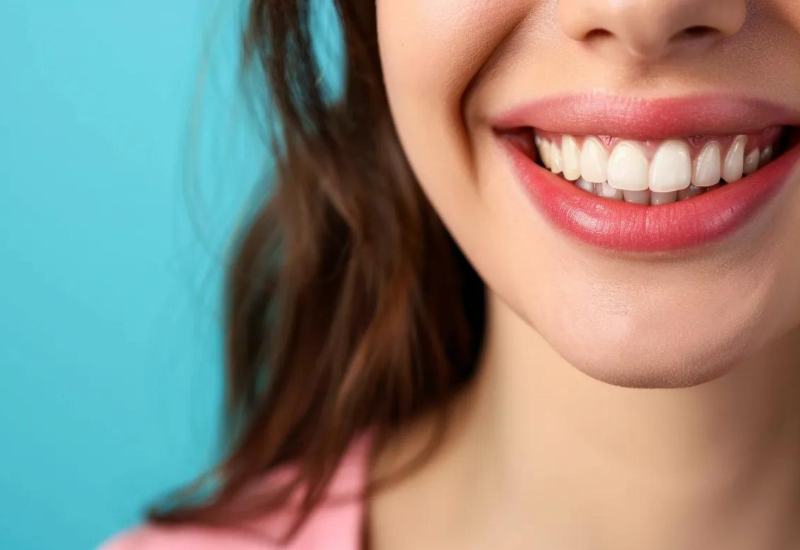
What to avoid immediately after teeth whitening is any food, drink, or product that could stain or irritate your freshly treated teeth. The first 48 hours after your procedure are the most critical window for protecting your results.
Right after whitening, the pores in your enamel are still open. This means your teeth are extra vulnerable to absorbing new stains. Dark-colored foods and drinks like coffee, tea, red wine, berries, chocolate, beets, and dark sauces should be completely off the table for at least two days. Tobacco products and e-cigarettes must also be avoided.
Acidic foods and beverages are equally harmful during this period. Citrus fruits, tomato sauce, soda, and grapefruit juice can weaken the enamel while it is still recovering. Even diet sodas have nearly the same acidic level as regular ones, so they are not a safe alternative.
Colored toothpastes and mouthwashes should also be swapped out during the first 48 hours. Stick to white toothpaste and a clear, alcohol-free mouthwash. Many families in Hialeah Gardens and Palm Springs North find that preparing their kitchen and bathroom ahead of the appointment makes this transition easier.
What Is the White Diet After Teeth Whitening?
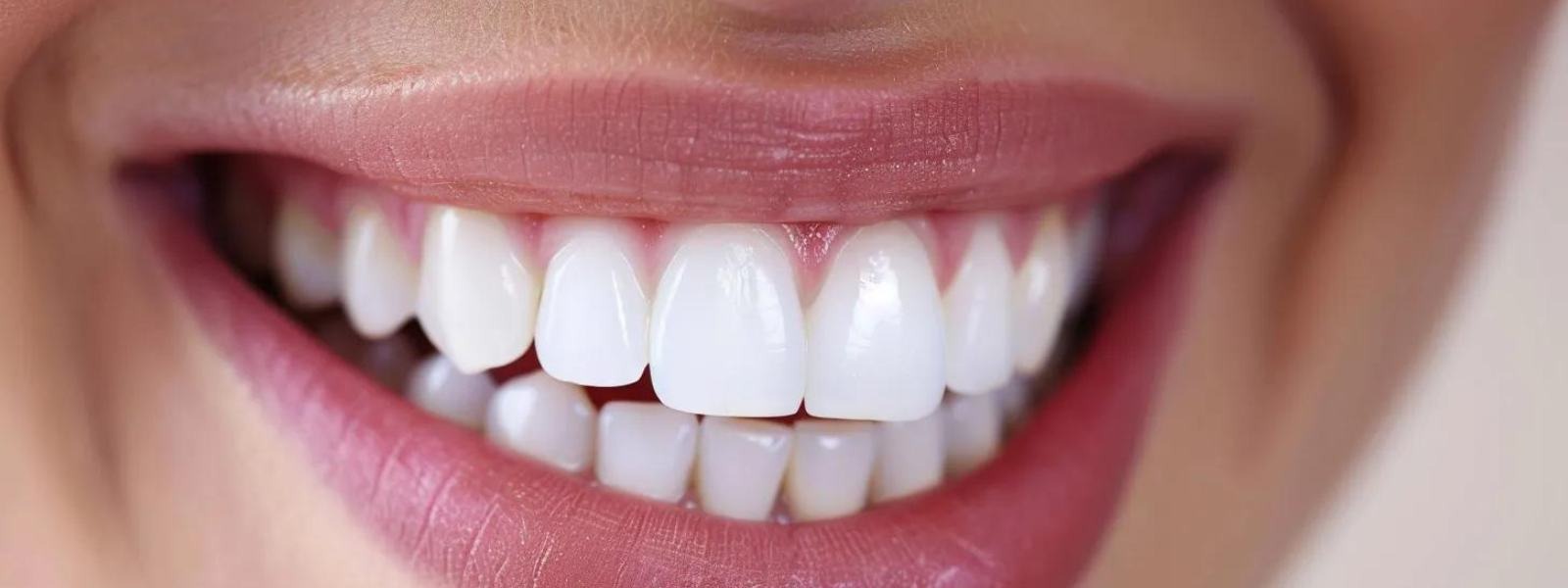
The white diet after teeth whitening is a short-term eating plan that focuses on light-colored, non-acidic foods to protect your results during the first 48 hours. Think of your freshly whitened enamel like a white shirt straight out of the wash. You would not eat spaghetti sauce while wearing it.
Safe foods to eat during the white diet include plain chicken, white rice, plain pasta, eggs, white fish, bananas, apples (peeled), cauliflower, potatoes, and yogurt. For drinks, stick to water, milk, and light-colored herbal teas like chamomile or white tea. Clear alcoholic beverages like white wine and vodka are also acceptable in moderation.
After the 48-hour window closes, you can slowly add crunchy fruits and vegetables back into your diet. Carrots, celery, and green beans are great choices because they stimulate saliva production. Saliva helps clean the teeth naturally and neutralizes acids. Dairy products like cheese and milk are also helpful because they strengthen enamel and reduce the risk of decay.
A professional whitening at Castellanos Dental Aesthetics comes with personalized aftercare instructions so you know exactly what to eat and avoid based on your treatment.
Does Teeth Whitening Hurt?
Teeth whitening does not typically hurt, but some patients experience mild to moderate tooth sensitivity during or shortly after the procedure. This is the most common side effect of professional whitening and usually goes away within one to three days.
According to a study published in the National Institutes of Health (PMC), tooth sensitivity affects anywhere from 43% to 80% of patients who whiten their teeth with peroxide-based products. The sensitivity happens because the bleaching gel temporarily opens the pores in the enamel, allowing oxygen radicals to reach closer to the dental nerve.
To manage sensitivity, use a toothpaste made for sensitive teeth, avoid extremely hot or cold foods for a few days, and rinse with lukewarm salt water to soothe any inflammation. Over-the-counter pain relievers like ibuprofen or acetaminophen can also help. A research review by the American Dental Association noted that pretreatment with a potassium nitrate and sodium fluoride gel can reduce sensitivity without affecting the whitening outcome.
Patients in West Hialeah who have existing dental work like dental crowns or tooth-colored fillings should know that restorations will not change color during whitening. A clinical trial cited in PMC found that teeth with restorations have a greater chance of becoming sensitive during in-office bleaching with 35% hydrogen peroxide.
How Long Do Teeth Whitening Results Last?
Teeth whitening results last anywhere from a few months to up to three years, depending on your diet, oral hygiene habits, and lifestyle choices. The more you avoid stain-causing substances, the longer your bright smile will hold.
Professional in-office whitening lasts significantly longer than over-the-counter products. Research from a National Institutes of Health review found that the best way to maintain whitening results is to follow the in-office treatment with monthly at-home touch-ups using dentist-recommended products. Most dentists suggest a touch-up every six months, especially for people who drink coffee or red wine regularly.
The global teeth whitening market was valued at approximately $7.72 billion in 2025 according to Mordor Intelligence, and it is projected to grow to over $9.6 billion by 2031. This growth shows that more people are investing in both initial treatments and ongoing maintenance to keep their smiles bright.
Regular professional teeth cleanings every six months also play a big role in extending your whitening results. Cleanings remove surface stains and plaque that dull the brightness over time.
Is Professional Teeth Whitening Safe?
Yes, professional teeth whitening is safe when performed under the supervision of a licensed dentist. The American Dental Association confirms that both hydrogen peroxide and carbamide peroxide based whitening products are safe and effective when manufacturer instructions are followed.
The FDA recognizes hydrogen peroxide at concentrations of 3% or less as "generally recognized as safe" for oral use. In-office treatments use higher concentrations, typically between 25% and 40%, but a dentist applies protective barriers to your gums and monitors the entire process. This level of supervision is what separates professional whitening from risky at-home experiments.
A 2022 systematic review cited by the ADA concluded that hydrogen peroxide-containing products used for tooth whitening do not appear to have cancer-causing effects on the oral mucosa. Temporary tooth sensitivity and mild gum irritation are the only common side effects, and both resolve within a few days.
Patients across Miami-Dade County who want safe, predictable results should always choose a supervised treatment over unregulated products. The team at Castellanos Dental Aesthetics uses FDA-approved whitening agents and advanced LED technology to deliver dramatic results without damaging enamel.
Can You Whiten Teeth While Doing Invisalign?
Yes, you can whiten teeth while doing Invisalign, but the timing and method matter. Many dentists recommend completing the bulk of your orthodontic treatment first and then whitening, so the results are even across all teeth.
Some patients use their clear aligner trays as whitening trays by placing a small amount of dentist-approved gel inside. This is a convenient option because the trays already fit your teeth perfectly. However, you should only do this with your dentist's guidance. Using the wrong product or concentration can increase sensitivity, especially when your teeth are already under pressure from the aligners.
Data from the American Association of Orthodontists shows that close to 90% of orthodontic patients ask about whitening treatments. This makes sense because once your teeth are straight, the next step most people want is a brighter smile. Patients going through adult orthodontics in West Hialeah often plan their whitening for right after their final aligner.
What Is the 3-3-3 Rule for Teeth?
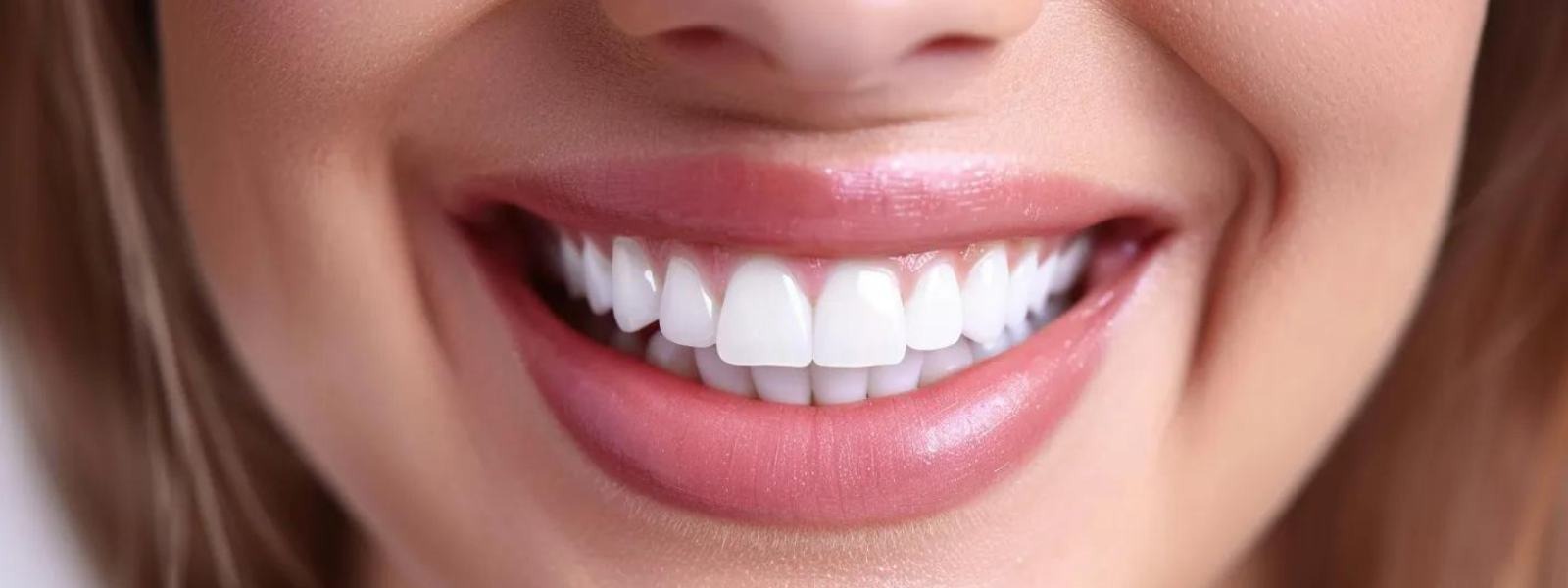
The 3-3-3 rule for teeth is a simple oral hygiene guideline that many dental professionals recommend. It means brush 3 times a day, for 3 minutes each session, and replace your toothbrush every 3 months. This rule is especially important to follow after whitening to protect your investment.
The American Dental Association recommends replacing your toothbrush every 3 to 4 months because frayed bristles lose their ability to clean effectively. After a whitening treatment, brushing with a soft-bristled brush and non-abrasive toothpaste is critical. Hard bristles or abrasive paste can scratch the freshly treated enamel and undo your results.
Following the 3-3-3 rule as part of your daily routine helps prevent plaque buildup and keeps surface stains from settling back onto your teeth. Combined with regular visits to a preventive dentistry provider, this simple habit can add months or even years to your whitening results.
Does Brushing 2 Times a Day Whiten Teeth?
Brushing 2 times a day does help keep teeth clean, but it will not produce the same level of whitening as a professional treatment. Regular brushing removes surface plaque and food particles, which prevents new stains from building up. However, it cannot break down deep stains that have already penetrated the enamel.
Whitening toothpastes contain mild abrasives and small amounts of peroxide that can lighten teeth by about one to two shades, according to a review published by the National Institutes of Health. That is a noticeable difference but far less dramatic than the 3 to 8 shade improvement you get from professional in-office whitening.
A 2020 systematic review found that whitening toothpastes had similar effectiveness to paint-on gels but were less effective than whitening strips. And all of these options pale in comparison to a supervised in-office procedure. For residents in Hialeah who want real, lasting results, combining daily brushing with a professional teeth whitening session is the most effective approach.
What Teeth Cannot Be Whitened?
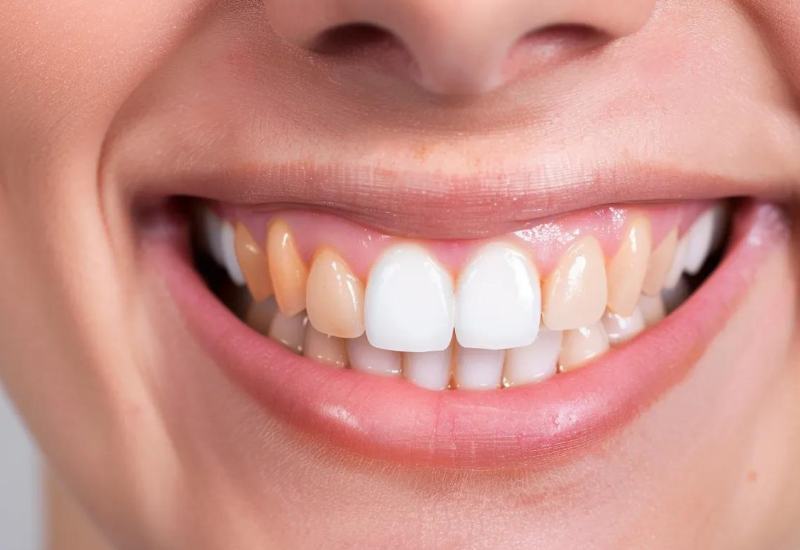
Teeth that cannot be whitened include dental restorations like crowns, veneers, bridges, and fillings. Whitening agents only work on natural tooth enamel. They do not change the color of porcelain or composite materials.
This means that if you have a dental bridge or dental crown on a visible tooth, whitening the surrounding natural teeth could create an uneven color match. In these cases, your dentist may recommend replacing the restoration after whitening to match the new, brighter shade.
Teeth with severe intrinsic stains from tetracycline antibiotics, fluorosis, or dental trauma may also respond poorly to standard whitening. The discoloration in these teeth is deep within the dentin, not on the enamel surface. Cosmetic alternatives like porcelain veneers or a full smile design package can cover these deeper stains and deliver a bright, uniform result.
According to data from a YouGov survey, 19% of Americans have undergone professional whitening. Among adults under 45, that number jumps to 26%. Many of these patients first learn about which teeth can and cannot be whitened during their initial consultation.
Professional vs. At-Home Teeth Whitening: How Do They Compare?
Professional teeth whitening delivers faster, more dramatic results than at-home products, but at-home options work well for maintenance between dental visits. The best approach for most people is to start with an in-office treatment and then use dentist-recommended products at home to extend the results.
Sources: American Dental Association, National Institutes of Health (PMC), Mordor Intelligence, The Dental Spa
According to the Oral Health Foundation, four in 10 people under 35 have had some form of teeth whitening treatment. Approximately 90% of those who whiten choose at-home methods driven by affordability. However, more than 90% of patients who get professional in-office whitening report being satisfied with their results, according to data compiled by NewMouth. The gap in satisfaction shows why starting with a professional session makes the biggest difference.
Frequently Asked Questions
How Soon After Teeth Whitening Can I Drink Coffee in West Hialeah?
You should wait at least 48 hours after teeth whitening before drinking coffee. During this window, the pores in your enamel are still open and highly susceptible to absorbing new stains. If you must have coffee after the 48-hour period, use a straw to reduce contact with your front teeth and rinse your mouth with water immediately afterward. Many coffee lovers in West Hialeah find this small change helps protect their results for months.
Is Teeth Whitening Worth It for Hialeah Residents?
Yes, teeth whitening is worth it for residents in Hialeah and the surrounding Miami-Dade area. According to the American Academy of Cosmetic Dentistry, a brighter smile is the number one thing people want to change about their appearance. With a 90% success rate for professional treatments and results that can last up to three years with proper care, it is one of the most affordable and impactful cosmetic dental investments you can make.
How Often Should I Get My Teeth Whitened?
Most dentists recommend an in-office whitening touch-up every 6 to 12 months, depending on your diet and lifestyle. Patients who drink a lot of coffee, tea, or red wine may need more frequent maintenance. Using a dentist-provided take-home whitening kit between appointments can extend your results and reduce the need for full in-office sessions.
Can Teeth Whitening Damage Enamel?
No, teeth whitening does not cause permanent damage to enamel when done correctly under dental supervision. A 2022 systematic review cited by the American Dental Association found that peroxide-based whitening products are safe for the oral mucosa and enamel. Some in vitro studies have noted minor surface changes, but these are temporary and reversed naturally through saliva remineralization.
What Happens If I Eat Dark Foods Too Soon After Whitening?
If you eat dark foods too soon after whitening, the pigments can seep into the open pores of your enamel and create new stains. This can reduce or even reverse the effects of your treatment. If it happens by accident, rinse your mouth thoroughly with water and brush gently with a non-abrasive toothpaste. The faster you remove the residue, the less likely it is to settle into the enamel.
Do Whitening Results Vary by Age?
Yes, whitening results do vary by age. According to the Oral Health Foundation, younger patients between the ages of 14 and 16 often get the most dramatic results because their enamel is thicker and has fewer deep stains. Older adults may see less dramatic improvement due to years of accumulated staining, gum recession, and dental restorations. However, patients of all ages can still achieve a noticeably brighter smile with the right treatment plan.
Does Insurance Cover Teeth Whitening in Florida?
Teeth whitening is classified as a cosmetic procedure, and most dental insurance plans in Florida do not cover it. However, many dental offices offer financing options to make the treatment more accessible. Flexible payment plans allow patients across West Hialeah and the greater Miami area to invest in their smile without financial stress.
Final Thoughts
Getting the most out of a teeth whitening treatment comes down to two things: smart preparation and consistent aftercare. A dental cleaning before the appointment, a sensitivity toothpaste regimen, and a 48-hour white diet afterward can make the difference between results that fade in weeks and results that last for years.
The data backs it up. With 67% of American adults having tried some form of whitening, a global market projected to exceed $9.6 billion by 2031, and a 90% satisfaction rate for professional treatments, it is clear that teeth whitening is one of the smartest investments you can make in your appearance and confidence.
If you are ready to brighten your smile with a team that has over 25 years of trusted experience, Castellanos Dental Aesthetics in West Hialeah, Florida is here to help. Dr. Madeleine Castellanos-Gonzalez and her bilingual team provide personalized professional teeth whitening treatments built around your goals, your sensitivity level, and your schedule. Call (305) 820-4080 or visit the contact page today to book your consultation and take the first step toward a brighter, more confident smile.
.png)
.png)

.png)


.png)
.png)
.png)
.png)

.png)
.png)
.svg)


