.png)
.svg)
.png)

Does Teeth Whitening Damage Your Enamel?
.png)
.png)
No, teeth whitening does not permanently damage your enamel when done correctly under professional supervision. The American Dental Association confirms that peroxide-based whitening products are safe and effective when used as directed. Temporary tooth sensitivity and mild gum irritation are the most common side effects, and both go away shortly after treatment. However, overuse of whitening products, using unregulated kits, or whitening teeth that already have thin enamel can cause problems. This guide covers everything you need to know about how whitening affects your enamel, what the research says, how to whiten safely, and what Hialeah, Florida residents should consider before brightening their smile.
Is Teeth Whitening Bad for Your Enamel?
Teeth whitening is not bad for your enamel when performed properly and at safe concentrations. Professional whitening treatments use hydrogen peroxide or carbamide peroxide to break apart stain molecules on and within the tooth. A study published in the Journal of Esthetic and Restorative Dentistry found that hydrogen peroxide whitens teeth by oxidizing the organic components of enamel without causing significant changes to the enamel's mineral content. This means the bleaching agent targets the color, not the structure.
The key factor is concentration and time. A 2016 study cited by the National Library of Medicine found that lower-concentration whitening gels can actually cause more enamel surface changes than higher-concentration ones when left on teeth for longer periods. Professional treatments use stronger formulas for shorter times, which reduces the risk of enamel irritation.
The global teeth whitening market was valued at over $8 billion in 2024, according to Fortune Business Insights. With that many people whitening their teeth, it is important to separate fact from fear. When you work with a qualified dentist, whitening is one of the safest cosmetic dental procedures available. Patients in West Hialeah who want a brighter smile can feel confident that professional teeth whitening done under dental supervision protects their enamel while delivering real results.
How Can I Whiten My Teeth Without Ruining the Enamel?
You can whiten your teeth without ruining the enamel by choosing a professional, dentist-supervised treatment instead of relying on unregulated over-the-counter products. A dentist evaluates your enamel thickness, checks for cracks or cavities, and selects the right concentration and application time for your teeth.
The American Dental Association recommends talking to your dentist before starting any whitening treatment. According to the ADA, a 2018 Cochrane review found that tooth sensitivity and oral irritation from home whitening products were more common at higher concentrations, but were considered mild and went away quickly. This supports the idea that professional guidance makes all the difference.
Here are the safest approaches to whitening. In-office whitening uses a controlled, high-concentration gel for a short time, typically 45 to 60 minutes. Custom take-home trays from your dentist use a lower-concentration gel that you wear for a set number of hours over one to two weeks. Both methods are backed by decades of clinical research.
Avoiding DIY whitening remedies is just as important. Charcoal powders, lemon juice, baking soda pastes, and similar home methods have very little scientific support. Some of these can actually scratch or erode your enamel. A review published in Frontiers in Dental Medicine confirmed that frequent use of low-pH whitening rinses can be erosive, especially to exposed dentin.
Patients across Hialeah, Miami Lakes, and Hialeah Gardens who want whiter teeth without the risk should start with a dental exam. A dentist can spot potential issues like thin enamel, existing decay, or gum recession that could make whitening more risky. From there, they can recommend the safest path to a brighter smile.
Does Enamel Recover After Teeth Whitening?
Yes, enamel does recover after teeth whitening. Professional whitening may temporarily soften the enamel surface slightly, but saliva naturally remineralizes and repairs this within hours to days. Research published in Clinical Oral Investigations showed that fluoride acts to enhance the natural rehardening properties of saliva and can begin restoring acid-softened enamel within 60 minutes of application.
Your saliva is your enamel's best friend. It is supersaturated with calcium and phosphate ions, which are the building blocks of enamel. After whitening, these minerals settle back into the tooth surface and restore its hardness. Using a fluoride toothpaste or a remineralizing gel after treatment speeds up this process even more.
An in vitro study from the Journal of Esthetic and Restorative Dentistry tested five different bleaching products for enamel erosion. The researchers followed the manufacturer's instructions and found that while some surfaces were softened, no actual enamel erosion occurred. This is an important distinction: temporary softening is not the same as permanent damage.
For residents of West Hialeah looking to protect their enamel after whitening, the most important steps are using a fluoride rinse, avoiding acidic foods and drinks for 24 to 48 hours after treatment, and keeping up with preventive dental care. These simple habits help your enamel bounce back quickly and stay strong.
Can You Reverse Tooth Enamel Damage?
You can reverse early-stage enamel damage through remineralization, but you cannot reverse enamel that has been fully worn away. Enamel does not contain living cells, so once it is gone, it does not grow back. However, early signs of weakening, like white spots or minor surface softness, can be repaired with fluoride treatments and proper oral care.
According to a review published in the journal Biomedical Materials and Devices, saliva plays a critical role in enamel repair. The presence of fluoride, calcium, and phosphate ions in saliva helps rebuild weakened enamel crystals. Fluoride toothpaste, prescription-strength fluoride gels, and casein phosphopeptide-amorphous calcium phosphate (CPP-ACP) products can all support this process.
A study published in the Journal of Conservative Dentistry tested fluoride varnish, CPP-ACP cream, and a combination of both on demineralized enamel. The combination group showed the greatest surface hardness recovery at 35%, followed by fluoride alone at 32%. This shows that professional remineralization treatments are effective at reversing early damage.
The bottom line is that prevention matters more than repair. Keeping your enamel strong before whitening, and supporting it after whitening, gives you the best results with the least risk. Patients in the Hialeah area who are concerned about their enamel can schedule a dental exam to check their enamel health before any cosmetic treatment.
Why Do Some Dentists Not Recommend Teeth Whitening?
Some dentists do not recommend teeth whitening because the patient has untreated cavities, gum disease, worn enamel, exposed tooth roots, or dental restorations like crowns and veneers that will not respond to bleaching. Whitening is not right for every mouth, and a responsible dentist will tell you when it is not the right time.
Hydrogen peroxide can penetrate through cracks and thin spots in enamel. A 2014 study published in the journal Operative Dentistry found that cracked or micro-abraded enamel allows more peroxide to reach the sensitive dentin layer underneath, which can cause significant irritation and pain. This is why dentists insist on examining teeth before whitening.
Whitening also does not work on dental restorations. Crowns, veneers, bonding material, and fillings will stay the same color while your natural teeth get lighter. This can create an uneven look. If you have restorations on your front teeth, your dentist might suggest alternatives like porcelain veneers or cosmetic dental bonding to match the shade you want.
The American Academy of Cosmetic Dentistry found that the most common thing patients wanted to improve about their smile was tooth color. Nearly 90% of patients surveyed by the American Association of Orthodontics requested whitening. The desire for whiter teeth is nearly universal, but the path to getting there should always go through a dentist who can evaluate your specific needs first.
How Often Can You Safely Whiten Your Teeth?
You can safely whiten your teeth with professional treatment once or twice per year, with touch-ups using custom trays as recommended by your dentist. Over-whitening, sometimes called "bleachorexia," can weaken enamel, increase sensitivity, and give teeth a translucent, blue-gray appearance.
According to the ADA, the most commonly seen side effects of whitening are tooth sensitivity and gum irritation, both of which are mild and temporary. These side effects become more likely with frequent or prolonged whitening. A 2013 safety review published in the British Dental Journal found that between 15% and 78% of patients experience tooth sensitivity during external whitening, depending on the concentration and frequency of use.
The optimal approach, according to research published in the Journal of Evidence-Based Dental Practice, is to follow an in-office treatment with occasional home-based touch-ups using dentist-provided products. This maintains brightness without putting unnecessary stress on your enamel.
Patients in South Florida who love their morning coffee or tea may need touch-ups more often than those who avoid staining foods. Your dentist can create a maintenance schedule that keeps your smile bright without compromising your enamel health over time.
Can Yellow Teeth Become White Again?
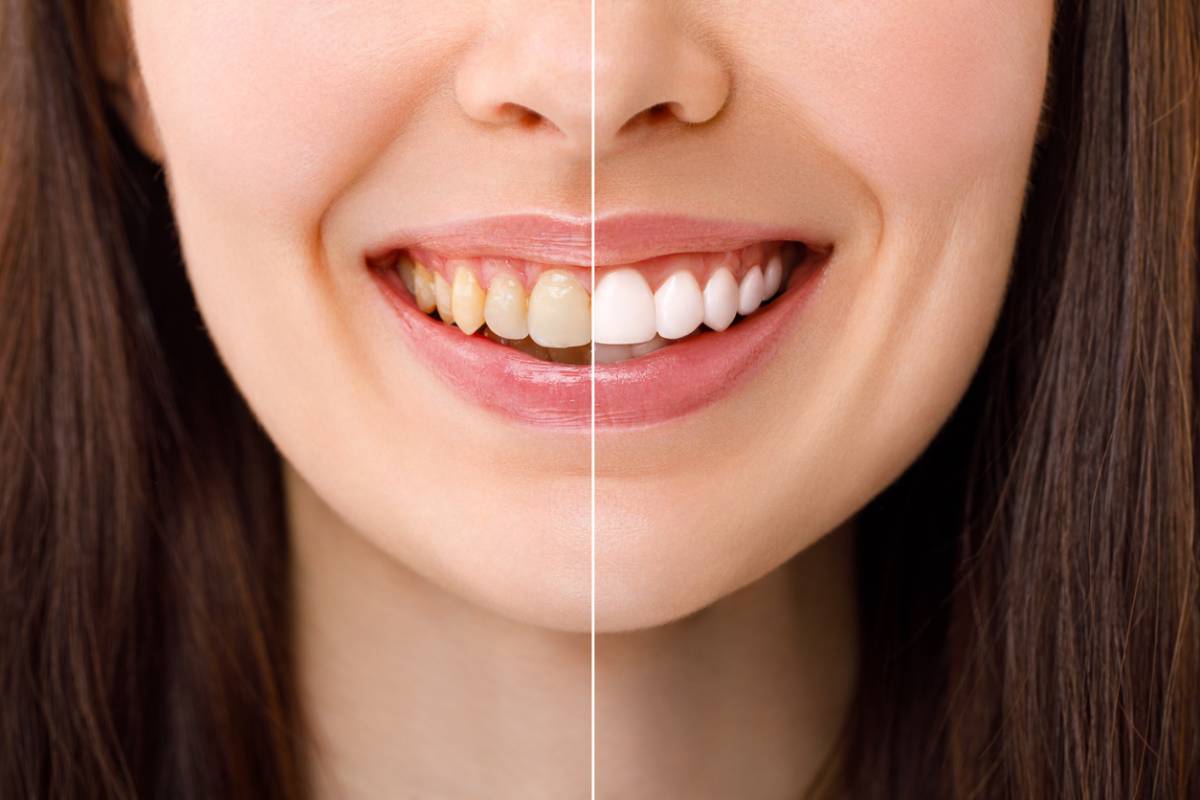
Yes, yellow teeth can become white again in most cases. Yellow discoloration is usually caused by surface stains from food, drinks, and tobacco, or by natural aging that thins the enamel and reveals the yellowish dentin underneath. Professional whitening is very effective at treating both types of yellowing.
According to the ADA, hydrogen peroxide and carbamide peroxide work by breaking stain molecules into smaller pieces, which makes the color less concentrated and your teeth appear brighter. In-office treatments can lighten teeth by up to 8 shades in a single session.
However, not all discoloration responds the same way. Yellow teeth typically bleach well. Brown stains may not respond as strongly. Gray or blue-toned discoloration, often caused by medications like tetracycline, is the hardest to treat and may require multiple sessions or alternative approaches like veneers.
Families across Hialeah and Miami-Dade County who have been living with yellow teeth should know that results are achievable. A consultation at a cosmetic dentistry practice can determine the type and cause of your staining and match you with the right treatment.
Can Thin Enamel Be Whitened?
Thin enamel can be whitened, but it requires extra caution. Patients with naturally thin enamel or enamel worn down by acid erosion, grinding, or aggressive brushing are more sensitive to whitening agents. The peroxide can reach the dentin layer more easily, causing increased sensitivity and discomfort.
A dentist will assess your enamel thickness before recommending whitening. If your enamel is too thin, they may suggest a lower concentration gel, shorter application times, or alternative cosmetic treatments. In some cases, a smile design package that combines whitening with bonding or veneers may achieve the look you want without putting fragile enamel at risk.
Research from Stockton University presented at the 2019 Experimental Biology conference found that hydrogen peroxide at concentrations found in over-the-counter whitening strips can break down collagen proteins in the dentin layer beneath the enamel. This finding highlights why patients with thin enamel need professional supervision. A dentist can protect against this by selecting the right product and monitoring the process closely.
What Does Damaged Enamel Look Like?
Damaged enamel looks like yellow or see-through areas on your teeth, rough or pitted tooth surfaces, white spots, increased sensitivity to hot and cold, and teeth that chip or crack easily. As enamel wears thin, the darker dentin underneath becomes more visible, making teeth appear yellow even if they are clean.
According to the CDC, about 26% of adults in the United States have untreated tooth decay, which is one sign that enamel has broken down. Enamel erosion from acid, grinding, or improper oral care is also very common and often goes unnoticed until sensitivity or visible changes appear.
If you notice any of these signs, it is important to see a dentist before considering whitening. Whitening teeth with existing enamel damage can make the problem worse. A dentist can identify the cause of the damage, treat it with fluoride or restorative care, and then determine if whitening is safe once your teeth are healthy again.
Residents of West Hialeah who notice changes in how their teeth look or feel should schedule a visit sooner rather than later. Early intervention with general and family dentistry services can stop enamel loss before it becomes a bigger problem.
What Toothpaste Is Best for Enamel?
The best toothpaste for enamel is one that contains fluoride, has the ADA Seal of Acceptance, and is not overly abrasive. Fluoride is the single most important ingredient for enamel protection. It promotes remineralization, strengthens the outer surface of your teeth, and helps repair early signs of mineral loss.
Research from the National Library of Medicine confirms that regular use of fluoride toothpaste results in small but sustained elevations of fluoride in saliva and plaque, which directly inhibits demineralization and promotes remineralization of enamel throughout the day. Toothpastes containing stannous fluoride or sodium fluoride at 1,000 to 1,500 parts per million are considered effective by the ADA.
Whitening toothpastes use mild abrasives to remove surface stains. They are generally safe for daily use, but some formulas with very low pH or citric acid can be more erosive over time. A 2023 study published in BMC Oral Health found that whitening toothpastes containing hydrogen peroxide and citric acid had pH levels significantly lower than conventional toothpastes, which could contribute to dentin wear with regular use.
For the best results, ask your dentist which toothpaste is right for your specific enamel needs. If you are whitening your teeth, a remineralizing toothpaste with fluoride used after treatment can help your enamel recover faster and stay strong.
What Foods Help Rebuild Enamel?
Foods that help rebuild enamel are those rich in calcium, phosphorus, and vitamin D. Dairy products like cheese, yogurt, and milk are among the best because they supply the calcium and phosphate ions that your enamel needs to remineralize. Cheese also stimulates saliva production, which is your mouth's natural defense against acid and mineral loss.
Leafy greens like kale and spinach are high in calcium and folic acid. Fatty fish like salmon provide vitamin D, which helps your body absorb calcium. Almonds, celery, and apples are also good choices because their crunchy texture stimulates saliva flow while you chew.
On the flip side, acidic foods and drinks like citrus fruits, soda, wine, and vinegar-based dressings can soften enamel. The World Health Organization has noted that oral diseases affect nearly 3.5 billion people globally, with tooth decay being one of the most common conditions. Diet plays a major role in both the problem and the solution.
Patients in Hialeah who are whitening their teeth should pay extra attention to their diet in the 48 hours after treatment, when enamel is most vulnerable. Sticking to calcium-rich, non-acidic foods during this window gives your enamel the best chance to recover quickly.
Professional Whitening vs. Over-the-Counter Whitening Comparison
FactorProfessional In-Office WhiteningOver-the-Counter ProductsActive Ingredient Concentration25% to 40% hydrogen peroxide3% to 10% hydrogen peroxideTreatment Time45 to 60 minutes per session30 minutes to 2 hours daily for 1 to 4 weeksResultsUp to 8 shades lighter in one visit3 to 6 shades lighter over several weeksEnamel SafetyMonitored and controlled by a dentistRisk of overuse or incorrect applicationSensitivity RiskManaged with desensitizing agents15% to 78% of users experience sensitivityCustom FitYes, treatment adjusted to your teethNo, one-size-fits-all strips or traysHow Long Results Last6 months to 2+ years with touch-ups1 to 6 months, often less consistentPre-Treatment ExamYes, checks for cracks, decay, and thin enamelNo dental evaluation requiredSources: American Dental Association, British Dental Journal, Cochrane Database of Systematic Reviews, Frontiers in Dental Medicine
When Is It Too Late To Repair Enamel?
It is too late to repair enamel when it has been completely worn away, exposing the dentin underneath. Enamel does not regenerate because it has no living cells. Once it is gone, the only options are restorative treatments like crowns, veneers, or bonding to protect the exposed tooth.
However, if the enamel is only weakened or has white spot lesions, it can still be strengthened through remineralization. Fluoride treatments, CPP-ACP products, and good oral hygiene can halt the damage and rebuild the mineral structure before it progresses to full erosion.
The CDC reports that nearly 91% of U.S. adults aged 20 to 64 have had dental caries in their permanent teeth. Many of those cases started with early enamel demineralization that could have been reversed with timely care. Regular dental visits catch these issues early, long before the enamel is beyond repair.
If you live in Hialeah or anywhere in Miami-Dade County and suspect your enamel is wearing thin, schedule a dental exam. The earlier you act, the more your dentist can do to save your enamel. Fluoride treatments and professional cleaning are simple steps that make a big difference.
Can Dental Enamel Regrow?
No, dental enamel cannot regrow once it is fully lost. Enamel is made up of minerals, not living cells. Unlike bone or skin, your body cannot produce new enamel after the tooth has fully developed. A review published in the journal Biomedical Materials and Devices confirmed that human enamel, once formed, cannot be biologically repaired or replaced.
What your body can do is remineralize weakened enamel that has not yet been destroyed. Saliva continuously deposits calcium and phosphate back into the enamel surface, especially when fluoride is present. This natural process repairs micro-level damage every day. It is one of the reasons brushing with fluoride toothpaste and visiting your dentist regularly are so important.
Scientists are working on new technologies to regenerate enamel using biomimetic materials and self-assembling peptides that mimic the natural enamel formation process. While these innovations are promising, they are still in early stages and not yet widely available for clinical use.
For now, the best strategy is to protect the enamel you have. That means brushing gently with a soft-bristled toothbrush, using fluoride products, limiting acidic foods and drinks, and getting regular professional teeth cleaning to keep your enamel in the best shape possible.
How To Tell if Your Tooth Enamel Is Gone
You can tell if your tooth enamel is gone by looking for teeth that appear very yellow or translucent, edges that look see-through or thin, teeth that are rough or have small dents on the surface, and increased sensitivity to sweet, hot, or cold foods and drinks. Teeth that chip or crack easily are another strong sign of significant enamel loss.
Severe enamel loss can also cause rounded tooth edges, cupping on the biting surfaces of molars, and a shiny, glass-like appearance on the tooth surface. These are signs that the harder outer layer is gone and the softer dentin is now exposed.
A dentist can confirm enamel loss using visual examination and, in some cases, digital imaging. If your enamel is severely compromised, whitening is not recommended until the teeth are stabilized with restorative care. Treatments like dental crowns or bonding can protect the remaining tooth structure and restore its appearance.
Frequently Asked Questions
Is Professional Teeth Whitening Safe in Hialeah?
Yes, professional teeth whitening is safe in Hialeah when performed by a licensed dentist. A dentist examines your teeth and gums before treatment, selects the right whitening concentration, and monitors the process to protect your enamel. The ADA confirms that professionally supervised whitening with hydrogen peroxide and carbamide peroxide is both safe and effective. Patients in West Hialeah can trust dental practices with decades of experience to deliver results without risking their oral health.
How Long Does Professional Whitening Last?
Professional whitening lasts 6 months to 2 years or more depending on your habits. Drinking coffee, tea, red wine, and smoking will shorten the results. Using a whitening toothpaste and getting periodic touch-ups with custom trays from your dentist can extend your results significantly. The American Academy of Cosmetic Dentistry notes that the best way to maintain whitening is monthly home touch-ups after the initial professional treatment.
Can I Whiten My Teeth if I Have Sensitive Teeth?
Yes, you can whiten your teeth if you have sensitive teeth, but you need to work with a dentist who can customize the treatment. Lower-concentration gels, shorter application times, and desensitizing agents applied before and after treatment can all reduce discomfort. A 2018 Cochrane review found that sensitivity from whitening is mild and goes away quickly when products are used correctly. Patients across Hialeah Gardens and Miami Lakes with sensitivity should not rule out whitening without first getting a professional opinion.
Does Teeth Whitening Work on Crowns or Veneers?
No, teeth whitening does not work on crowns, veneers, bonding, or fillings. These materials do not respond to hydrogen peroxide the way natural enamel does. If you have restorations on your front teeth and want a whiter smile, a dentist may suggest replacing the restorations to match your newly whitened natural teeth or exploring a smile design package that addresses both.
What Causes Enamel Erosion in South Florida?
Enamel erosion in South Florida is commonly caused by a diet high in acidic foods and drinks, including citrus fruits that grow locally, sodas, and sports drinks popular in the warm climate. Acid reflux, dry mouth, and teeth grinding are other common causes. The warm weather also encourages higher consumption of acidic beverages like lemonade and iced teas. Keeping up with regular dental visits and using fluoride products are the best defenses.
Should I Use Charcoal Toothpaste To Whiten My Teeth?
No, you should not use charcoal toothpaste to whiten your teeth. Charcoal toothpaste is highly abrasive and can scratch your enamel over time. A review published in Frontiers in Dental Medicine noted that clinical evidence showing charcoal's whitening effectiveness is lacking, and its abrasive nature makes it a risky choice. There is also no regulation around the abrasiveness levels of these products. Stick with ADA-approved fluoride toothpaste for safe, daily enamel care.
How Much Does Teeth Whitening Cost With a Hialeah Dentist?
The cost of teeth whitening with a Hialeah dentist varies based on the type of treatment and the level of staining. Professional in-office whitening typically ranges from a few hundred dollars. Custom take-home trays are often a more affordable option. Most dental insurance plans do not cover cosmetic whitening, but many dental offices in West Hialeah offer payment plans and financing options to make treatment accessible.
Final Thoughts
Teeth whitening, when done right, is one of the safest and most effective cosmetic dental treatments available. The science is clear: professional-grade whitening products do not permanently damage your enamel. Temporary sensitivity is normal and goes away quickly. Your saliva naturally remineralizes your enamel after treatment, especially when supported by fluoride. The real risk comes from overusing store-bought products, skipping dental checkups, or whitening teeth that have existing damage.
A Delta Dental 2024 survey found that 52% of adults rate tooth brightness as a top oral health priority. If a brighter smile is on your list, the safest route is through a dentist who knows your teeth, your enamel health, and the right approach for your goals. Castellanos Dental Aesthetics in West Hialeah has over 25 years of experience helping patients across South Florida achieve beautiful, healthy smiles. Whether you are interested in cosmetic treatments or just want to make sure your enamel is strong, their team offers the expertise and care to guide you. Call (305) 820-4080 or visit the office to schedule your consultation today.
.png)
.png)

.png)


.png)

.png)
.png)
.png)
.png)

.png)
.png)
.svg)


