.png)
.svg)
.png)

Dental Bridge vs Implant: Which One Is Right?
.png)
.png)
A dental bridge is a faster, less invasive way to replace missing teeth, while a dental implant is a longer-lasting solution that protects your jawbone. The right choice depends on your oral health, budget, timeline, and how many teeth you are missing. Both options restore your smile and help you chew and speak normally again. This guide breaks down everything you need to know about dental bridges vs. implants, including success rates, lifespan, pros, cons, and what Hialeah, Florida patients should consider before making a decision.
Is It Better To Have a Dental Bridge or an Implant?
It is better to have a dental implant if you want a long-term solution that protects your jawbone and nearby teeth. It is better to have a dental bridge if you need a quicker, less invasive option or if your health does not allow for surgery. The best choice depends on your specific situation.
Dental implants have a success rate of 95% to 98% over 10 years, according to clinical studies reviewed by the American Academy of Implant Dentistry. Bridges, on the other hand, have a 10-year survival rate between 79% and 94% depending on the type and patient care. These numbers show a clear difference in long-term performance.
For patients in West Hialeah who are weighing their options, a consultation with a dentist who offers both dental implants and bridges is the best first step. Every mouth is different, and what works for one person may not work for another.
How Long Does a Dental Bridge Last Compared To an Implant?
A dental bridge lasts an average of 5 to 15 years. A dental implant lasts 25 years or more, and many implants last a lifetime with proper care. The American Dental Association reports that the average lifespan of a dental bridge is about 10 years. Implant-supported restorations, by contrast, have documented success for 40 to 50 years in long-term clinical studies.
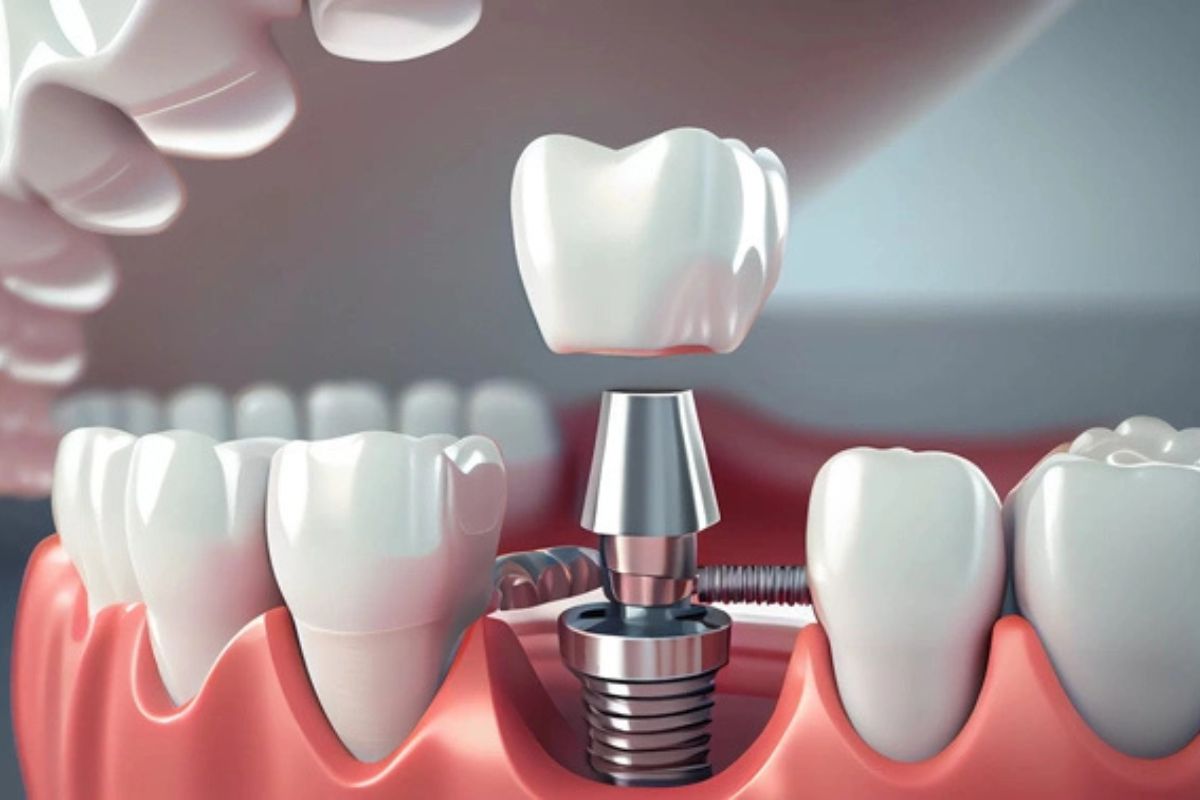
The reason implants last longer is simple. A titanium post is placed directly into the jawbone. Over time, the bone grows around the implant and fuses with it through a process called osseointegration. This creates a foundation that works just like a natural tooth root.
Bridges rely on the teeth next to the gap for support. Those teeth must be filed down to hold crowns. Over time, this weakens them and makes them more prone to decay and fracture. According to data from the American Dental Association, the supporting teeth under a bridge are more likely to need future treatment, which can shorten the bridge's life.
Families across Hialeah, Miami Lakes, and Hialeah Gardens often ask about longevity because they want to make a smart investment in their oral health. If lasting results are the priority, implants are the stronger option.
What Are the Downfalls of Dental Implants?
The downfalls of dental implants are higher upfront cost, a longer treatment timeline, the need for surgery, and the requirement for adequate jawbone density. Some patients may also need bone grafting before an implant can be placed, which adds time and expense to the process.
The implant process usually takes 3 to 6 months from start to finish. After the titanium post is placed, the jawbone needs time to heal and fuse with the implant. During this period, a temporary restoration is worn. For patients who need a tooth replaced quickly, this timeline can feel long.
According to a 2024 study published in Clinical Oral Investigations, long-term implant survival rates exceed 90% over 20 years. However, smokers, patients with uncontrolled diabetes, and those with poor oral hygiene face higher risks of implant failure. A condition called peri-implantitis, which is infection around the implant, is the most common cause of late-stage failure.
Patients in the Hialeah area who are considering implants should talk openly with their dentist about their health history. Conditions like diabetes or a history of gum disease do not automatically disqualify you, but they do require extra planning. The team at Castellanos Dental Aesthetics evaluates each patient's bone health and overall condition before recommending a treatment path.
What Is the Downside of a Dental Bridge?
The downside of a dental bridge is that it requires filing down healthy teeth on either side of the gap, it does not prevent jawbone loss, and it has a shorter lifespan than an implant. The supporting teeth bear extra stress from chewing forces, which can weaken them over time.
When a tooth is lost, the jawbone in that area starts to shrink because it no longer receives stimulation from chewing. Research from the National Institutes of Health shows that a person may lose up to 25% of bone width in the affected area within the first year after losing a tooth. Bridges sit above the gum line and do not replace the tooth root, so they cannot stop this bone loss.
Another downside is hygiene. Cleaning under a bridge requires special tools like floss threaders or water flossers. Food and bacteria can get trapped under the false tooth, which can lead to decay in the supporting teeth if cleaning is not thorough.
That said, bridges are still a good choice in certain situations. If the teeth on either side of the gap already need crowns, a bridge can be a practical two-in-one solution. Dental bridges remain one of the most proven ways to replace missing teeth and restore daily function.
Do Implants Look Better Than Bridges?
Yes, dental implants generally look better than bridges, especially for front teeth. An implant supports a single crown that emerges from the gum line just like a natural tooth. This creates a more realistic appearance. A bridge, while effective, connects multiple crowns together, which can sometimes look slightly less natural up close.
Implants also preserve the gum tissue and bone around the replacement tooth. This keeps the gum line looking even and healthy over time. With a bridge, the bone beneath the false tooth slowly shrinks, which can eventually create a visible gap between the bridge and the gum.
For patients in Hialeah who care about their smile's appearance, both options can deliver beautiful results when done by a skilled dentist. Cosmetic dentistry techniques have improved significantly, and modern bridges made from porcelain or zirconia look very lifelike.
Why Would a Dentist Not Recommend an Implant?
A dentist would not recommend an implant if the patient does not have enough jawbone to support it, if the patient has uncontrolled diabetes or other health conditions that slow healing, or if the patient is a heavy smoker. Young patients whose jaws are still growing are also not candidates for implants.
Bone density is the biggest factor. If too much bone has been lost in the jaw, the implant will not have a stable foundation. In many cases, bone grafting can rebuild the bone, but this adds months to the treatment plan. According to the American Dental Association, implant success rates remain above 90% even for patients who undergo bone grafting, which shows how reliable the procedure has become.
Some patients take medications like blood thinners or bisphosphonates that can affect healing after surgery. Others may have conditions that weaken the immune system. In these cases, a bridge may be the safer and more practical option.
Patients across Miami-Dade County should not assume they are disqualified from implants without a proper evaluation. Advances in implant technology mean more people are candidates today than ever before. A thorough exam that includes 3D imaging can reveal exactly how much bone is available and what treatment options are on the table.
Why Would a Dentist Not Recommend a Bridge?
A dentist would not recommend a bridge if the teeth next to the gap are weak, decayed, or missing. A bridge needs strong supporting teeth to anchor to. If those teeth are not healthy enough, the bridge will fail sooner. A dentist would also avoid a bridge if preserving the patient's healthy tooth structure is a top priority.
Longer bridge spans, meaning those that replace two or more teeth in a row, have lower success rates. The more teeth a bridge has to replace, the more stress it puts on the supporting teeth. Clinical data shows that bridges with larger spans fail more often than those replacing a single tooth.
If a patient's adjacent teeth are perfectly healthy and do not need crowns, grinding them down to anchor a bridge removes healthy enamel that cannot grow back. In this situation, an implant is a better choice because it stands on its own without touching the neighboring teeth.
Residents of West Hialeah who are unsure about which option is right for them can benefit from a detailed evaluation that considers their full dental history. The goal of restorative dentistry is to find the solution that fits your mouth, your life, and your long-term health.
Can I Switch From a Bridge To an Implant?
Yes, you can switch from a bridge to an implant in most cases. If your bridge is failing, worn out, or causing problems with the supporting teeth, your dentist may recommend removing it and placing an implant instead. The main requirement is having enough healthy jawbone to support the implant.
Because bridges do not stimulate the jawbone, some bone loss may have occurred under the bridge over the years. If this is the case, a bone graft may be needed before the implant can be placed. This adds a few months to the process but is a common and well-tested procedure.
Many patients in Hialeah who got bridges years ago are now upgrading to implants. As implant technology has become more advanced and accessible, more people are choosing the longer-lasting option when it is time to replace their old bridge.
What Is the Most Common Dental Implant Failure?
The most common dental implant failure is caused by peri-implantitis, which is an infection of the gum and bone tissue around the implant. Research published in the Journal of Clinical Periodontology estimates that peri-implantitis affects 5% to 10% of implant patients. Smoking, poor oral hygiene, and uncontrolled diabetes are the biggest risk factors.
Early implant failure happens when the bone does not fuse properly with the titanium post during the healing phase. This is less common and is usually linked to infection, overloading the implant too soon, or insufficient bone at the time of surgery. According to data from the International Team for Oral Implantology, about 0.3% of implants are lost during the first year after surgery.
Late failure, which occurs years after placement, is almost always tied to poor maintenance. Patients who skip regular dental cleanings, smoke, or do not brush and floss around their implants are at the highest risk. The good news is that with preventive care and regular checkups, the vast majority of implants last for decades.
What Is the 3-2 Rule for Dental Implants?
The 3-2 rule for dental implants is a clinical guideline that says there should be at least 3 millimeters of bone between two adjacent implants and at least 2 millimeters of bone between an implant and a natural tooth. This spacing is critical for maintaining healthy blood supply to the bone and gum tissue between the implants.
If implants are placed too close together, the bone between them can shrink. This can lead to gum recession, visible gaps, and even implant failure over time. The 3-2 rule helps dentists plan implant placement with precision so that each implant has the support it needs to last.
Modern dental practices use 3D imaging and computer-guided surgery to follow this rule accurately. This technology has made implant placement safer and more predictable than ever before.
Do Dental Implants Make You Look Younger?
Yes, dental implants can make you look younger. When teeth are missing, the jawbone slowly shrinks. This bone loss causes the lower face to collapse inward, creating a sunken look that adds years to your appearance. Implants stop this process by stimulating the jawbone the same way natural tooth roots do.
The World Health Organization reports that nearly 20% of the global population over age 60 experiences complete tooth loss. The facial changes that follow, including thinning lips, a shorter lower face, and deeper wrinkles around the mouth, are directly linked to jawbone deterioration.
By replacing the root and the crown of a missing tooth, implants maintain bone volume and preserve your natural face shape. Many patients in South Florida report looking and feeling years younger after implant treatment. It is one of the benefits that goes far beyond just having a complete smile.
Dental Bridge vs. Implant Comparison Table
FactorDental BridgeDental ImplantAverage Lifespan5 to 15 years25+ years, often a lifetime10-Year Success Rate79% to 94%95% to 98%Surgery RequiredNoYesTreatment Time2 to 3 weeks3 to 6 monthsAffects Adjacent TeethYes, teeth must be filed downNo, stands independentlyPrevents Bone LossNoYesInsurance CoverageMore likely to be coveredLess likely to be fully coveredBest ForMultiple missing teeth in a row, patients who cannot have surgerySingle missing tooth, patients wanting a permanent solutionSources: American Dental Association, American Academy of Implant Dentistry, Clinical Oral Investigations (2024), Cleveland Clinic
At What Age Should You Not Consider Dental Implants?
You should not consider dental implants if your jaw is still growing, which typically means before age 18 for most people. There is no upper age limit for dental implants. Healthy adults in their 70s, 80s, and even 90s have received successful implants.
According to the Population Reference Bureau, the number of Americans aged 65 and older is expected to grow from 58 million in 2022 to 82 million by 2050. Data from the American Academy of Implant Dentistry shows that about 12.9% of dental implants are placed in patients aged 65 to 74. This confirms that older adults are strong candidates when their overall health allows it.
For senior patients in the Hialeah area, the most important factor is bone density, not age. A healthy 80-year-old with good bone can be a better candidate than a 50-year-old with severe bone loss. Regular dental exams help catch bone loss early and keep more options available.
What Is the Most Painful Part of a Dental Implant?
The most painful part of a dental implant is usually the first 24 to 72 hours after the surgery. Most patients describe the discomfort as mild to moderate, similar to having a tooth pulled. The procedure itself is done under local anesthesia, so you should not feel pain during the surgery.
Swelling, bruising, and tenderness around the implant site are normal during the first few days. Over-the-counter pain medication is usually enough to manage the discomfort. Most patients return to normal activities within a day or two.
Patients in West Hialeah who feel nervous about implant surgery should know that modern techniques and technology have made the procedure much more comfortable than it was even 10 years ago. Dentists who use 3D imaging and computer-guided placement can work with greater precision, which means less tissue disruption and faster healing.
Are Dental Bridges Worth It?
Yes, dental bridges are worth it for many patients. They are a proven, reliable way to replace missing teeth, restore chewing ability, and prevent remaining teeth from shifting. Bridges are especially worth it for patients who need a faster solution, who cannot have surgery, or who are replacing multiple teeth in a row.
Data from the CDC shows that about 26% of adults aged 65 or older have 8 or fewer remaining teeth. For this population, bridges offer a way to restore function and quality of life without the longer timeline and surgical requirements of implants.
The key to getting the most value from a bridge is proper care. Brushing twice daily, using a floss threader to clean under the bridge, and visiting your dentist for regular checkups can help a bridge last 10 to 15 years or more. When maintained well, a bridge provides excellent daily function and a natural-looking smile.
Patients across Hialeah Gardens and Miami Lakes who want to explore dental crowns and bridge options can schedule a consultation to see which approach fits their needs and goals.
What Is the Next Best Thing To Dental Implants?
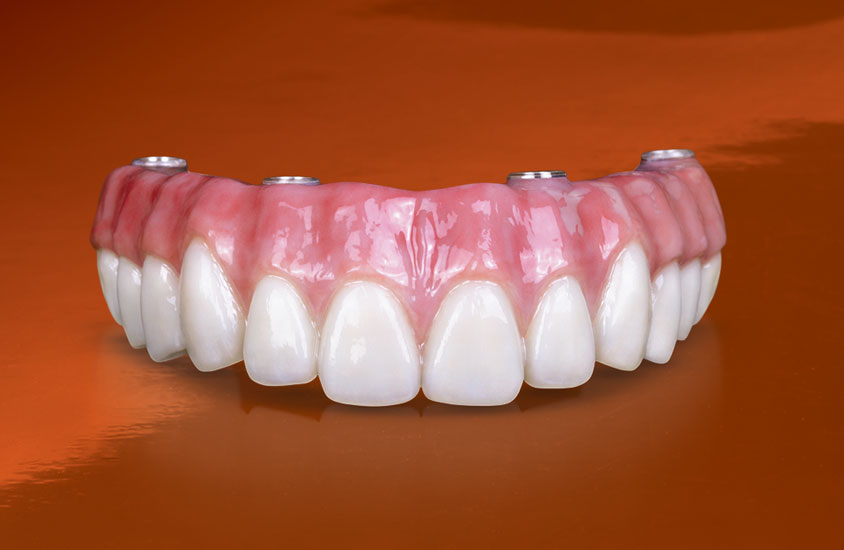
The next best thing to dental implants is an implant-supported bridge or implant-supported denture. These options use a small number of implants to anchor a larger restoration, giving patients many of the benefits of implants, like bone preservation and stability, without needing an individual implant for every missing tooth.
Traditional fixed bridges are also a strong alternative. While they do not prevent bone loss, they provide stable, reliable function and a natural appearance. For patients who cannot have surgery at all, full and partial dentures are another option, though they offer less stability and do not prevent bone loss.
The global dental implant market was valued at over $5 billion in 2024, according to Grand View Research, and is projected to grow at 8% per year through 2030. This growth reflects the increasing demand for implant-based solutions and the expanding range of options available to patients.
Frequently Asked Questions
How Do I Know if I Need a Bridge or an Implant in Hialeah?
You can find out if you need a bridge or an implant by scheduling a dental exam that includes X-rays or 3D imaging. Your dentist will evaluate your bone density, the health of your remaining teeth, and your overall medical history. Patients in Hialeah and surrounding areas like Miami Lakes and Palm Springs North can get a full evaluation at a practice that offers both options to receive an honest, unbiased recommendation.
Does Insurance Cover Dental Implants in Florida?
Insurance coverage for dental implants in Florida varies by plan. Many dental insurance plans cover bridges more fully than implants because implants are sometimes classified as elective. However, coverage is improving, and some plans now include partial coverage for implants. Patients in the Hialeah area should check with their insurance provider and ask about financing options to make treatment more affordable.
How Many Teeth Can a Dental Bridge Replace?
A dental bridge can replace one to four missing teeth in a row. The most common type replaces one or two teeth. Longer bridges that replace three or four teeth put more stress on the supporting teeth and may not last as long. Your dentist will recommend the right size based on the health of your remaining teeth and the location of the gap.
Can I Eat Normally With a Dental Implant?
Yes, you can eat normally with a dental implant once it has fully healed and the permanent crown is placed. Implants function just like natural teeth. You can bite into apples, chew steak, and eat all the foods you enjoy. During the healing phase, which lasts a few months, you will need to stick to softer foods to protect the implant.
How Long Is the Recovery After a Dental Implant in West Hialeah?
Recovery after a dental implant in West Hialeah typically takes 3 to 6 months total. The initial soreness from surgery fades within a few days. The longer recovery period is for osseointegration, the process where your jawbone fuses with the implant. Most patients return to work and daily activities within 1 to 2 days after surgery. According to data from clinical studies, patients with good oral health and non-smokers tend to heal faster.
What Happens if I Do Not Replace a Missing Tooth?
If you do not replace a missing tooth, the teeth next to the gap can shift and become crooked. Your jawbone will start to shrink in that area. According to the National Institutes of Health, up to 25% of bone width can be lost within the first year after tooth loss. Over time, this can change your face shape, make chewing harder, and lead to more tooth loss. Replacing the tooth as soon as possible gives you the best results.
Are There Affordable Tooth Replacement Options in Hialeah, Florida?
Yes, there are affordable tooth replacement options in Hialeah, Florida. Bridges tend to have a lower upfront cost than implants. Many dental offices in the area, including those serving West Hialeah, also offer payment plans and flexible financing to help spread the cost over time. Investing in tooth replacement now is almost always less expensive than dealing with the complications of untreated tooth loss later.
Final Thoughts
Choosing between a dental bridge and an implant comes down to your health, your goals, and your timeline. Implants are the gold standard for long-term tooth replacement. They last longer, protect your jawbone, and do not damage neighboring teeth. Bridges are a proven, faster alternative that works well for patients who need a reliable solution without surgery. Both options can restore your smile, your confidence, and your ability to eat and speak comfortably.
Over 178 million Americans are missing at least one tooth, according to the American Academy of Implant Dentistry. If you are one of them, the best thing you can do is talk to a dentist who offers both bridges and implants and can give you an honest recommendation based on your specific needs. The team at Castellanos Dental Aesthetics in West Hialeah has been serving patients across South Florida for over 25 years. Their experience with both restorative treatments means you will get a plan built around what is best for your mouth, not a one-size-fits-all answer. Call (305) 820-4080 or visit their office to schedule your consultation today.

.png)
.png)

.png)


.png)

.png)
.png)
.png)
.png)

.png)
.png)
.svg)


