.png)
.svg)
.png)

Braces vs Clear Aligners Pros and Cons
.png)
.png)
Braces and clear aligners can both straighten teeth and fix bite problems, but they work in very different ways and suit different lifestyles. Braces are better for complex cases, while clear aligners are ideal for mild to moderate misalignment and offer a nearly invisible look. According to the American Association of Orthodontists (AAO), about 4 million Americans wear braces, and 25% of them are adults. The global orthodontics market was valued at $5.95 billion in 2023 and is projected to reach $14.38 billion by 2030, showing just how fast demand for both options is growing. This article breaks down the pros and cons of braces vs clear aligners so you can make the best choice for your smile.
Do Braces or Clear Aligners Work Better for Straightening Teeth?
Braces work better for complex orthodontic cases, while clear aligners work just as well for mild to moderate misalignment. A 2024 study published in the Journal of Pharmacy and Bioallied Sciences compared 100 adult patients and found that both treatments achieved successful results. The braces group had a 92% satisfactory alignment rate compared to 84% for clear aligners, though the difference was not statistically significant.
The same study found that clear aligners offered shorter average treatment times of 14.2 months compared to 18.4 months for braces. For straightforward spacing and crowding issues, clear aligners are an effective and comfortable choice. For severe bite problems, large rotations, or major tooth movements, braces still hold the edge because they give the dentist more direct control over each tooth.
According to the AAO, there is no single "right way" for orthodontic treatment. The best option depends on an accurate diagnosis and a treatment plan built around your specific needs. Families in Hialeah, Florida looking to compare both options should start with a consultation to find out which approach fits their case.
What Are the Pros and Cons of Clear Aligners?
The pros of clear aligners are their nearly invisible appearance, removability for eating and brushing, shorter average treatment time, and greater comfort. The cons of clear aligners are that they require strict discipline to wear 20 to 22 hours per day, they are less effective for complex cases, and lost or damaged trays can delay treatment.
Pros of Clear Aligners
Clear aligners are made from smooth, BPA-free plastic and have no metal brackets or wires. This means less irritation to your cheeks and gums. A 2024 study published in the Journal of Pharmacy and Bioallied Sciences found that patients using clear aligners reported significantly higher satisfaction scores for aesthetics (8.7 out of 10) and comfort (8.5 out of 10) compared to patients with braces.
Because clear aligners are removable, you can eat whatever you want, and brushing and flossing are easy. A 2024 meta-analysis published in ScienceDirect found that patients using clear aligners had lower plaque, gingival, and bleeding index scores compared to those wearing fixed braces. This means better gum health during treatment.
Treatment time for clear aligners typically ranges from 6 to 18 months for mild to moderate cases, according to the AAO. Align Technology, the maker of Invisalign, reports that their system has treated more than 12.2 million patients worldwide. Adults and teens across Hialeah who want a low-profile way to straighten their teeth often prefer this option.
Cons of Clear Aligners
Clear aligners depend heavily on patient compliance. If you do not wear them for the recommended 20 to 22 hours each day, treatment can stall or fail. According to data from Align Technology, each aligner is designed to be worn for one to two weeks before moving to the next set. Skipping hours means slower progress and possibly extra aligner sets.
Research published in ScienceDirect notes that clear aligner therapy tends to produce less accurate results for complex tooth movements. Rotational movements (especially canines), vertical movements, and torque control are known limitations. Braces are still more effective for deep overbites, severe crowding, and significant jaw alignment issues.
Clear aligners are also small and removable, which means they can be lost. Patients occasionally leave them in napkins at restaurants or misplace them while traveling. Replacing a tray adds time and potential cost to the treatment. These are important things to think about if you are considering orthodontic care in West Hialeah.
What Are the Pros and Cons of Traditional Braces?
The pros of traditional braces are their effectiveness for all levels of misalignment (mild to severe), their fixed design that removes the need for patient compliance with wearing schedules, and their ability to handle complex bite corrections. The cons of traditional braces are their visible metal appearance, dietary restrictions, difficulty cleaning around brackets and wires, and potential discomfort from sharp edges.
Pros of Traditional Braces
Braces are the gold standard for complex orthodontic cases. They can fix severe crowding, large overbites and underbites, significant rotations, and jaw alignment problems that clear aligners cannot always handle. According to the AAO, most orthodontic problems can be successfully treated with braces.
Because braces are fixed to the teeth, they work 24 hours a day without relying on the patient to remember to put them back in. This is a big advantage for younger patients and teens who may not be responsible enough to keep aligners in all day. According to Humana Inc., more than 4 million Americans currently wear braces, and about 50% of orthodontic patients are between the ages of 13 and 19.
Braces also come in different styles today, including tooth-colored ceramic brackets and lingual braces that go behind the teeth. These options make braces less noticeable while still delivering powerful results for patients in the Hialeah area who need more than minor adjustments.
Cons of Traditional Braces
Braces are visible, and for many adults and teens, that is a drawback. Even with ceramic or tooth-colored options, wires and rubber bands can still be seen. According to the 2024 patient satisfaction study published in the Journal of Pharmacy and Bioallied Sciences, patients with braces scored significantly lower on aesthetic satisfaction (5.9 out of 10) compared to clear aligner patients (8.7 out of 10).
Food restrictions are another downside. Sticky, hard, crunchy, and chewy foods can break brackets or bend wires. The AAO advises patients with braces to avoid foods like caramel, popcorn, hard candy, and raw carrots. Brushing and flossing are also harder with braces because food easily gets trapped around the brackets. According to the CDC, poor oral hygiene during orthodontic treatment can lead to plaque buildup, white spots on enamel, and even cavities.
Braces can also cause soreness, especially after adjustments. The metal brackets and wires can irritate the inside of the lips and cheeks. Treatment with braces typically lasts 18 to 36 months, which is longer than most clear aligner cases. Patients who want to minimize time in treatment and have a mild to moderate case may find adult orthodontics with clear aligners to be a faster route.
What Is the 30-Minute Rule With Invisalign?
The 30-minute rule with Invisalign means you should aim to keep your aligners out of your mouth for no more than 30 minutes at a time when eating or drinking. This helps you stay within the 20 to 22 hours of daily wear time that is required for treatment to stay on track.
If you take your aligners out for longer stretches during meals or social events, those minutes add up quickly. According to Align Technology, consistent wear is the most important factor in getting results on time. Patients who regularly exceed the recommended removal time may need extra aligner trays or a longer treatment period. Keeping meals to 30 minutes or less and putting the aligners back in right after is the simplest way to stay compliant.
What Age Is Best for Braces or Clear Aligners?
The best age for braces is typically between 10 and 14, when most permanent teeth have come in but the jaw is still growing. Clear aligners are best for older teens and adults, though Invisalign now offers options for kids as young as 6.
According to the AAO, children should have their first orthodontic evaluation by age 7. This early check allows the dentist to spot problems with jaw growth and tooth spacing before they get worse. In many cases, treatment does not start right away, but early detection helps plan the right approach.
For adults, there is no age limit. The AAO reports that as many as 1 in 3 adults have recently straightened their teeth or are currently in treatment. Between 1989 and 2012, there was a 40% increase in the number of adults over 18 seeking orthodontic care. Many adults in Hialeah, Florida choose clear aligners because they fit into a busy professional life without drawing attention. A consultation at a cosmetic dentistry practice can help determine the right timing and method.
Why Do Some Orthodontists Not Recommend Clear Aligners?
Some orthodontists do not recommend clear aligners because the patient's case is too complex for aligners to handle effectively. Clear aligners have known limitations with large tooth rotations, significant vertical movements, and severe bite corrections. In those situations, braces give the provider more control.
According to a study cited in The New York State Dental Journal, Invisalign has been proven to resolve moderate anterior crowding predictably, but outcome studies have highlighted its weaknesses in treating anterior-posterior discrepancies, large rotational movements, and tooth extrusion. For these reasons, a dentist or orthodontist may steer a patient toward braces instead.
That said, clear aligner technology has improved greatly in recent years. Align Technology now offers features like SmartForce attachments, Power Ridges, and Bite Ramps that address many situations that aligners previously could not. The key is getting a proper evaluation first. Your dentist in West Hialeah can assess your teeth, bite, and goals to determine which approach will give you the best result.
Why Do People Quit Clear Aligner Treatment?
People quit clear aligner treatment mainly because of poor compliance, unrealistic expectations, or discomfort during the adjustment period. Since aligners must be worn 20 to 22 hours a day, some patients find the discipline too demanding for their daily routine.
According to the 2024 patient satisfaction study, compliance rates at 12 months were slightly higher for clear aligner patients (92%) compared to braces patients (87%), though the difference was not significant. This shows that most patients who start treatment do stick with it. However, patients who frequently remove their aligners for meals, drinks, or social events often see slower results, which can lead to frustration and eventually quitting.
Setting clear expectations from the start makes a big difference. Knowing how long treatment will take, how often to change trays, and what the final result will look like helps keep patients motivated. Families throughout Hialeah who are considering orthodontic treatment should ask detailed questions during their initial consultation to feel confident about the process.
Can People Tell You Are Wearing Clear Aligners?
No, most people cannot tell you are wearing clear aligners. The trays are made from thin, transparent plastic that fits tightly over the teeth. From a normal conversation distance, they are practically invisible.
Small tooth-colored attachments (sometimes called "buttons") may be placed on certain teeth to help guide movement. These attachments are noticeable up close but are still far less visible than metal brackets and wires. According to the AAO, clear aligners are one of many technological advancements that have made orthodontic treatment less conspicuous. For working professionals and adults in the Hialeah area who want a discreet option, this is one of the biggest advantages.
What Will Happen If I Only Wear My Aligners at Night?
If you only wear your aligners at night, your teeth will not move as planned. Wearing aligners for 8 hours instead of the required 20 to 22 hours means the trays are not applying enough force to shift your teeth. Treatment will stall, and your aligners may no longer fit properly when you try to advance to the next set.
According to Align Technology, each aligner is designed to make small, precise movements over one to two weeks. Those movements require consistent pressure throughout the day. Only wearing them at night could add months to your treatment or cause the aligners to fail entirely, requiring new scans and new trays.
Do I Have To Wear a Retainer Forever After Treatment?
Yes, you will need to wear a retainer after both braces and clear aligner treatment to keep your teeth from shifting back. Most dentists recommend wearing a retainer full-time for the first few months, then transitioning to nighttime-only wear.
According to the AAO, retainer wear applies to all orthodontic patients, regardless of the type of appliance used. Teeth have a natural tendency to drift back toward their original positions, especially in the first year after treatment ends. Wearing your retainer as directed is the only way to protect the investment you made in straightening your smile. If your retainer breaks or no longer fits, contact your dentist right away for a replacement. Regular dental visits help make sure your retention plan stays on track.
What Is a Cheaper Option Than Clear Aligners?
A cheaper option than clear aligners is traditional metal braces. According to multiple industry sources, traditional braces generally range from $2,500 to $6,000, while clear aligners typically cost between $3,000 and $8,000. The exact amount depends on the complexity of the case, the length of treatment, and the provider.
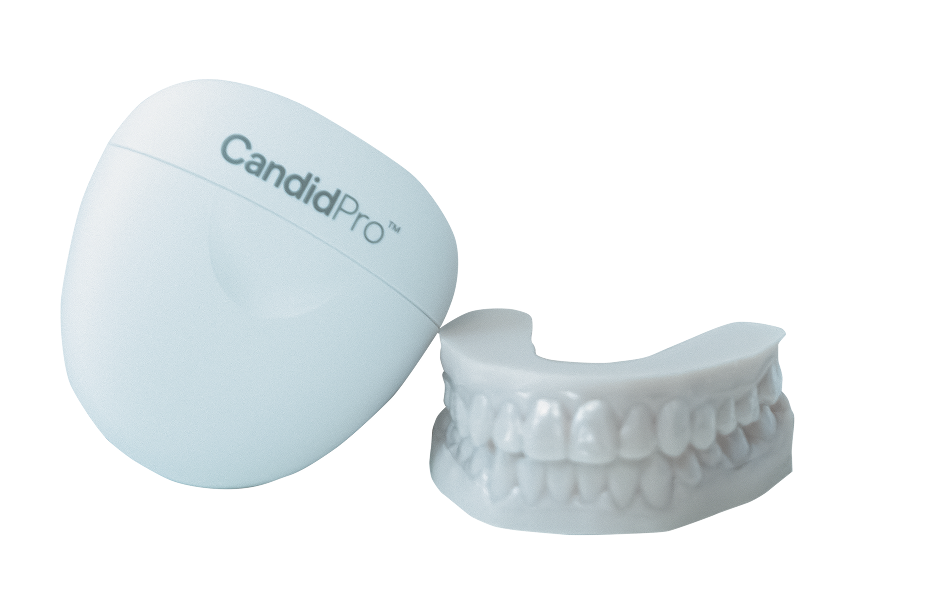
Some dental offices also offer in-house aligner brands that may cost less than Invisalign. At Castellanos Dental Aesthetics in Hialeah, Candid invisible aligners are available as a clear aligner option. Many dental insurance plans cover a portion of orthodontic treatment for both braces and aligners, and flexible payment plans can make either option more affordable. Visit the insurance and financing page to explore your options.
Braces vs Clear Aligners: Side-by-Side Comparison
FactorTraditional BracesClear AlignersAppearanceVisible metal brackets and wires (ceramic options available)Nearly invisible, clear plastic traysRemovabilityFixed, not removableRemovable for eating, brushing, and flossingAverage Treatment Time18 to 36 months6 to 18 months (mild to moderate cases)Best ForComplex cases: severe crowding, large bite corrections, significant rotationsMild to moderate crowding, spacing, and simple bite issuesEffectiveness (Satisfactory Alignment)92% (2024 JPBS study)84% (2024 JPBS study)ComfortCan cause irritation from wires and bracketsSmooth plastic, minimal irritationDietary RestrictionsYes, must avoid hard, sticky, and crunchy foodsNone, remove trays before eatingOral HygieneHarder to brush and floss around bracketsEasy, remove trays and clean teeth normallyPatient Compliance NeededMinimal, braces work 24/7High, must wear 20 to 22 hours dailyAesthetic Satisfaction Score5.9 out of 108.7 out of 10
Sources: American Association of Orthodontists, Journal of Pharmacy and Bioallied Sciences (2024), Align Technology, ScienceDirect
Frequently Asked Questions
Are Clear Aligners a Good Option for Adults in Hialeah?
Yes, clear aligners are a good option for adults in Hialeah who have mild to moderate crowding, spacing, or bite issues. According to the AAO, about 1 in 3 adults have recently used or are currently using orthodontic treatment. Clear aligners fit into a busy adult lifestyle because they are removable, nearly invisible, and require fewer office visits than braces.
How Long Does Orthodontic Treatment Take in Hialeah?
Orthodontic treatment in Hialeah typically takes 6 to 18 months for clear aligners and 18 to 36 months for braces, depending on the complexity of the case. A 2024 study published in the Journal of Pharmacy and Bioallied Sciences found an average treatment time of 14.2 months for clear aligners compared to 18.4 months for braces. Your dentist will give you a more specific timeline after evaluating your teeth.
Can Teens Use Clear Aligners Instead of Braces?
Yes, teens can use clear aligners instead of braces for many cases. Invisalign offers a teen-specific version with compliance indicators that fade with wear, helping parents and dentists track whether the aligners are being worn enough. However, teens with severe bite problems or who may struggle with the responsibility of keeping removable trays in all day may do better with braces.
Do Clear Aligners Hurt More Than Braces?
No, clear aligners generally hurt less than braces. The 2024 patient satisfaction study found that clear aligner patients reported comfort scores of 8.5 out of 10 compared to 6.2 out of 10 for braces patients. Aligners apply gentle pressure and have no metal parts that can poke or irritate your mouth. Mild pressure when switching to a new tray is normal and usually goes away in a day or two.
Does Dental Insurance Cover Clear Aligners in Hialeah?
Many dental insurance plans cover clear aligners in Hialeah the same way they cover braces. According to data from OrthoFi, 92% of patients with dental insurance qualified for up to $3,000 in orthodontic coverage. Coverage varies by plan, so it is important to check your benefits. Financing options can also help make treatment more affordable.
Can Clear Aligners Fix an Overbite?
Clear aligners can fix a mild to moderate overbite, but severe overbites may require braces. Align Technology now offers features like mandibular advancement and Bite Ramps specifically designed to address certain bite issues. A proper evaluation will determine if aligners can handle your specific case or if braces are the better path.
Where Can I Get Braces or Clear Aligners in West Hialeah?
You can get braces or clear aligners in West Hialeah at a dental practice that offers orthodontic services. A full evaluation of your teeth, bite, and goals will help determine the best treatment for you. Castellanos Dental Aesthetics has been serving the West Hialeah community since 1998 and offers clear aligner treatments along with other orthodontic solutions for teens and adults.
Final Thoughts
Both braces and clear aligners can give you a straighter, healthier smile. Braces are the stronger choice for complex cases, while clear aligners offer a comfortable, discreet, and faster option for mild to moderate misalignment. The right choice depends on your specific dental needs, your lifestyle, and how committed you are to wearing removable appliances. With about 50% of the population affected by some form of misaligned teeth, according to industry data, there has never been a better time to explore your options.
If you are ready to find out which treatment is right for you, contact Castellanos Dental Aesthetics in West Hialeah, Florida to schedule a consultation. Whether you are an adult looking for a discreet way to improve your smile or a parent exploring options for your teen, the team at Castellanos Dental Aesthetics will guide you through every step. Call 305-820-4080 today.

.png)
.png)

.png)


.png)


.png)
.png)
.png)
.png)

.png)
.png)
.svg)


