.png)
.svg)
.png)

Best Practices After Whitening Your Teeth
.png)
.png)
The best practices after whitening your teeth are to avoid staining foods and drinks for 48 hours, brush gently with a fluoride toothpaste, skip tobacco products, drink plenty of water, and use dentist-provided touch-up trays every few months. The first two days after your whitening treatment are the most critical because your enamel pores are still open and your teeth absorb color more easily than normal.
This guide covers everything you need to do in the hours, days, and weeks after a whitening procedure to protect your results. We explain which foods to eat and avoid, how to handle sensitivity, the right way to brush and rinse, and how to keep your smile bright for months or even years after treatment.
Why the First 48 Hours After Whitening Your Teeth Matter Most
The first 48 hours after whitening your teeth matter most because the bleaching agents open tiny pores in your enamel during the procedure, and those pores stay open temporarily after treatment ends. During this window, your teeth are significantly more porous and absorb pigments from food, drinks, and tobacco far more easily than usual.
According to the American Dental Association, whitening products contain hydrogen peroxide or carbamide peroxide that penetrate enamel to break down stain molecules. This process leaves the enamel surface temporarily softer and more vulnerable. Research published in Clinical Oral Investigations found that fluoride can begin restoring acid-softened enamel within 60 minutes of application, but full remineralization of the enamel surface takes 24 to 48 hours.
Think of your freshly whitened teeth like a white shirt straight out of the wash. Anything that would stain that shirt will stain your teeth right now. What you eat, drink, and do during this 48-hour window either protects or undoes the results you just invested in. A dental exam before whitening also helps because it confirms your teeth are healthy enough to handle the procedure and recover properly.
What Are the Dos and Don'ts After Teeth Whitening?
The dos after teeth whitening are to drink plenty of water, eat light-colored and non-acidic foods, brush gently with a soft-bristled toothbrush, use fluoride toothpaste, rinse your mouth after eating, and follow your dentist's aftercare instructions. The don'ts are to avoid coffee, tea, red wine, dark sauces, berries, tobacco, colored mouthwash, and extremely hot or cold foods and drinks.
According to a Delta Dental 2024 survey, 52% of adults rate tooth brightness as a top oral health priority. Protecting your whitening results with proper aftercare is what separates patients who keep their bright smile for a year or more from those who see it fade in just a few months.
What to Eat After Teeth Whitening
After teeth whitening, you should eat white and light-colored foods that will not stain your teeth. Safe choices include chicken, turkey, white fish, rice, pasta with white sauce, eggs, bananas, cauliflower, potatoes, white cheese, plain yogurt, and oatmeal. These foods are low in pigment and non-acidic, which makes them gentle on your freshly whitened enamel.
After the first 48 hours, you can start adding in lighter-colored fruits like apples and pears, along with crunchy vegetables like celery, carrots, and green beans. These foods stimulate saliva production, which is your mouth's natural defense against staining and acid. According to the World Health Organization, oral diseases affect nearly 3.5 billion people globally, and diet plays a major role in both causing and preventing tooth problems.
What to Avoid After Teeth Whitening
After teeth whitening, you should avoid coffee, tea, red wine, cola, dark berries, soy sauce, balsamic vinegar, tomato sauce, curry, dark chocolate, and any food or drink with strong pigments. Acidic foods like citrus fruits, pickles, and soda should also be avoided because they weaken the enamel further and make it easier for new stains to set in.
Tobacco is one of the fastest ways to undo whitening results. The tar and nicotine in cigarettes cause deep stains that are extremely hard to remove. According to the Centers for Disease Control and Prevention, tobacco use remains one of the leading causes of oral health problems in the United States. If you have recently quit smoking, whitening can be a strong motivator to stay tobacco-free.
Colored mouthwash and colored toothpaste should also be avoided for the first 48 hours. Stick to white or clear formulas. After the initial two-day window, you can gradually bring staining foods back into your diet, but rinsing with water right after consuming them helps protect your results. A professional teeth whitening session gives you dramatic results, and following these aftercare rules is what makes those results stick.
How to Brush Your Teeth After Whitening
You should brush your teeth after whitening using a soft-bristled toothbrush with gentle, circular motions and a fluoride toothpaste. Do not use an abrasive or whitening toothpaste for the first week, as your enamel is temporarily more sensitive and abrasive products can cause irritation. Brush twice a day and floss once a day to keep your teeth clean and free of plaque that could trap staining particles.
Wait at least 30 minutes after eating before brushing, especially if you have consumed anything acidic. Brushing too soon after acid exposure can cause more harm than good because the softened enamel is more vulnerable to abrasion. According to the ADA, using a toothpaste with fluoride helps remineralize enamel and reduce sensitivity after whitening.
After the first week, you can switch to a gentle whitening toothpaste that has the ADA Seal of Acceptance. This helps maintain brightness without damaging the enamel. Pair your brushing with an alcohol-free mouthwash to avoid drying out your mouth, which can make teeth more prone to staining.
How Long Does Tooth Sensitivity Last After Whitening?
Tooth sensitivity after whitening usually lasts 24 to 48 hours, though it can persist for up to a week in some patients. The sensitivity happens because the peroxide penetrates through the enamel and temporarily exposes tiny nerve endings in the dentin layer underneath. This causes brief, sharp sensations, especially when teeth are exposed to hot, cold, or sweet foods and drinks.
A study published in the Journal of the American Dental Association found that 54% of participants using a 15% carbamide peroxide whitening gel experienced mild sensitivity. According to research cited by the National Institutes of Health, sensitivity peaks immediately after treatment and generally decreases within 24 hours. Higher-concentration gels used in professional settings may cause slightly more sensitivity, but it also resolves faster because the treatment time is shorter.
Using a desensitizing toothpaste with potassium nitrate or stannous fluoride for one to two weeks before and after whitening helps block pain signals. A fluoride rinse after treatment also speeds up enamel recovery. If sensitivity lasts longer than a week, contact your dentist. We always assess sensitivity risk before starting any whitening treatment so we can adjust the concentration or application time if needed.
How Long Do Teeth Whitening Results Last?
Teeth whitening results last anywhere from six months to two years or more, depending on the type of treatment and your daily habits. Professional in-office whitening generally lasts the longest because the concentration is higher and the application is more precise. Patients who follow good aftercare practices and limit staining foods can keep their results for well over a year.
According to a review published in the Journal of Evidence-Based Dental Practice, the best strategy for long-lasting results is to follow an in-office treatment with monthly home-based touch-ups using dentist-provided products. Patients who go right back to heavy coffee, tea, and red wine consumption without rinsing or touch-ups typically see their brightness fade within three months.
A 2023 study published in the journal Medicina found that at-home whitening trays and in-office treatments achieved similar whitening levels at six months post-treatment, which shows that consistent maintenance matters just as much as the initial procedure. Regular professional teeth cleaning every six months removes surface stains that build up over time, which extends your whitening results even further.
Can You Drink Coffee After Teeth Whitening?
You should not drink coffee for at least 48 hours after teeth whitening. Coffee contains both chromogens (color compounds) and tannins that bind to tooth enamel and cause staining. Since your enamel pores are still open after whitening, coffee stains absorb faster and deeper than they normally would.
After the 48-hour window, you can bring coffee back gradually. Adding milk lightens the color and reduces the staining effect. Drinking through a straw limits how much coffee contacts your front teeth. Rinsing your mouth with water right after finishing your cup helps wash away pigments before they settle in. These small habits make a big difference over time.
How to Keep Teeth White After Whitening Long Term
You keep teeth white after whitening long term by brushing twice a day with fluoride toothpaste, flossing daily, rinsing with water after consuming dark beverages, avoiding tobacco, scheduling dental cleanings every six months, and using take-home touch-up trays as recommended by your dentist. These habits protect your investment and keep your shade consistent.
According to Mordor Intelligence, the global teeth whitening market was valued at roughly $7.7 billion in 2025, which shows how many people are investing in brighter smiles. But the investment only pays off if you maintain it. A consistent preventive care routine supports both your whitening results and your overall oral health.
Drinking water throughout the day is one of the simplest and most effective habits. Water rinses away food particles, neutralizes acids, and keeps saliva flowing. Saliva is your enamel's best friend because it continuously deposits calcium and phosphate back into the tooth surface, helping it stay strong and stain-resistant.
Should You Use Whitening Toothpaste After Professional Whitening?
You should not use whitening toothpaste immediately after professional whitening. Wait at least one week before switching to a gentle whitening formula. Your enamel needs time to remineralize and close its pores before it can handle the mild abrasives found in whitening toothpastes. Using one too soon can increase sensitivity and irritate already-vulnerable tooth surfaces.
According to the ADA, a 2020 systematic review found that whitening toothpastes had less whitening power than strips but were effective at maintaining brightness between professional treatments. Look for a toothpaste with the ADA Seal of Acceptance and avoid ultra-abrasive formulas. A toothpaste with fluoride is always the safest choice for daily enamel protection.
Staining Foods and Drinks to Avoid vs. Safe Options After Whitening
Avoid for 48 Hours (Staining/Acidic)Safe to Eat and Drink (White Diet)Coffee and espressoWater (still or sparkling, unflavored)Black tea, green tea, herbal teas with tanninsMilk (white, unflavored)Red wine and white wine (acidic)Chicken, turkey, white fishCola, dark sodas, energy drinksRice, plain pasta, white breadDark berries (blueberries, blackberries, cherries)Bananas, pears, apples (peeled)Soy sauce, balsamic vinegar, tomato sauceEggs, white cheese, plain yogurtCurry, turmeric, paprikaCauliflower, potatoes, mushroomsCitrus fruits (lemons, oranges, limes)Oatmeal, cream of wheatDark chocolate, colored candyClear or light-colored soupsTobacco (cigarettes, chewing tobacco)Sugar-free gum (stimulates saliva)
Sources: American Dental Association, Clearwater Dental Associates, Dr. Michael's Dental Clinic, Bunker Hill Dentistry aftercare guidelines
How Often Should You Get Touch-Up Whitening Treatments?
You should get touch-up whitening treatments every six to twelve months, depending on your diet, lifestyle, and how well you follow your aftercare routine. Heavy coffee or tea drinkers may need touch-ups closer to the six-month mark, while patients who limit staining substances can go a year or longer between sessions.
According to a safety review published in the British Dental Journal, between 15% and 78% of patients experience tooth sensitivity during whitening, and the likelihood increases with frequency. Over-whitening can weaken enamel and give teeth a translucent appearance. This is why we recommend spacing treatments appropriately and using take-home trays at the right intervals rather than overdoing it. A cosmetic dentistry consultation helps determine the right touch-up schedule for your individual needs.
Can You Smoke After Teeth Whitening?
No, you should not smoke after teeth whitening. Tobacco is one of the fastest and most aggressive causes of tooth staining. The tar and nicotine in cigarettes penetrate enamel pores that are already wide open after whitening, causing deep yellow and brown stains that are extremely difficult to remove. Smoking immediately after whitening can undo your results within days.
According to the CDC, cigarette smoking is the leading cause of preventable disease and death in the United States, and oral health damage is one of the most visible consequences. If you are trying to quit, a fresh whitening treatment can serve as a powerful motivator. Many of our patients in Hialeah tell us that seeing their bright new smile is what finally helped them stop.
Does Whitening Damage Your Enamel?
No, professional whitening does not permanently damage your enamel when performed correctly. The bleaching process may temporarily soften the enamel surface, but saliva naturally remineralizes and repairs it within hours to days. A study published in the Journal of Esthetic and Restorative Dentistry tested five different bleaching products and found that while some surfaces were softened, no actual erosion occurred when products were used according to directions.
The real risk to enamel comes from overuse of whitening products, using unregulated kits, or whitening teeth that have existing cracks or thin enamel. This is why a dental evaluation before whitening is so important. A fluoride treatment after your whitening session can accelerate enamel recovery and reduce sensitivity.
When Can You Eat Normally After Teeth Whitening?
You can eat normally after teeth whitening once the initial 48-hour window has passed. After two days, the enamel pores close back up and your teeth return to their normal level of stain resistance. However, for the best long-term results, many dentists recommend staying cautious with heavily staining foods for a full week.
A 2018 Cochrane review confirmed that both sensitivity and gum irritation from whitening products are considered mild and resolve shortly after treatment ends. Once you are past the first 48 hours, the key is not avoiding staining foods forever, but developing smart habits around them. Rinse with water after dark beverages, use a straw for coffee and tea, and brush your teeth within 30 minutes of eating anything with strong pigments. These small changes protect your whitening investment without forcing you to give up what you enjoy.
How Regular Dental Cleanings Help Maintain Whitening Results
Regular dental cleanings help maintain whitening results by removing plaque, tartar, and surface stains that build up over time and dull the appearance of your teeth. A professional cleaning every six months gives your dentist a chance to polish away new stains before they set in permanently. It also keeps your gums healthy, which supports the overall look of your smile.
According to the ADA, regular dental visits are one of the most effective ways to maintain oral health and catch problems early. A study from the National Institute of Dental and Craniofacial Research found that patients who maintain consistent dental visits have significantly better oral health outcomes than those who skip appointments. Combining your cleanings with general dental care gives you the strongest foundation for keeping your whitened smile looking its best.
Frequently Asked Questions
Can I Drink Water After Teeth Whitening?
Yes, you can drink water after teeth whitening. In fact, water is the best thing you can consume during the first 48 hours. It helps rinse away food particles, neutralizes acids, and keeps your mouth hydrated. Staying hydrated also supports saliva production, which is your enamel's natural defense against staining and decay.
Can I Brush My Teeth Right After Whitening?
You can brush your teeth after whitening, but do it gently. Use a soft-bristled toothbrush and a non-abrasive fluoride toothpaste. Avoid whitening toothpaste for the first week. If you just ate something acidic, wait at least 30 minutes before brushing to avoid damaging the temporarily softened enamel.
How Long After Whitening Can I Drink Coffee?
You should wait at least 48 hours after whitening before drinking coffee. Your enamel pores are still open during this window, and coffee's chromogens and tannins can absorb into your teeth quickly. After 48 hours, you can resume coffee with precautions like adding milk, using a straw, and rinsing with water afterward.
Will My Teeth Stain Again After Professional Whitening?
Yes, your teeth will gradually stain again after professional whitening if you continue consuming staining foods and drinks. Whitening is not permanent. However, with good aftercare habits, regular cleanings, and periodic touch-up treatments, most patients keep their results for one to two years. According to the Journal of Evidence-Based Dental Practice, monthly at-home touch-ups after an in-office session produce the longest-lasting brightness.
Is It Normal for Teeth to Look Uneven After Whitening?
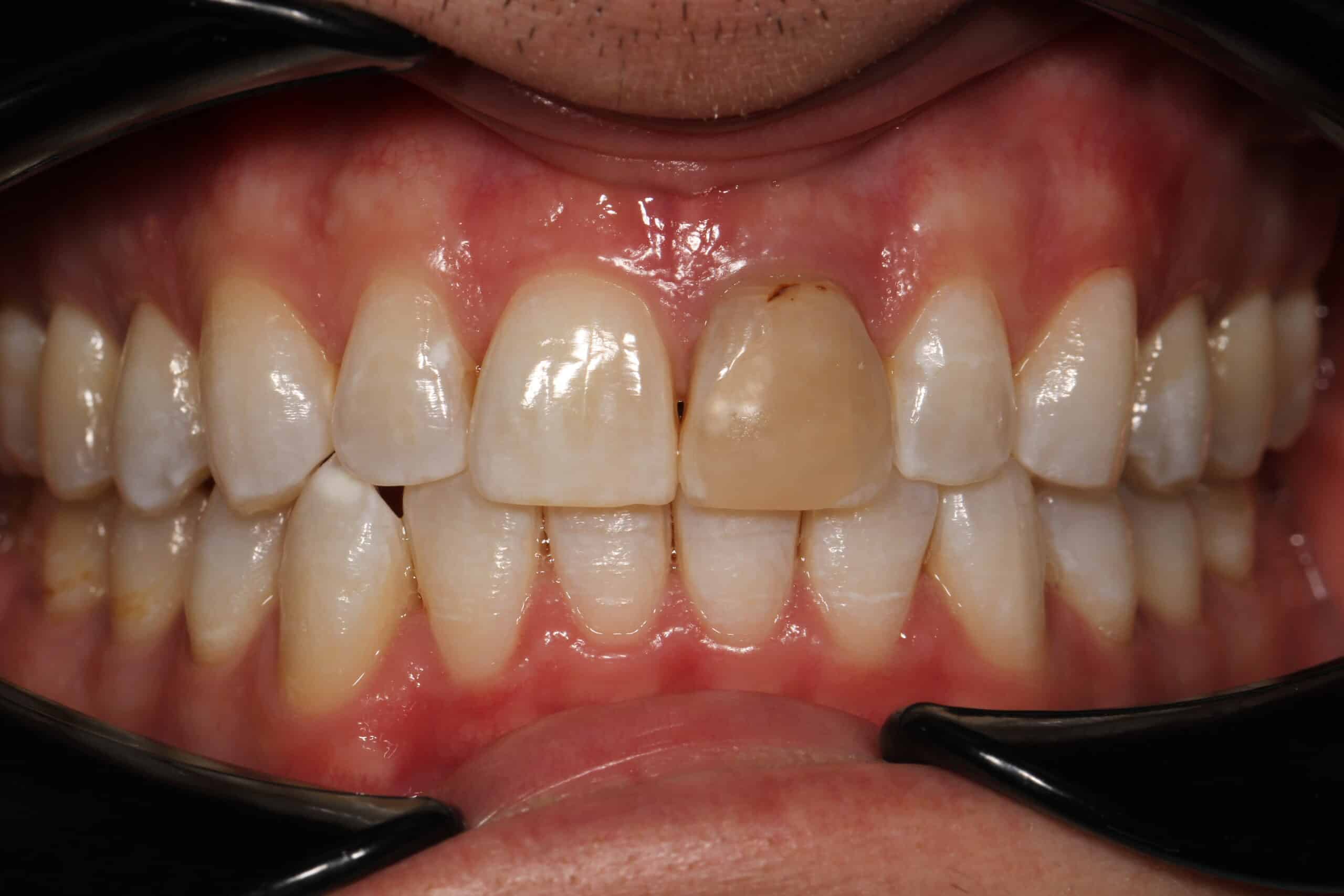
Yes, it is normal for teeth to look slightly uneven right after whitening. Natural teeth have different levels of staining and enamel thickness, so they may whiten at slightly different rates. Restorations like dental crowns, fillings, and veneers do not respond to whitening agents, which can also create a color mismatch. Your dentist can help you plan around this for an even result.
Can I Use Mouthwash After Teeth Whitening?
You should avoid colored mouthwash for the first 48 hours after teeth whitening. Blue, green, or purple mouthwash can stain your freshly whitened teeth. After the 48-hour window, switch to a gentle, alcohol-free mouthwash with fluoride. Alcohol-free formulas prevent dry mouth, which is important because a dry mouth makes teeth more susceptible to new stains.
Should I Whiten My Teeth if I Have Invisalign?
You should talk to your dentist before whitening your teeth if you have Invisalign. Whitening during clear aligner treatment can sometimes be done using the aligner trays themselves as whitening trays, but this depends on the stage of your treatment and the type of gel used. Your orthodontist and dentist can coordinate to find the right timing so whitening does not interfere with your alignment results.
The Takeaway
Taking care of your teeth after whitening is simple, but it makes all the difference. The first 48 hours are the most important. Stick to the white diet, avoid tobacco, brush gently, drink plenty of water, and follow your dentist's instructions. After that initial window, smart daily habits like rinsing after coffee, using fluoride products, and scheduling regular cleanings keep your smile bright for months or even years.
Castellanos Dental Aesthetics has been helping patients across South Florida protect and maintain their smiles for over 25 years. If you recently whitened your teeth or are thinking about it, call (305) 820-4080 to schedule a consultation and get a personalized aftercare plan.
.png)
.png)

.png)


.png)
.png)
.png)
.png)

.png)
.png)
.svg)


