.png)
.svg)
.png)

Average Cost of Teeth Whitening
.png)
.png)
The average cost of teeth whitening depends on the method you choose. Over-the-counter products like strips and whitening toothpaste cost as little as $20 to $50. Custom take-home trays from a dentist usually run between $150 and $400. Professional in-office whitening ranges from $300 to $1,000 per session, according to the American Dental Association's 2025 Survey of Dental Fees. This article breaks down the cost of every whitening method, what affects the price, how long results last, and how to get the most value for your money.
How Much Does Teeth Whitening Cost on Average?
The average cost of teeth whitening depends on the type of treatment and where you live. According to the American Dental Association, the average cost of in-office external whitening is about $297 per arch. That means whitening both your upper and lower teeth could cost around $600 total. Some offices charge a flat fee for both arches, while others price it per arch.
According to Fortune Business Insights, the global teeth whitening market was valued at $8.93 billion in 2025 and is expected to grow to $14.31 billion by 2034. Americans alone spend close to $2 billion each year on teeth whitening products, according to CareCredit. That tells you how popular whitening has become, and how many options are out there at every price point.
The cost also changes depending on where you live. According to data from the ADA's 2025 fee survey, teeth whitening in Florida averages around $505 without insurance. In states with a higher cost of living, you may pay more. In rural areas, prices tend to be lower. The dentist's experience, the whitening system they use, and whether you need a cleaning or exam first all play a role in the final number.
How Much Should I Expect to Pay for Teeth Whitening?
You should expect to pay anywhere from $20 for basic drugstore strips to $1,000 or more for professional in-office whitening, depending on the method you choose. Laser whitening systems can cost up to $1,500. The most common professional treatment falls between $400 and $800 per session.
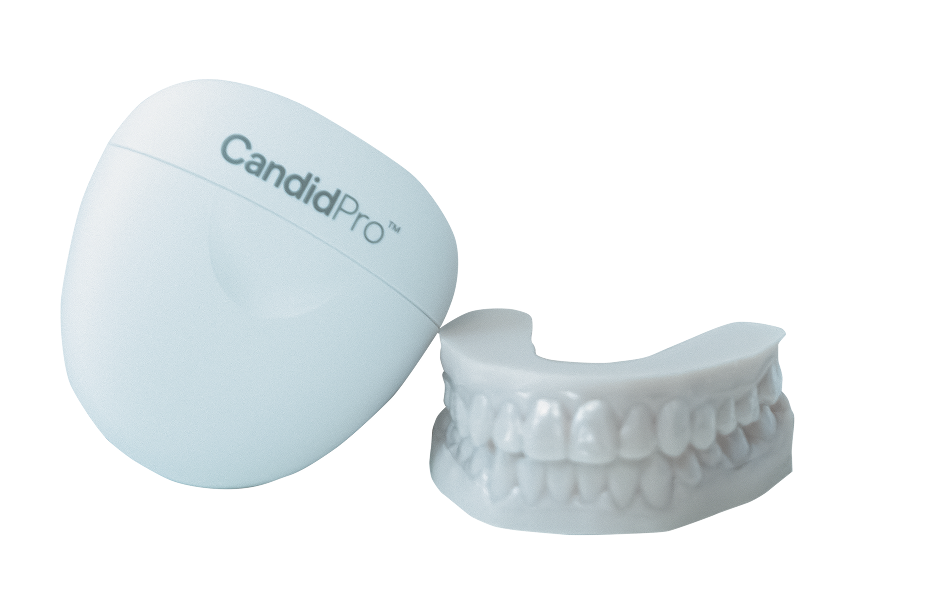
Custom take-home trays from a dentist are a middle-ground option. They typically cost between $150 and $400 and use a stronger whitening gel than anything you can buy at a store. Your dentist makes trays that fit your teeth exactly, so the gel stays on your teeth and off your gums. Most people see results within one to two weeks of daily use.
There may also be extra costs to think about. Many dentists recommend a professional cleaning before whitening to remove plaque and tartar. A cleaning can cost between $70 and $250, depending on your insurance. You might also need a dental exam and X-rays, which can add another $50 to $250. If your dentist finds cavities or gum disease, those issues need to be treated before you whiten.
Is It Worth Paying for Teeth Whitening?
Yes, it is worth paying for teeth whitening if you want faster, safer, and longer-lasting results than what drugstore products can offer. Professional whitening can lighten your teeth by up to 8 shades in a single visit, according to multiple clinical studies. Over-the-counter strips usually lighten teeth by only 1 to 3 shades and take several weeks to show results.
A 2024 study published in the International Dental Journal found that teeth whitening produced measurable improvements in self-confidence, social comfort, and mood among participants. The American Academy of Cosmetic Dentistry has reported that tooth color is the number one thing people want to change about their smile. Nearly 90% of patients surveyed by the American Association of Orthodontists also asked about whitening, even during orthodontic visits.
According to Raconteur, 67% of American adults have tried some form of teeth whitening. About 40% of people under 35 have had whitening treatments. These numbers show that whitening is not just for special occasions. It has become a regular part of how people care for their appearance.
Professional whitening results can last 6 months to 3 years with good oral care. Over-the-counter products typically last 1 to 6 months. When you factor in repeat purchases and inconsistent results, teeth whitening at a dental office often costs less in the long run. A single in-office session can replace months of daily strip use.
How Much Does a Dentist Charge to Do Teeth Whitening?
A dentist charges between $300 and $1,000 for professional in-office teeth whitening, on average. The exact price depends on the whitening system used, your starting tooth shade, and the dentist's location and experience. Some practices include a consultation and shade assessment in the base price, while others charge separately for those steps.
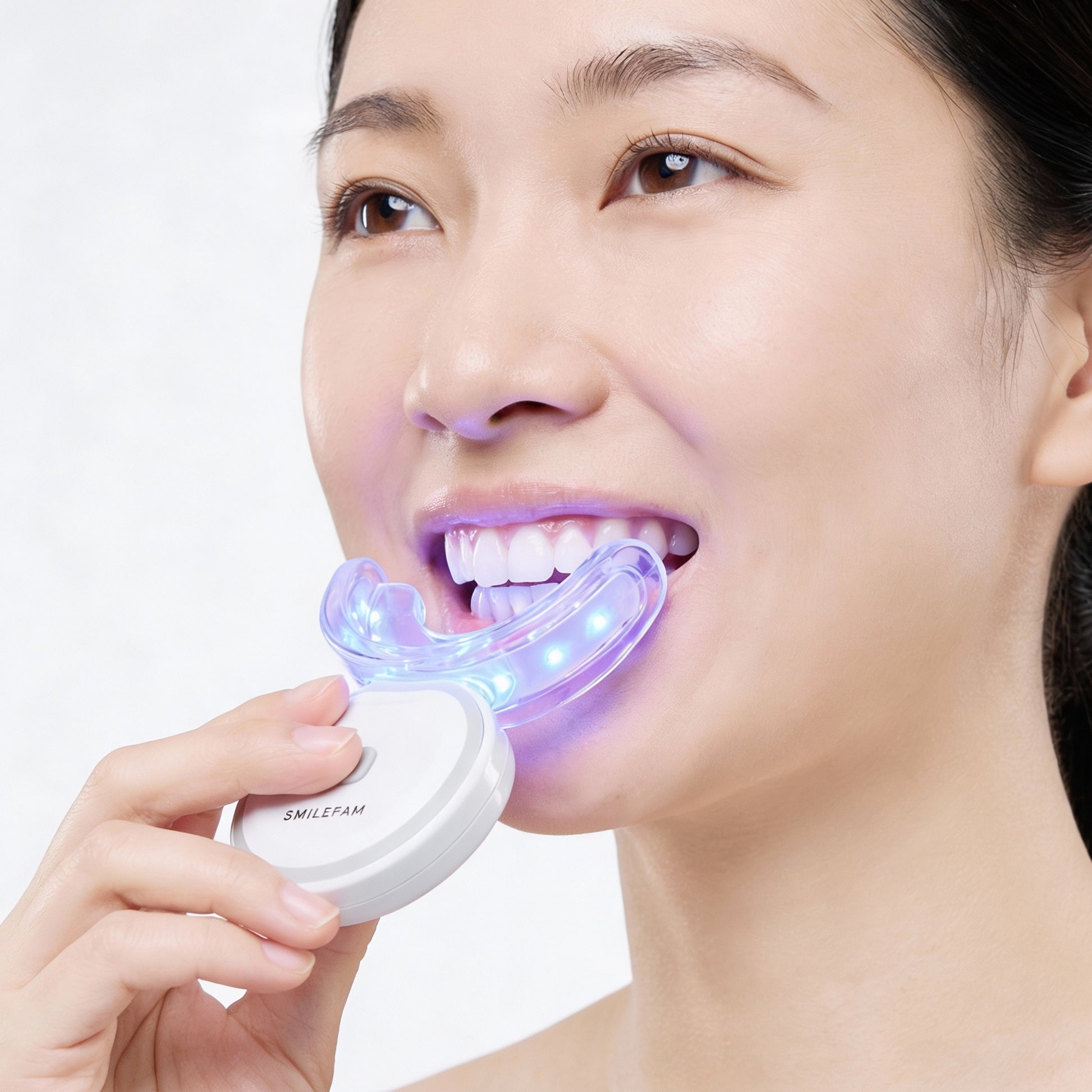
In-office whitening uses a professional-strength gel with hydrogen peroxide concentrations between 25% and 40%. The dentist applies a protective barrier to your gums, places the gel on your teeth, and activates it with an LED or laser light. The entire process takes about 45 to 90 minutes. You walk out with noticeably whiter teeth.
Dentist-provided take-home kits are another option and cost between $150 and $400. Your dentist takes impressions of your teeth and makes custom trays. You fill the trays with a professional-grade gel and wear them daily for a set amount of time, usually 30 minutes to a few hours. Results show up within one to two weeks.
We see patients here in Hialeah, Florida who are surprised at how fast professional whitening works compared to store-bought products. The difference is the strength of the gel and the precision of the application. A dentist can protect your gums, manage sensitivity, and adjust the treatment to your specific teeth.
Can Yellow Teeth Really Be Whitened?
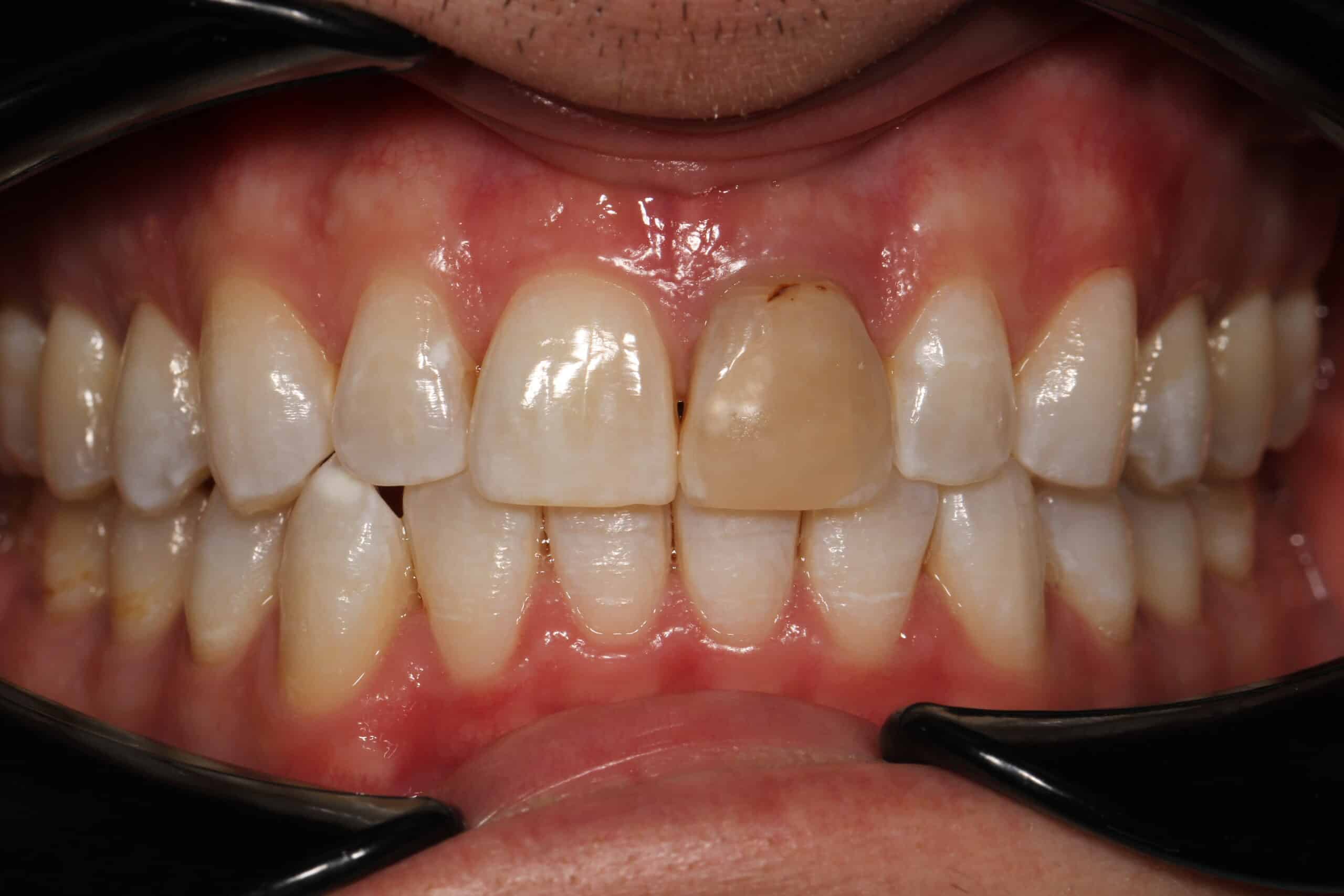
Yes, yellow teeth can really be whitened in most cases. Yellow discoloration is usually caused by surface stains from coffee, tea, wine, and tobacco, or by natural aging that thins the enamel and shows the yellowish dentin underneath. Both types of yellowing respond well to professional whitening treatments.
According to the American Dental Association, hydrogen peroxide and carbamide peroxide work by breaking stain molecules into smaller pieces. This makes the color less concentrated and teeth appear brighter. In-office treatments can lighten teeth by up to 8 shades in a single session.
Not all discoloration responds the same way, though. Yellow stains bleach the best. Brown stains may need more sessions. Gray or blue-toned discoloration, often caused by medications like tetracycline, is the hardest to treat. In those cases, a dentist might recommend porcelain veneers or bonding to cover the discoloration instead.
Does Teeth Whitening Last Permanently?
No, teeth whitening does not last permanently. Your teeth will gradually pick up new stains from the food you eat, the drinks you have, and the natural aging process. Professional in-office whitening results typically last 6 months to 3 years, depending on your habits. At-home products from a dentist last about 4 to 6 months. Over-the-counter strips and gels usually fade within 1 to 4 months.
Habits that shorten whitening results include drinking coffee, tea, red wine, and dark sodas. Smoking and chewing tobacco are also major culprits. A study published in the British Dental Journal found that between 15% and 78% of patients experience temporary tooth sensitivity during whitening, depending on the concentration and frequency of use. This temporary sensitivity is the most common side effect and typically resolves within 24 to 48 hours.
The best way to maintain results is to use a whitening toothpaste for daily care, avoid staining foods and drinks right after treatment, and schedule periodic touch-ups with custom trays from your dentist. A regular dental exam every six months also helps your dentist catch new stains early and recommend the right time for a touch-up.

Is Teeth Whitening Painful?
Teeth whitening is not painful for most people, but temporary sensitivity is common. According to a review published in the Journal of the American Dental Association, about 54% of patients using a 15% carbamide peroxide gel experienced mild sensitivity. Research from NewMouth shows that between one-third and one-half of all whitening users report some level of heightened sensitivity, usually temporary.
Sensitivity happens because the whitening gel can temporarily reach the dentin layer beneath your enamel, which contains tiny nerve endings. This causes short, sharp sensations that usually fade within a day or two after treatment. Professional whitening reduces this risk because your dentist applies desensitizing agents and controls the gel concentration and exposure time.
If you have naturally sensitive teeth, your dentist can adjust the treatment. Lower-concentration gels, shorter application times, and potassium nitrate desensitizers can all reduce discomfort. Nobody should avoid whitening because of fear of pain. A good dentist will make the process comfortable for you.
How Often Can I Whiten My Teeth?
You can safely whiten your teeth with professional treatment once or twice per year, with touch-ups using custom trays as recommended by your dentist. Over-whitening can weaken enamel, increase sensitivity, and give teeth a translucent or blue-gray appearance. This condition is sometimes called "bleachorexia."
The American Dental Association recommends talking to your dentist before starting any whitening regimen. A 2018 Cochrane review found that tooth sensitivity and gum irritation from home whitening products were more common at higher concentrations but were mild and went away quickly when products were used as directed.
A smart approach is to start with one in-office whitening session, then maintain the results with dentist-provided take-home trays every few months. This gives you the best of both worlds: dramatic initial results and affordable upkeep. Patients who drink a lot of coffee or tea may need touch-ups more often than those who stick to water.
Can I Whiten My Teeth at Home?
Yes, you can whiten your teeth at home using over-the-counter products or dentist-provided take-home kits. However, the results, safety, and cost differ greatly between the two approaches. Dentist-provided kits use custom trays and stronger gels, delivering better and more even results. Over-the-counter products use one-size-fits-all strips or trays with weaker formulas.
Over-the-counter whitening strips are the most popular at-home option. They typically contain 3% to 10% hydrogen peroxide and are applied twice daily for 10 to 14 days. Research published in Frontiers in Dental Medicine found that whitening strips are the most effective OTC option, partly because they maintain longer contact with the teeth compared to rinses or paint-on gels.
Whitening toothpastes are the least expensive option, usually costing between $5 and $15. According to the ADA, whitening toothpastes can lighten teeth by about 1 to 2 shades. They remove surface stains with mild abrasives but do not bleach the way peroxide-based products do.
DIY whitening remedies like charcoal powder, lemon juice, and baking soda pastes are not recommended by the ADA. Some of these can actually scratch or erode enamel. A study published in the British Dental Journal confirmed that activated charcoal products lack sufficient evidence of safety and effectiveness.
Which Is Better, Teeth Whitening or Bleaching?
Teeth whitening and bleaching both improve tooth color, but bleaching refers specifically to treatments that use hydrogen peroxide or carbamide peroxide to lighten teeth beyond their natural shade. Whitening is a broader term that includes any product that removes surface stains, including abrasive toothpastes and polishing treatments that do not contain bleach.
In dental terms, the word "bleaching" is used when the active ingredient is peroxide and the goal is to change the actual color of the tooth. The word "whitening" applies to any method that makes teeth appear brighter, even if it only removes stains on the surface. The ADA notes that bleaching products with the ADA Seal of Acceptance have been tested for both safety and effectiveness.
For deeper stains and more dramatic results, bleaching is better. For maintaining a bright smile between bleaching sessions, whitening toothpastes and rinses work well. A dentist can help you decide which approach matches your goals and budget. If you have existing restorations like dental crowns or fillings on your front teeth, those will not respond to bleaching and may need to be replaced to match your new shade.
Teeth Whitening Cost Comparison by Method
Whitening MethodAverage CostShades LighterHow Long Results LastTreatment TimeProfessional In-Office Whitening$300 to $1,000Up to 8 shades6 months to 3 years45 to 90 minutesLaser Whitening (Zoom, etc.)$500 to $1,500Up to 8 shades1 to 3 years60 to 90 minutesCustom Take-Home Trays (Dentist)$150 to $4003 to 6 shades4 to 6 months1 to 2 weeks daily useOver-the-Counter Strips$20 to $551 to 3 shades1 to 4 months10 to 14 days daily useWhitening Toothpaste$5 to $151 to 2 shadesRequires ongoing useDaily, ongoingWhitening Rinses$5 to $101 to 2 shadesRequires ongoing useUp to 3 months for visible change
Sources: American Dental Association 2025 Survey of Dental Fees, CareCredit, Gentle Dental, Authority Dental, British Dental Journal
Will My Teeth Turn Yellow Again After Whitening?
Yes, your teeth will turn yellow again after whitening over time if you do not take steps to maintain the results. Whitening is not a one-time fix. Your teeth are constantly exposed to staining substances in food and drinks, and the natural aging process continues to thin your enamel and reveal the darker dentin underneath.
According to the American Academy of Cosmetic Dentistry, the best way to extend whitening results is to schedule periodic touch-ups, use a whitening toothpaste with fluoride, and limit foods and drinks that stain. Coffee, tea, red wine, berries, soy sauce, and tomato-based sauces are the most common culprits. Smoking reverses whitening results faster than almost anything else.
Drinking through a straw can also help reduce contact between staining liquids and your front teeth. Rinsing your mouth with water after eating or drinking dark-colored foods is another simple habit that helps. Combined with regular teeth cleaning visits, these habits can keep your smile brighter for much longer.
Can 60 Year Old Teeth Be Whitened?
Yes, 60 year old teeth can be whitened, but the process may require more sessions or a different approach than younger teeth. As people age, enamel naturally thins and the yellowish dentin layer underneath becomes more visible. This type of discoloration is called intrinsic staining, and it responds to peroxide-based bleaching but may take longer to treat.
According to Grand View Research, the geriatric population has become one of the fastest-growing segments driving the teeth whitening market. Older adults often need stronger or more frequent treatments because their staining has built up over decades from food, drink, and medication use.
Before whitening, a dentist will check for thinning enamel, existing restorations, receding gums, and other concerns common in older patients. If whitening alone is not enough, options like dental bonding or veneers can provide a more dramatic change. The key is to start with a thorough exam so your dentist can recommend the safest and most effective path forward.
Can I Skip Polishing at the Dentist?
You can skip polishing at the dentist, but it is not recommended if you are planning to whiten your teeth. Polishing removes surface stains and plaque that whitening gel cannot penetrate through. Whitening over a layer of buildup leads to uneven results and wasted product.
A professional cleaning before whitening also lets your dentist check for cavities, cracks, or gum recession that could make whitening uncomfortable or risky. The ADA recommends professional cleanings every six months for most adults. If your last cleaning was more than six months ago, your dentist will likely want to clean your teeth first before starting any whitening treatment.
The cost of a cleaning typically ranges from $70 to $250, depending on your location and insurance coverage. It is a small added expense that makes a big difference in how evenly and effectively your whitening treatment works.
Does Insurance Cover Teeth Whitening?
No, most dental insurance plans do not cover teeth whitening because it is considered a cosmetic procedure. The ADA classifies whitening as an elective treatment, not a medically necessary one. This means you will likely pay the full cost out of pocket.
There are ways to reduce the cost. Many dental offices offer payment plans, and some accept health savings accounts (HSAs) or flexible spending accounts (FSAs) for whitening treatments. According to Aspen Dental, 99% of patients who apply for third-party financing are approved. Dental discount plans can also reduce the cost of both the whitening treatment and any preparatory work like cleanings and exams.
Some dental practices in West Hialeah and across South Florida also offer financing options to help spread the cost over several months. It is always worth asking about payment options before assuming whitening is out of your budget.
What Factors Affect the Cost of Teeth Whitening?
Several factors affect the cost of teeth whitening. The type of treatment is the biggest one. In-office whitening with a dentist costs more than at-home kits, which cost more than drugstore products. But the results also scale with the price.
Your geographic location matters too. Whitening in a major city typically costs more than in a small town. According to the ADA's 2025 fee survey, prices vary significantly by state. Florida averages around $505 for in-office whitening, while other states may be higher or lower.
The severity of your staining also plays a role. Deep stains from years of coffee, tobacco, or medication may require multiple sessions or a combination of in-office and take-home treatments. Simple surface stains may only need one session. Your dentist's experience and the whitening system they use, such as Zoom, laser, or LED, also affect the price. Premium systems with advanced technology tend to cost more but often deliver faster and more consistent results.
Pre-treatment needs like cleanings, exams, and X-rays add to the total cost. If you keep up with regular preventive care, you may not need these extra steps before whitening, which saves money.
Frequently Asked Questions
How Long Does In-Office Teeth Whitening Take?
In-office teeth whitening takes about 45 to 90 minutes per session. The dentist cleans your teeth, applies a protective barrier to your gums, places a professional-strength whitening gel on your teeth, and activates it with an LED or laser light. Most patients see full results after one visit. According to data from Gentle Dental, professional in-office whitening can lighten teeth by 5 to 8 shades in a single appointment.
Are Over-the-Counter Whitening Strips Safe?
Yes, over-the-counter whitening strips are safe when used as directed. The ADA recommends choosing products with the ADA Seal of Acceptance, which means they have been tested for safety and effectiveness. A 2022 systematic review cited by the ADA concluded that hydrogen peroxide products used for whitening do not appear to have harmful long-term effects on the oral tissues when used properly.
Can Teeth Whitening Damage Your Enamel?
Teeth whitening does not permanently damage your enamel when done correctly under professional supervision. A study published in the Journal of Esthetic and Restorative Dentistry found that hydrogen peroxide targets stain molecules without causing significant changes to the enamel's mineral content. Temporary surface softening may occur but reverses within hours as saliva remineralizes the enamel. We have covered this topic in depth, and the science confirms that enamel safety is well supported by clinical research.
Does Teeth Whitening Work on Crowns or Veneers?
No, teeth whitening does not work on crowns, veneers, fillings, or bonding material. These dental restorations do not respond to hydrogen peroxide. If you whiten your natural teeth, the restorations will stay the same color and may look mismatched. A dentist can help you explore options like replacing the restorations or choosing a smile design package that addresses everything together.
What Is the Cheapest Way to Whiten Teeth?
The cheapest way to whiten teeth is with over-the-counter whitening toothpaste, which costs between $5 and $15. Whitening strips are the next most affordable option at $20 to $55 per box. While these products are budget-friendly, they produce more subtle results and take longer to work than professional treatments. The ADA notes that whitening toothpastes can lighten teeth by 1 to 2 shades, mostly by removing surface stains.
How Can I Make Teeth Whitening Last Longer?
You can make teeth whitening last longer by avoiding staining foods and drinks like coffee, tea, red wine, and berries for at least 48 hours after treatment. Using a fluoride toothpaste daily, rinsing with water after meals, and scheduling periodic touch-ups with custom trays from your dentist all help extend your results. According to the American Academy of Cosmetic Dentistry, monthly at-home touch-ups after a professional treatment are the most effective way to maintain brightness.
Is Professional Whitening Better Than At-Home Kits?
Professional whitening is better than at-home kits for speed, intensity, and safety. In-office treatments use higher concentrations of hydrogen peroxide under controlled conditions, delivering up to 8 shades of improvement in one visit. A review published in the National Library of Medicine confirmed that while both methods eventually achieve similar shade improvements, professional whitening gets there much faster and with less risk of uneven results or gum irritation.
Putting It All Together
The cost of teeth whitening varies widely based on the method you choose, your dentist's experience, and how much staining you have. Professional in-office treatments cost more upfront but deliver faster, more dramatic, and longer-lasting results. Over-the-counter products are affordable but require patience and produce more subtle changes. The smartest approach is to talk to a dentist who can evaluate your teeth, recommend the right treatment, and help you understand the full cost before you start.
If you are ready to brighten your smile, Castellanos Dental Aesthetics is here to help. Call (305) 820-4080 to schedule a consultation and find the whitening option that fits your goals and your budget.
.png)
.png)

.png)


.png)
.png)
.png)
.png)

.png)
.png)
.svg)


